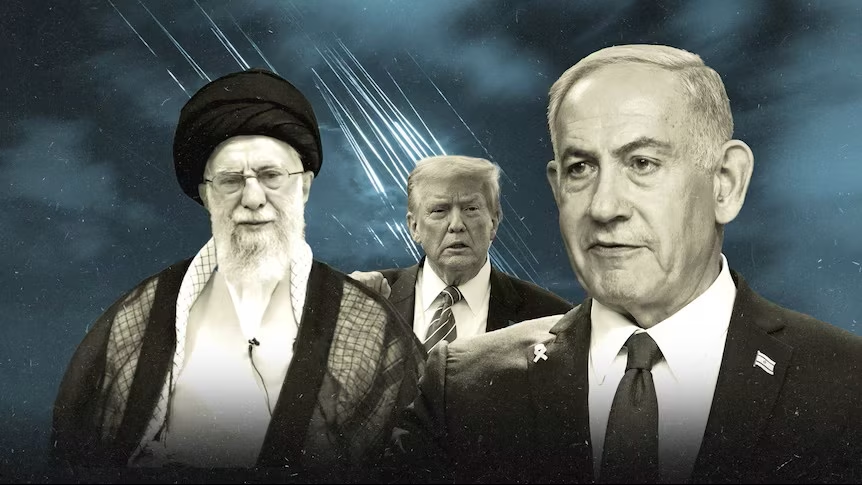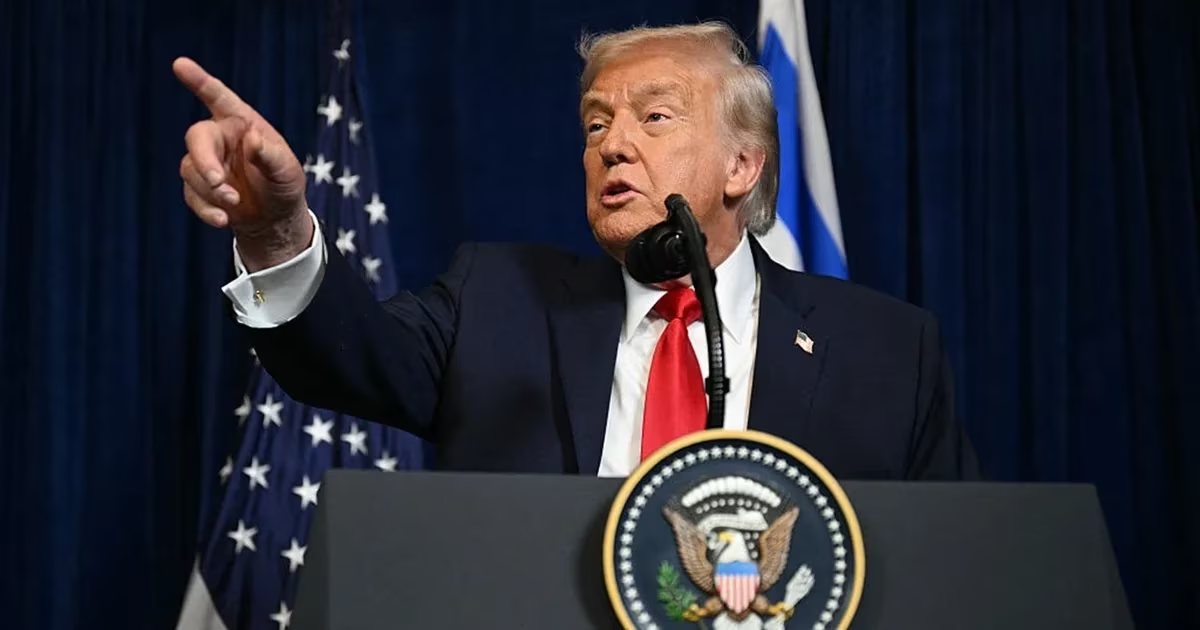
The wide disparity in justifications provided by the administration of US President Donald Trump for the war on Iran has raised deep questions about the clarity of military objectives. Justifications ranged from regime change and halting the nuclear program to ensuring regional security, revealing a contradiction in the strategic vision for the operation.
Press reports indicated that the declared explanations for the war appeared unclear and highly contradictory, despite the multiple objectives put forth by the White House. These objectives included supporting what Trump described as 'oppressed peoples' and stripping Tehran of its ability to extend its regional influence.
During the initial days of military operations, the US administration presented a wide range of disparate pretexts, including responding to previous attacks and taking preemptive measures. Some statements also focused on preventing the development of ballistic missiles capable of directly targeting American territory.
Observers considered this ambiguity to raise a central question about one of the most dramatic military operations in decades. The inability to define a specific meaning of victory could complicate the United States' field and political position in the region.
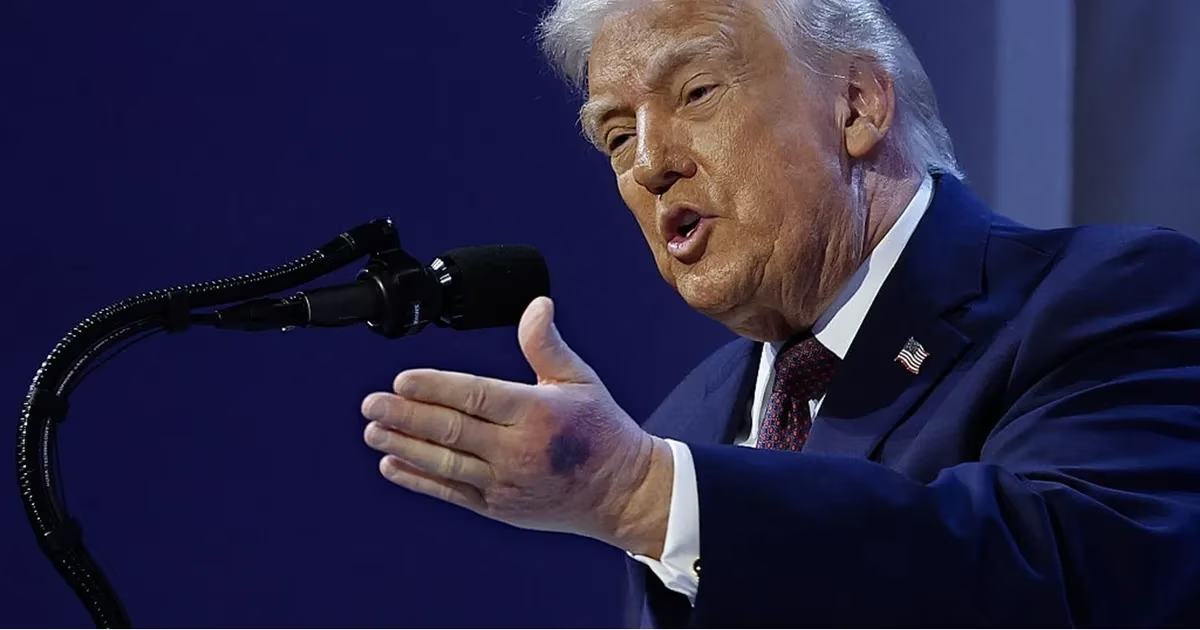
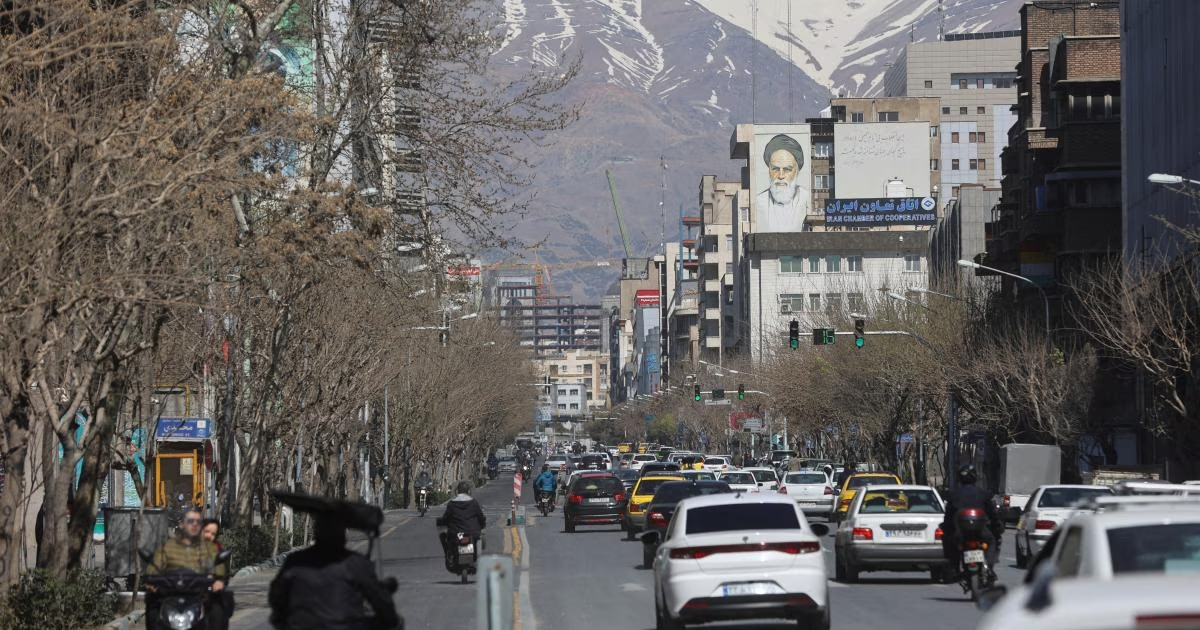
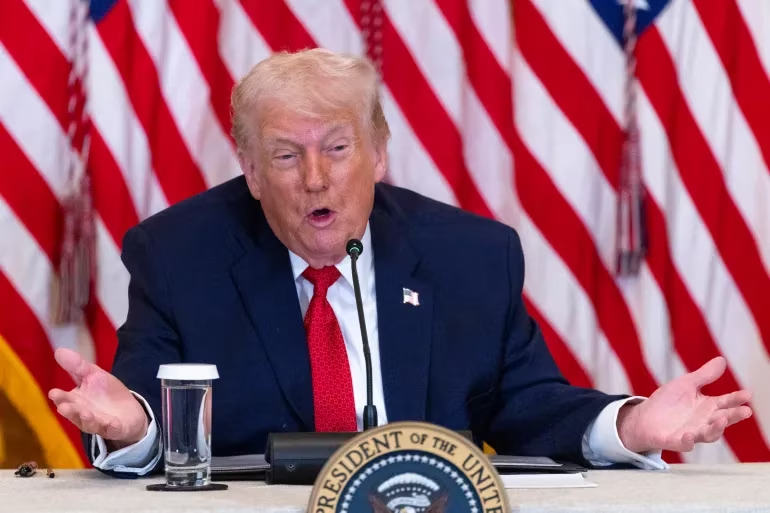
President Trump had appeared in a video warning of 'imminent threats,' reiterating his accusations against Iran of sponsoring terrorism. In his speech, he called on Iranians to overthrow what he described as an 'extremist dictatorship,' declaring that the hour of freedom had come for the Iranian people.
In subsequent interviews, Trump presented a different vision of victory, likening the optimal scenario to what had previously happened in Venezuela. He hinted that he might personally decide who runs the country, while simultaneously dismissing the right of Iranians to independently choose their leaders.
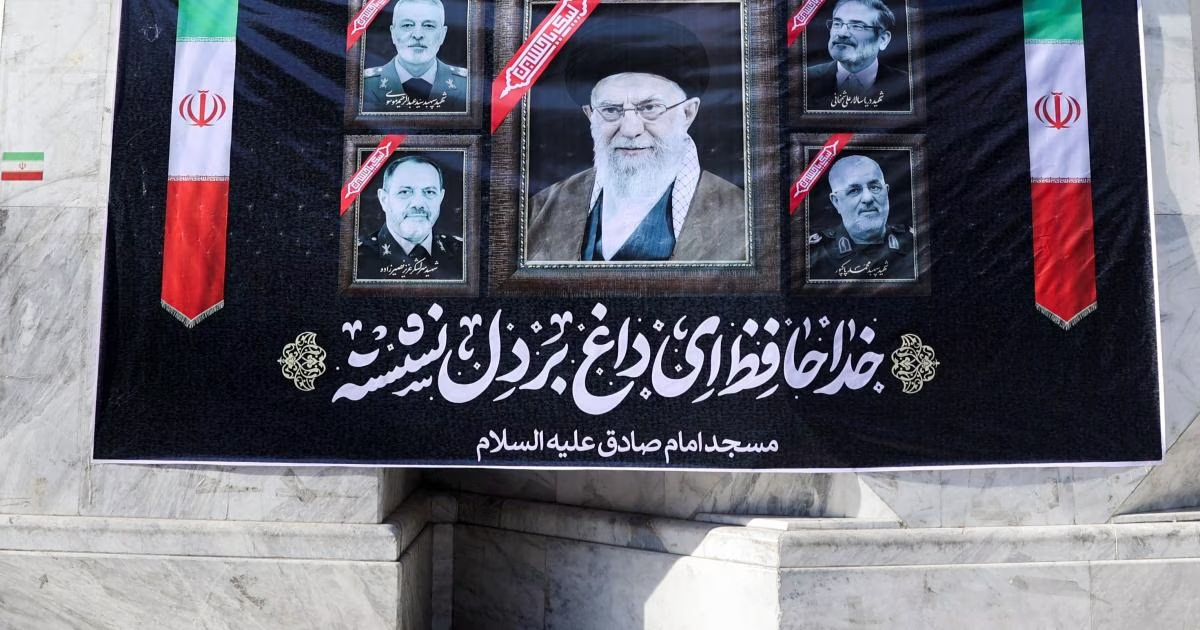
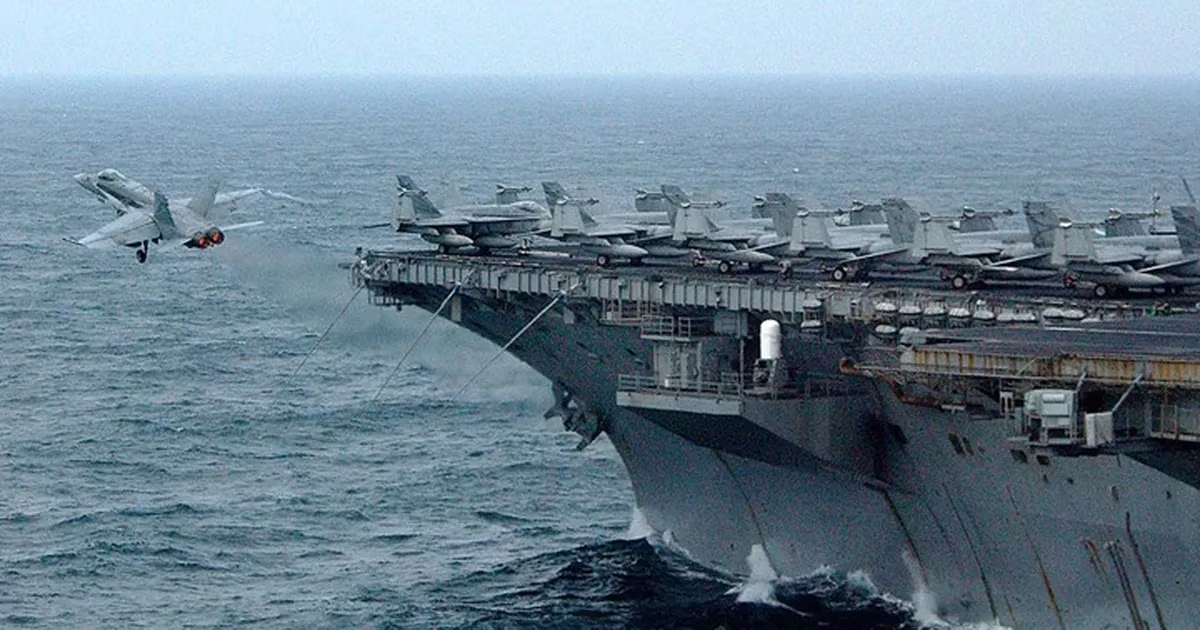
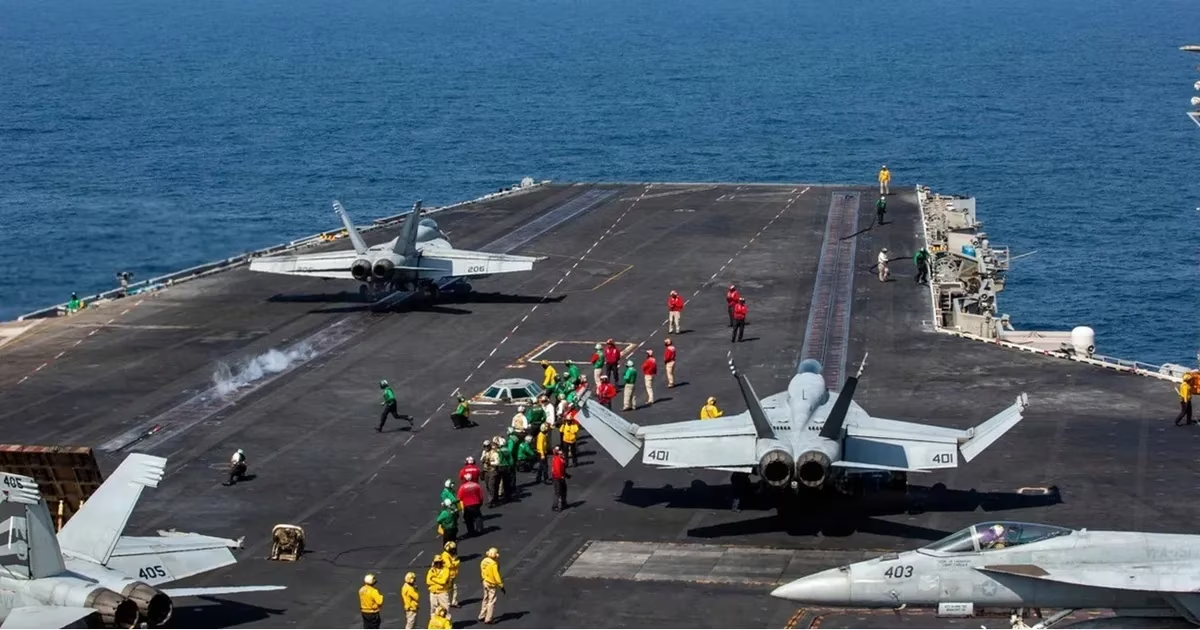
For his part, Defense Secretary Pete Hegseth announced that the goal of 'Operation Epic Rage' was to destroy the Iranian navy and nuclear capabilities. Hegseth affirmed that the regime had already changed after the Supreme Leader's death in the initial strikes, despite government structures remaining in place.
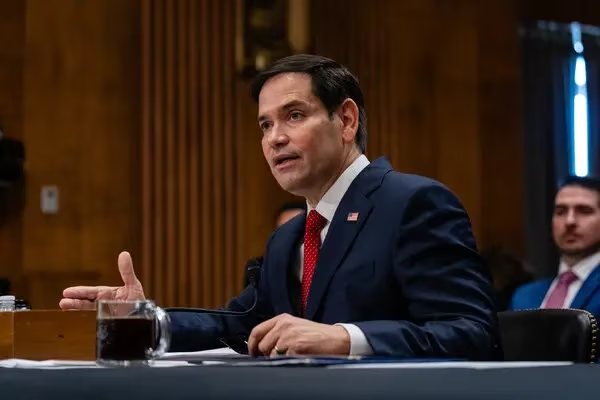
In a related context, Secretary of State Marco Rubio clarified that the operation's focus was on destroying Tehran's ballistic missile capabilities. Rubio described regime change as a 'hope' that Washington seeks, rather than a direct military objective of the current operation.
Trump did not address the economic consequences of the war in his last public appearance, such as the sharp rise in global oil prices. He also ignored the possibilities of reactions within the United States or the expansion of the conflict to include multiple regional fronts.
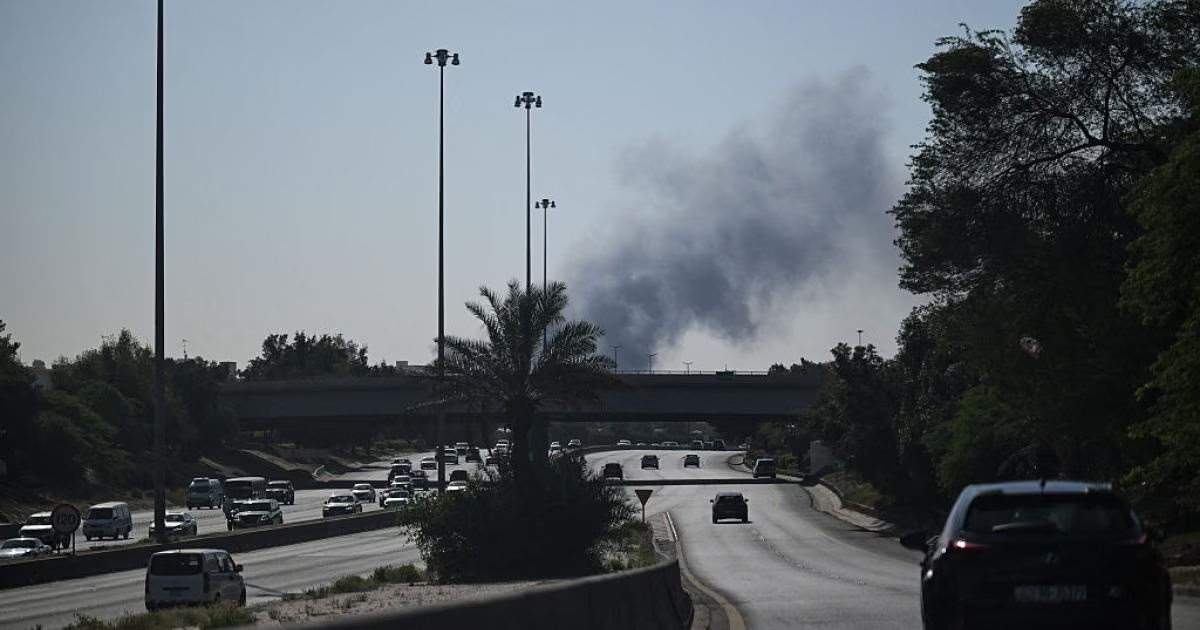
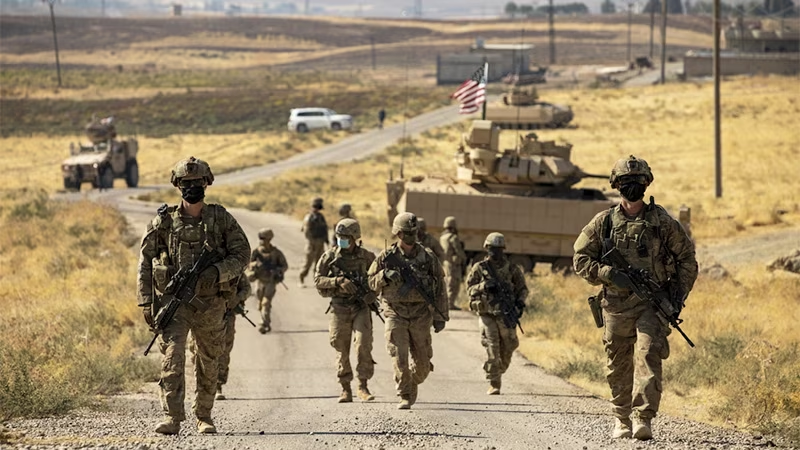
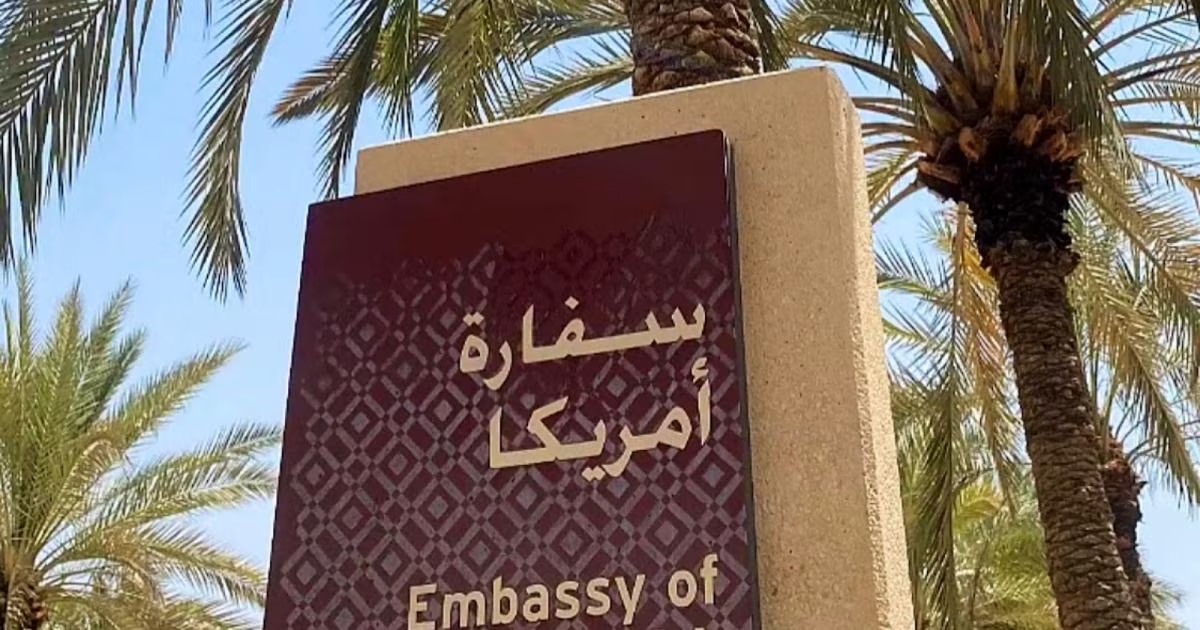
The region had already witnessed Iranian strikes targeting facilities and bases in several countries, including Bahrain, Jordan, Kuwait, Iraq, and Israel. Despite this escalation, the White House did not provide concrete evidence that Iran posed an intolerable threat before the attack began.
Trump affirmed his commitment to continuing the war, no matter how long it takes, indicating his readiness to remain in the confrontation for more than five weeks. His rapid shift from talking about military operations to secondary details related to renovations within the White House was notable.
Experts at the Washington Institute for Near East Policy believe that the multiplicity of objectives allows Trump to declare victory under any circumstances. By presenting a long list of possibilities, the US administration can choose any successful outcome and consider it the original goal of the operation.
Trump's current team differs from his advisors in his first term, who tended to be cautious and avoid direct confrontation. The new team includes carefully selected officials to support the President's escalatory decisions in a changing regional reality after the events of October 2023.
It appears that the most prominent motive for this war is to exploit Iran's current state of weakness to solidify a historical legacy for Trump. The President saw the overthrow of the Iranian regime as a historic opportunity that successive American presidents since 1979 had failed to achieve.
Can the United States win a war it chose to fight, at a time when it is unable to explain its reason or define the meaning of victory within it?