






- "New York Times": It was not surprising, but rather the result of secret consultations, military planning, and political pressure. Washington - "Al-Quds" dot com - Said Arikat - According to a report in the "New York Times" published on Monday, the decision by US President Donald Trump to wage war against Iran was not a surprising step, but rather the result of a long process of secret consultations, military planning, and political pressure, especially from the Israeli leadership, in addition to a decline in confidence within the US administration in the possibility of reaching a diplomatic solution with Tehran. The report indicates that the main turning point came during a lengthy meeting at the White House on February 11, where Trump and Israeli Prime Minister Benjamin Netanyahu discussed the possibilities of war and the potential timing of any attack. At that time, the United States was conducting indirect negotiations with Iran regarding its nuclear program, but Israel feared that these diplomatic efforts would disrupt the military plans that were secretly being discussed between the two sides. Days after the meeting, Trump began to openly express his skepticism about the feasibility of negotiating with Iran, considering that years of previous dialogue had not yielded results. He also hinted that changing the Iranian regime might be the best option. Just two weeks later, he authorized a large-scale military operation in coordination with Israel, which included intensive strikes targeting military and nuclear sites and centers within the country, resulting in the death of the Iranian Supreme Leader and the country entering a state of chaos, in addition to the outbreak of a wave of regional violence that led to American and Iranian casualties. Although the US President's public discourse seemed hesitant between seeking a diplomatic agreement and threatening military force, the report confirms that the move towards war was steadily progressing behind the scenes. Israel played a pivotal role in pushing Washington towards delivering a decisive blow, based on an assessment that the Iranian regime was in a weak position. Trump was also influenced by his growing confidence after a successful American operation that overthrew the leadership in Venezuela weeks earlier. The report indicates that opposition within the President's inner circle was very limited. Even figures previously known for their reservations about military interventions supported the idea of delivering a broad and swift blow if an attack was decided upon. In contrast, military leaders warned of significant risks, including the possibility of heavy American casualties, destabilization of the region, and depletion of American military stockpiles. However, these warnings were not fully reflected in public statements, as the operation was portrayed as easily decisive. The report also clarifies that US officials did not fully disclose to members of Congress that regime change was among the military plans, despite security briefings being held to discuss Iranian threats and the timing of potential strikes. At the same time, nuclear negotiations with Iran continued, but the report believes that they practically provided a time cover for strengthening the American military presence in the Middle East. At the beginning of the year, American forces were not ready for a long war, as no aircraft carriers were present in the region and air defenses were limited. Over the weeks, two aircraft carriers and a large number of fighter jets, bombers, and defense systems were sent, allowing for an extended military campaign. During the negotiations, Washington insisted on the "zero enrichment" demand, meaning completely ending Iran's ability to produce nuclear fuel, a condition that Tehran consistently rejected. With increasing doubts within the US administration, official statements began to reflect a growing conviction that reaching an agreement was almost impossible due to the ideological nature of the Iranian regime. Within National Security Council meetings, the discussion focused on the size of the military operation, not on the principle of its execution. Multiple options were presented, ranging from limited strikes aimed at negotiating pressure, to a broad campaign aimed at overthrowing the Iranian leadership. Intelligence agencies presented different scenarios for what might happen in the event of the Supreme Leader's death, including the possibility of a more hardline leadership rising, internal unrest erupting, or a more pragmatic wing of the Revolutionary Guard coming to power. Some officials adopted the latter scenario, believing that a pragmatic military leadership might be more willing to understand with the United States and abandon the nuclear program or reduce regional confrontation, although these expectations remained uncertain. The only prominent opposition came from conservative media personality Tucker Carlson, who warned of the risks of war to American forces, energy prices, and relations with Arab allies, considering that Washington might be drawn into the conflict due to Israel's security priorities. However, Trump informed him that he believed the United States would be involved in the fighting anyway if Israel started the attack alone. On the domestic political front, the administration did not seek clear authorization from Congress before commencing operations, which drew criticism from some lawmakers who saw the logic used to justify the war as circular, as it was considered that the military buildup itself might provoke Iran to retaliate, thus making an American attack inevitable. A final round of negotiations was held in Geneva days before the strike, where Iran presented a proposal allowing certain levels of enrichment to continue, which American negotiators rejected. After the talks ended, the negotiating team informed the President that the chances of reaching an agreement were very slim. Meanwhile, the United States and Israel were already discussing the timing of the attack, until an intelligence breakthrough led to the identification of a meeting of senior Iranian leadership in Tehran, and the decision was made to carry out a strike directly targeting the leadership, thus effectively starting the war. The course of events, as presented in the report, indicates that the diplomatic path was not necessarily a genuine attempt to avoid war, but perhaps served as a political tool to manage military timing. The continuation of negotiations coincided with the largest American military buildup in the region in years, reinforcing the impression that dialogue was providing a time cover to complete operational preparations more than it was a viable path to success. American demands, especially the "zero enrichment" condition, were known beforehand to be unacceptable to Iran, which made reaching an agreement almost impossible from the outset. In the same context, the announcement of the visit of US Secretary of State Marco Rubio, which was scheduled to take place on Monday, March 3, takes on additional political significance. The announcement of the visit seemed like a continuation of the diplomatic facade and an indication of normal political engagement, at a time when military decisions had practically been made. From this perspective, the late diplomatic moves can be understood as part of managing the international scene and preparing public opinion, not as a realistic last attempt to prevent escalation, which reflects a recurring pattern in international crises where negotiating channels are sometimes used to secure political legitimacy before moving to war.

Tags
MORE FROM PALESTINE
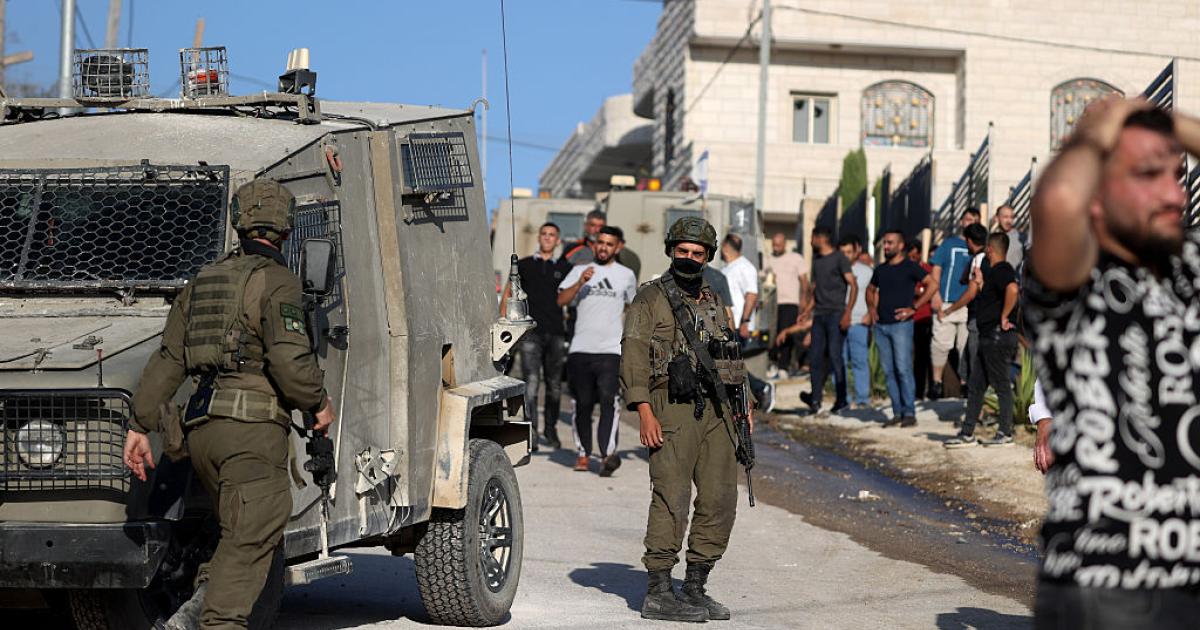
Escalation of settler violence in the West Bank: Homes burned and widespread injuries amid calls for international protection
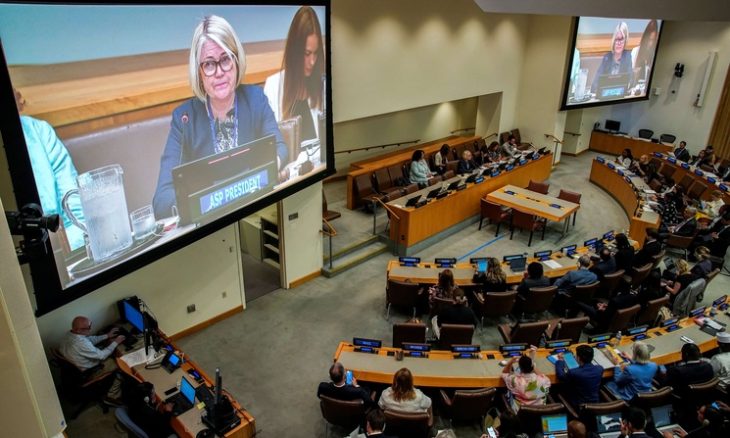
ICC Member States Remove Prosecutor Karim Khan with 82 Votes
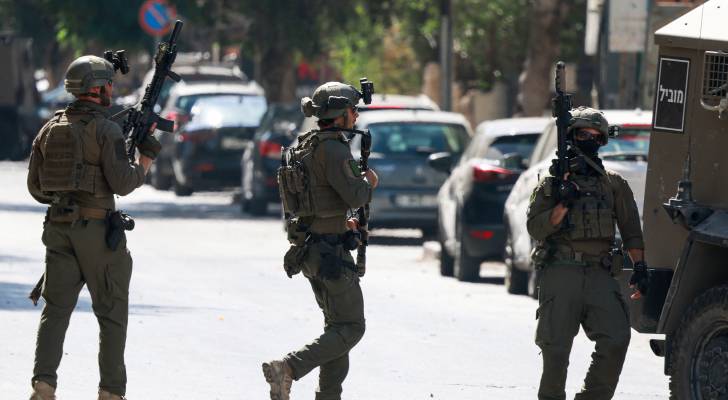
Widespread escalation in the West Bank: Injuries from settler bullets and a campaign of raids targeting hospitals and displaced persons' residences
Share your opinion
How did Trump decide to wage war on Iran?