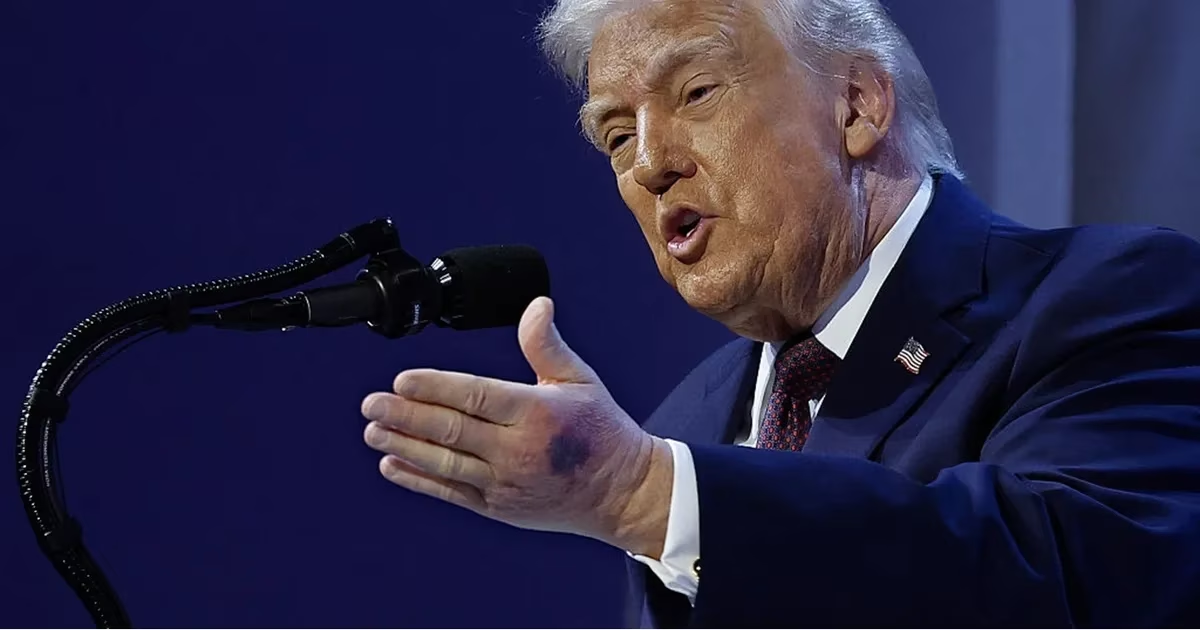







The administration of US President Donald Trump is facing increasing challenges in formulating a clear strategy for Iran's future, in the absence of a precise vision for the post-Supreme Leader era. Reports indicate that the structure of the Iranian regime remains cohesive, hindering Washington's ambitions for rapid and smooth political change.
Journalistic sources stated that Trump's comparison between Iran and Venezuela lacks political and on-the-ground realism. While the administration previously succeeded in establishing communication channels with parties in Caracas, the Iranian scene appears devoid of any organized or dissident opposition that could be relied upon to lead a transitional phase.
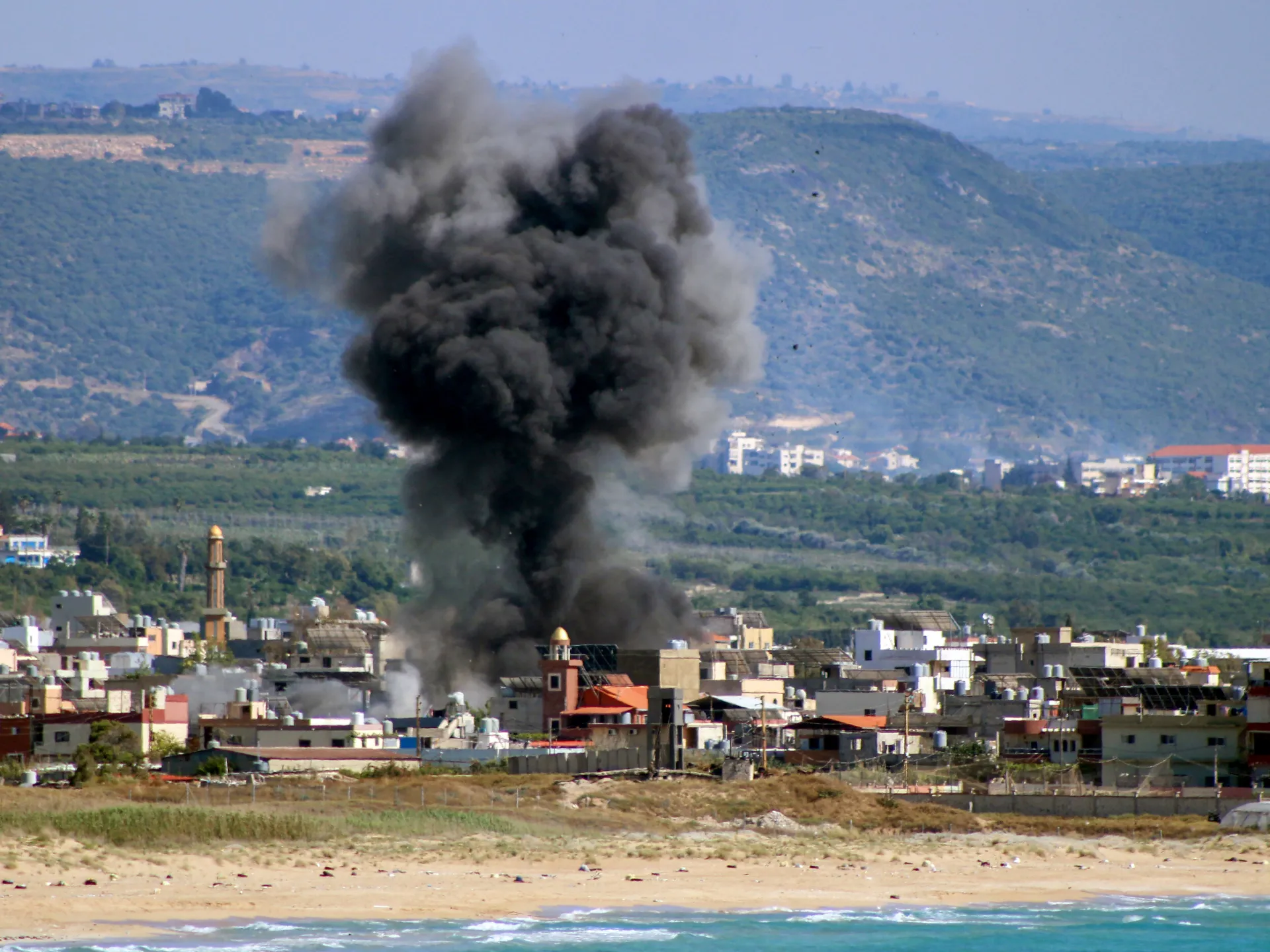
Leaked information revealed a joint US-Israeli operation targeting Supreme Leader Ali Khamenei and an elite group of military and political leaders. Despite the intelligence success in identifying targets, the on-the-ground results led to a leadership vacuum that Washington was unprepared to deal with or fill with loyal figures.
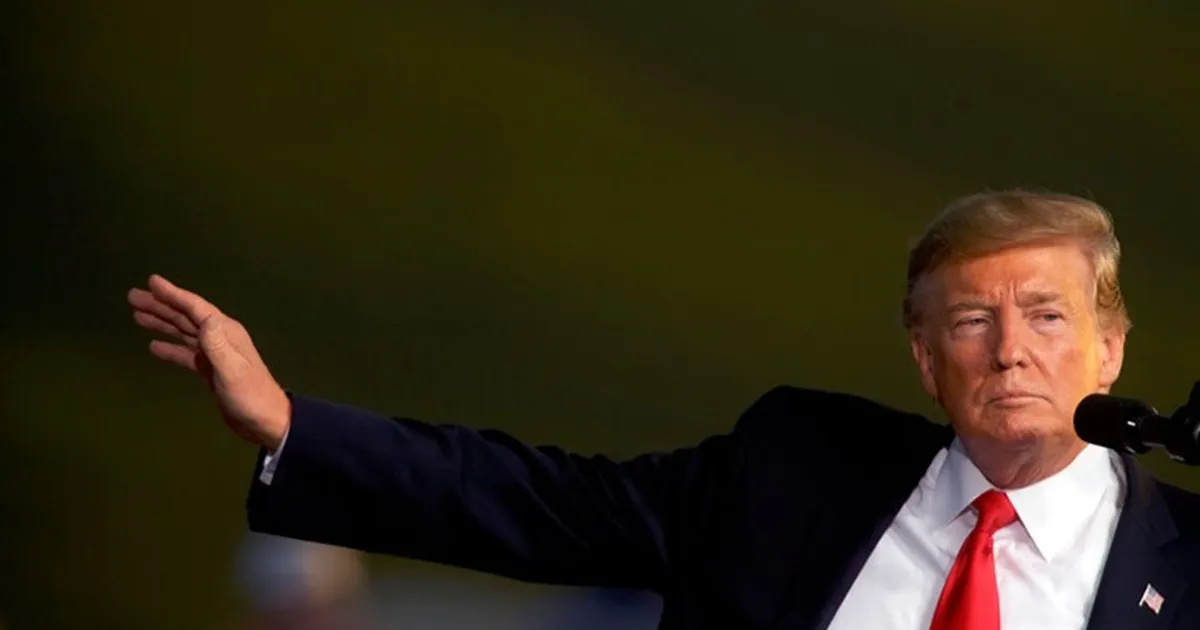
President Trump admitted in media statements that the intensive missile strikes eliminated the figures the United States had considered to take the reins. He explained that even the leaders classified in the second or third tier had died, complicating the calculations for a 'ready alternative'.
For its part, the US Central Intelligence Agency worked on attempts to infiltrate the ranks of the Iranian Revolutionary Guard to gather vital information. Despite the intelligence penetration, the administration remains unsure of the identity of the entity actually capable of controlling the ground and cooperating with the international community.
Observers in Washington describe the internal thinking of the national security team regarding the Iranian crisis as 'highly fragmented'. While Trump aspires to repeat the Venezuela scenario, which led to rapid political arrangements, this desire clashes with the nature of the deeply entrenched religious state in Tehran for decades.
The institutional structure in Iran differs fundamentally from traditional authoritarian regimes, as the system relies on a complex overlap between religious, military, and elected authorities. This complexity was specifically designed to ensure the continuity of institutions even in the absence of major leading figures, making the task of overthrowing the regime from abroad difficult.
In an attempt to justify the military operations, Trump's aides claimed that Iranian missiles posed an imminent and direct threat to American territory. However, these claims continue to spark widespread debate in political circles due to their lack of conclusive evidence publicly presented.
The White House outlined a set of strict military objectives, including the complete destruction of Iran's missile arsenal and the neutralization of its naval power. Washington also seeks to ensure Tehran is stripped of any future nuclear capabilities and to cut off supply lines to its allied groups in the region.
Strategic experts, including former advisors, warned that the collapse of the Iranian regime without an alternative could plunge the region into widespread chaos. They stressed that regime change from the air without ground forces or strong local allies is a risky gamble with uncertain outcomes.
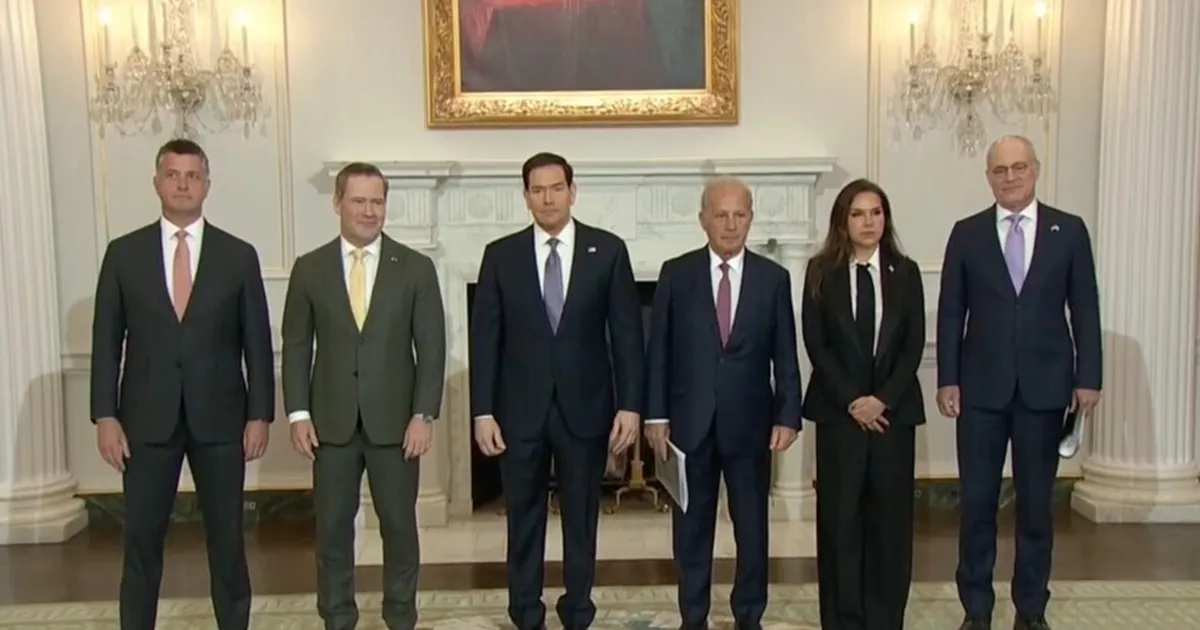
On the diplomatic front, Secretary of State Marco Rubio acknowledged the difficulty of the situation, noting that political transition in Iran would be more complex than any previous experience. He explained that the administration is looking for paths that ensure stability and prevent the country from turning into an arena for armed civil conflicts.
Domestically, opinion polls showed widespread American public opposition to the military operation, with a majority of participants expressing concern about the absence of a plan. 60% of Americans believe that the President lacks a clear vision for how to end the conflict or deal with its long-term repercussions.
US allies abroad are awaiting more precise clarifications about the ultimate goals of the ongoing military operation. Diplomatic sources reported that Washington has not yet briefed its partners on a comprehensive plan to restore stability to the region after the major combat operations conclude.
Given these facts, it appears that the US administration has begun to scale back its ambitions from 'regime change' to 'capacity reduction'. This shift indicates a belated realization of the difficulty of dismantling the structure of the Iranian state and transforming it into a political model consistent with the American vision at present.
No one we were thinking of will be able to govern, because they all died in the missile strikes.
Share your opinion
Confusion in Washington: Trump Administration Faces 'Missing Alternative' Dilemma in Iran After Khamenei's Absence