






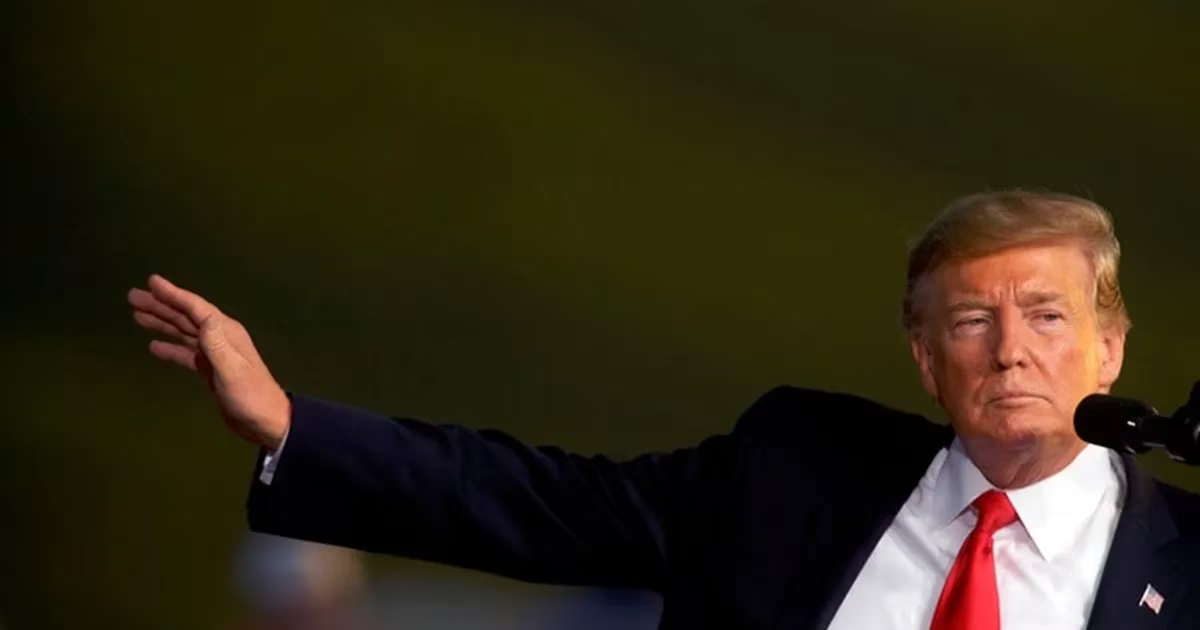
The 'New York Times' revealed in an extensive report that the administration of US President Donald Trump ignored clear intelligence and military indicators that preceded the outbreak of confrontation with Iran. The newspaper explained that the Iranian Revolutionary Guard conducted massive maneuvers under the title 'Smart Control of the Strait of Hormuz' in mid-February, which served as a final warning that Washington did not take seriously enough.
With the outbreak of war, Iranian forces were able, within a few days, to impose complete control over the Strait of Hormuz, threatening to target oil tankers with swarms of fast boats and drones. This move led to a complete paralysis of international navigation and a crazy surge in energy prices, putting the White House before a strategic challenge it had not accurately calculated.
Three months after the crisis, Tehran is now using its grip on the Strait as its most important leverage in negotiations regarding its nuclear program. President Trump's reaction reflected a state of severe annoyance, as he described Iranian leaders as 'crazy bastards' on social media platforms, threatening them with 'hell' unless the waterway was opened immediately.
For their part, former US officials who participated in war scenario simulations confirmed that what happened was not surprising, as studies for many years concluded that closing the Strait would be the inevitable Iranian response to any American attack. Dennis Ross, former National Security Council official, stated that the focus was always on the Strait as the first expected Iranian reaction in any conflict.
In a related context, former National Security Advisor John Bolton confirmed that Trump had been fully aware of this possibility for many years. Bolton expressed his surprise at the administration's lack of preparedness for this outcome, especially since the Strait of Hormuz had always been at the heart of discussions related to the regime change plans in Tehran that he had promoted.
In contrast, White House spokeswoman Olivia Wells defended the administration's position, asserting that prior planning was in place and that the President was aware of Iran's intentions to obstruct navigation. She indicated that US forces took preemptive measures to destroy Iranian mine-laying vessels, but the reality on the ground proved more complex than expected.
Observers believe that Trump fell into the trap of underestimating Iran's defensive capabilities, while overestimating the US military's ability to forcibly reopen the Strait when needed. It seems that some officials in the administration based their assessments on the false premise that Tehran would not close the Strait because it would represent 'economic suicide' for them, as they rely on it for their oil exports.
But Tehran surprised American military planners by relying primarily on coastal missiles and low-cost drones instead of entirely on traditional naval mines. This tactical shift made it difficult for traditional defense systems to secure large tankers, as drones provided the ability to continuously harass navigation without high costs.
The roots of this geographical dilemma date back to the Cold War era, where approximately 20% of global oil supplies pass through this narrow strait. Despite historical warnings issued by former presidents such as Barack Obama, the recent escalation, which included airstrikes that killed senior Iranian leaders, pushed Tehran to resort to its most extreme military options.
Former CIA analyst Kenneth Pollack indicated that the American pursuit of regime change is what prompted the Iranians to decide to close the Strait as an existential option. It seems that Trump had hoped for a rapid collapse of the Iranian government that would prevent it from carrying out its threats, encouraged by the Prime Minister of the occupation, Benjamin Netanyahu.
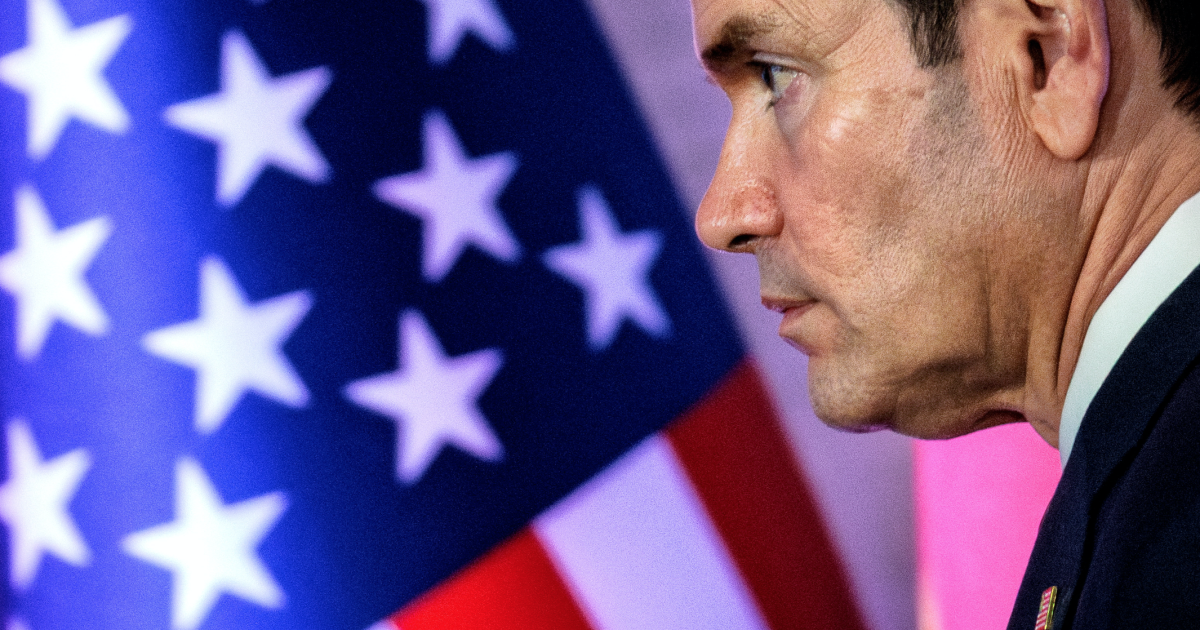
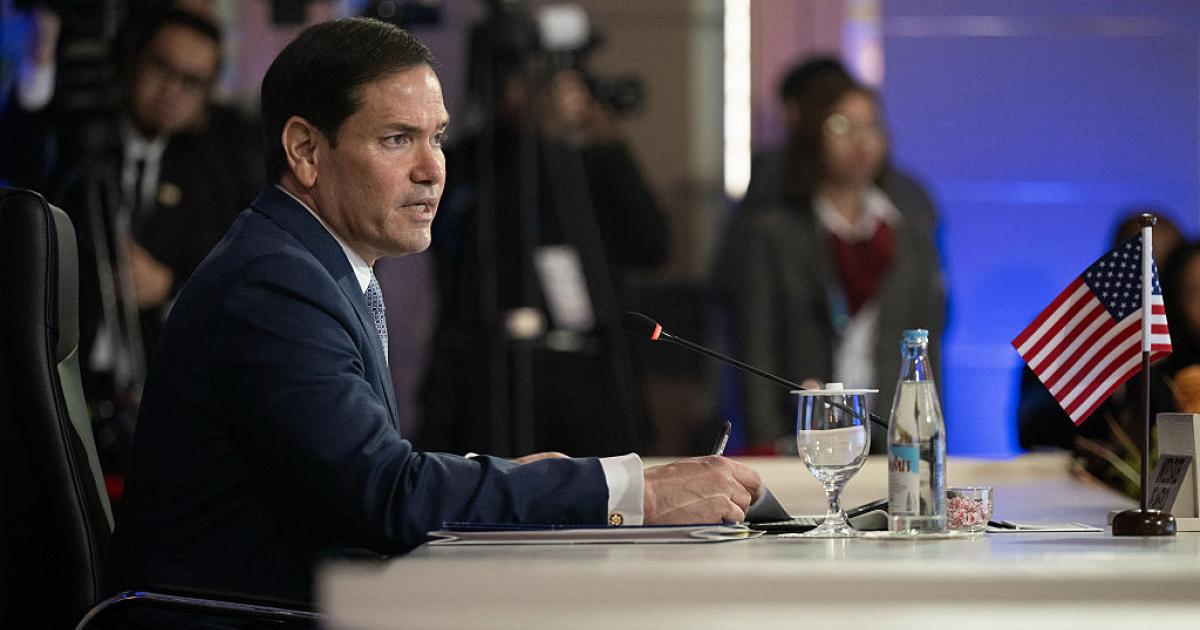
On the political front, Secretary of State Marco Rubio faced pressure from Democratic senators to ensure that no concessions would be made to Iran in exchange for opening the Strait. Rubio had previously stated that closing the Strait would unite the world against Iran, but reality showed significant hesitation from international allies to engage in direct military confrontation.
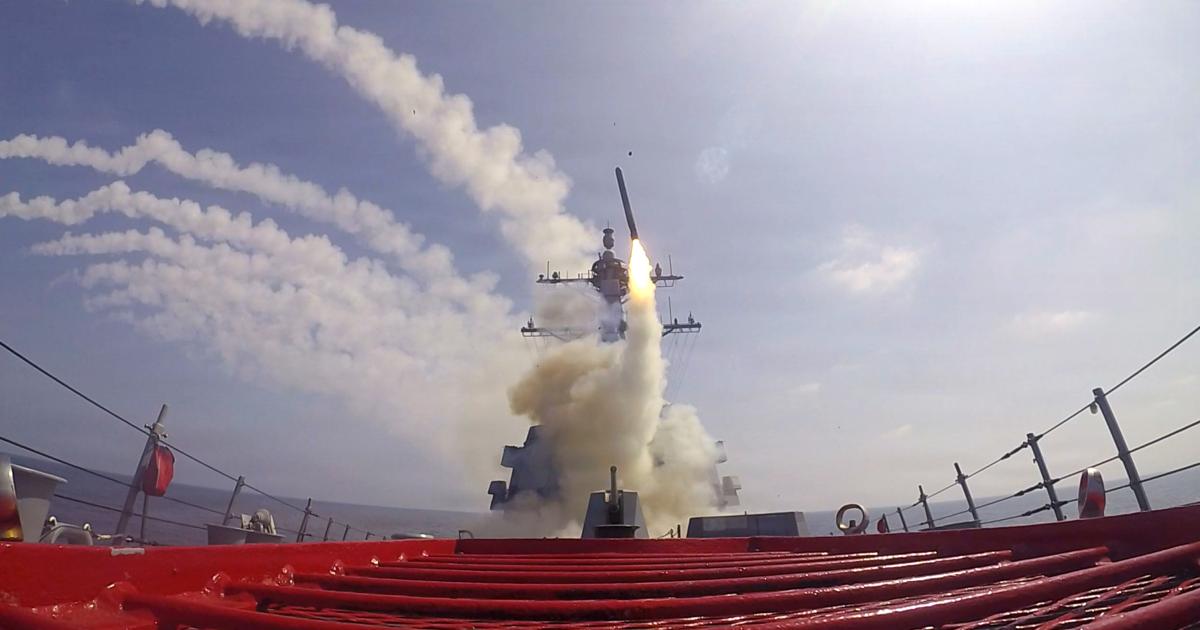
Despite Trump's announcement of warships escorting oil tankers, this step was not effectively translated on the ground due to the high risks. Washington's attempts to form an international coalition also encountered British and French conditions demanding a political agreement first, leaving the United States to face the crisis alone.
Saudi Arabia, according to the report, warned of the risks of military escalation spiraling out of control, which prompted Trump to backtrack on 'Operation Freedom' to rescue stranded tankers. This hesitation reflected the gap between the administration's escalatory rhetoric and its actual ability to secure international waterways in an unconventional war.
In conclusion, the newspaper stressed that any unilateral American attempt to open the Strait would require a large-scale ground and air operation to clear the Iranian coast of missile platforms and drones. This completely contradicts Trump's election promises to end 'endless wars' and avoid involvement in major military conflicts in the Middle East.
It is impossible to believe that Trump was surprised by the closure of the Strait; the more important question is why the administration was not prepared for this inevitable outcome?
Share your opinion
New York Times: Trump Administration Ignored Intelligence Warnings Preceding Iran's Closure of Strait of Hormuz