






US diplomatic efforts aimed at imposing a calm in Lebanon are facing serious challenges, as political interpretations varied regarding the recent announcement of a ceasefire between Israel and Hezbollah. Experts and analysts agreed that the next phase is fraught with significant security risks, especially given the wide gap between Washington's conditions and the aspirations of the parties on the ground.
In this context, Hezbollah's Secretary-General, Sheikh Naim Qassem, announced the party's categorical rejection of the US announcement regarding the situation in southern Lebanon. Qassem affirmed that military operations will not cease until a real and comprehensive ceasefire is achieved, including a clear schedule for the withdrawal of Israeli forces from Lebanese territories within a specific and unambiguous timeframe.
On the official Lebanese side, President Joseph Aoun considered the US announcement to be the 'last chance' that must be seized to avoid further destruction. Aoun held the parties rejecting the agreement fully responsible for future repercussions, indicating that the current situation can no longer tolerate further political maneuvers at the expense of the country's security.
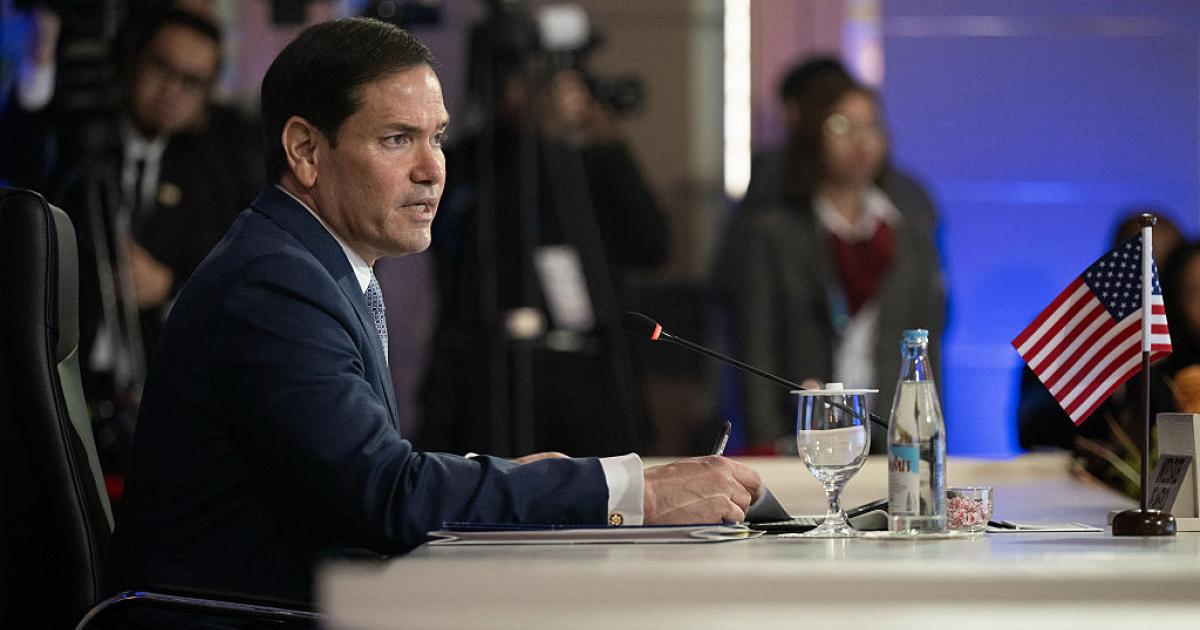
Washington had revealed a preliminary agreement between Israel and Lebanon to establish 'experimental zones' under the exclusive control of the Lebanese Armed Forces. This proposal, which came after a fourth round of negotiations in Washington, aims to exclude all non-governmental parties from military presence in those areas, amid intense internal debate in Israel about the feasibility of the agreement.
For his part, Professor of International Law Dr. Ali Fadlallah criticized the content of the US announcement, describing it as completely ignoring Lebanese sovereign interests. Fadlallah pointed out that Donald Trump's communication with Hezbollah through intermediaries days ago proves that military power on the ground is the primary driver of the negotiation process, away from traditional official channels.
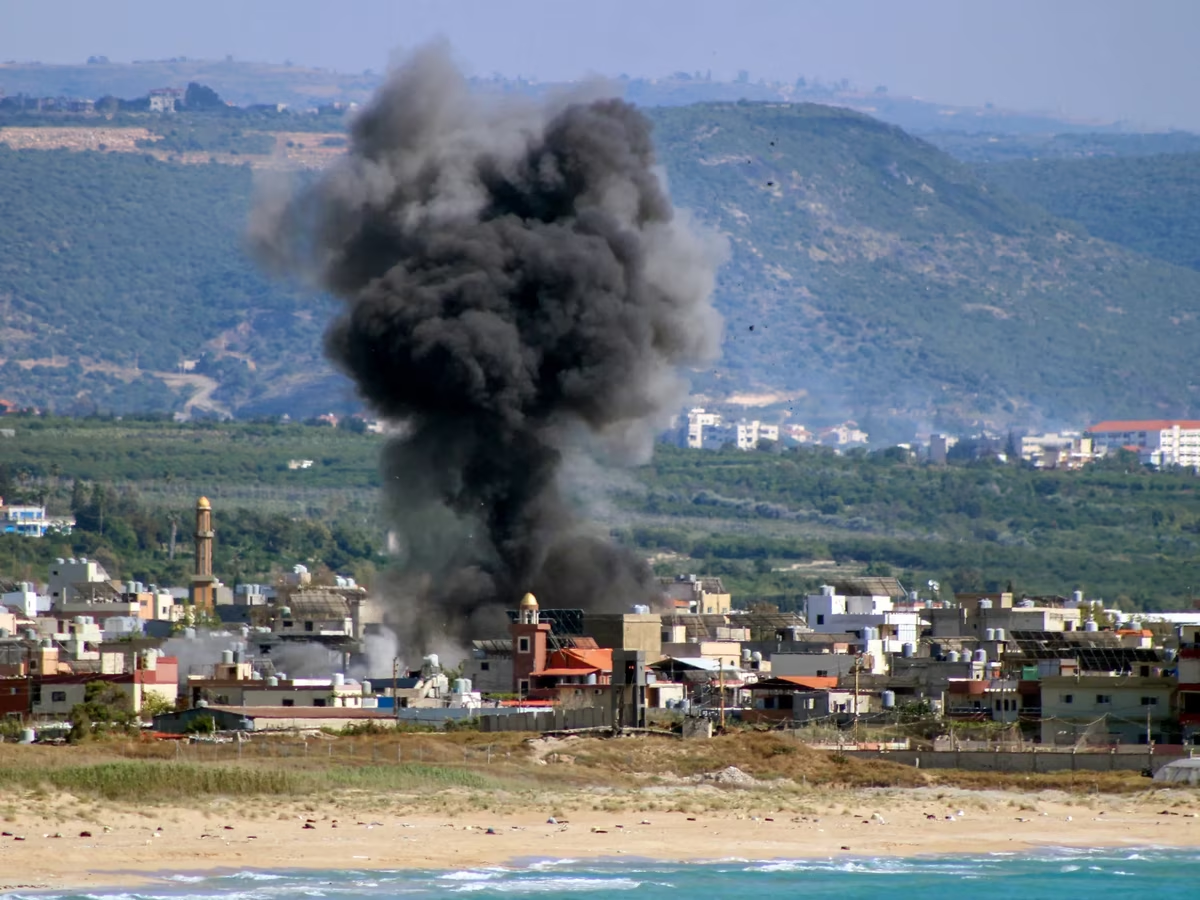
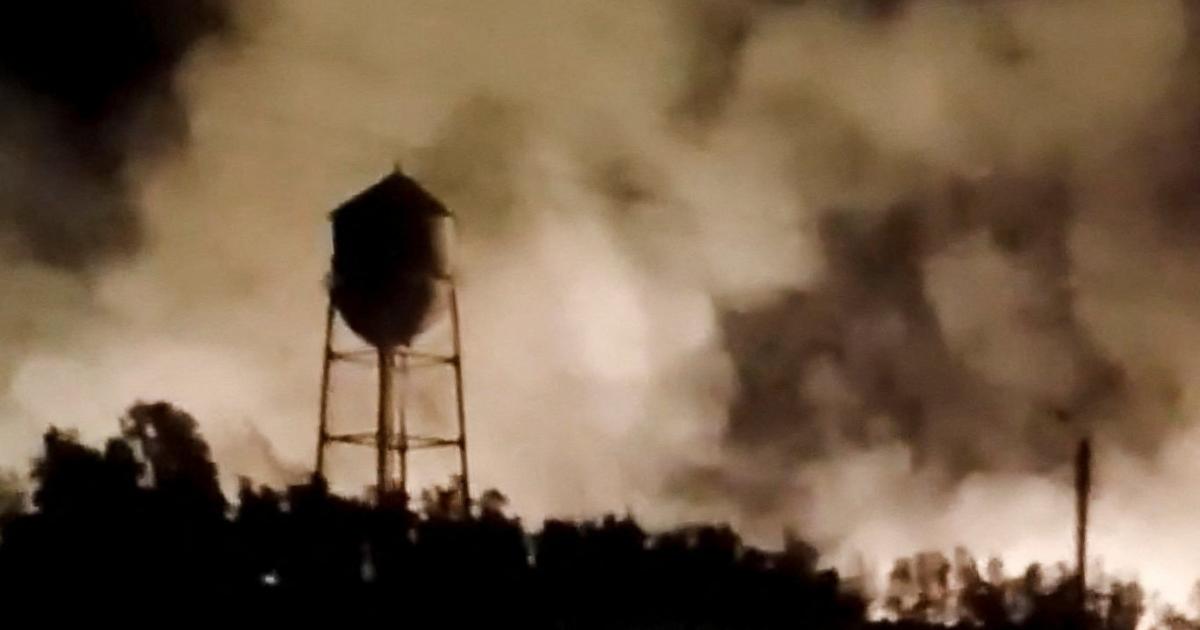
In an assessment of the field situation, academic Charbel Maroun described what is happening in the South as a true 'Lebanese catastrophe' by all humanitarian standards. Maroun explained that military operations have completely leveled 68 villages, in addition to the displacement of more than 120,000 citizens, and the fall of thousands of victims, both dead and wounded, in the absence of leverage for the negotiating delegation.
Data issued by military sources south of the Litani River indicate the extent of continuous Israeli violations, with the destruction of more than 11,000 homes documented since the end of last November. The sources confirmed that the continued shelling and the fall of hundreds of martyrs after previous truce announcements have eroded the Lebanese public's trust in any international promises that do not guarantee a complete withdrawal.
Regarding the regional role, observers noted the Iranian behavior, which only began to move effectively when the threat reached the heart of the capital Beirut and its southern suburbs. It appears that Tehran is seeking to establish its presence as an essential party in any 'grand bargain' planned by the US President, despite Washington's stated attempts to exclude it from arrangements for the future of the South.
Analysts concluded that reaching a sustainable truce at present seems almost impossible given the lack of alignment between the warring forces and the negotiating parties. With Israel's insistence on continuing field escalation and Hezbollah's rejection of US conditions, the Lebanese arena remains open to all escalatory possibilities in the coming days.
Hezbollah will not stop its operations until a real ceasefire is achieved and an Israeli withdrawal is scheduled within a specific timeframe.

Share your opinion
US efforts for a ceasefire in Lebanon falter amid Hezbollah's rejection and warnings of a field 'catastrophe'