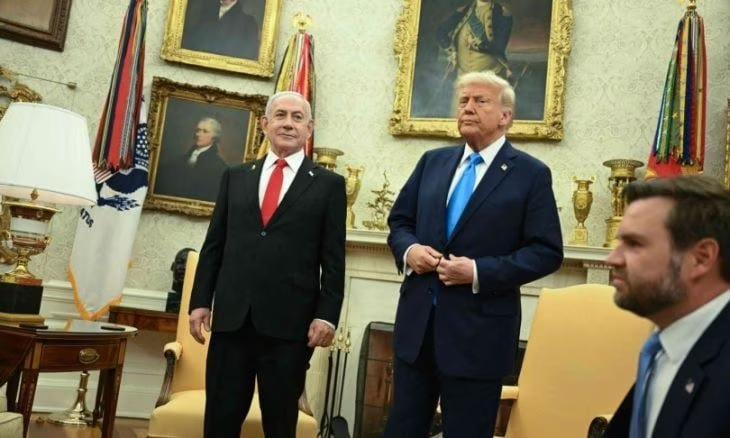







In a deep analytical reading, writer Richard Esko believes that the recent military attacks carried out by the United States and Israel against Iranian targets do not express an excess of power, but rather a behavior similar to 'dying animals' that become more ferocious in their final moments. The analysis indicates that the recent massacres, especially the targeting of educational facilities, reflect a state of strategic despair and a loss of moral and political compass.
The article touched upon the deadly airstrikes that occurred on February 28, 2026, where shells hit Iranian schools and resulted in the death of dozens of children. Esko considered these incidents not merely technical errors, but rather the product of 'tactical indifference' that is very similar to the ongoing genocide in the Gaza Strip, where the masks of shame from targeting civilians have fallen.
Regarding the internal situation in Iran, the analyst believes that the American and Israeli focus on assassinating leading figures, including news about the death of Ayatollah Ali Khamenei, stems from a superficial understanding of history and political reality. Power in Tehran is not linked to a single individual, but is rather the result of historical accumulations and resistance to Western interventions that began with the externally supported coup in 1953.
The analysis warned that turning leaders into 'martyrs' might grant the Iranian regime symbolic power that exceeds their influence while alive, complicating the task of protest movements and those demanding democracy internally. These groups now find themselves in an unenviable position, trapped between the pressures of the local regime and the bombs and missiles launched by international powers under the pretext of liberation.
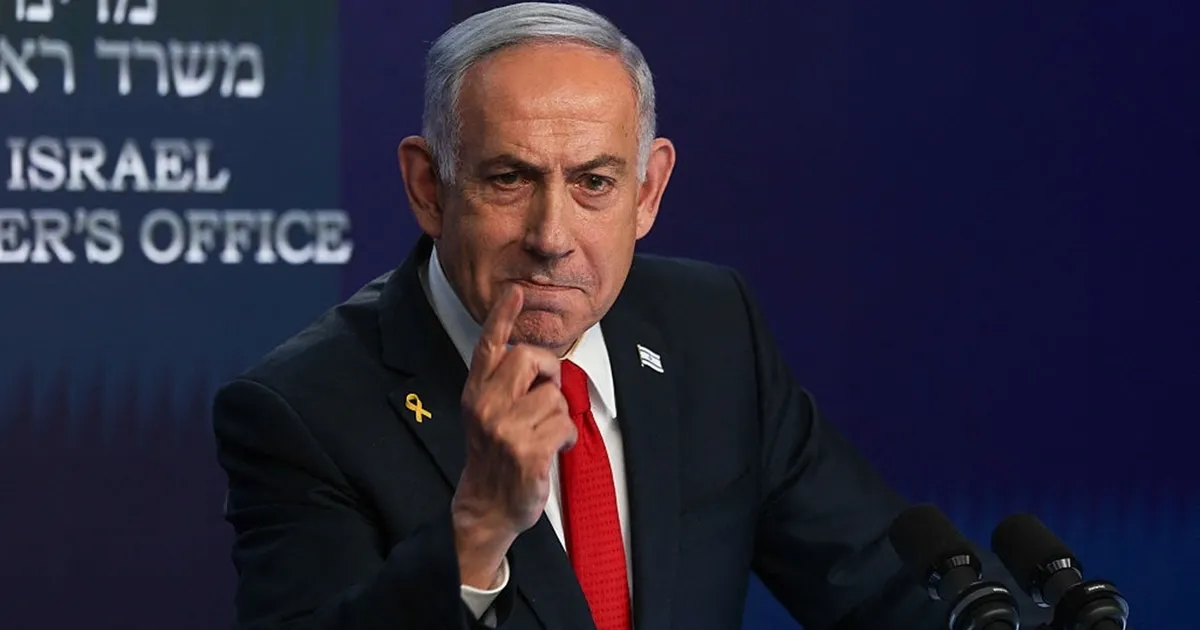
On the Israeli leadership front, the article painted a bleak picture of Benjamin Netanyahu's future, emphasizing that global public opinion, especially among younger generations in the West, has begun to radically change its view of Israel. It is increasingly described as an 'apartheid state,' making the continuation of the 'Land of Israel' project in its current form unsustainable in light of current geopolitical shifts.
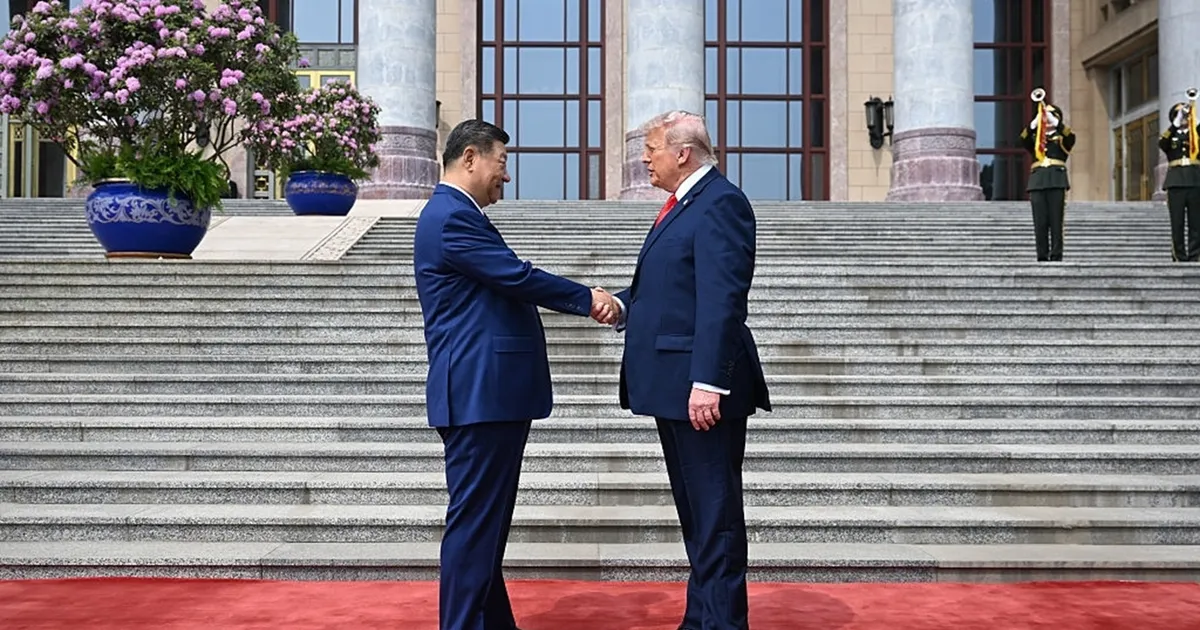
As for the American side, Donald Trump emerges as a representative of a political elite dominated by an existential panic over the loss of global hegemony that has lasted for decades. This elite attempts to compensate for its declining influence by increasing military spending to astronomical levels and adopting repressive policies, in a desperate attempt to stop the wheel of history that points to the rise of new powers and multipolarity.
The writer cited the philosopher Antonio Gramsci's quote about the 'twilight' phase the world is going through, where the old order dies while the new order struggles to be born. In this transitional phase, violent pathological symptoms appear, manifested in absurd wars and military aggressions that do not aim to achieve political victory as much as they aim to delay the inevitable fall.
The article described the United States as having transformed into a 'violent and miserable giant,' directing its people's wealth towards killing and destruction machines while the interior suffers from sharp class disparities and escalating social crises. The attack on Iran, according to Esko, is not a sign of imperial power, but rather a floundering similar to what great empires throughout history experienced before their final collapse.
The analysis concluded that 'time is running out' for leaders who feed on wars and perpetual conflicts to stay in power, whether in Washington or Tel Aviv. The brutality of the current attacks is the last price paid by innocents in a newly forming international reality, where geopolitics will not return to its former state no matter how intense the bombing.
In concluding his reading, Esko sent a message of solidarity with the victims in Palestine, Yemen, and Iran, emphasizing that the will of peoples and major historical transformations are stronger than war machines. He considered the current conflict to be the final throes of an old world order that refuses to acknowledge its end, making it more dangerous and deadly in its final days.
This is how dying animals behave; they do not intentionally seek out children to kill them, but rather strike indiscriminately in a desperate struggle against the inevitable.

Share your opinion
Analysis: Do the attacks against Iran reflect the floundering of 'dying empires'?