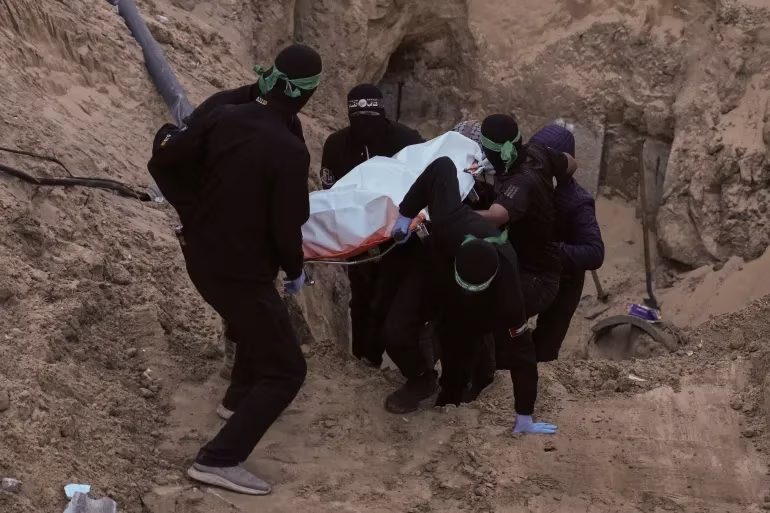







The Israeli occupation's announcement on Sunday of a wide-ranging operation to search for the body of soldier Ran Gozali, the last Israeli captive in the Gaza Strip, sparked a wave of widespread questions and controversy on social media platforms, amid skepticism about the timing and political motives of the move, linking it to increasing international pressure to move to the second phase of the agreement.
The announcement came hours after the Izz ad-Din al-Qassam Brigades, the military wing of the Islamic Resistance Movement (Hamas), confirmed that it had informed mediators of all available information regarding the location of the body, a development that brought the issue back to the forefront after months of stalemate.
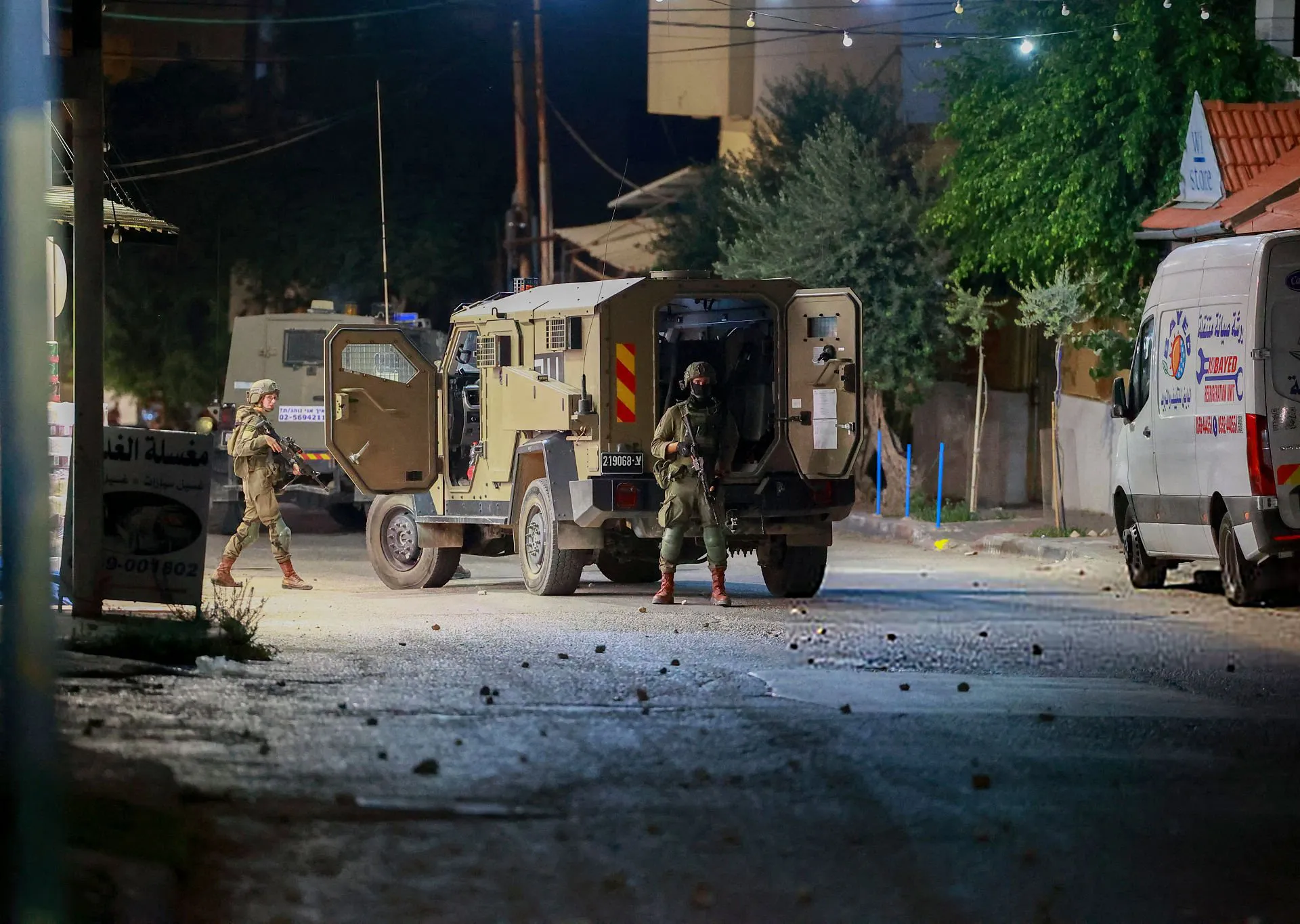
According to the office of Israeli Prime Minister Benjamin Netanyahu, the Israeli occupation army has been conducting an extensive search operation in the northern Gaza Strip since the end of the week, based on all available intelligence information, stressing that the search operations will continue as long as necessary.
In contrast, sources quoted sources as saying that the search efforts are currently focused on the Al-Zaytoun neighborhood in the southern Gaza City.
However, the timing of the announcement raised widespread questions, especially as it coincides with American statements about the imminent opening of the Rafah crossing, which led activists to link the movement of the body's file to the escalating international pressure to push the occupation towards implementing the requirements of the second phase.
Tweeters believe that reopening this file on the ground may mean its approaching end, which threatens the collapse of one of the most prominent pretexts used by the occupation during the past period to obstruct political and humanitarian entitlements, foremost among them the opening of the Rafah crossing.
In this context, tweeters indicated that the Israeli Ministerial Cabinet (the "Kabinett") decided not to open the Rafah crossing until the search operation for the body of the last Israeli soldier in Gaza is completed.
In contrast, Israeli sources confirmed that Tel Aviv had intelligence information about the location of the body about a month ago, but Netanyahu did not give the green light to start search operations at that time, due to what was described as the sensitivity of the location.
This information raised additional questions about whether the delay in launching the operation was due to actual security considerations, or to political gain from keeping the body's file open as a pressure card used by Netanyahu to obstruct the transition to the second phase of the agreement.
Activists saw that the wording of Netanyahu's office statement carried striking implications, especially its use of the phrase "making an effort to find the body," instead of making finding it a decisive condition, which was considered an indication of an Israeli retreat under American pressure, with Washington convinced that Hamas had provided all its information and efforts in this file.
Some also paused at the statement's use of the phrase "limited opening of the Rafah crossing," considering it an ambiguous description, as it means opening the crossing for people to cross only, without the entry of goods, and not a limited opening in terms of the number of crossers, in addition to the statement's talk of "Israeli supervision" without mentioning a military presence on the ground inside the crossing.
In light of these developments, activists wondered whether the arguments used by the occupation in recent months to obstruct the start of the second phase were about to run out, especially with the transfer of the body's file from the level of political statements to actual field research inside the Gaza Strip.
Observers believe that the occupation's ability to use the Israeli soldier's body file as a pretext is gradually declining, after the resistance, through mediators, handed over all its information about the location of the body, which prompted the occupation army to announce the start of search operations based on this data, in parallel with American statements confirming Washington's assessment of its location.
Activists considered that this development practically puts the file on its final track, and turns the issue of finding the body into a matter of time, which means that the pretext under which political and humanitarian entitlements were frozen is now threatened with collapse.
With the acceleration of international pressure, bloggers saw that the occupation is closer than ever to losing its last delaying tactics, and that the next stage may witness the announcement of finding the body, which reveals that the delay was not technical as much as it was a postponed political decision, at a time when demands to open the Rafah crossing and end the stalemate are escalating.
Ultimately, observers believe that moving the body's file on the ground, after months of stalemate, reflects a shift in the occupation's approach to this file, in light of increasing international pressure to push for the requirements of the second phase. They argue that the coming days will be crucial in testing whether this development will translate into practical steps on the ground, or will remain within the framework of time management and political maneuvering.
The timing of the announcement raised widespread questions, especially as it coincides with American statements about the imminent opening of the Rafah crossing.
شارك برأيك
Why does the search for the body of the last Israeli captive in Gaza raise questions?