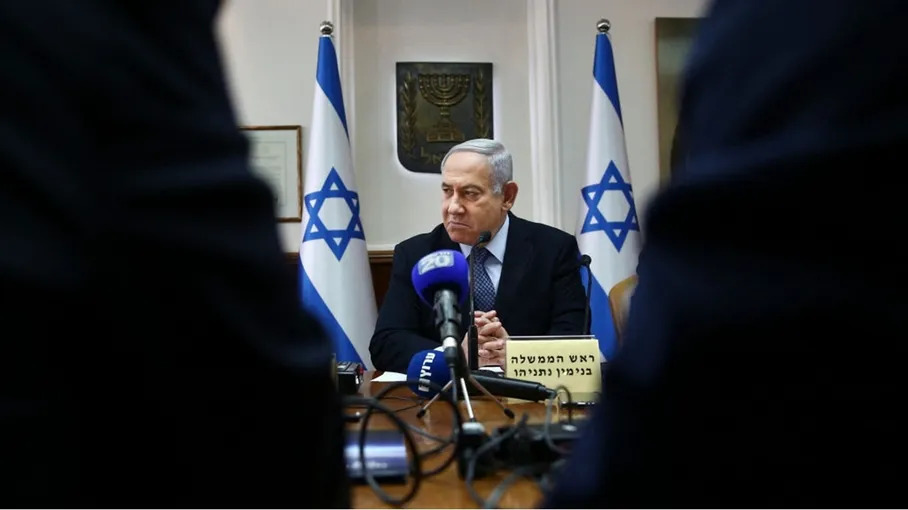







Reports have emerged indicating that Israeli Prime Minister Benjamin Netanyahu is facing unprecedented disagreements with his generals, making him the most contentious leader with his military leadership in Israel's history. This tension comes at a critical time as attention turns to a possible decision to reoccupy the Gaza Strip.
In the days leading up to the important security meeting, discussions were held regarding the possibility of reoccupying the territory or continuing with the current situation. Ultimately, a decision was reached that is considered a compromise, where the Israeli occupation army intends to take control of the last urban center in Gaza, which will lead to overcrowding of the remaining population.
The announced plan indicates that the occupation army will invade an additional 10% of Gaza's territory, exacerbating the humanitarian conditions for a population already suffering from crises. This decision comes after previous statements by Netanyahu about regaining full control over the strip.
The internal tensions between Netanyahu and his generals reflect the ongoing struggle between military and civilian leadership, with the belief that the army cannot achieve new strategic objectives. Some officers have indicated that any decision that ignores military assessments will have dire consequences.
Media leaks suggest that Netanyahu and his ministers pressured Chief of Staff Eyal Zamir to implement the plan to control Gaza, while Zamir expressed concerns about the risks that Israeli soldiers might face.
At the same time, National Security Minister Itamar Ben Gvir criticized Zamir for not adhering to government orders, reflecting a state of division within the Israeli government. Yair Netanyahu, the Prime Minister's son, also accused the army chief of attempting to carry out a military coup.
A number of retired officers from the occupation army met before the security meeting to urge Netanyahu to end the war, while Zamir took a strong stance on the importance of discussion within the army. Netanyahu, for his part, defended his decisions despite his reservations, emphasizing the importance of the army's independence.
Tensions between military and civilian leadership are not new, as Israel has witnessed similar conflicts in the past. However, the current situation could lead to serious international repercussions, with some officers concerned that a prolonged war will increase its isolation.
Under these circumstances, anxiety is growing among senior security officials that the extremist government may lead to a rebellion within the army, especially after Germany announced a halt to military equipment exports to Israel. This situation reflects the significant challenges facing Israeli leadership in making critical decisions.
The unusual internal conflict is disrupting Israeli decision-making in recent years.
شارك برأيك
Washington Post: Netanyahu is the prime minister with the most disagreements with his generals.