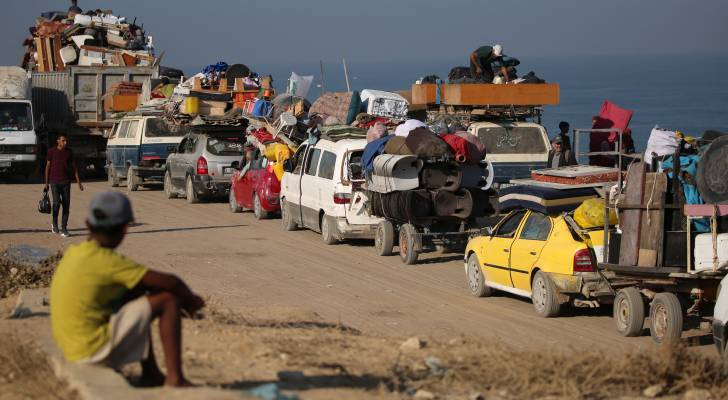
In late summer 2025, it became clear that Israel was not preparing for a limited and precise military operation against armed cells spread within a densely populated city, but rather was gearing up for a large-scale operation - in terms of personnel, equipment, and logistics - that starkly contrasts with the declared size of the threat. The simple and standard question remains: why mobilize tens of thousands of soldiers, brigades, armored vehicles, and intensive air, naval, and artillery support to storm an inhabited city? Is the goal really confined to "neutralizing" these fighters, or are there broader political and geographical aims that are reshaping Gaza geopolitically?
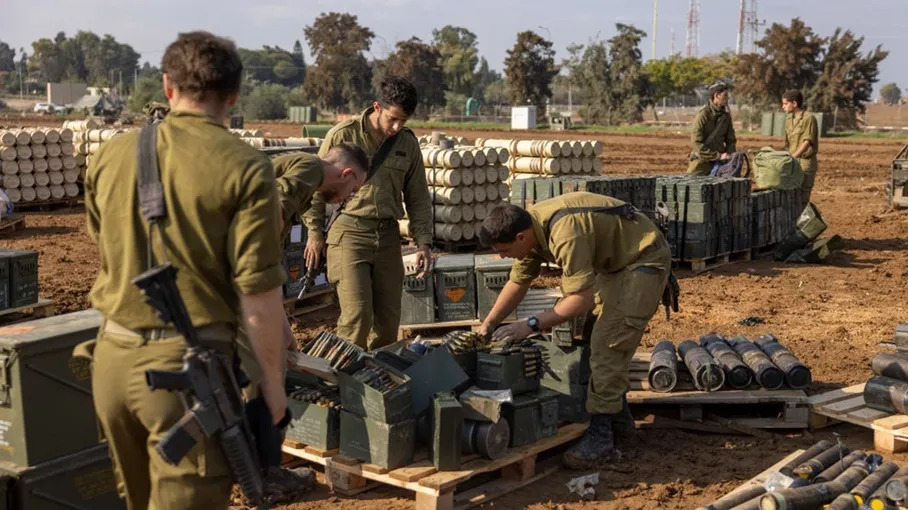
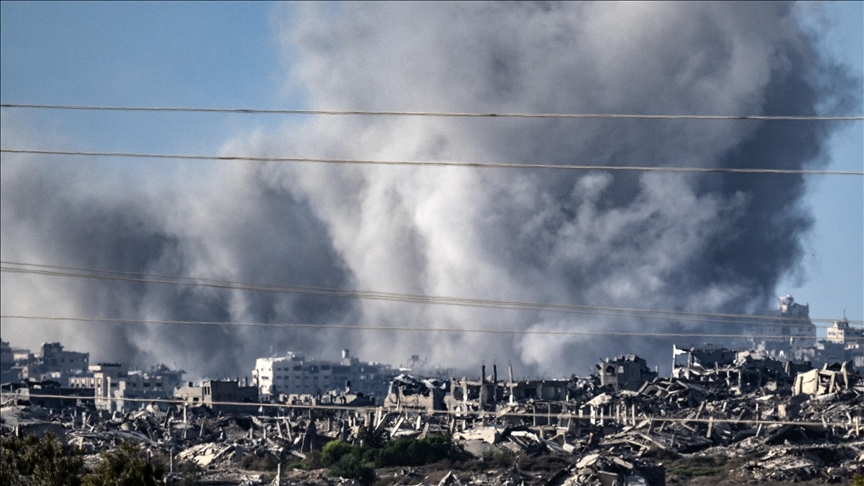
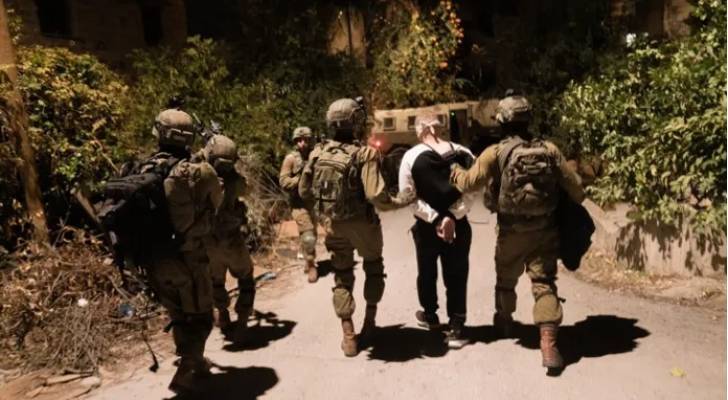
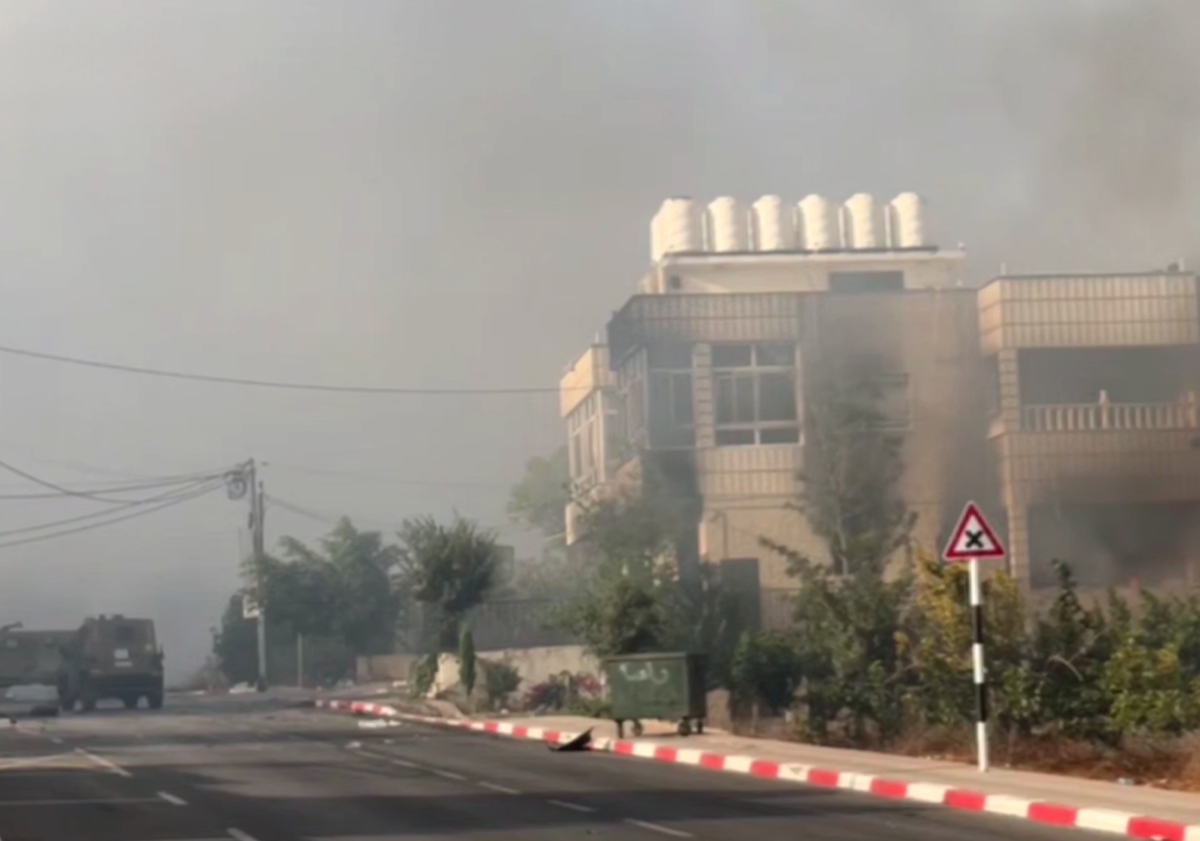
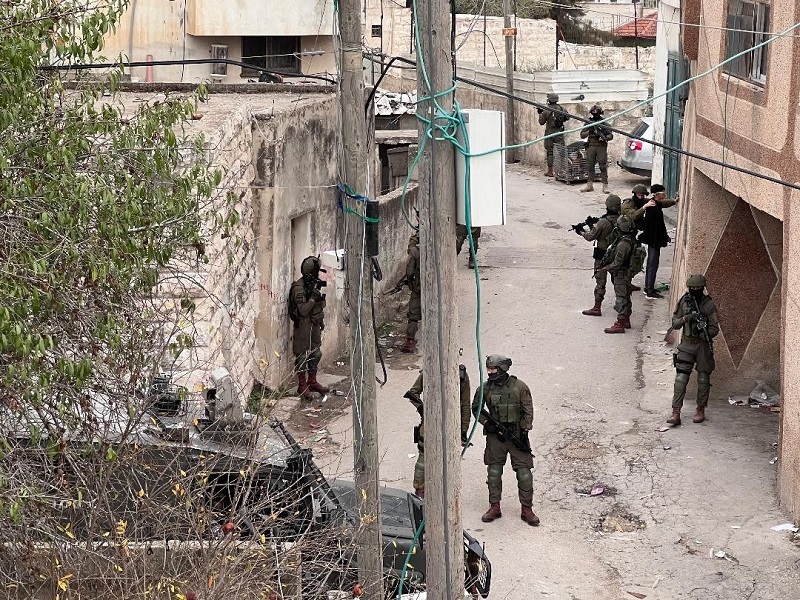
The Israeli army began an extensive ground operation to occupy the city of Gaza, currently focusing on storming and asserting control over the outskirts of the city's neighborhoods, with plans in three phases that include opening corridors, evacuating, and eliminating resistance hotspots. The main ground forces announced to be directly participating in the operations in Gaza City are the 98th Division, the 162nd Division, and the 36th Division (including regular and reserve elements), alongside the entry of other units in adjacent axes, with air, naval, artillery, and engineering support, accompanied by the mobilization of about 60,000 reservists to expand the city occupation operation.
In contrast, since the outbreak of the war on October 7, 2023, the figures regarding the size of Hamas's military force have remained widely debated. Initial estimates before the war indicated that the Izz ad-Din al-Qassam Brigades, the military wing of the movement, had between 25,000 to 30,000 fighters distributed throughout the Gaza Strip. As battles and intense bombardment continued, Israel announced that it had killed around 20,000 personnel, but independent observers questioned these figures and saw them as closer to propaganda estimates. More conservative international analytical estimates spoke of several thousand and even up to 20,000 fighters remaining in Gaza as a whole, with differences in the definition of "fighter" between regular elements and new recruits or fighters from other factions.
However, when we look specifically at Hamas's strength in the city of Gaza, which is currently under Israeli military attack, the numbers clearly shrink. Recent field reports from international military study centers and monitoring centers indicated that the number of fighters remaining within the urban boundaries of the city mostly ranges between 2,000 to 3,000 fighters, scattered across various neighborhoods and fortified in the network of tunnels beneath them.
In the history of wars, military tools are determined by the scale of the objective, and in the case of the Israeli attack on the city of Gaza, fighting an organized force within an urban pocket requires specialized units, precise intelligence, and low-cost operations politically and humanely as much as possible. For the sake of eliminating leadership or combat infrastructure, it is often sufficient to strike command centers, target specific supply lines, and conduct qualitative intelligence operations. However, what we see from extensive brigade and reserve mobilization, and the massive use of firepower in crowded urban neighborhoods, is more closely aligned with a goal that calls for emptying its population or redrawing the geography of the local demographics rather than merely weakening or eliminating a fighting force.
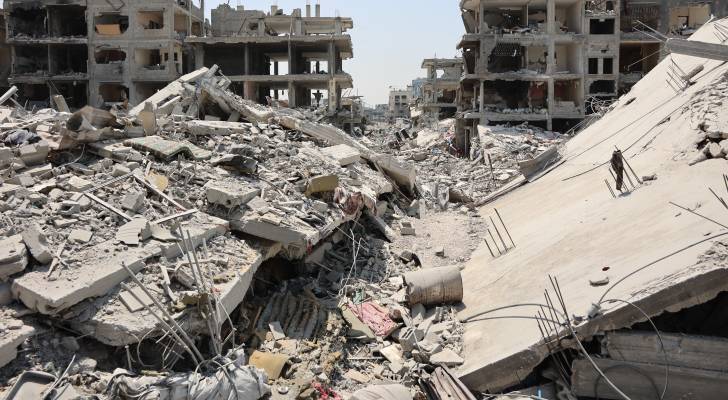
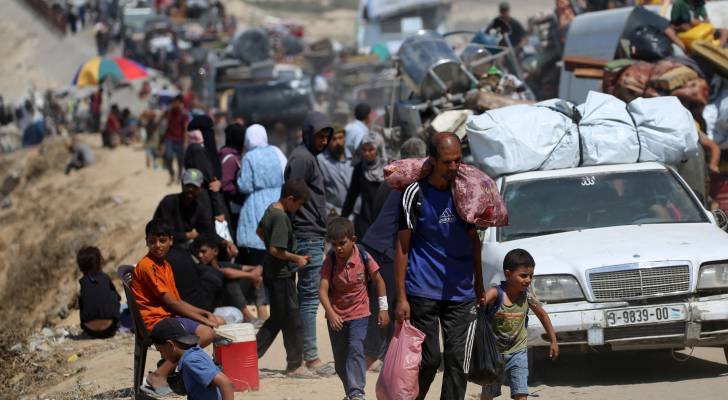
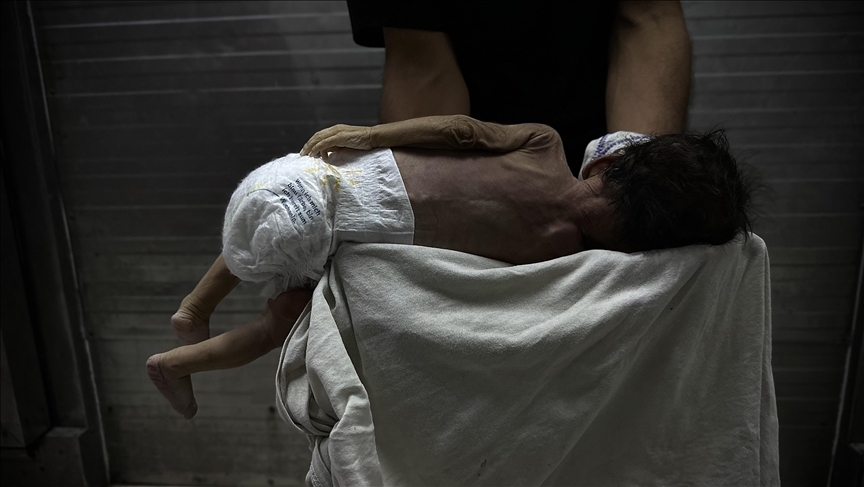
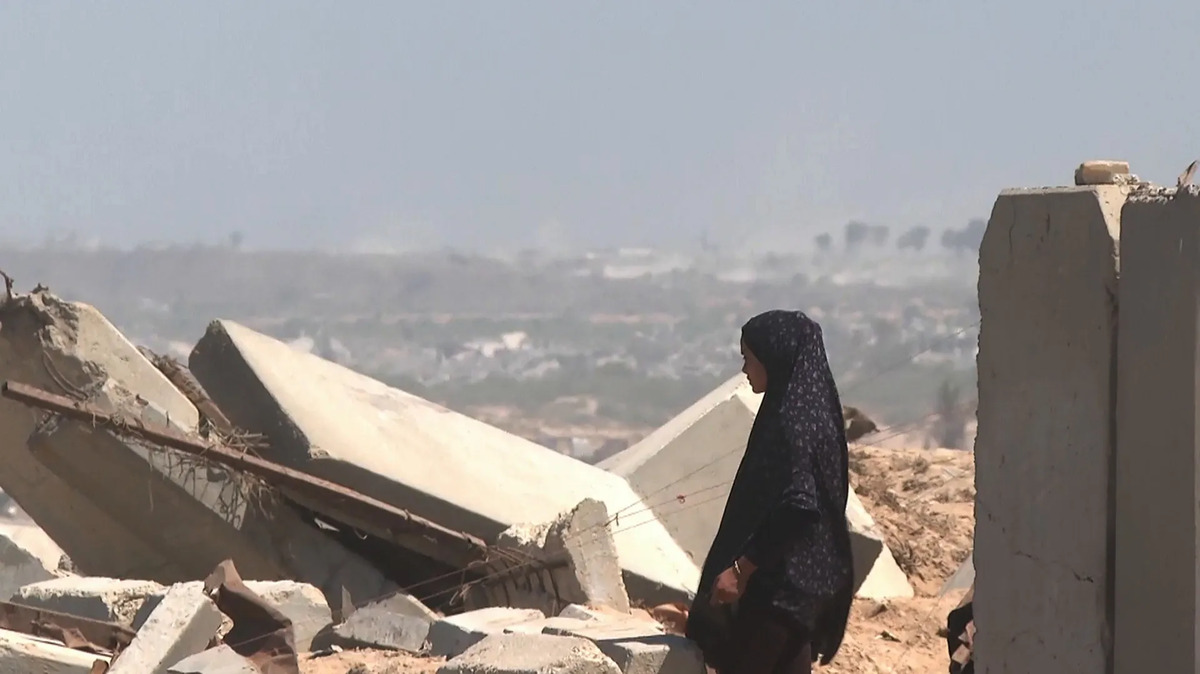
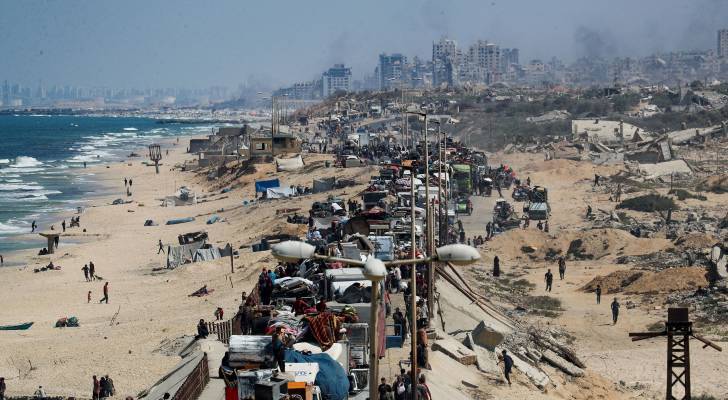
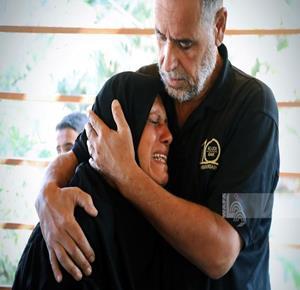
The extensive attack within a city as a crowded urban center will not only be a "battlefield," but will also mean widespread destruction of infrastructure, hundreds if not thousands of civilian casualties, and mass displacement. This reality is not measured solely by purely military standards, but entrenches long-term humanitarian crises: reconstruction projects that require years, psychological and social impacts that extend for generations, and the accumulation of feelings of revenge and hatred that generate continuously renewing resistance. If the goal is confined to eliminating the capabilities of an armed organization with a limited number, there are politically and humanely less costly and more tactically effective methods than this comprehensive confrontation.
Over the past months, proposals and analyses have emerged addressing "reconstruction" and population transfer or changing the shape of residential gatherings after the end of the conflict. Not all of these ideas are activated plans, but their repetition in decision-making circles and analyses creates a concerning context: envisioning a future that includes population redistribution or partial "resettlement" solutions that could practically mean long-term displacement for millions of people or pushing them out of the areas they have lived in for generations. These ideological lines, when intersecting with a structured and large military force, raise the hypothesis that militarization has goals that extend beyond "security" to "change" in the geographical and demographic reality.
Discussing the possibilities of understandings or negotiation spaces with regional countries or foreign administrations to create post-war arrangements - whether in the form of reconstruction aid with conditions or security and political coordination - does not necessarily mean an agreement on forced displacement, but it opens the door to scenarios that alter the balance of power on the ground. Egypt, for example, announced its refusal to receive large waves of displacement; however,