







The Palestinian bloodshed in the Gaza Strip has not ceased, despite more than half a year passing since the announcement of the supposed ceasefire. Field data confirms that the Israeli army continues to target the Strip with almost daily airstrikes and artillery shelling, coinciding with a continuous expansion of closed military zones.
Data from the Ministry of Health in the Strip indicates that 811 people have been killed and approximately 2278 others injured since the agreement came into effect on October 10, 2025. This reality proves that the war has not ended, but rather transformed into a new pattern aimed at exhausting the population and destroying the foundations of life.
On the humanitarian front, the occupation authorities are practicing what local officials describe as 'hunger engineering' by fully controlling the movement of goods. Israel deliberately reduces the number of trucks allowed to enter to less than half the number stipulated in the humanitarian protocols attached to the agreement.
Hassan Abu Riyala, Undersecretary of the Ministry of Economy in Gaza, stated that the occupation is entrenching a monopoly policy by restricting supplies to a limited number of traders. This measure has led to exorbitant price increases and a severe shortage of basic commodity stocks, threatening the collapse of food security for the residents.
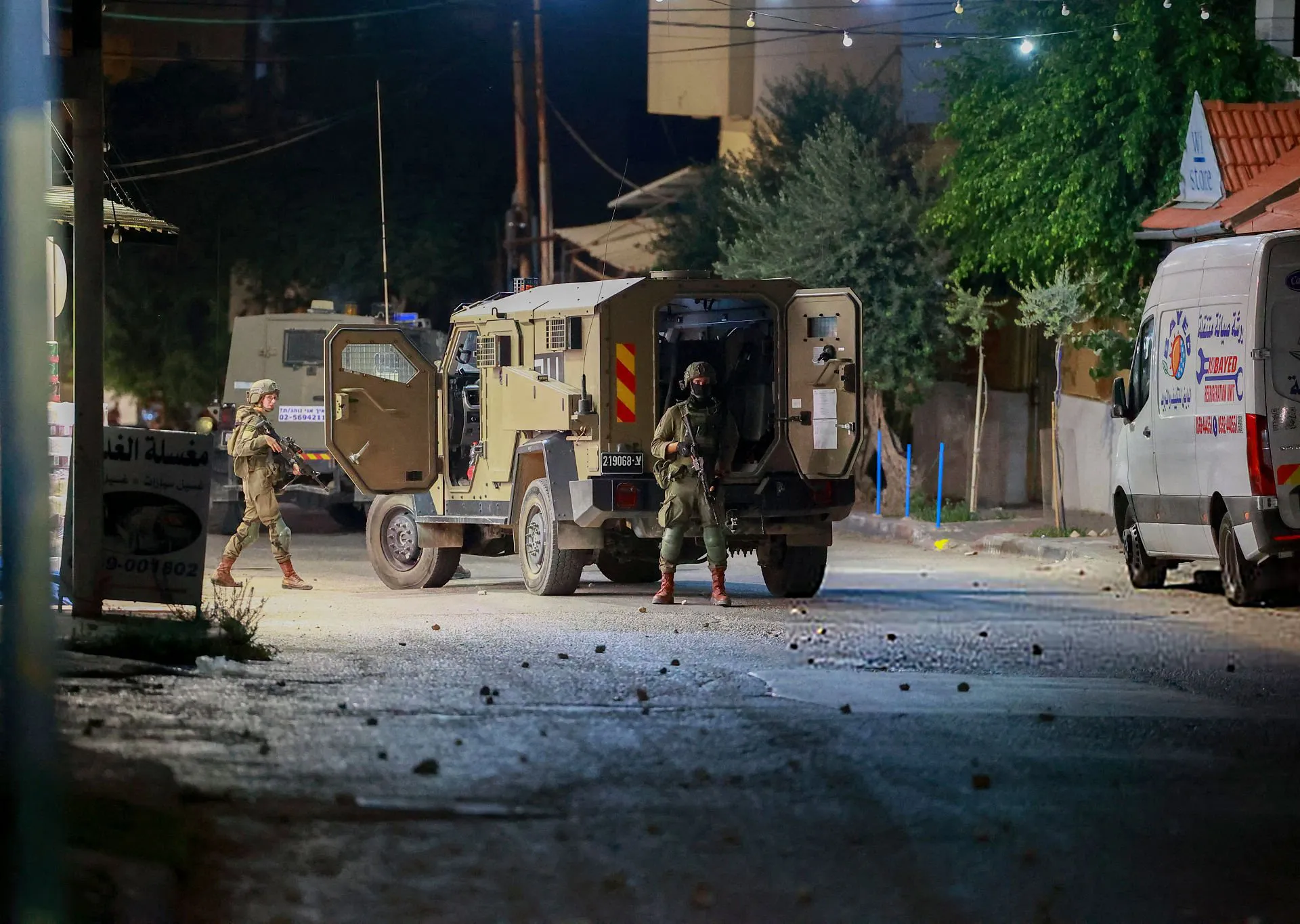
In the context of undermining internal stability, the Israeli army has intensified its direct targeting of Palestinian police officers tasked with protecting convoys and securing the internal front. The occupation recently admitted to assassinating six police officers under flimsy security pretexts without providing any evidence to support its claims.
Political analysts believe that targeting police personnel falls within an Israeli strategy aimed at pushing the Strip towards comprehensive chaos. Through these strikes, Israel seeks to make the living environment unsustainable, thereby pressuring the population towards forced displacement options.
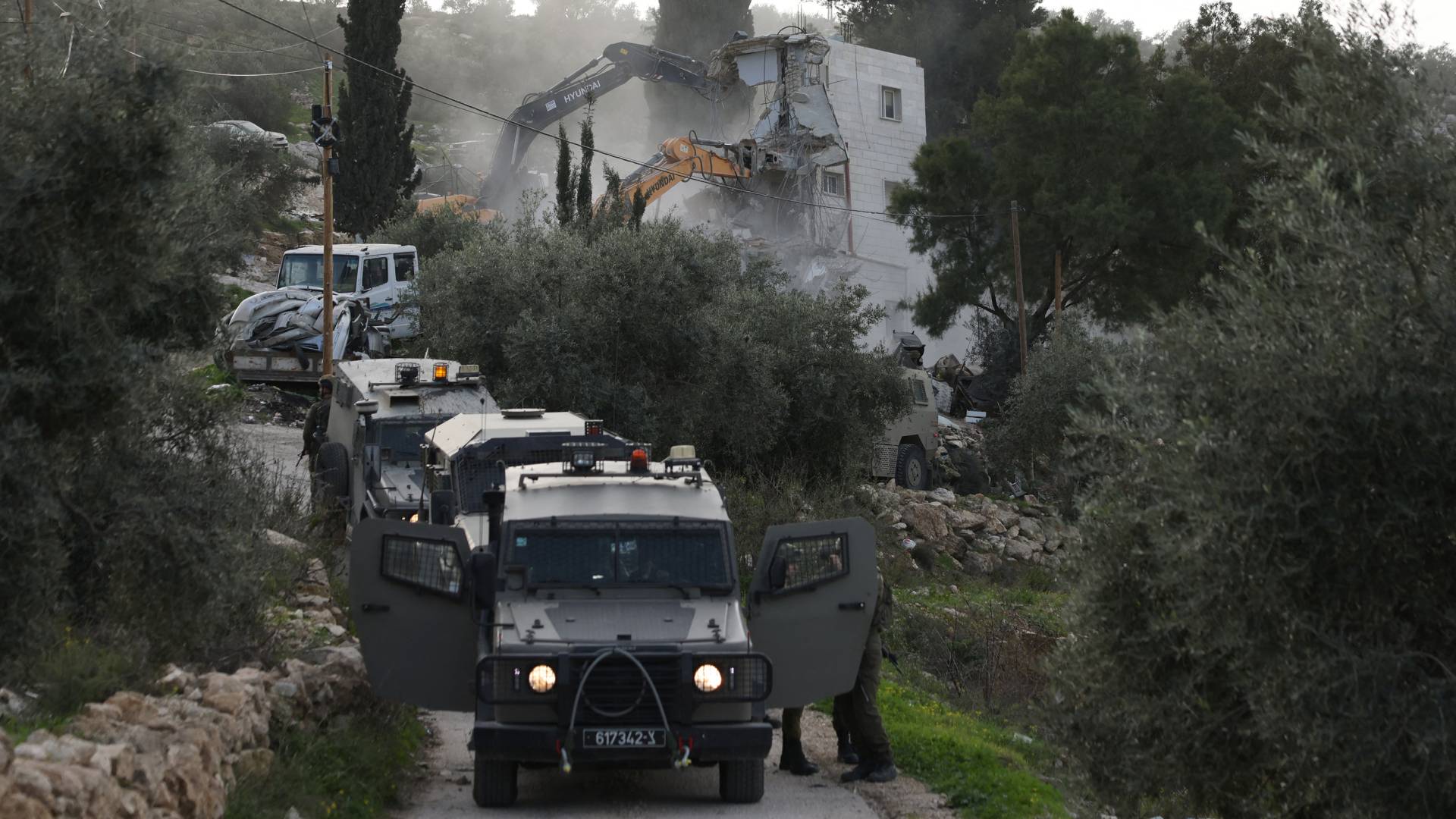
Geographically, the occupation is accelerating the pace of land encroachment through what is known as the 'Yellow Line,' a military belt extending up to seven kilometers deep. Recent movements have led to an additional 37 kilometers being encroached upon, bringing 60% of Gaza's area under direct military control.
This geographical expansion has transformed the Strip into isolated enclaves, where the army has erected yellow concrete blocks to define its permanent deployment areas. Despite the agreement stipulating a full withdrawal in the second phase, field indicators confirm the occupation's intention to remain permanently east of this line.
Politically, the 'National Committee for Gaza Management' faces complete paralysis due to Israel's categorical refusal to allow its members into the Strip. This committee, composed of 12 technocrat members, was formed under an international vision for reconstruction, but it has remained isolated in Cairo.
Experts in Israeli affairs confirm that preventing the committee's entry aims to prevent the return of any form of Palestinian civil or political administration. Tel Aviv wishes to maintain a status quo characterized by direct military occupation without bearing any responsibilities towards civilians.
In a remarkable field development, the role of armed militias cooperating with the occupation and active in areas adjacent to the Yellow Line has emerged. These groups use five focal points as their headquarters under the protection of the Israeli army, where they are used to carry out assassinations and gather intelligence.
These groups are considered part of the indirect control pattern that the occupation is testing to manage the security domain remotely. This method aims to create a state of psychological and social instability among citizens, while providing fire cover for collaborators when needed.
On the other hand, Israel continues to procrastinate in implementing the requirements of the second phase of the agreement, linking them to the condition of 'disarming the resistance.' Researchers believe that this condition is unrealistic and is used as a pretext to evade commitments related to opening crossings and comprehensive reconstruction.
In contrast, Palestinian forces adhere to their position rejecting disarmament in light of the continued occupation and military incursions. It appears that Gaza has entered a phase of 'sustainable conflict' where livelihoods and medical needs are used as political pressure tools amidst a fragile truce that is violated daily.
Israel uses the siege as a tool to torture the residents of Gaza, and completely controls the details of life to create a distorted economic reality.
شارك برأيك
Gaza Under the Weight of 'Sustainable War': Engineering Hunger and Expanding Military Control