







The thirty-second anniversary of the Ibrahimi Mosque massacre in Hebron arrives amid the bleakest atmosphere since the crime occurred in 1994, as the Israeli occupation continues to solidify its control over the holy site. That massacre, carried out by an extremist settler, was not merely a fleeting event, but rather a turning point that the occupation exploited to impose a new geographical and administrative reality aimed at obliterating the Islamic identity of the place.
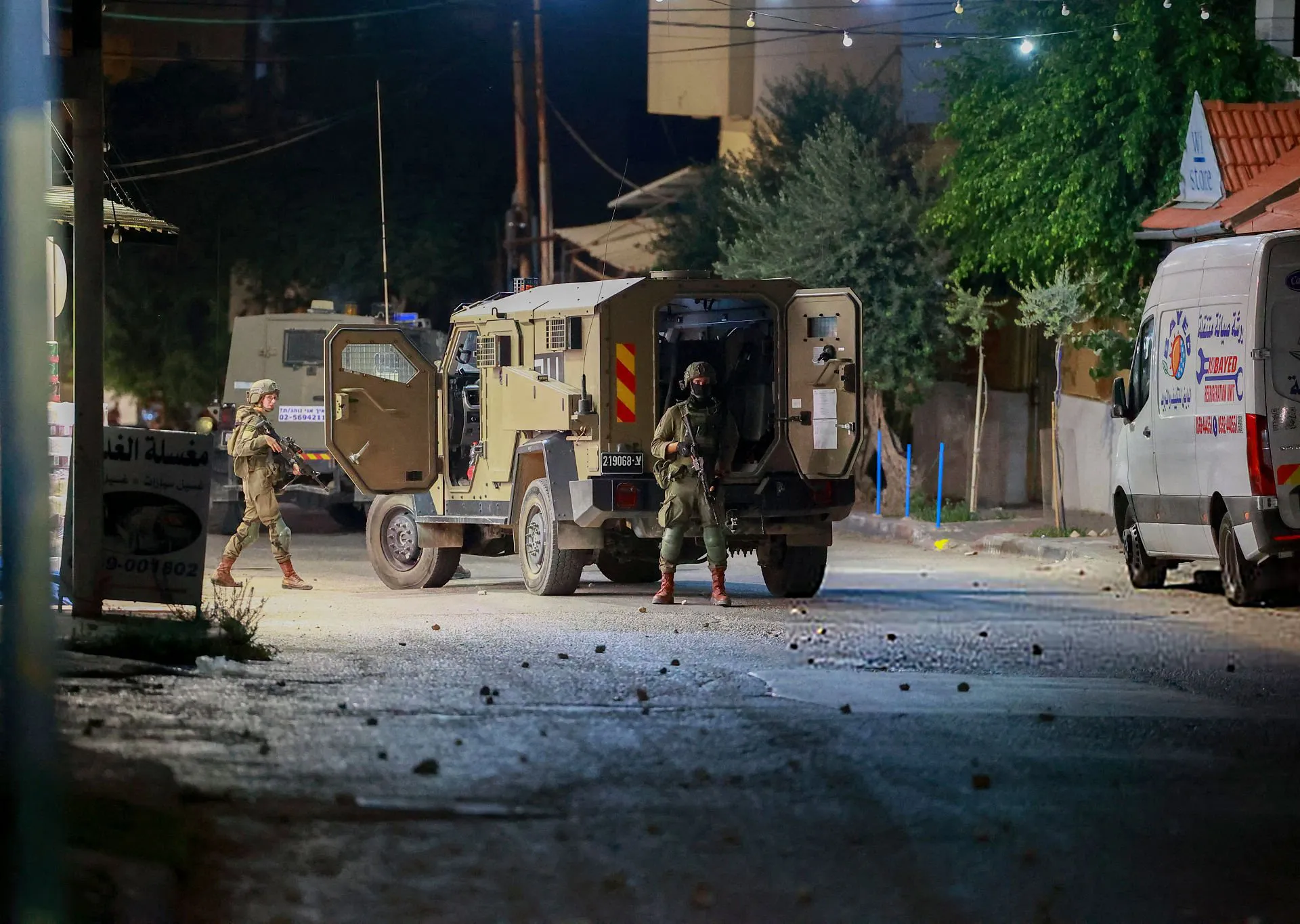
Sources reported that current Israeli policies have gone beyond the temporal and spatial division imposed after the massacre, reaching a stage of actual administrative annexation. This policy is manifested in denying Palestinian worshipers their most basic rights to practice religious rituals, amid strengthened military and settler presence in the heart of the Old City.
Hajj Husni Al-Rajabi, one of the survivors of the dawn massacre, recounts that the daily suffering currently experienced by Hebron residents surpasses in its severity what followed the massacre three decades ago. Al-Rajabi confirms that reaching the mosque now requires crossing a series of complex military checkpoints designed to drive Palestinians to despair and abandon the mosque.
Field reports indicate that the occupation authorities prevent the entry of essential supplies to the mosque during the month of Ramadan, including drinking water, dates, and necessary cleaning equipment. Imams and muezzins also face continuous harassment, with the muezzin being accompanied by soldiers, and the call to prayer being arbitrarily prohibited at specific times.
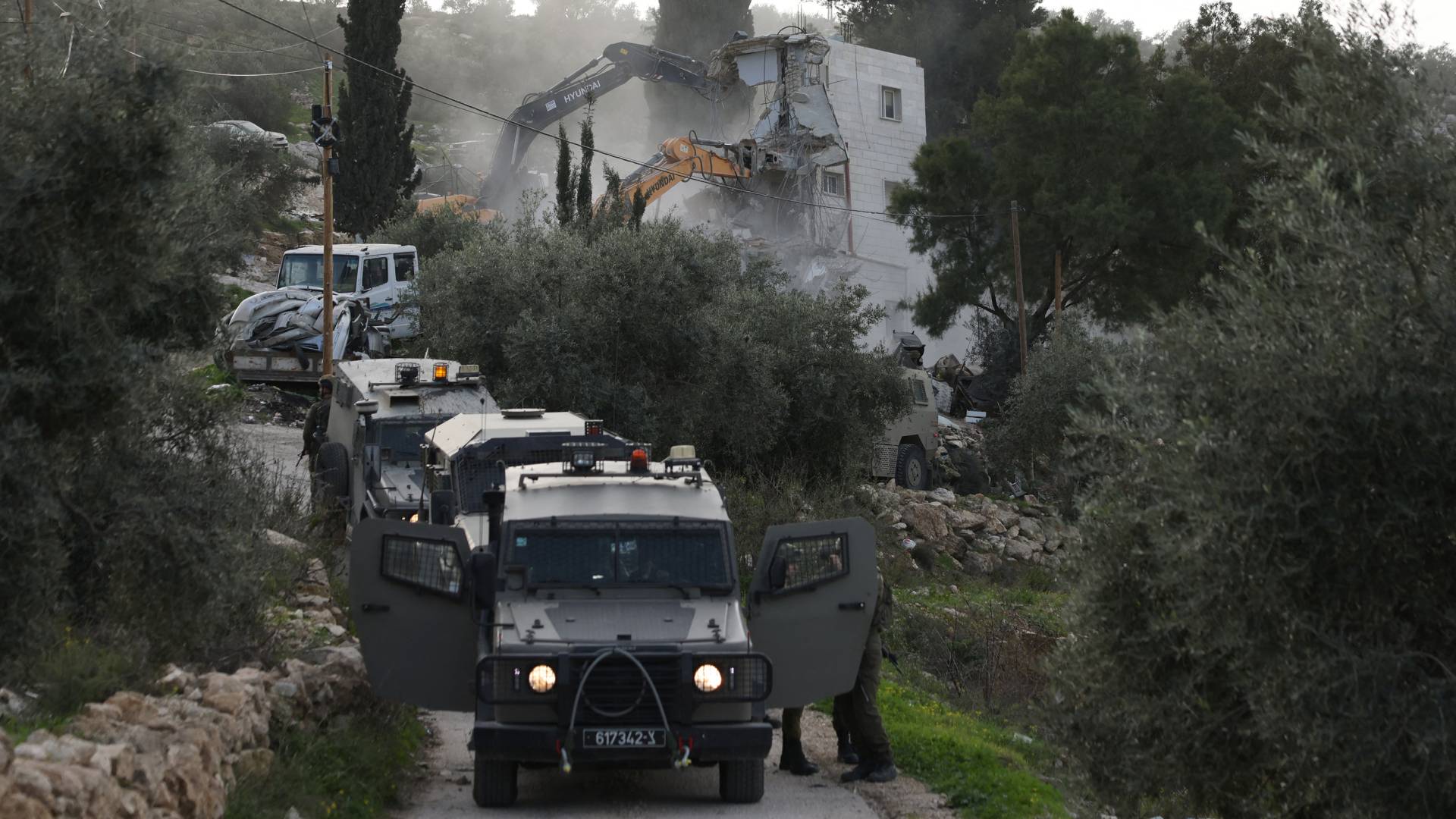
In a serious development in February 2026, the occupation authorities announced a package of measures granting them extensive civil and administrative powers within Palestinian cities. These decisions included transferring the powers of issuing building permits and approving projects in Hebron from the Palestinian Authority to the military administration of the occupation.
Observers believe that these legal steps represent the culmination of decades of attempts to completely transform the Ibrahimi Mosque into a Jewish synagogue. These new powers allow the occupation to make structural changes in the mosque without the need for coordination with the Islamic Endowments or the Hebron Municipality.
Historically, the change in reality in the Ibrahimi Mosque began after the 1967 occupation, when a synagogue was established inside the complex for the first time, followed by the establishment of the 'Kiryat Arba' settlement. Since then, the pace of incursions and attacks has escalated, reaching its bloody peak in Ramadan 1994 when 29 worshipers were martyred by a settler's bullets.
The Israeli investigation committee formed after the massacre recommended dividing the mosque and granting settlers control over two-thirds of its area, which Palestinians reject outright. This decision also led to the closure of Shuhada Street, which was the vibrant commercial heart of Hebron, causing economic and social paralysis.
Local sources confirm that the number of worshipers able to reach the mosque has decreased by 50% as a result of the strict security measures. Citizens are forced to take mountainous and winding roads to avoid the permanent checkpoints that separate the city's neighborhoods from each other and choke the Old City.
The mosque's director, Sheikh Moataz Abu Sneineh, explained that the occupation is racing against time to impose new material realities on the ground, especially after the events of October 2023. He pointed out that the violations included placing locks on rooms and gates inside the mosque, and preventing employees from carrying out their administrative and religious duties.
Despite UNESCO's listing of Hebron's Old City on the World Heritage in Danger list in 2017, the occupation disregards all international resolutions. Archaeological excavations and settlement projects continue around the mosque, threatening the safety of the ancient historical structure.
International human rights organizations describe the situation in Hebron as an embodiment of the apartheid system, where a few hundred settlers enjoy the protection of thousands of soldiers. In contrast, thousands of Palestinians live in the 'H2' area under strict movement restrictions that prevent them even from using their main streets.
The occupation was not content with spatial control, but also pursued religious and administrative figures responsible for the mosque through repeated expulsion orders. These decisions affected Sheikh Abu Sneineh and the head of the custodians, in a clear attempt to empty the mosque of its religious leadership and facilitate its control.
The Ibrahimi Mosque remains a testament to the steadfastness of Palestinians in the face of continuous attempts at displacement and Judaization for decades. Despite all military and legal measures, the people of Hebron insist on remaining in their mosque, affirming that sovereignty over the sanctuary is a pure Islamic right that does not lapse with time or occupation decisions.
The scale of attacks and violations since October 2023 surpasses anything we have witnessed since the 1994 massacre, and there is a clear acceleration in attempts at control and domination.
شارك برأيك
The Engineering of Judaization in the Ibrahimi Mosque: Three Decades of Siege and Escalating Israeli Sovereignty