







The head of the Islamic Resistance Movement (Hamas) abroad, Khaled Mishal, reiterated the movement's adherence to its positions rejecting any political arrangements that include disarming the resistance or imposing foreign rule on the Gaza Strip. Mishal affirmed during his participation in the 17th Doha Forum today, Sunday, that the movement is open to realistic approaches based on mutual international guarantees, not on stripping the resistance of its defensive tools.
Mishal considered that the proposals calling for disarmament do not represent a genuine international will, but rather a purely Israeli vision being marketed in international forums to circumvent the rights of the Palestinian people. He clarified that Palestinian weapons are a comprehensive national issue that does not concern a specific faction, stressing that resistance is a legitimate right guaranteed by international laws and divine laws for peoples under occupation.
The head of the Hamas movement abroad revealed that the movement, through mediators in Qatar, Egypt, and Turkey, has presented formulas and initiatives that include a long-term truce and the establishment of clear international mechanisms to prevent future military escalation. He indicated that the real guarantee lies in not using or displaying these weapons, rather than seizing them from the hands of a people facing continuous threats from the Israeli occupation.
Regarding the future administration of the Strip, Mishal stressed the rejection of any form of external guardianship or attempts to reproduce the mandate in modern forms. He said that the task of managing Palestinian affairs falls on the leadership of the Palestinian people with all its living forces, emphasizing that 'Gaza is for its people and Palestine is for its people,' and there is no place for any foreign administration to impose its will on the Gazans.
On the humanitarian front, Mishal called on the international community and the Peace Council to adopt a balanced approach that ensures an end to the suffering in the Gaza Strip and the immediate start of reconstruction operations. He demanded the full and permanent opening of the Rafah crossing to ensure the flow of relief aid and provide shelter for residents facing harsh conditions as a result of the ongoing aggression and Israeli violations.
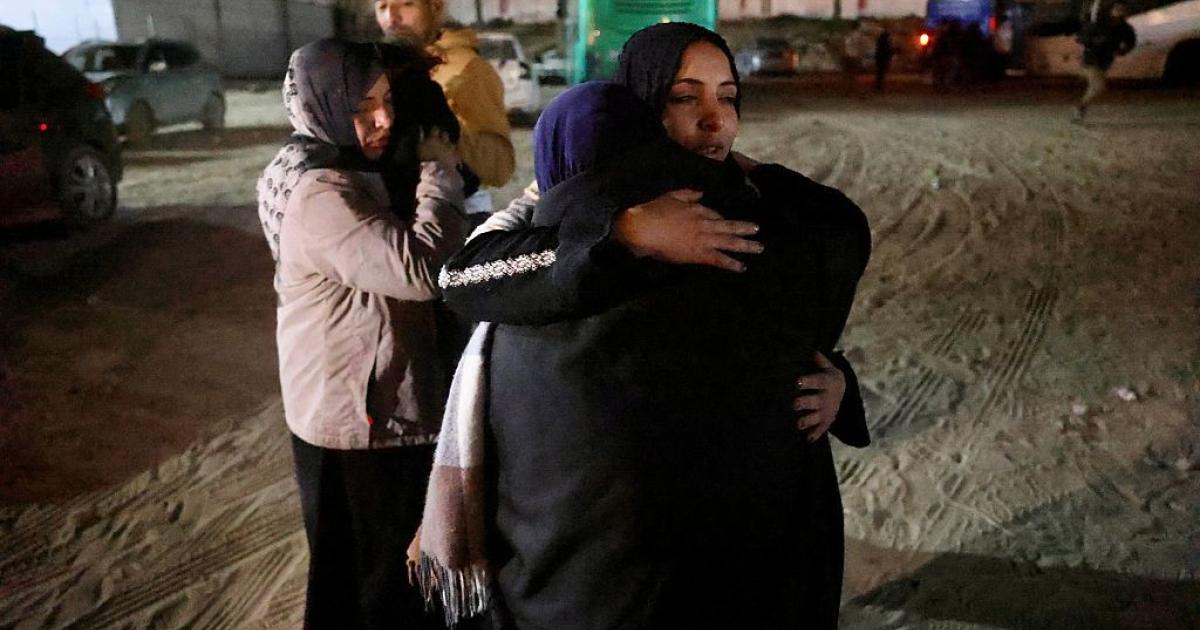
On the ground, the Rafah border crossing is witnessing a escalating humanitarian crisis with hundreds of sick and wounded Palestinians queuing, waiting for their turn to travel and receive treatment abroad. Despite the resumption of work at the crossing in both directions, complex procedures and strict restrictions prevent the departure of critical cases that require urgent medical intervention unavailable within the besieged Strip.
Government media sources in Gaza reported that the Israeli occupation authorities continue to obstruct the travel of the vast majority of the wounded, refusing the departure of large numbers of them without clear reasons. The sources explained that no more than 50 patients are allowed to leave daily, which is a very small number compared to the enormous medical needs in the Strip.
The spokesperson for the Government Media Office, Tayseer Muhaysen, indicated that there are about 19,500 patients who have been medically referred under the supervision of the World Health Organization, but they remain stranded awaiting Israeli approval. Muhaysen warned that the current pace of travel means that the Strip will need many years to resolve the issue of the wounded and sick, threatening the lives of thousands of them.
Muhaysen also pointed out that the occupation authorities follow complex inspection and verification mechanisms, often leading to half of the applicants for travel being sent back and prevented from leaving at the last minute. He described these measures as part of the collective punishment policy practiced by the occupation against the approximately 2.2 million residents of the Gaza Strip.
In a related context, the Government Media Office warned of the occupation's attempts to find field tools and collaborating Palestinian militias to control the reality of the Strip and control the movement of crossings. The sources confirmed that the occupation seeks to use these elements to harm Palestinians returning to Gaza and create a state of security chaos to destabilize internal stability.
These developments come at a time when international pressure to open humanitarian corridors permanently is increasing, as the health system in Gaza faces a near-total collapse due to a lack of medical supplies and fuel. Palestinian appeals to the international community continue, emphasizing the need for intervention to pressure the occupation to lift restrictions on the movement of individuals and goods through the Rafah crossing.
In conclusion, the political stance of the Hamas movement and the deteriorating humanitarian situation in Gaza remain two interconnected issues that pose significant challenges to international mediators. With the movement's insistence on its national constants and its rejection of external dictates, the humanitarian crisis remains hostage to Israeli policies that use crossings as a tool for political and military pressure.
The Palestinian governs the Palestinian, Gaza is for the people of Gaza and Palestine is for the people of Palestine, and we will not accept foreign rule or international guardianship.
شارك برأيك
Mishal rejects disarmament and foreign rule in Gaza, and a worsening humanitarian crisis at the Rafah crossing