







With the advent of the blessed month of Ramadan in 2026, data released by industry observers and the international boycott movement revealed a sharp escalation in attempts by date exporters in occupation settlements to circumvent comprehensive boycott campaigns. The figures show a shocking gap in statistics, where declared production is about 8,800 tons annually, while export quantities exceed 35,000 tons, meaning that approximately 26,000 tons are supplied from illegal settlements.
The misleading strategy adopted by exporters relies on complex techniques to conceal the true origin of the products, where dates are transferred to intermediate centers for repackaging and labeling with misleading names such as 'Mediterranean Basin products'. These operations aim to launder the product's identity and facilitate its entry into European and Arab markets that impose strict restrictions on products from settlements established on occupied territories.
The forgery operations go beyond merely changing labels to complete visual 'identity theft', through the use of designs that mimic Palestinian cultural heritage and the employment of Arabic calligraphy and religious symbols such as crescents. Misleading labels bearing the phrase 'Packed in Palestine' are also placed to deceive consumers, in addition to manipulating barcodes to disable the ability of smart boycott applications to detect the true source.
Informed sources reported that exporters also resort to mixing limited quantities of original Palestinian dates with settlement produce in small proportions, in order to bypass inspection and border control procedures. The religious sentiments of Muslims during the holy month are also exploited by launching brands with names that suggest sanctity, such as 'Holy Land Dates', in an attempt to break the intensity of public rejection of these products.
In the face of this wave of deception, global boycott campaigns have issued strong warnings to consumers about the need to be wary of specific brands proven to be involved in marketing settlement produce, most notably 'Jordan River' and 'King Solomon'. In contrast, these campaigns called for strengthening support for verified Palestinian producers who face economic restrictions, emphasizing the importance of checking reliable brands such as 'Zaytoun' and 'Yaffa'.
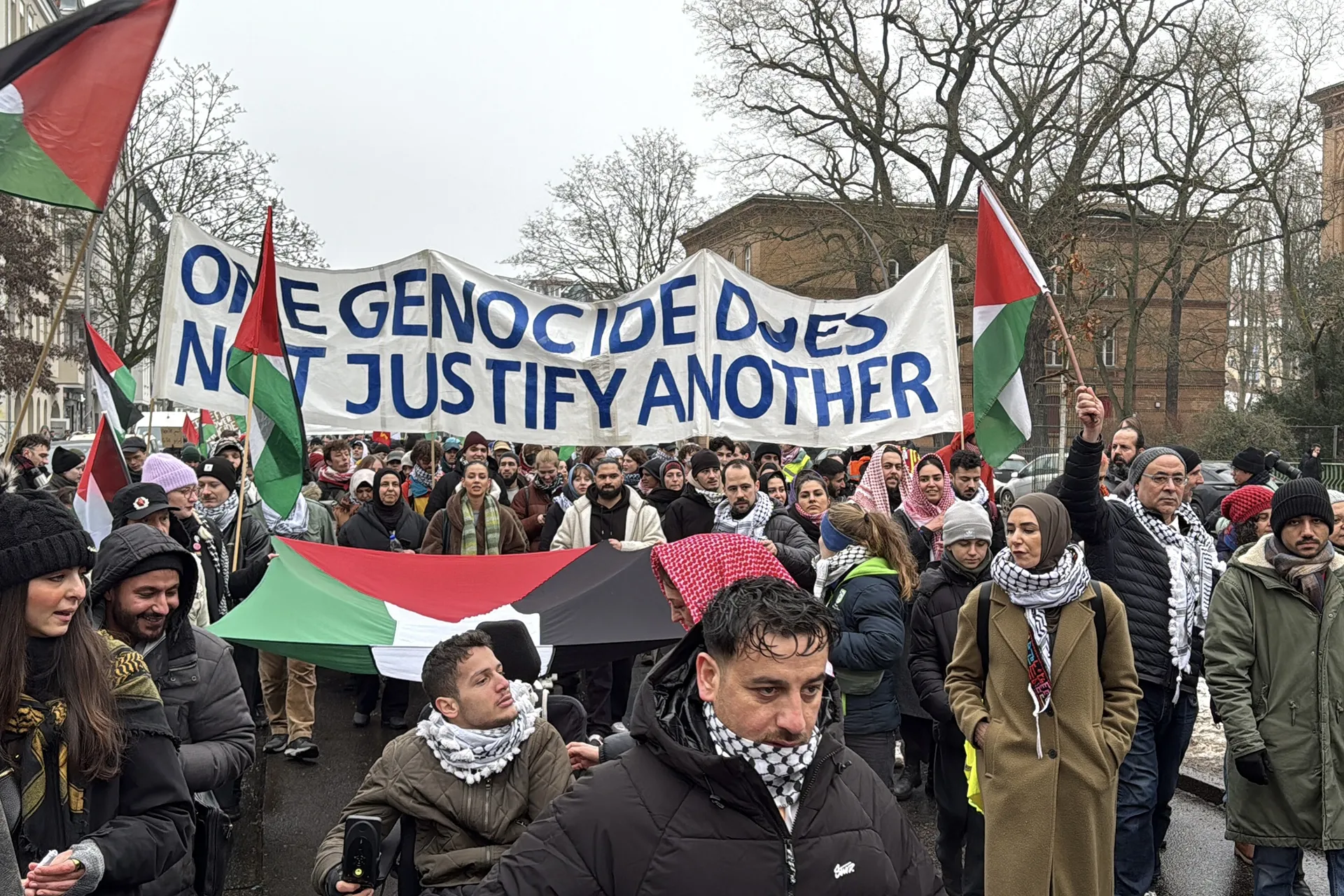
On the technical and field level, activists have developed advanced applications based on artificial intelligence techniques to detect attempts to manipulate origin and accurately examine supply chains. These digital efforts coincided with the organization of widespread protests in global capitals such as London and Munich, to pressure major supermarket chains to stop dealing with distributors proven to be involved in marketing 'laundered settlement dates'.
Reports indicate that the hashtag 'Do not break your fast on genocide' has topped social media platforms, creating unprecedented legal and financial pressure on the agricultural sector of the occupation. Legal proceedings have already begun in countries such as Spain and France against commercial platforms that contribute to promoting these products, amidst international demands for imposing strict sanctions on companies that violate laws related to the country of origin.
The huge gap between actual production and export volume confirms that 75% of marketed dates come from illegal settlements under the guise of fake identities.
شارك برأيك
The 'Settlement Dates' Deception.. How the Occupation Falsifies the Identity of its Exports to Circumvent the Boycott?