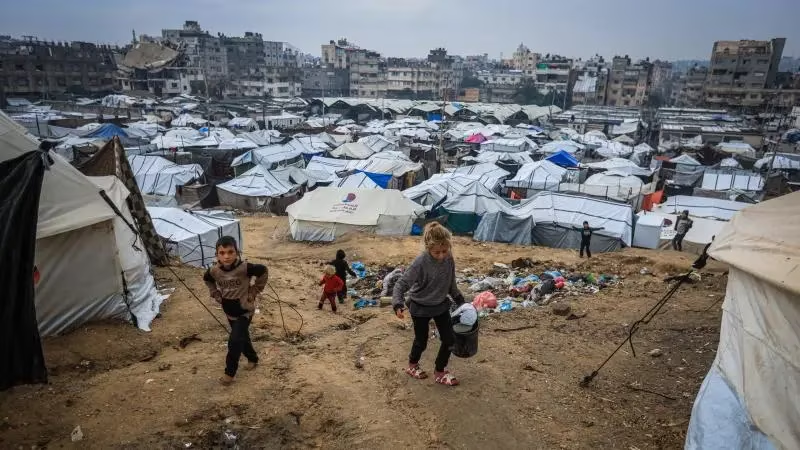







The humanitarian situation in the Gaza Strip is witnessing rapid deterioration amid the severe cold, and amid the continuation of Israeli military operations and the exacerbation of living crises, according to what Islam Badr reported from Gaza City.
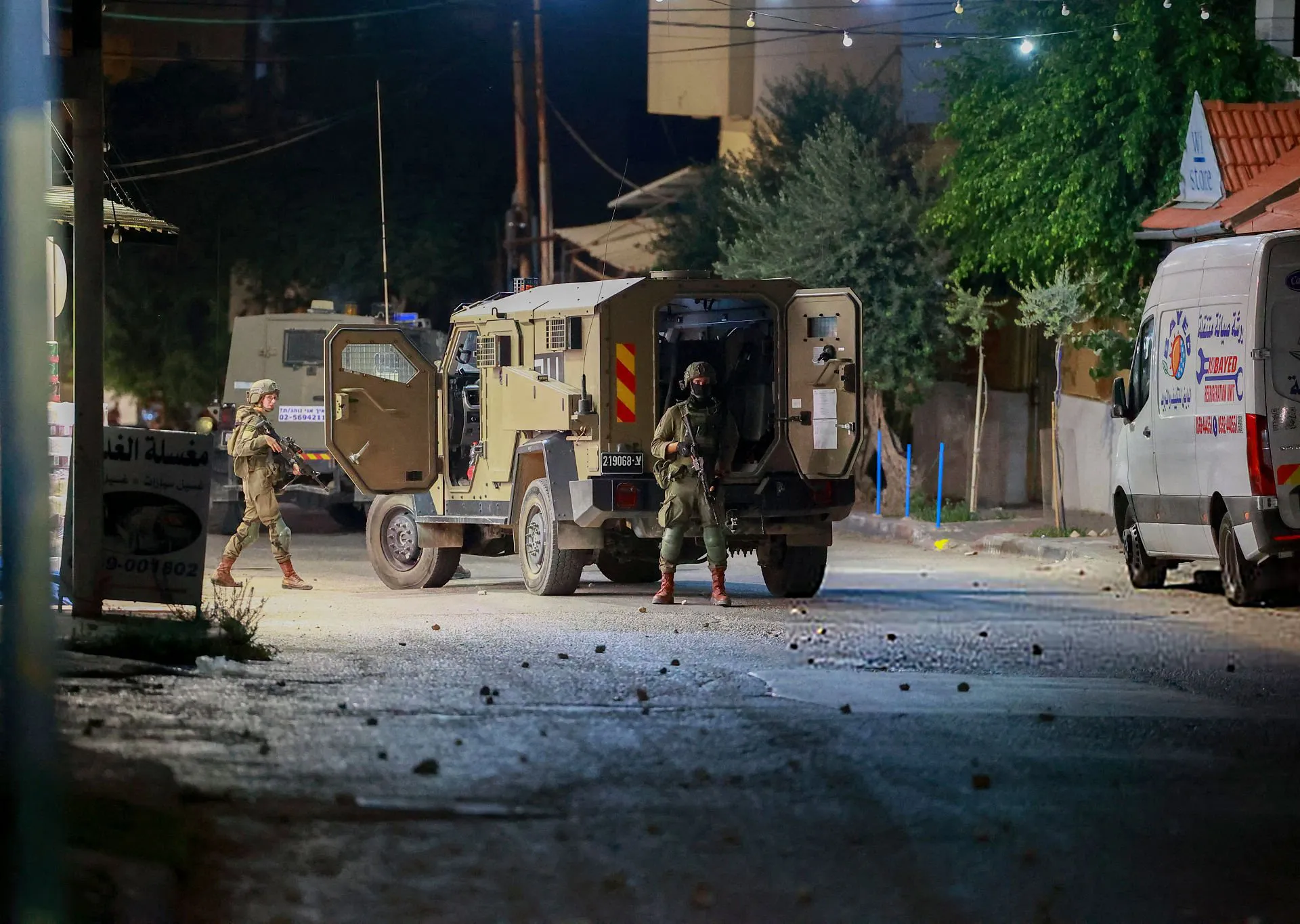
On the ground, the firing continues from the occupation army on the areas adjacent to what is called the "yellow line", starting from advanced Israeli military positions inside the sector, where the sound of gunfire is heard repeatedly, alongside bombing carried out by warplanes and extensive demolition operations.
And he confirmed that the war has not practically stopped in those areas, with the continued destruction of residential buildings, alongside intensive flights of Israeli reconnaissance aircraft at low altitude and loud noise throughout the sector, not only in specific areas.
Homes at risk of collapse in Gaza
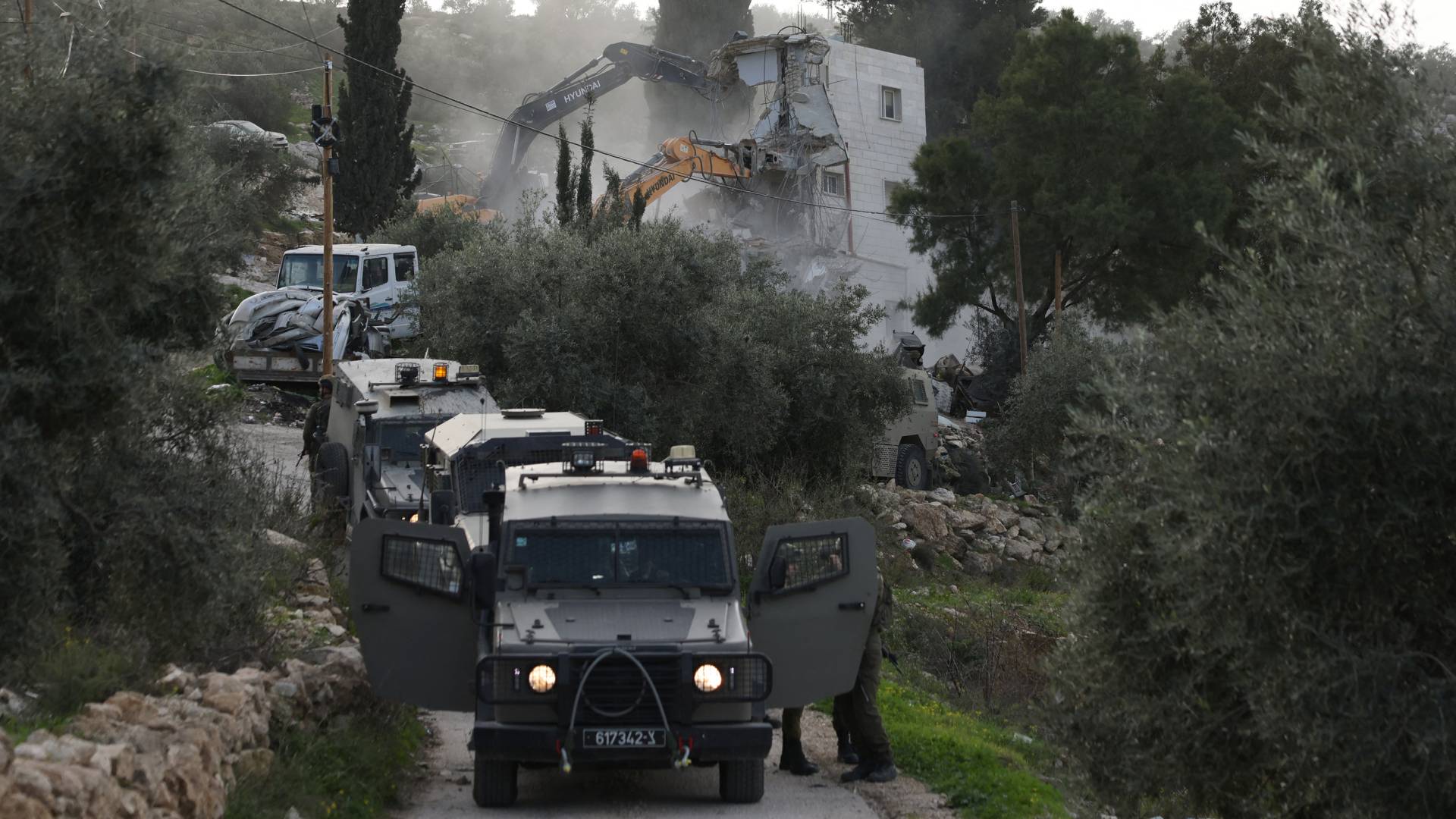
And last night witnessed the collapse of a multi-story residential building for the Labad family in the Sheikh Radwan neighborhood north of Gaza City, in an incident added to a series of collapses that affected other homes in recent weeks, whether due to weather depressions or as a result of their impact from previous Israeli bombing.
And estimates from the civil defense indicate the existence of hundreds of homes classified as at risk of collapse and unfit for habitation, yet Palestinian families still reside in them out of necessity, amid the lack of alternatives, which exposes them to serious risks.
Humanitarianly, the crisis in the Gaza Strip is exacerbating on various levels, amid a new reality imposed by the war and the widespread destruction it left behind, in addition to the strict Israeli restrictions on the entry of humanitarian aid.
And he explained that Israel only allows the entry of a small portion of what the sector actually needs, where what enters does not exceed a quarter of the basic needs, including food, medicine, clothing, and medical supplies.
According to the United Nations, the famine classification in Gaza has decreased from level five to four, but the difference remains limited, as the sector is still on the brink of famine, amid a severe shortage of basic materials.
And the data indicates the near absence or complete absence of building materials, reconstruction supplies, communication networks, energy, and fuel, at a time when Israel imposes a long list of materials classified under the "dual-use" category, and prevents their entry on the pretext of their possible use in resistance activities.
Israel also restricts the entry of additional materials except under exceptional conditions and high-cost arrangements, such as solar panels, batteries, and even car tires, which leads to a significant increase in their prices and doubles the living burdens on the residents, contributing to deepening the humanitarian crisis to levels that are difficult to contain.
Await what the international meetings and communications may bring
Politically, the residents of the Gaza Strip await what the coming days may bring, amid the recent international meetings and communications, and the upcoming meeting between Israeli Prime Minister Benjamin Netanyahu and US President Donald Trump.
And attention is directed towards the "second phase" of the ceasefire agreement, on which many Palestinians pin their hopes, not only to stop the war, but to open horizons for returning to their homes.
And the number of Palestinians who have not been able to return to their homes is estimated at about one million people, due to their areas being behind the yellow line, including entire cities and neighborhoods such as Rafah and Beit Hanoun, and large parts of Bani Suhaila and Absan, in addition to large areas
The war has not practically stopped in those areas, with the continued destruction of residential buildings, alongside intensive flights of Israeli reconnaissance aircraft.

شارك برأيك
The humanitarian situation in Gaza deteriorates amid the severe cold.. and the occupation continues to fire