PALESTINE

Wed 11 Dec 2024 4:22 pm - Jerusalem Time

Paraguay's president announces moving his country's embassy to Jerusalem on Thursday

Paraguayan President Santiago Peña announced on Wednesday that his country's embassy will be moved to Jerusalem tomorrow, Thursday.


The Israeli Broadcasting Corporation said that the Paraguayan president's announcement "came during his visit to Israel."


She pointed out that Israeli Prime Minister Benjamin Netanyahu welcomed the decision, addressing the President of Paraguay, saying: "Your courageous promise to move the Paraguayan embassy to Jerusalem is beginning to take shape, and you deserve praise for that."


In May 2017, Asuncion held the opening ceremony of its embassy in Jerusalem, but in September 2018, former Paraguayan Foreign Minister Luis Alberto Castiglioni cancelled the move of his country’s embassy in Israel to Jerusalem and reactivated the offices that had already been moved to Tel Aviv.


"Paraguay wants to contribute to intensifying regional diplomatic efforts to achieve a just and lasting peace in the Middle East," Castiglione said at the time.


In mid-2018, the United States moved its embassy from Tel Aviv to Jerusalem, followed by Guatemala, Kosovo, and Honduras, while the vast majority of countries reject Israel's requests to move their embassies to Jerusalem.


Palestinians, Arab and Islamic countries condemn the decisions to move foreign embassies to Jerusalem, and have called on several occasions for them to be reversed.


Earlier on Wednesday, the Israeli Knesset held a welcoming session for the Paraguayan president, and he also met with Israeli President Isaac Herzog.


The Israeli President's Office said in a written statement, a copy of which was sent to Anadolu Agency: "President Isaac Herzog welcomed today, Wednesday, at the presidential headquarters in Jerusalem, Paraguayan President Santiago Peña, on his official visit to Israel (the duration of which was not specified), which will include the historic opening of the Paraguayan embassy in Jerusalem."


“We are very excited about your opening of the Embassy of Paraguay in Jerusalem, our holy city, our united city, the eternal capital of the State of Israel and the Jewish people,” Herzog said.


"It is important for us to come here and open the embassy as a symbol, because this symbolizes something much bigger, which is our friendship and the faith we have in a brighter future, and we all deserve to have a future," the president of Prague was quoted as saying.

PALESTINE

Wed 11 Dec 2024 4:02 pm - Jerusalem Time

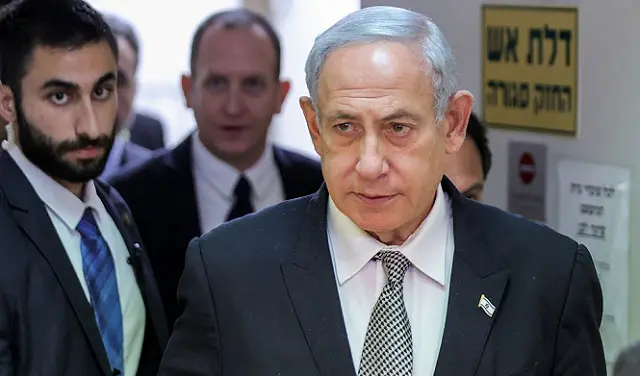
Netanyahu testifies for second day in corruption cases

Israeli Prime Minister Benjamin Netanyahu arrived at the Tel Aviv District Court on Wednesday afternoon to testify for the second day in a row in the corruption cases he is accused of, including bribery, fraud, and breach of trust.


According to the court judges' decision, Netanyahu's hearings should begin at 10:00 a.m. and continue until 4:00 p.m., but today's session began at 2:30 p.m. due to the reception of the President of Paraguay in the Knesset.


Yesterday, Netanyahu appeared in court for the first time on corruption charges.


Israeli media reported that Netanyahu's testimony before the court is considered a precedent in the occupying state, as it is the first time that a prime minister has been tried while in office.


Netanyahu's testimony will be in the case known as "Case 4000," which concerns the Israeli telecommunications company Bezeq receiving extensive financial facilities in exchange for Netanyahu and his wife receiving positive media coverage on the Walla News website, owned by Bezeq owner Shaul Elovitch.

PALESTINE

Wed 11 Dec 2024 3:22 pm - Jerusalem Time

Israeli court decides to freeze half a billion shekels in Palestinian tax funds

Israeli media reported on Wednesday that the Israeli Central Court in Jerusalem decided to freeze half a billion shekels in Palestinian tax funds, following a lawsuit filed by the families of Israeli dead to obtain compensation.


According to Israel's Channel 7, the freeze decision comes after a lawsuit filed by the families of Israeli dead to obtain compensation.


The channel confirmed that "these funds will be confiscated from the taxes that Israel collects monthly for the Palestinian Authority, and will be transferred to the families of the dead."

PALESTINE

Wed 11 Dec 2024 3:20 pm - Jerusalem Time

UN rapporteur: Genocide in Gaza Strip taking place amid international disregard

The Special Rapporteur on the situation of human rights in the occupied Palestinian territories, Francesca Albanese, said on Wednesday that the genocide in the Gaza Strip is taking place amid international disregard.


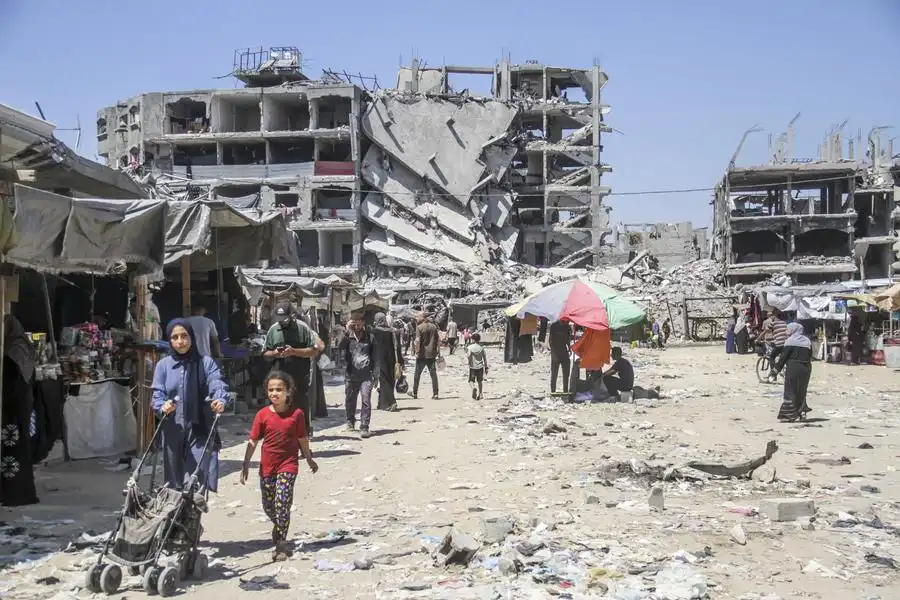
She explained in press statements that a new winter is coming to the residents of Gaza who live without shelter due to Israel's destruction of their homes, noting that more than 44 thousand people were martyred, most of them children and women, as a result of the Israeli bombing of various parts of the Strip.


She stressed the need for Israel to stop the genocide in Gaza and end the occupation of the West Bank.

ARAB AND WORLD

Wed 11 Dec 2024 2:54 pm - Jerusalem Time

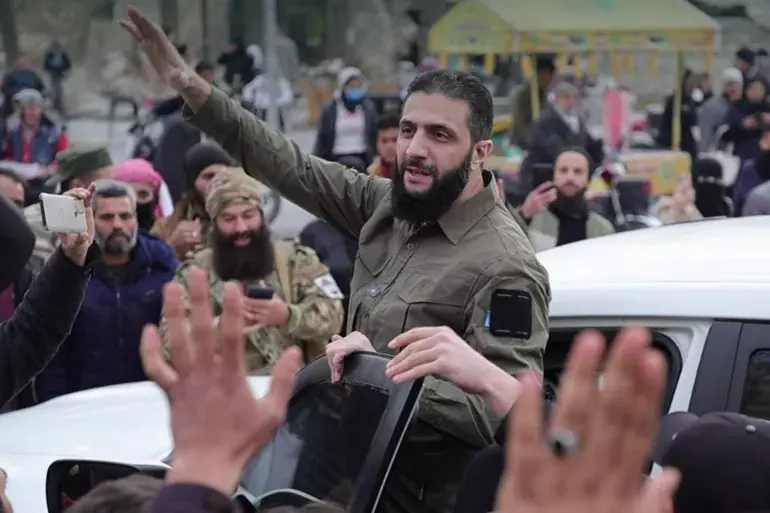
Al-Julani: The country is not ready to enter another war

Syrian opposition leader Mohammed al-Jolani said today that Syria will not enter into a new war.


“The country is not ready for another war. Our biggest threat is Hezbollah and the Iranian-backed Shiite militias in Syria,” he added.


Al-Jolani’s words, according to the Israeli newspaper Maariv, came against the backdrop of statements made by Israeli Prime Minister Benjamin Netanyahu, who sent a firm message to the new leadership in Syria: “We want relations with the new regime in Syria. But if this regime allows Iran to return” to establish its presence in Syria, or allows the transfer of Iranian weapons, we will respond forcefully.


ARAB AND WORLD

Wed 11 Dec 2024 2:41 pm - Jerusalem Time

One Lebanese dead in Israeli bombing of southern Lebanon

A Lebanese man was killed and another was injured on Wednesday when an Israeli drone bombed the town of Ainata in southern Lebanon.


The occupation forces also raided and searched a house in Burj al-Muluk town, interrogated two people living there, seized their cell phones, and forced them to vacate the house and not return to it until further notice.

PALESTINE

Wed 11 Dec 2024 2:37 pm - Jerusalem Time

Israeli occupation issues and renews administrative detention orders against 36 detainees

The Prisoners' Affairs Authority and the Prisoners' Club said on Wednesday that the occupation authorities issued and renewed administrative detention orders against 36 detainees.

The following is a list of the names of detainees against whom administrative detention orders have been issued (new and renewed):

1. Muhammad Samir Nimr Hamouda/Northern Mountain/3 and a half months

2. Suhaib Radwan Muhammad Thabet/Beit Dajan/8 months

3. Abdullah Muhammad Yousef Zaitnawi/Jama’een/6 months

4. Muhammad Yassin Khalil Jabr/Deheisha/6 months

5. Tariq Nader Tawfiq Kharaz/Tubas/6 months

6. Muhammad Farid Suleiman Malsa/Deir Abzieh/6 months

7. Abdul Nasser Yousef Sawafta/Tubas/6 months

8. Louay Sami Shaker Tamizah/Idhna/6 months

9. Taha Shadi Ghazi Muhajna/Pomegranate/6 months

10. Mahdi Murshid Hamdan Bakr/Pomegranate/6 months

11. Khaled Mohammed Tawfiq Al-Qarm/Jalqamous/4 months

12. Moaz Mohammed Imran Tutah/Ramallah/4 months

13. Abdul Rahman Muhammad Tutah/Ramallah/4 months

14. Ward Akif Zahdi Asmar/Beit Rima/6 months

15. Zaid Abdul Karim Ahmed Ghanem/Punishment/6 months

16. Qassam Sufyan Mustafa Al-Rayashi/Qalqilya/5 months

17. Khader Tariq Ziad Suleimani/Jenin/6 months

18. Abdul Rahman Nidal Abdul Rahman/Jenin/4 months

19. Qasim Jabr Ahmad Dalni/Salfit/4 months

20. Ahmed Osama Ali Nabrisi/Nablus/4 months

21. Issam Anan Fawzi Bashkar/Nablus/6 months

22. Ahmed Ali Ahmed Abu Samra/Ramallah/6 months

23. Iyad Mahmoud Qasim Abdullah/Jenin/4 months

24. Jawad Aws Walid Hussein Ali/Nablus/5 months

25. Sajid Ibrahim Ahmed Hadiya/Bethlehem/6 months

26. Karam Mahmoud Ahmed Shalaby/Araba/3 months

27. Maher Saher Othman Al-Ghoul/Jenin/6 months

28. Louay Walid Yousef Anfeat/Jiftlik/5 months

29. Shahada Muhammad Shahada Al-Taamari/Bethlehem/6 months

30. Mahmoud Radi Muhammad Araikat/Bethlehem/5 months

31. Baraa Tayseer Hassan Jabr/Jenin/4 months

32. Moatasem Mohammed Suleiman Salaj/Nablus/4 months

33. Majdi Mustafa Ali Abu Aker/Bethlehem/6 months

34. Ahmed Radwan Muhammad Abu Rizq/Nablus camp/4 months

35. Muhammad Jabrin Shahada Zein/Yatta/6 months

36. Jihad Sari Saeed Wahdan/Rantis/3 months

PALESTINE

Wed 11 Dec 2024 12:55 pm - Jerusalem Time

The death toll from Israeli aggression on Gaza rises to 44,805

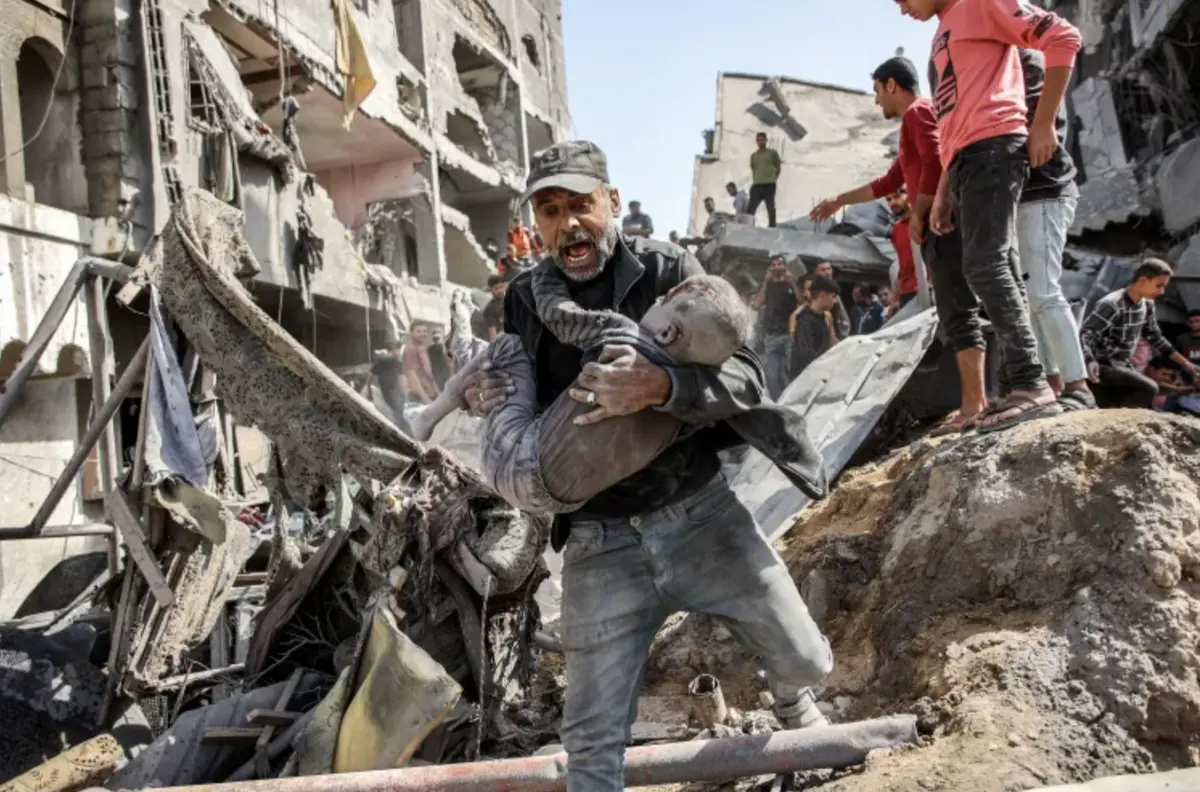
Medical sources announced that the death toll from the occupation's aggression on the Gaza Strip has risen to 44,805 and 106,257 wounded, since October 7, 2023.


The same sources added that the occupation forces committed two massacres against families in the Gaza Strip, which resulted in the death of 19 citizens and the injury of 69 others during the past 24 hours.


It pointed out that thousands of victims are still under the rubble and on the streets, and ambulance and civil defense crews cannot reach them.

PALESTINE

Wed 11 Dec 2024 12:31 pm - Jerusalem Time

Israeli occupation forces stormed several towns in Jenin Governorate

Today, Wednesday, the Israeli occupation forces stormed several towns in Jenin Governorate.


Local sources reported that the occupation forces stormed the town of Jaba', south of Jenin, and deployed in its streets, where they were stationed in Al-Madaris Street, and an infantry force was deployed in several streets in the town. They raided a number of houses and climbed onto their roofs.


She added that another Israeli military force stormed the towns of Rammana and Anin, west of Jenin.

ARAB AND WORLD

Wed 11 Dec 2024 9:55 am - Jerusalem Time

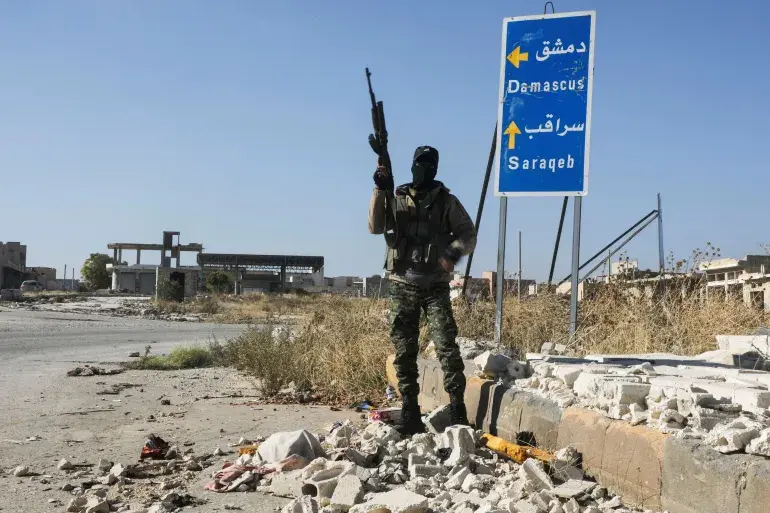
Another country being absorbed into the American imperial bloc.

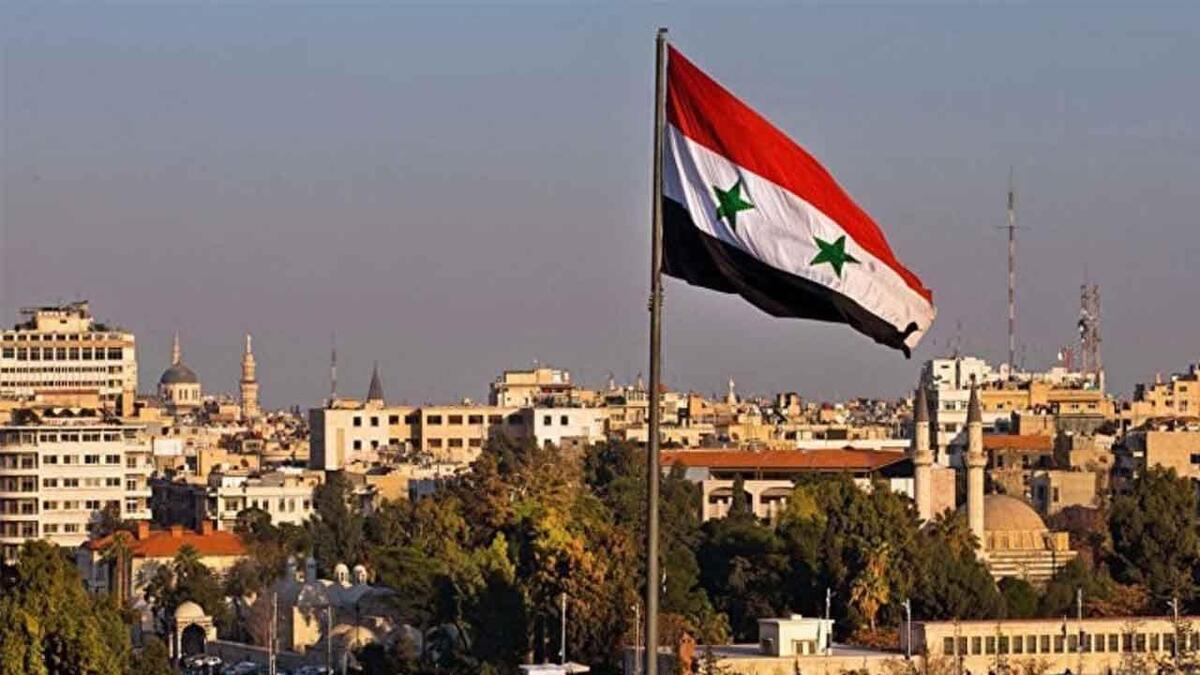
Syrian President Bashar al-Assad, who has ruled the country for more than 24 years, fled his capital, Damascus, to Moscow early Sunday, December 8, where he was reportedly granted political asylum by Russia. The al-Qaeda affiliates that expelled him declared a “mujahideen” victory in Damascus. Both US President Joe Biden and Israeli Prime Minister Benjamin Netanyahu have claimed credit for the regime change, and Turkish President Recep Tayyip Erdogan, of course, deserves a large share of the credit as well, though he has been more modest than Biden and Netanyahu in claiming credit for Assad’s ouster.


Yet, it is notable that there is still a reticence in the mainstream Western media and discourse to describe this process as a regime change operation supported by the United States and its allies. They claim that this was a 100% organic uprising driven exclusively by the Syrian people despite years and mountains of evidence to the contrary. The West pretended that this was the case (a popular uprising) even as the world watched the coalition of American power and its followers crush Syria using proxy warfare, starvation sanctions, continuous bombings, and a military occupation explicitly designed to cut off Syria from oil and wheat in order to prevent its reconstruction after the Western-backed civil war.


Major world events do not happen in isolation from the actions of major world powers that have a vested interest in their outcomes, experts say. Some may bristle at the prospect of US military involvement in Syria, they say, “because they would rather believe, or give the impression, that a brave group of heroic freedom fighters single-handedly overthrew a super-evil dictator as if in a Hollywood movie. But real life doesn’t work according to their preferences. In real life, the globe-spanning empire that is the United States is credibly involved in such events,” says Australian researcher Caitlin Johnston.


“When I say this, some may want to accuse me of denying the capacity of Syrians to act independently, which is the worst sin anyone can commit,” Johnston explains. “But nothing I say actually contradicts the idea that Syrians have agency. It is clear that many Syrians wanted Assad gone, and it is clear that many people had their own reasons for fighting him that had nothing to do with the American empire. There is no contradiction between this obvious fact and the well-documented fact that the US central power structure was embedded in Syria from the beginning of the violence in 2011, and that its involvement led to the events we are witnessing today.”


Johnston points out that no one is claiming that the American empire controlled the minds of the Syrians and forced them to revolt against their government without any agency of their own, “but the truth is that the (American) empire put a big thumb on the scale to ensure that one group of Syrians got what it wanted rather than another group.”


“You can claim that Western intervention to change the regime will produce positive results this time around (as long as you are willing to ignore mountains of historical evidence that consistently prove otherwise), but what you cannot do on any rational basis is deny that Western intervention to change the regime in Syria occurred,” the researcher adds.


“Western liberalism is funny in that its adherents depend so much on their ability to psychologically detach themselves from the actions of Western empire, and even from the very existence of that empire,” Johnston says. “Western liberals live in an alternate, imaginary world where Western powers mind their own business and Western leaders watch violence and destruction unfold around the world while calling for peace and diplomacy from their podiums. They pretend that empire does not exist, and that conflicts, coups, and uprisings still occur in ways that serve Washington’s strategic interests by sheer coincidence.”


“Indeed,” the researcher says, “it is impossible to understand what is going on in the world unless we understand that the United States is the center of an undeclared empire that works tirelessly to bring the world’s population under the umbrella of a single power that it presides over. The few countries that have successfully resisted being absorbed into this imperial bloc are the official villains that we Westerners have all been trained to hate: China, Russia, Iran, North Korea, and a few socialist countries in Latin America. I used to include Syria on this list, but that is no longer the case, as Syria has been absorbed into the bloc dominated by the American empire.”


The researcher predicts that soon the imperial bloc will turn its fire on the next nation that is not conquered, or that is trying to hold on to its national master, “since this is the basic dynamic behind all major conflicts on earth. This dynamic is being removed from the mainstream Western worldview with the help of Western propaganda services known as the mass media, as well as the Western indoctrination system known as education. This dynamic is being removed from our worldview and hidden from our attention by the plutocrats and managers of empire who are working to manipulate our information systems, because otherwise we would realize that the American empire is the most tyrannical and abusive power structure on the planet today.”


“No other power has spent the century, except the United States, the 21st century—the 25 years since its beginning (and the 1990s as well)—killing people by the millions in wars of aggression while maintaining hundreds of military bases around the world, constantly crushing any group that opposes its dictates anywhere on earth; not China; not Russia…certainly not Iran, not Cuba. Not Bashar al-Assad.” “Only the American empire has practiced tyranny and abuse of the world to this extent in the modern era. And now the imperial bloc is rolling in to absorb its next target, having doubled in size to the size of Syria after having spent years digesting that country through proxy war, sanctions, relentless bombing campaigns by Israel, and a military occupation designed to steal its food and fuel.”


“Our world can never know peace as long as we are ruled by an empire fed by endless rivers of human blood,” Johnston says.

ARAB AND WORLD

Wed 11 Dec 2024 9:29 am - Jerusalem Time

Washington says intensive Israeli attacks on Syria are an Israeli affair

US State Department spokesman Matthew Miller said on Tuesday that the United States will let Israel determine its security and military objectives behind its intensive strikes on Syria since the fall of Syrian President Bashar al-Assad's regime last Sunday.


“I will leave it to Israel to talk about its own operations and what it is trying to achieve, but I will say that on behalf of the United States, we will discuss these matters with them privately before I express my opinion on them publicly,” Miller said in response to a question from Al-Quds correspondent in Washington about the US administration’s disregard for the ongoing Israeli aggression, which has destroyed more than 80% of Syria’s military capabilities. “I would say that in general, we certainly do not want to see any measures that make the Syrian-led operation more difficult, and we ultimately want to see a peaceful process moving forward, not an escalation of the conflict.”


In response to a question from the Al-Quds correspondent about whether the reason behind this was to create disarmed states in Syria, he said that the United States wants a united and peaceful Syria for all its citizens.


“With respect to the location of the Israeli forces — and I’m not testifying to that one way or the other — I know there are conflicting claims about where they are, and they have vehemently denied that they are near Damascus. They have said they are in the buffer zone, and I spoke about that at length yesterday, but when it comes to their operations, I think it’s appropriate for us to talk to them privately first, to see what they are doing, before we express our opinion on it publicly. They are close allies of ours and that’s what we will do.”


“We have set out the principles that we believe should guide Syria moving forward,” Miller said. “Beyond that, there are questions for the Syrian people to answer regarding what kind of government they intend to form, what kind of army they intend to maintain. And when it comes to the actions that Israel has taken in the last 24 hours, as I said, let’s have those conversations with them privately.”


Miller reiterated in response to a question from the Jerusalem correspondent regarding the occupation of Quneitra, saying: “What precipitated their move to the buffer zone was the withdrawal of the Syrian armed forces, which, as I said yesterday, creates a potential vacuum that could be filled by any of the many terrorist organizations that continue to operate inside Syria and that have sworn to destroy the State of Israel.”


Miller also stated that “there is no legal impediment to us talking to a specific terrorist group” such as Hayat Tahrir al-Sham, the group that led the assault on Damascus and whose leader, Abu Mohammed al-Julani, was an official in both ISIS and al-Qaeda.


The US has now shown a surprising interest in removing HTS from its list as a designated terrorist organization, with Politico reporting that there is now a “heated debate in Washington” over whether the group should be removed from the list immediately. In a way, I doubt the debate is truly “heated.”

OPINIONS

Wed 11 Dec 2024 8:52 am - Jerusalem Time

Israel continues to tamper with the Middle East

op-ed "AlQuds" dot com

op-ed "AlQuds" dot com

Opinion Writer

Israel continues to tamper and spread chaos in the Middle East, without supervision or accountability, and with clear support from the United States of America, to reach the equation of change that Israeli Prime Minister Netanyahu threatened with since the second day of the war on the Gaza Strip when he said (we will change the Middle East).


It is clear that tampering with the sovereignty of states is an Israeli plan to expand the geographical area of the occupying entity, starting from the Gaza Strip, where there are buffer zones, occupation, annexation and expansion, and in the West Bank, settlement and the threat to impose sovereignty over it, and expansion northward in Lebanon and the cutting off of parts of the lands of the Land of the Cedars. Today, we are following on the ground a new occupation of lands and vital centers on the Syrian-Palestinian border, and the deepening of 25 kilometers inside Syria, where the Israeli army has become 20 kilometers from the capital, Damascus, after completing the process of controlling what remains of Mount Hermon and the Golan Heights, claiming that Israel seeks to create a wall and a thick cover around it to provide security for its settlers in the north. All of this is in addition to the complete destruction of Syrian military capabilities, including tanks, aircraft, ports, ships, military centers, ammunition and chemical weapons.


The question that arises is: As long as Netanyahu claims that he toppled the Bashar al-Assad regime and expelled it from Syria, why is Syria being attacked? Has the opposition forces issued any threat to Israel for Israeli Defense Minister Yisrael Katz to go and threaten it? What is the justification that prompted Israel to destroy all of Syria's military power?


It is an aggressive Israeli behavior towards an ancient Arab country that has a major presence in the Middle East and has political and geographical borders. This behavior inevitably reveals the colonial and aggressive policy of the occupation towards an Arab country.


If we understand clearly that Israel has no justification or security arguments to present as reasons for this occupation of large parts of Syrian territory, then it is incomprehensible and unclear to us this Arab silence and this humiliation, degradation and submission, without any Arab move to condemn or denounce the Israeli attacks on Syria, which raises many questions and speculations about the Arab role that is completely submissive to Israel, which is playing the role of the policeman who seeks to further divide and keep the Middle East in a state of conflict towards displacement, fragmentation, civil wars and internal fighting, all with the approval of the United States, whose policies the Arab regimes cannot oppose, so that Israel obtains an American green light to continue its satanic attacks on the peoples of our region, which indicates that the turn is coming to other countries that may be Arab or Islamic in the near future.


Israel is carrying out a new process of engineering the reality of the Middle East, and is seeking to completely eliminate the Palestinian issue from the political scene, and the Arabs are not resisting that at all, and all the negotiations that are taking place and the possibility of proposing diplomatic solutions are nothing but plays and dramas, through which Israel, led by Netanyahu, seeks to make the Israeli public and the families of the detainees feel that it is interested in the deal, but in reality it is only interested in continuing the war of revenge against our people in the Gaza Strip, and continuing to implement its ideological and political vision and feeding the Zionist move that calls for continuing to impose new military facts on the Gaza Strip, such as division, buffer zones, occupation, and others.


Therefore, it seems that the ceasefire negotiations in Gaza aim to gain more time to thwart the proposals, and from here Israel may head towards a partial deal only to try to release a number of detainees, and ensure a return to fighting and thus continue the aggression against our people, in addition to continuing Israel's absurd and chaotic plans throughout the Middle East region.

OPINIONS

Wed 11 Dec 2024 8:50 am - Jerusalem Time

A new era for Syria

Hamada Faraana

Hamada Faraana

Opinion Writer

The Assad regime did not fall only because of its internal mistakes and sins, whether in dealing with the Kurds or with the political and military opposition, or because of the extent of the shameful arbitrary arrests committed by the authoritarian apparatuses against the Syrians, which are positive reasons and strong motives for expanding the size of the popular, partisan, nationalist and religious opposition against his regime.


But the other additional fundamental reason lies in the Israeli-American hostility to the regime, against the backdrop of its firm positions against occupation and hegemony and its refusal to submit to their interests and plans, its adherence to the necessity of liberating the Golan from Israeli colonialism, its refusal to withdraw from its alliance with Russia and Iran, and its support for the Palestinian option.


The Assad regime has previously been subjected to pressures and temptations, with the aim of withdrawing from its national, political and security options, but it held firm and did not bow to the pressures, and did not respond to the temptations. It is like Abdel Nasser, Saddam Hussein, Muammar Gaddafi, Yasser Arafat, and all those who held on to their national dignity and Arab nationalism, and their alliances previously with the Soviets, and later with Russia, China and Iran.


The United States, which won the battles, clashes and events of the Cold War against the socialist camp, since after World War II, until the end of the Cold War in 1990, is working and keen to continue its military, political, security and economic hegemony over the world and international politics, except for what it offers to others, and its conflict now is with China, Russia and the rest of the less influential and powerful parties: Iran, South Africa, some Latin American countries, and others, so as not to cancel the results of its victory in the Cold War. Therefore, it works to support the regimes that follow its orbit, and works in coordination with it, or according to agreed upon common interests, and this explains the extent of its support for the Israeli colony to remain dominant and authoritarian, occupying the lands of three Arab countries, and imposing the normalization of its relations with the Arab world and adapting it to be a decisive tool in the Arab world, as Netanyahu says: a new Middle East, in conflict with the Arabs’ national interests and their aspirations for dignity and stability, and towards political and economic independence.


Bashar al-Assad lacked priorities and continued his narrow choices, relying on Russia, Iran and Hezbollah. Those who supported him were unable to continue their support for him, so he lost international cover and Hezbollah weakened against the backdrop of the painful strikes by the colony. He did not rely on his people and expand the social base of his regime, and the military and security services were unable to protect him, because the majority of his people were not with him and did not owe him loyalty, so the regime fell as happened with Iraq, Tunisia, Egypt, Libya and Yemen.


Will the next regime cling to the Golan Heights as occupied Syrian territory? Or will it abandon it and not give it priority as a price for its acceptance by the Israelis and Americans, and their satisfaction with it?

PALESTINE

Wed 11 Dec 2024 8:31 am - Jerusalem Time

22 dead in a new Israeli massacre in northern Gaza

22 citizens, including children and women, were killed in a massacre committed by the Israeli occupation tonight in the town of Beit Lahia, north of the Gaza Strip.


Last night, the occupation's warplanes bombed the Abu Tarabish family's house in the vicinity of Kamal Adwan Hospital in the northern Gaza Strip. It is a residential building consisting of several floors inhabited by about 30 displaced persons, and the occupation's warplanes leveled it to the ground.


Medical sources reported that 22 martyrs were recovered, while others, including martyrs and wounded, are still under the rubble because ambulance and civil defense crews were unable to reach them.


The Israeli occupation forces continue their aggression on the Gaza Strip by land, sea and air since October 7, 2023, which resulted in thedeath of 44,786 citizens, the majority of whom are women and children, and the injury of 106,188 others, in an incomplete toll, as thousands of victims are still under the rubble and in the streets, and ambulance and rescue crews cannot reach them.

PALESTINE

Wed 11 Dec 2024 8:29 am - Jerusalem Time

Al-Tafkji to Al-Quds: The occupation is deepening settlement in Jerusalem to establish the “Greater Jerusalem” plan


Approval of 3 plans to build settlement towers in the south of occupied Jerusalem


The Local Planning and Building Committee of the Jerusalem Municipality, headed by Deputy Mayor Eliezer Rauchberger of the Digal HaTorah party, decided to recommend to the local committee to approve 3 plans to build towers in southern occupied Jerusalem; in the settlements of: Gilo, Katamon, Gonenim, as part of the approved plans, with a total of 740 settlement units, in addition to a series of government buildings, including a synagogue, public buildings, commercial and employment areas, and others.


According to land and settlement expert Khalil Al-Tafakji, the occupation is working to build a towering dam of settlement buildings of unprecedented heights on the borders adjacent to the cities in the West Bank, especially in the south of occupied Jerusalem with Beit Jala.


Al-Tafakji told “Y”: “The Gilo settlement was built in 1971, four years after the occupation of East Jerusalem in 1967, on the lands of the city of Beit Jala in a strategic mountainous location called “Mount Salib,” so that the settlement became closely adjacent to the city of Beit Jala, and its extension began to surround the city from different sides, and it began to surround Beit Jala from the west and the north, and tunnels penetrate its lands and mountains that connect the settlements in the southern West Bank to the settlement bloc (Gush Etzion).


Al-Tafkji stressed that the development and expansion of the Gilo settlement has not stopped, as it has a share of all the expansionist settlement projects in the occupied Palestinian territories, as it is a strategic, elevated area, and is considered one of the highest and most important areas in southern Jerusalem and has the most beautiful view, as its hills can be seen on clear summer days from the Palestinian coast and the Gaza Strip. Therefore, Israel has worked and is working to expand it and build more settlement units in it, and at this stage it is linking it to the light rail that connects the settlements of occupied East Jerusalem to the heart of West Jerusalem and its official institutions, markets and public facilities.


It is noteworthy that the number of settlers in the Gilo settlement exceeded 50,000 settlers, most of whom are religious Haredim. Since 1971, its area has doubled to swallow up all of Beit Jala’s lands from the north and west, especially after the influence of this settlement was extended, which began to be the largest future settlement in the occupied city of Jerusalem, in terms of area and number of settlers, as it also includes security, military, intelligence, and political centers for the occupation leaders, and circles of settlement units that were established in the middle on the remains of an English camp and then a Jordanian one.


Al-Tafakji stressed that these huge settlement projects and plans come within the framework of the “Metropolitan-Greater Jerusalem” plan, to isolate Jerusalem and its Old City - the Holy City - from the southern West Bank, and to change its demographic composition and Arab-Islamic identity, in order to implement the complete annexation of the city and prevent its division at any future stage as the capital of the future Palestinian state.


Al-Tafkji explained that the occupation is working to form settlement walls that prevent the separation of the occupied eastern part of Jerusalem in any future settlement, and the situation of Gilo is similar to the situation of the largest settlement blocs in southeast Jerusalem, the settlement of "Ma'ale Adumim", which has practically been annexed to the city within the "Metropolitan-Greater Jerusalem" plan, which includes the gate of East Jerusalem, the E1 settlement, in which the infrastructure has been completed, as well as a series of bridges and tunnels, and the construction of the command and police headquarters and the extension of its infrastructure, and they are waiting for the new US President Donald Trump to start settlement construction.


Al-Tafkji said: The expansion of the Gilo settlement and the annexation of the Ma'ale Adumim settlement, the Gush Etzion settlement bloc, and the Givat Ze'ev settlement will increase the number of Jewish settlers in Jerusalem, prevent any possibility of restoring occupied East Jerusalem as the "capital of the Palestinian state," confiscate 10% of the area of the West Bank, and cut off the continuity of the West Bank, turning it into two separate blocs with no geographical connection between them in the future without passing through the settlements.


According to the local committee’s decision, the master plan was approved for Haganat Street (No. 238) – the main street in the Gilo settlement – where three 26-story settlement towers will be built: 22 residential floors above 4 basement floors for various uses, with an underground parking lot below the towers. As part of the project, which will cover approximately 10.6 dunams, it is proposed to increase the supply of settlement units in the plan area – from 65 existing settlement units to 340 new units, of which at least 20 percent are under construction.


In addition, as part of the project, which is located close to the future route of the Blue Line and the Green Line of the settlement light rail, it is proposed to allocate approximately 1,500 square meters of the plan area to public buildings, for the benefit of a group of daycare centers, kindergarten classes and a synagogue. The plan also includes a commercial facade towards the light rail line with an area of approximately 1,800 square meters.


This plan joins a series of municipal plans to build residential towers in the Jila neighborhood, which from a planning perspective have already begun, in addition to a 37-storey tower near the pioneering Teddy Stadium built on the lands of the displaced Malha.


The second plan approved by the Planning Committee is located between St. Martin and Bar Yohai Streets, for the construction of a total of 263 settlement units.


"Israel's capital continues its construction momentum, with an emphasis on intensifying light rail lines throughout the city," said extremist Jerusalem Mayor Moshe Lion.


He added: "The approved plans in the settlements of Gilo and Gonenim combine the construction of settlement complexes in central locations alongside the construction of public buildings, commercial and employment areas, and the development of advanced transportation infrastructure. We will continue to renovate the old neighborhoods and work to transform Jerusalem into a modern, comfortable, high-quality city that attracts its youth and attracts new settlers."

PALESTINE

Wed 11 Dec 2024 8:09 am - Jerusalem Time

Failure to agree on the “day after” complicates negotiations.. A potential deal is on fire

Oraib Al-Rantawi: The lack of consensus among the Palestinian parties on the formula for the “day after” the war negatively affects the course of negotiations on the deal

Nihad Abu Ghosh: Initial indications from various parties of a possible deal.. and thorny issues preventing reaching a final agreement

Suleiman Basharat: Current circumstances may push the resistance to rearrange its priorities and may be forced to accept understandings that were not proposed in the past

Dr. Saad Nimr: Strong indications that a deal is close.. and Hamas realizes that its management of Gaza is no longer possible in light of Netanyahu's categorical rejection

Muhammad Hawash: Netanyahu's statements about the deal may be part of a maneuver to buy time and prolong the war, but the Trump administration will pressure him

Hossam Abu Al-Nasr: Conditions are ripe for reaching a temporary truce agreement in the Gaza Strip, but that does not necessarily mean a complete cessation of the war


The political and diplomatic arena is witnessing intensive efforts to try to conclude a deal aimed at stopping the ongoing war in the Gaza Strip, amidst multiple complications and pressing regional and international variables.


In separate interviews with “I”, writers, political analysts and specialists believe that the negotiations taking place with the participation of international and regional mediators indicate relative progress in the understandings, despite the many thorny issues related to the details.


Writers, analysts, specialists and university professors point out that the discussions are focused on steps that include a temporary ceasefire, partial withdrawals of Israeli forces from the Strip, and improving the humanitarian situation of Gaza residents. They point out that the differing visions about the administration of Gaza in the next phase, especially in light of the Palestinian divisions over the form of government after the war, increase the complexity of the negotiations and weaken the unified Palestinian position.


Hamas flexibility versus unprecedented pressure on Israelis


Director of the Jerusalem Center for Political Studies, Oraib al-Rantawi, explains that the ongoing negotiations between the various parties regarding the Gaza Strip have achieved tangible progress in the recent rounds that are being held behind closed doors, noting that the Hamas movement is showing a willingness to show great flexibility at this stage, in the face of unprecedented pressures being exerted on the Israeli side to reach an agreement.


Rantawi believes that these negotiations may lead to a relatively long ceasefire, which may extend for two months, in addition to partial Israeli withdrawals from some areas in the Strip, as Hamas may accept a gradual Israeli withdrawal instead of demanding a comprehensive and immediate withdrawal.


He points out that the current negotiations equation is for Hamas to make partial concessions, such as releasing a limited number of Israeli detainees, in exchange for achieving urgent humanitarian and economic gains for the people of Gaza, especially with regard to aid and relief.


In parallel, Rantawi stresses that the full release of Israeli detainees will not take place except by stopping the war within a comprehensive agreement that includes a binding timetable for Israeli withdrawal.


Al-Rantawi points out that Egypt plays a major role in sponsoring the understandings, especially with regard to the management of the Rafah crossing and the mechanisms for bringing in humanitarian aid.


But on the Palestinian side, Rantawi points to the lack of consensus among the Palestinian parties on the formula for the “day after” after the end of the war, which complicates the scene and negatively affects the course of negotiations on the deal.


Al-Rantawi points out that the Palestinian leadership adheres to the government of Dr. Muhammad Mustafa, and rejects any proposals related to a national consensus government, which constitutes a major obstacle to achieving internal consensus that may contribute to strengthening the Palestinian position.


Al-Rantawi points out that the ongoing Palestinian division has a devastating impact on the negotiation process, expressing his regret that the disasters and war of extermination that befell Gaza did not succeed in pushing the parties towards unity.


However, Rantawi points out that there are positive indications that a deal can be reached before the Trump administration arrives, as Netanyahu’s fascist government faces internal and external pressure to reach an agreement. However, Rantawi warns of the possibility of last-minute surprises that could disrupt the negotiations, especially given the fascist nature of that Israeli government.


On the other hand, Rantawi confirms that summoning Hamas leaders to Doha and Qatar’s return to playing the role of mediator is a major indication that the talks may yield positive results this time.


However, Rantawi warns that Israel may return to escalation at any moment, especially since it is exploiting the achievements it has made on the Lebanese and Syrian fronts to strengthen its position towards Gaza.


Regarding Hamas the day after the agreement was concluded, Rantawi points out that it succeeded in regaining the initiative and leadership, despite the severe blows it suffered, both in Gaza and abroad.


Al-Rantawi points out that Hamas may witness new leadership arrangements in the coming months, in light of the decline in support from Iran and Hezbollah, as Hamas is working to compensate for this decline by strengthening its relations with Turkey and other countries that support Islamic movements in the region.


Al-Rantawi confirms that the Turkish role, despite its different nature from Iranian support, constitutes an important political weight for Hamas, in addition to the growing role of Qatar.


Al-Rantawi points out that Hamas is trying to build relations with Syria in light of the regional political transformations, as it seeks to invest in the rise of Islamic movements there and its relationship with them in an attempt to strengthen its position, especially since its relationship with Bashar al-Assad’s regime has not made a major breakthrough.


Rantawi stresses that the continuation of the war in Gaza has become absurd, and that all parties, including Hamas and international mediators, realize the necessity of putting an end to this war.


Unresolved details prevent comprehensive agreement


Writer, political analyst and specialist in Israeli affairs, Nihad Abu Ghosh, believes that there are initial indications from various parties regarding the approach of reaching a possible deal that includes a temporary ceasefire in the Gaza Strip, in addition to agreeing on the broad outlines of the mechanisms of the next stage. However, some pending details still prevent reaching a comprehensive agreement, most notably the names of the Palestinian prisoners who may be included in the deal, their type, in addition to the scope of the Israeli withdrawal from the Gaza Strip.


Abu Ghosh points out that Israel is still insisting on a partial withdrawal from the Gaza Strip, while working to establish a new reality on the ground by establishing military sites inside Gaza, in addition to calls by settlers to resettle inside the Strip.


Abu Ghosh points out that this approach reflects Israeli intentions aimed at dismembering Gaza and decoupling it from a cohesive geographical unit.


Regarding the administration of the Gaza Strip, Abu Ghosh confirms that this issue remains one of the most complex issues in the ongoing negotiations, as Israel categorically opposes the continued rule of Hamas in Gaza, which raises questions about who will take over the administration of the Strip if an agreement is reached.


Although there are still thorny issues pending regarding reaching an agreement and concluding a deal in the Gaza Strip, Abu Ghosh points out that international pressure, especially from the United States led by the administration of President Donald Trump, plays an important role in pushing Israel towards concluding a deal and a ceasefire, similar to what happened in the Lebanese agreement.


Abu Ghosh explains that these pressures come in light of the presence of external factors pushing towards achieving a temporary calm that may pave the way for a permanent agreement, as the mediators are counting on the fact that a temporary ceasefire may be an entry point to achieving a comprehensive and permanent calm.


Regarding the post-agreement outcomes related to Hamas, Abu Ghosh explains that estimates indicate that the movement cannot be eliminated, and that Hamas does not cling to power in Gaza as an ultimate goal, which means that it may be prepared to give up some of its authoritarian roles and maintain its role as an organization.


This time, talk of a deal comes in a different context than before.


Writer and political analyst Suleiman Basharat believes that this time the talk about a prisoner exchange deal in Gaza comes in a different context than before, given the rapid changes in Palestine, Israel, the region and the world.


These variables, according to Basharat, create an environment that may be conducive to reaching a preliminary agreement on prisoner exchange, but he rules out that this deal will be comprehensive or final.


Basharat points out that current indicators indicate that the expected deal may constitute the first stage in a broader framework that extends over time, similar to previous experiences such as the Lebanon agreements, where initial understandings are reached followed by a period of calm during which negotiations are intensified.


This scenario, according to Basharat's assessment, may later lead to the drawing of the features of a new political phase, but it is not the end of the existing conflict.


On the Israeli side, Basharat believes that Benjamin Netanyahu may have an opportunity to pass the deal and convince the Israeli public, both supporters and opponents, that it achieves interim goals, as Netanyahu relies on a discourse that confirms the continuation of the war but justifies the “temporary calm period” as a necessary stage to achieve strategic gains.


Basharat points out that this speech seeks to present the deal as an achievement that contributes to strengthening Israel's position after it was able, according to his claim, to weaken the capabilities of the Palestinian resistance.


From the Palestinian resistance's perspective, Basharat explains that the current circumstances are pushing it to rearrange its priorities. With the continuation of the war and the depletion of capabilities, it has become necessary to break the current cycle of conflict in order to achieve gains with the least possible losses.


This conviction of the resistance, according to Basharat, comes in light of regional and international data indicating that the next stage may be more difficult for the Palestinian cause, and therefore, the resistance may be forced to accept understandings that were not proposed in the past.


At the regional level, Turkey's entry as a mediator in the negotiations stands out, as Basharat points out that this role enhances the chances of reaching an agreement, as Turkish mediation adds momentum to the efforts being made and brings greater seriousness to the discussions, which may contribute to bringing the viewpoints of the different parties closer together.


On the international level, Basharat asserts that the next US administration, headed by Donald Trump, is throwing its weight around at this stage to ensure relative stability before officially assuming its duties. This effort aims to prepare the ground for a comprehensive US vision for the region, which includes a new vision for the Palestinian cause.


Basharat believes that these efforts come within the framework of Trump’s efforts to start from a stable foundation that will enable him to implement his upcoming policies effectively and enter the White House with a period of calm.


According to Basharat, it is too early to talk about a comprehensive cessation of the war, but he believes that the return to confrontations in the future will not be on the same scale as today. The scenario currently proposed talks about a period of 60 days, during which the Israeli occupation forces will partially withdraw from some sites in Gaza, with their redeployment. This situation may keep the possibility of confrontation alive, but in a limited way and linked to changes on the ground.


Three possible scenarios for the future of the Gaza Strip


Basharat points to three possible scenarios for the future of the Gaza Strip, the first being a partial Israeli withdrawal, such that Gaza could turn into an area similar to the West Bank, and resistance operations and Israeli targeting operations would continue in a mutual manner.


The second scenario, according to Basharat, is the conclusion of a comprehensive political deal. An American vision may emerge based on a complete Israeli withdrawal from Gaza in exchange for the annexation of parts of the West Bank to Israel, while giving the Palestinians the opportunity to establish an independent political entity in Gaza, which will be developed as part of a future Palestinian political system.


Basharat points out that the third scenario is a long-term transitional phase, in which the transformations may extend until 2026, a period that may witness the crystallization of a new political system based on successive “political deals,” during which the situation in the region will be re-arranged.


Basharat believes that the options before Hamas and the Palestinians in general have become very limited. Hamas may be forced to change its discourse and its principles to reduce the extent of losses and attrition. This approach is based on a comprehensive assessment of what happened during the past year, taking into account the regional and international variables that give the Israeli occupation a relative advantage at the current stage.


Basharat points out that the Middle East is going through a phase of rapid transformations, and that the coming months will be decisive in determining the features of the political and field map in the region. With the continuation of regional and international changes, the future of Gaza and the Palestinian cause remains open to multiple scenarios that depend on the parties’ ability to adapt to the new reality.


External pressures are the main reason for completing the deal.


Dr. Saad Nimr, a professor of political science at Birzeit University, believes that there are strong indications that a deal is close to being reached in the Gaza Strip based on the Egyptian proposal.


Nimr points out that this time there may be fundamental differences from previous attempts to conclude a deal, driven by a number of reasons that make ending this file an urgent priority on both the Israeli domestic and international levels.


Dr. Nimr explains that external pressures are at the forefront of the reasons pushing towards completing the deal, and the most prominent of these pressures are the statements of the US President-elect Donald Trump in which he called for ending the open files in the Middle East, most notably the Gaza file, after closing the Lebanon file.


Nimr points out that the next US administration, led by Trump, will focus on two main issues: the Ukrainian-Russian war and relations with China, and therefore, any ongoing crises in the Middle East may hinder this trend.


Nimr points out that the American desire to calm the situation in the Middle East falls within the framework of neutralizing the region from the priorities of the new American administration, and this requires direct pressure on the Israeli government led by Benjamin Netanyahu, who is also facing internal challenges.


On the domestic front, Nimr points out that the families of the Israeli detainees in Gaza have become a strong pressure front on Netanyahu’s government. This issue, which has gained great momentum in Israeli public opinion, has pushed towards accelerating negotiations on the deal.


The Israeli military establishment itself, according to Nimr, is now putting pressure on the political leadership, as senior officers in the Israeli army complain about the lack of achievable strategic goals in Gaza, and military operations are limited to destroying infrastructure and killing civilians, while the Palestinian resistance is draining the Israeli army on a daily basis, and this drain has prompted the Israeli army to acknowledge the need to end the status quo through a political solution.


Dr. Nimr believes that the conditions are now favorable for reaching a deal, and that the Egyptian initiative has been accepted by the concerned parties, as the ongoing negotiations are focusing on details, which is a crucial stage that may hinder reaching a final agreement.


According to Nimr, the most prominent features of the deal include the release of Israelis held in Gaza, especially the elderly, women and the sick, and a 60-day truce. In return, Israel will release hundreds of Palestinian prisoners, including those serving long sentences and life sentences. The deal also includes a partial withdrawal from the Philadelphi corridor, the reopening of the crossings, and the entry of humanitarian aid into northern Gaza.


Nimr points out that this step represents a concession from Hamas, which agreed to divide the deal into two stages in exchange for stopping the war, after it had wanted a complete and more comprehensive deal that included the Israeli withdrawal from Gaza.

Despite Netanyahu's statements affirming Israel's right to continue military operations, Nimr believes that the expected truce may allow mediators additional time to reach a comprehensive agreement.


Nimr explains that Hamas realizes that its management of the Gaza Strip is no longer possible as it was in the past, especially in light of Netanyahu’s categorical rejection of its continued rule of the Strip. It seems that the agreement reached between the Fatah and Hamas movements regarding the management of Gaza may pave the way for the formation of a community committee that will oversee the management of the Strip’s daily affairs, with Hamas as a part of it.


Nimr stressed that the priority for Hamas during the truce period will be the reconstruction of Gaza and securing humanitarian aid, especially in the northern areas of the Strip that were subjected to massive destruction.


Nimr confirms that Hamas has two main goals in mind: ending the Israeli occupation completely, and releasing Palestinian prisoners from Israeli prisons.


Major challenges will be faced by the parties involved after the deal is concluded.


Nimr points out that the challenges that the parties concerned will face after concluding the deal will be great, and these challenges include rebuilding the destroyed areas, securing humanitarian aid, and releasing Palestinian prisoners.

Nimr believes that the success of the deal will depend largely on the ability of international mediators to ensure that commitments are implemented by both sides, especially in light of the complexities of the details associated with each stage of the agreement.


Nimr explains that the deal, if implemented, could constitute an important turning point in the course of the Palestinian cause, but it will remain subject to developments in regional and international situations, and the ability of the various parties to overcome their obstacles.


The lack of real progress reflects Netanyahu's desire to buy time.


Writer and political analyst Muhammad Hawash believes that talk of a prisoner exchange deal in Gaza comes in the context of intense international and regional pressures, but Israeli Prime Minister Benjamin Netanyahu’s statements may be part of a maneuver to buy time and prolong the war, which poses serious challenges to the mediators.


Hawash points out that the administration of US President-elect Donald Trump is pressuring Israel to expedite the conclusion of the deal before it officially takes over the White House, as the next Republican administration wants to enter power and for the Israeli hostage file not to remain within the context of the ongoing war in Gaza.


Hawash points out that intensive contacts are taking place between the concerned parties, but the lack of actual progress reflects Netanyahu's desire to gain time. The Israeli side realizes that Netanyahu has a long record of lying, maneuvering, and procrastination, which makes the mediators deal with his statements with extreme caution.


Hawash focuses on the fact that Netanyahu realizes that stopping the war could lead to the disintegration of his government and open the door to holding him accountable for his responsibility for the failure of October 7. Therefore, he seeks to prolong the war to gain time and avoid political and popular accountability, in light of the escalating criticism within Israeli society.


However, Hawash believes that Netanyahu's maneuvers may turn into pressure from the US administration led by Trump that will force Netanyahu to conclude the deal against his will.


If the deal is completed, Hawash believes that this could lead to the dismantling of the government coalition in Israel and holding new elections, and thus Netanyahu would lose the tools to escape accountability for the failure on October 7, and from the corruption charges pending against him in Israeli courts.


According to Hawash, developments in the talk about the deal’s proximity indicate that the incoming Trump administration is seeking to achieve quick achievements in the Middle East, in line with Trump’s promises to end the war in Gaza as well as in Ukraine. Therefore, Washington is placing great weight on achieving a temporary calm that could turn into a permanent ceasefire.


Hawash believes that these pressures also aim to avoid any new tension with the arrival of the administration to the White House, as the Gaza file and the hostage crisis represent a major security and political challenge.


Hawash believes that the shift from maneuvers to concluding a prisoner exchange deal may pave the way for a phase of temporary calm, which can be built upon to achieve a permanent ceasefire. However, all options remain subject to the ability of mediators to overcome Netanyahu’s obstacles and ensure the achievement of international and regional consensus that pushes the parties toward a solution.


Hawash stresses that the equation is complex, as the internal Israeli situation intersects with international pressures and limited Palestinian options, which places the future of Gaza and the Palestinian cause at a critical turning point in the next stage.


Hawash talks about the limited options available to Hamas in light of the current war and its repercussions, as he believes that the movement is facing a complex dilemma represented by the need to adapt to the political transformations that may be imposed by the results of the war.


Hawash believes that Hamas has two basic options: either to merge into the framework of the Palestine Liberation Organization in a way that rearranges the Palestinian political scene, or to hand over to the organization the responsibility of negotiating on behalf of the Palestinian people due to the rejection by Israel, the United States of America, and the international community of any role for Hamas in governing the Gaza Strip after the war.


However, Hawash points out that Hamas is striving to establish its presence in Gaza after the war ends, which contradicts the Palestinian Basic Law and raises questions about its violation of the foundations of the Palestinian political system as a whole.


Hawash asserts that the current war represents an existential threat to Hamas, as the movement faces the responsibility of being burdened with great burdens due to the continuation of the war and the delay in reaching solutions to the Palestinian issue, coinciding with the movement facing enormous pressures due to the Israeli “war of extermination,” which makes its options more complex and difficult in the coming stage.


Variables indicate the readiness of both parties to accept a truce, even if it is short.


Writer and historian Hussam Abu Al-Nasr, head of the Beit Al-Quds Foundation for Palestinian Studies and Research, believes that local, regional and international conditions are ripe for reaching a temporary truce agreement in the Gaza Strip, but that does not necessarily mean a complete cessation of the war.


Abu Al-Nasr explains that the current changes, whether from within Israel or from the regional and international scene, indicate the readiness of both parties to accept a truce, even if it is short-term.


Abu Al-Nasr points out that internal pressure on the Israeli government, especially from the families of Israeli detainees held by the Palestinian resistance, plays a pivotal role in pushing Benjamin Netanyahu to respond to the truce efforts.


Abu Al-Nasr says: “After a whole year of continuous war and the depletion of its forces, Israel is now facing major challenges on the international level, especially in light of the arrest warrants targeting its leaders and the growing international criticism of its behavior in the Gaza Strip. It has found itself facing conditions conducive to concluding a truce agreement.”


Regarding the field situation, Abu Al-Nasr stressed that Israel will not repeat what happened in 2005 when Ariel Sharon withdrew from the settlements in the Gaza Strip.


Abu Al-Nasr explains that "Israel believes that its previous withdrawal led to the strengthening of the Palestinian resistance and the increase in the influence of the armed factions. Therefore, it is difficult to imagine its withdrawal from strategic axes such as the Netzarim Axis, which divides the Strip geographically, or the Philadelphi Axis, which extends along the border with Egypt."


Abu Al-Nasr points out that Israel's repositioning around the Rafah crossing may be opened in a limited manner without a complete withdrawal from the Philadelphi Corridor. Through its military presence, Israel aims to clip the wings of the resistance by continuing the aggression, striking the infrastructure, and destroying 80% of the Strip.


Abu Al-Nasr believes that the Israeli aggression on Gaza is part of a series of repeated wars since the Al-Aqsa Intifada, through the wars of 2008, 2012, 2014, and up to the current war.


Regarding the most prominent challenges facing the success of any truce, Abu al-Nasr says: “There are two basic points that will determine the fate of any agreement. The first is Israel’s commitment to a complete withdrawal from the Strip, which constitutes a real test of Israel’s intentions towards peace, and the second is implementing the promises of reconstruction, which is a file that failed previously after the 2014 war and led to the situation exploding again.”


Abu Al-Nasr confirms that "Israel has historically proven its lack of commitment to the truce agreements, and this makes the possibility of the failure of any future agreement very likely."


Abu Al-Nasr believes that Israel's continued presence in the Gaza Strip necessarily means the continuation of resistance, which makes achieving a lasting peace out of reach under current strategies.


Abu Al-Nasr believes that the Israeli aggression will continue as long as Israel continues to undermine any attempt to reach radical solutions to the conflict in Gaza.


Regarding Hamas's options, Abu Al-Nasr explains that they have become more narrow compared to previous periods.


Abu Al-Nasr says: “The current war has inflicted heavy losses on Hamas on several levels, from the loss of leadership and strategic positions to the decline in support from the Palestinian street. These changes make the movement less stubborn in its positions and more inclined to accept solutions that are in line with its minimum aspirations.”


Abu Al-Nasr points out that the ceiling of Hamas's ambitions has been greatly reduced, which makes it more willing to accept limited participation in the management of the Gaza Strip through joint committees, such as the Community Support Committee.


Abu Al-Nasr believes that Hamas realizes that its sole rule over Gaza is no longer an option, but it seeks to remain part of the political scene in one way or another.


PALESTINE

Wed 11 Dec 2024 8:02 am - Jerusalem Time

His star will set before his east rises!

While the tragedy of the Gazans is almost disappearing from the screens, after its separation from the unity of the arenas, a new arena is opening up in the Levant, in which the “king,” who was not mentioned in the Torah, is exploiting the Syrians’ preoccupation with healing their wounds, to work on expanding the borders of his kingdom drawn on the edges of his flag, to achieve his dream of a new Middle East, as he promised to form it with fire, killing, and destruction.


The "king" cut off from Syria twice the area of the Gaza Strip, occupied a mountain and twenty villages, and his tank tracks reached the outskirts of Damascus under the cover of darkness, before he destroyed with raids all the state's capabilities, from ships and missiles, to research centers and aircraft hangars, all over the country, which the deposed regime had stored until the time and place came to respond to the aggression, which had not come for sixty years, with the exception of the October 1973 war.


This comes as Syrians are still in shock and astonishment, rubbing their eyes in disbelief at what happened in their country overnight, after decades of injustice and darkness had loomed over their lives.


What had not been achieved for decades was achieved in days or hours, dictated by the transformations, interests, and alignments that were formed on the high seas, as a result of the flood that Sinwar unleashed more than a year ago. The tragedy of the Syrians did not come about at the moment, for what “except for what appeared” had it not been for the urgent need provided by the opportune moment to expel Iran and cut the umbilical cord that connects it to Hezbollah in Lebanon, which dared to provide support to the creator of the flood.


The "king's" dreams will not come true no matter how hard he tries to live on the edge of the sword, to prolong his life, and he will be imprisoned after the end of his trial sessions, which will continue for two months before his conviction is announced; as proof of a single criminal charge against him is enough to topple him, and his star will fade, before his dreams of a new Middle East are realized.


Stop the genocide now..!

ARAB AND WORLD

Tue 10 Dec 2024 9:47 pm - Jerusalem Time

Blinken: Syrians will decide the future of their country

US Secretary of State Anthony Blinken said that the Syrian people will decide the future of Syria.


This came in a written statement by the US Secretary of State, Tuesday, regarding developments in Syria and the political transition process in the country.


He explained that the transitional process in Syria must be carried out in accordance with the principles of UN Security Council Resolution 2254 and international standards of transparency and accountability.


He stressed that the new political equation in Syria "must continue through an administration far from sectarian foundations."


Blinken called on the new government to "respect the rights of minorities, prevent the use of Syria as a base for terrorism," and abide by its commitments regarding the safe destruction of the ousted regime's chemical and biological weapons stockpiles.


He added that the Syrians are the ones who will decide the future of Syria, and that all nations must pledge their support for a comprehensive and transparent process in Syria and avoid foreign interference.


He stressed that the United States will recognize and fully support the Syrian government that will be formed.


He added, "We are ready to provide all kinds of support to all segments of the Syrian people."


On Sunday morning, the Syrian opposition factions entered the capital Damascus and took control of it, with the withdrawal of regime forces from public institutions and streets, thus ending the 61-year era of the bloody Baath Party regime and the 53-year rule of the Assad family.

ARAB AND WORLD

Tue 10 Dec 2024 8:33 pm - Jerusalem Time

Doha discusses with Washington and Paris the genocide in Gaza and developments in Syria

On Tuesday, Qatari Prime Minister and Minister of Foreign Affairs Mohammed bin Abdulrahman Al Thani discussed with US Secretary of State Anthony Blinken and French Secretary of State Jean-Noël Barrot the latest developments in the Israeli genocide in the Gaza Strip, in addition to developments in Syria.


This came during two phone calls received by the Prime Minister of Qatar from the two ministers, according to two statements by the Qatari Foreign Ministry.


According to the two statements, the discussions during the two calls included "the latest developments in the Gaza Strip," which has been subjected to Israeli genocide for more than a year.


With American support, Israel has been committing genocide in the Gaza Strip since October 7, 2023, leaving more than 150,000 Palestinian martyrs and wounded, most of them children and women, and more than 11,000 missing, amid massive destruction and famine that killed dozens of children and the elderly, in one of the worst humanitarian disasters in the world.


In the context, the discussions included the latest developments in Syria after the fall of Bashar al-Assad's regime.


The Qatari Foreign Ministry quoted Al Thani as stressing "the need to ensure Syria's unity, and work towards a peaceful transfer of power, through an inclusive political process, based on Security Council Resolution 2254, and to enhance efforts to protect civilians and combat terrorism."


Resolution 2254 was issued by the United Nations in 2015, and expresses support for a Syrian-led political process facilitated by the United Nations, which establishes credible, inclusive, non-sectarian governance, and sets a timetable and process for drafting a new constitution.


On Sunday morning, the Syrian opposition factions entered the capital Damascus and took control of it, with the withdrawal of regime forces from public institutions and streets, thus ending the 61-year era of the bloody Baath Party regime and the 53-year rule of the Assad family.

PALESTINE

Tue 10 Dec 2024 8:02 pm - Jerusalem Time

51 dead in Israeli raids on Gaza

51 Palestinians were killed in Israeli raids on Gaza during the past 24 hours, while the Izz ad-Din al-Qassam Brigades, the military wing of the Islamic Resistance Movement (Hamas), carried out new military operations against the occupation soldiers.


According to medical sources, 25 of these victims fell in Beit Hanoun, north of the Strip, where Israel continues to commit horrific massacres.


The Civil Defense in Gaza said that the bodies of the martyrs fill the streets of the Strip, "which portends a health disaster."


Media sources reported that the Israeli occupation army blew up residential homes west of Jabalia camp, north of Gaza.


In the same context, the Civil Defense said that the occupation is tightening its siege on the Gaza Strip and that very little food is arriving at the Indonesian hospital.


Medical sources told Al Jazeera that 60 wounded people are threatened with starvation, as food and water have run out at the Indonesian hospital in the northern Gaza Strip.


The government media office in the Gaza Strip announced today, Tuesday, that the number of martyrs as a result of the Israeli war on the Strip has risen to 44,758 dead, who arrived at hospitals, while the number of wounded has reached 106,134.


Two military ambushes

Meanwhile, the Al-Qassam Brigades broadcasted on Tuesday scenes of targeting Israeli occupation vehicles in two military ambushes in the fighting axis in the Al-Janina neighborhood east of Rafah city.


This comes a day after the Israeli army admitted that 3 soldiers were killed and 12 others were injured during battles in Jabalia camp.


Channel 14 reported that the dead soldiers were from the Givati Brigade. It added that 10 gunmen attacked an army force using rockets and automatic weapons while it was on leave.


As news of the Jabalia operation broke, Israeli President Isaac Herzog spoke of a difficult and complex fight taking place in the Gaza Strip.


According to Israeli army data, the number of its soldiers killed since the beginning of the war on October 7, 2023 has risen to 813, including 381 in the ground battles in the Gaza Strip that began on October 27, 2023.


According to this data, 5,455 soldiers have been injured since the beginning of the war, including 2,470 in ground battles in the Gaza Strip.


These figures do not include police, intelligence and settler personnel killed by the resistance since the outbreak of Operation Flood of Al-Aqsa.


Last May, the Israeli newspaper Yedioth Ahronoth published on its front page the names of 1,538 Israeli soldiers and civilians who it said had been killed since the start of the war on the Gaza Strip.


Since October 7, 2023, Israel has been waging a devastating war on Gaza with American support, leaving more than 150,000 dead and wounded, most of them children and women.

ARAB AND WORLD

Tue 10 Dec 2024 7:31 pm - Jerusalem Time

Washington: Political transition in Syria must lead to non-sectarian rule

The United States urged all countries on Tuesday to support an "inclusive" political process in Syria after the fall of President Bashar al-Assad's regime.


US Secretary of State Antony Blinken said on Tuesday that the United States fully supports the political transition process in Syria and wants the process to lead to trustworthy, inclusive, non-sectarian governance that meets international standards of transparency and accountability, according to Reuters news agency.


"The Syrian people will decide the future of Syria. All nations should engage in supporting an inclusive and transparent process and refrain from any outside interference," Blinken said, stressing that Washington "will fully recognize and support the future Syrian government that emerges from this process."


Close contact with Israel and the Syrian opposition

White House spokesman John Kirby said Tuesday that US officials are in close contact with Syrian opposition groups and Israeli officials as the situation evolves.


Kirby added that the national security team is keeping President Joe Biden fully informed and that National Security Advisor Jake Sullivan will travel to Israel on Wednesday.


He said the United States was not involved in any Israeli operations in Syria and that Israel had made clear that these were "temporary measures to ensure its security."


He added that the United States wants to ensure that the Syrian people can determine their future and ensure a Syrian-led evolution towards “better and more representative governance.”


The White House spokesman said the United States is in close contact with Turkey over the withdrawal of the US-backed Syrian Democratic Forces from Manbij in northern Syria after advances by Ankara-backed armed opposition groups.


Journalist Tice is still alive.

Kirby confirmed that US officials are making strenuous efforts to obtain as much information as possible about journalist Austin Tice, who was captured in Syria 12 years ago.


He added that US estimates indicate that he is still alive.


Tice, a former U.S. Marine and freelance journalist, was 31 when he was kidnapped in August 2012 while covering the uprising against Syrian President Bashar al-Assad.

PALESTINE

Tue 10 Dec 2024 6:26 pm - Jerusalem Time

Israeli occupation continues its operations to make northern Gaza an uninhabitable area

The Israeli occupation continues its military operations in a normal manner and with different plans from one area to another inside the Gaza Strip, despite its preoccupation with the Lebanese front on the one hand, even if it is much less intense than it was before the ceasefire, as well as the new front represented by Syria after the fall of the Bashar al-Assad regime.


Since the Israeli military forces entered the northern Gaza Strip, more than two months ago, they have been seeking with all their might to destroy as many homes, buildings and infrastructure as possible, including hospitals, health clinics and schools that have been turned into shelters since the beginning of the ongoing war in the Strip.


Isolation of the northern sector

These forces, as field sources confirm to Asharq Al-Awsat, are mainly focusing on keeping the northern Gaza Strip a disaster area that is unfit for life, with the aim of forcing its residents not to aspire to return to it through the systematic policy of destruction that they are following.


The sources explained that the Israeli goal of the ongoing operations in the northern Gaza Strip is to eliminate the remaining cells of the Palestinian resistance, especially since many of the militants and field leaders in the factions remained there fighting, and many of them were eliminated, but the pockets of resistance are still continuing, and the evidence of that is the killing of 3 Israeli soldiers in an operation that took place behind the communications building west of Jabalia camp, on Monday morning.


Israel seeks to turn the northern Gaza Strip into a buffer zone, and has also tried to destroy Hamas’s capabilities, in an attempt to try a scenario that it has planned several times and failed to achieve, which is to form armed groups from clans to undertake the distribution of humanitarian aid on the one hand, and impose local rule on the other hand, which Hamas has confronted, and has killed many of those who have tried to cooperate with Israel in this regard.


Palestinian affairs specialist Diaa Hassan, a journalist from the northern Gaza Strip, says that the Israeli occupation forces have forcibly displaced residents during the ongoing operation, and are still targeting those who remained inside their homes, causing dozens of victims in successive massacres, the latest of which was targeting a home housing the displaced Kahlout family in Beit Hanoun, which led to the killing of 25 of its members.


He pointed out that the occupation deliberately targets civilians primarily to put more pressure on Hamas and the factions to accept the current reality, to force them to raise the white flag, and achieve a truce in which Israel recovers its prisoners without stopping the war completely.


Targeting activists

It is noticeable from the continuous targeting throughout the Gaza Strip, whether it is targeting homes, residential apartments, groups of citizens, or even the tents of the displaced, that it targets resistance fighters and their families, and sometimes there is no one to pursue, so a number of their relatives are killed, with a greater focus on those who participated in the attack of October 7, 2023, or those who participated in operations against Israeli forces during the operations taking place inside the Strip.


Israel focused mainly on targeting field leaders from Hamas and Islamic Jihad.


Field sources told Asharq Al-Awsat that the frequency of Israeli attacks and targeting has prompted many field leaders and activists to move from one place to another, which has made them exposed to the occupation’s intelligence services, which were monitoring them through collaborators or through electronic tracking.


Sources reveal that the "resistance security" has executed several "collaborators" with the Israeli occupation in recent days after investigating them and verifying their involvement in the assassination of resistance fighters.


"The Ghost"

The Israeli security establishment accuses Izz al-Din al-Haddad, a member of the military council of the Qassam Brigades, the armed wing of Hamas, and the commander of the Gaza City Brigade, who is believed to have also become the commander of the northern Gaza Brigade, after the assassination of Ahmed al-Ghandour, the former commander of the brigade during this war, and some of the brigade’s leaders, of being the one behind the brigades’ partial restoration of its capabilities in the northern Gaza Strip.


The Israeli Broadcasting Corporation quoted these sources in a report published on Monday evening, saying that Haddad is the person responsible for restoring Hamas’s infrastructure in Jabalia, which led to the start of the military operation in the northern Gaza Strip during the past month and a half. He was also able to restore the capabilities of the military wing and is leading the “guerrilla warfare” line in that area.


The Hebrew channel described Al-Haddad as a "ghost" after his assassination failed several times.


Sources from within Hamas told Asharq Al-Awsat that Israel tried to assassinate or arrest Al-Haddad from one of the tunnels in the Tel Al-Hawa neighborhood after it had entered that area suddenly several months ago, but he escaped with great skill. He was also subjected to assassination attempts by air strikes in various areas.


The sources indicated that Al-Haddad was the one who threatened the clans that if they cooperated with Israel, they would be pursued with all force, which thwarted Israeli plans in this regard. He is also the one who stands directly behind managing military plans to fight against the occupation forces by forming active groups that move from one place to another. He is effectively credited within the “Al-Qassam Brigades” as having led the production line for the “Al-Yassin 105” shells, before the war in preparation for the attack of October 7, 2023.


South Gaza Strip

The situation is not much different in the city of Rafah in the southern Gaza Strip, where Israel aims, through its ongoing operations there since May 2024, to destroy the tunnels mainly inside the city and on its borders near the Philadelphi Corridor.


According to field sources who spoke to our correspondent, Israel has expanded its operations in Rafah to include areas near the city’s beach with the aim of preventing the construction of any tunnels near the water in order to deprive Hamas of the ability to smuggle any goods through it using small ships that it used before the war primarily for arms smuggling operations.


According to the same sources, it is noted that the Israeli forces have established military towers and installed communication devices and modern cameras along the border strip in the Philadelphia area with the aim of controlling it even after the war on Gaza.


Sources say that Israel is trying to keep the area surrounding the Philadelphi Corridor free of any homes or anything else in order to keep it a buffer zone that no one is allowed to approach and which also aims to prevent the digging of tunnels in the future and the smuggling of any weapons.


Other areas

Israeli operations in other areas such as Khan Yunis and the camps in the middle of the Strip, and even in Gaza City, which Israel classifies as part of the northern Gaza Strip, are currently limited to aerial bombardment and limited ground advances in certain areas such as parts of the neighborhoods of Zeitoun, Sabra, and Tal al-Hawa, which are close to the Netzarim axis, in addition to areas north of the Nuseirat camp, which are close to the axis from its southern side.


The residents of the Gaza Strip hope that a ceasefire agreement will be reached in the coming period, especially in light of the Israeli threat to carry out new operations in other areas of the Gaza Strip, such as the central camps, which are witnessing the advance and retreat of Israeli mechanisms.

ARAB AND WORLD

Tue 10 Dec 2024 6:03 pm - Jerusalem Time

Israeli army bombs house in northern Lebanon, blows up buildings in south

The Israeli occupation army continued to violate the ceasefire in Lebanon, and its aircraft bombed a house in the town of Qlayat in the Akkar Plain in northern Lebanon today, Tuesday, coinciding with extensive bombing operations of buildings in the border town of Khiyam in the south of the country.


The Lebanese National News Agency reported that "an Israeli warplane missile fell without exploding, penetrating a three-storey house in the town of Qlayaat in the Akkar Plain."


In the south, the agency reported that "an explosion was heard there as a result of the enemy carrying out a large-scale bombing operation in Khiyam, where it is carrying out the process of blowing up houses and buildings late" on Monday.


The agency added, "The Israeli enemy booby-trapped a number of houses in the town of Maroun al-Ras this evening, and carried out an operation to blow up and detonate the houses inside the town. Accordingly, loud explosions were heard, and fires were seen erupting from the town of Maroun al-Ras in Bint Jbeil as a result of the explosion."


According to the agency, "an explosion was heard as a result of the enemy carrying out a bombing operation in the town of Khiyam," adding that after nearly two months had passed since the raid on the town of Maaysra in the Keserwan district in central Lebanon, the body of the child Amir Wissam Hussein from the town of Houla was found.


Later today, the Lebanese agency reported that "the enemy army fired machine guns at the vicinity of the town of Shaqra, the Dubieh Castle, and the valleys adjacent to the towns of Qabrikha and Majdal Salm. A number of enemy artillery shells were also recorded falling on the outskirts of Sheheen and Al-Jbeen."


For its part, the Lebanese army announced in a statement that one of its units will detonate unexploded ordnance left over from the Israeli aggression in the Arnoun and Qleileh fields in Tyre, southern Lebanon, today, Tuesday.


Israel continues to violate the ceasefire agreement with Hezbollah since it came into effect on November 27, and its total violations until yesterday, Monday, reached 176 violations, according to data from the official Lebanese agency.


The fragile ceasefire ended an exchange of shelling between Israel and Hezbollah that began on October 8, 2023, and then turned into a full-scale war on September 23.


The Israeli aggression on Lebanon resulted in 4,055 deaths and 16,652 injuries, including a large number of children and women, in addition to the displacement of about 1.4 million people. Most of the victims and displaced persons were recorded after the escalation of the aggression on September 23, according to official Lebanese data.

ARAB AND WORLD

Tue 10 Dec 2024 5:01 pm - Jerusalem Time

Netanyahu's historic trial begins in Tel Aviv

Israeli Prime Minister Benjamin Netanyahu appeared in court on Tuesday to testify for the first time in his long-running corruption trial.


Netanyahu attended the trial, along with his son Avner, as well as several ministers and Knesset members from Likud and coalition parties.


While the court rejected a media request to broadcast the trial live, Netanyahu for his part refused to sit in the defendants' seat and waited until the photographers left before the trial began, so as not to be photographed as a defendant alongside his defense lawyer.
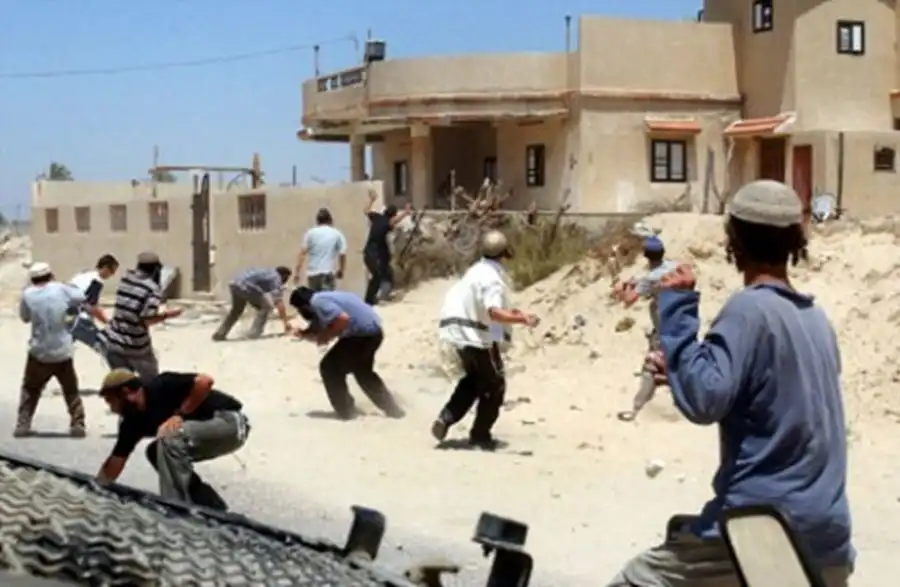

One of the judges explained to the Prime Minister that he had the same privileges as other witnesses, that he could sit or stand as he pleased.


As he began his testimony, Netanyahu told the judges, "Hello... I have waited 8 years for this moment, to tell the truth."


According to the opinion submitted by the General Security Service (Shabak) to the court, and for security reasons, the trial sessions are being held in an underground room in Tel Aviv, not in Jerusalem, and in a fortified hall that is usually used to try major criminals, because it has security specifications that are not found in other courts.


Support Ministers

Several ministers arrived at the courtroom to support Netanyahu, including National Security Minister Itamar Ben-Gvir, Communications Minister Shlomo Karhi, and Transportation Minister Miri Regev, who said in press statements, "It is shameful that the prime minister is asked to testify while he is waging one of the most complex wars in the State of Israel."


Deputy Prime Minister and Justice Minister Yariv Levin said, "It is difficult not to feel a strong sense of injustice this morning in light of the proceedings that have been going on for years against the prime minister and the insistence on holding them precisely at these days when so much is on his shoulders."


As for the extremist Minister of National Security, Itamar Ben-Gvir, he issued a statement condemning the government’s attorney general, Gali Baharav-Miara, and said that he would present the government with a draft resolution to remove her from her position.


demonstrations

Outside the courthouse, anti-Netanyahu protesters and supporters chanted, "Netanyahu, the people support you." Opponents who have been demonstrating against him for months chanted, "Netanyahu to prison," "Everyone is alive," "We will not forget and we will not forgive," and "Bribery, fraud, and breach of trust."


Clashes erupted between the families of the kidnapped and Netanyahu supporters, while a reinforced police force of about 200 police officers was stationed at the site to maintain public order and ensure the safety of all those present.


"This is a sad day for Israel," said one of the families of the kidnapped who demonstrated outside the court. "While we demand the return of our loved ones to their homes, he is dealing with himself and his trial. Where are the values? Where is the responsibility of leadership?"


Another protester added: “He is using his position to avoid obeying the law like any other citizen. No one facing a criminal trial can continue to lead the country.”


For the first time

This is the first time a sitting Israeli prime minister has testified in his own criminal trial, unlike former prime minister Ehud Olmert, who was tried on criminal charges and chose to resign from office.


The trial is expected to last at least two months, during which Netanyahu is expected to testify three times a week, from 10:00 to 16:00, except in exceptional cases that the court will decide at the time.


In the legal phase known as the “defense case,” Netanyahu will present his speeches and arguments that will focus on his career, from his days as a young politician to his many years leading the country. Netanyahu is also expected to present his political, security and economic achievements and to talk about his diplomatic achievements on the international stage.


After that, Netanyahu's questioning will begin in a preliminary examination. It is worth noting that the indictment against Netanyahu includes 3 cases related to bribery and accepting gifts illegally.


Netanyahu, the first sitting prime minister to face criminal trial, has tried several times to postpone the trial.


Netanyahu had defended his attempts to postpone the trial yesterday, Monday, in press statements in which he said, "They say that I want to evade the trial... This is nonsense... I have been waiting for this day for 8 years. I have waited 8 years for the accusations against me to be refuted."


"I have destroyed the lives of dozens of people around me in order to turn them into witnesses against me through intimidation, threats, falsification of protocols, concealment of evidence, leaks and brainwashing of the public," he added.

PALESTINE

Tue 10 Dec 2024 4:36 pm - Jerusalem Time

Mustafa stresses the necessity for the international community to stand up to its responsibilities by stopping the occupation's crimes against our people

Prime Minister, Minister of Foreign Affairs and Expatriates, Mohammad Mustafa, stressed the necessity for the international community to fulfill its responsibilities by implementing international justice, stopping the crimes of the occupation against our people, and realizing our people’s legitimate rights guaranteed by international law and legitimacy.


This came during his meeting with the Deputy Minister of Foreign Affairs of Greece, Alexandra Papadopoulos, today, Tuesday, in his office in Ramallah, in the presence of the Greek Consul General in Jerusalem, Dimitrios Angelosopoulos, where he discussed with her the latest developments in the Palestinian territories in light of the continued aggression of the occupation against our people in the Gaza Strip, and the attacks of the occupation army and settlers in the West Bank, including Jerusalem.


The Prime Minister stressed the importance of implementing UN Security Council Resolution 2735 in order to stop the aggression on the Gaza Strip and secure the entry and delivery of aid to our people immediately and urgently, saying: “Our people are facing death in the Gaza Strip, not only from shelling and bombs, but also from the shortage of medicine and food.”


Mustafa renewed his rejection of all the occupation's plans to create new facts on the ground in the Gaza Strip, by reoccupying the Strip, establishing so-called buffer zones, and separating the north of the Strip from its south.


The Prime Minister appreciated Greece's provision of relief and humanitarian aid to our people in the Gaza Strip, and its involvement in the international coalition to implement the two-state solution, calling on Greece to recognize the State of Palestine.


For her part, Papadopoulos stressed her country's support for efforts to reach a ceasefire, the importance of bringing aid into the Gaza Strip to meet the needs of the Strip's residents, in addition to Greece's support within the European Union for the long-term comprehensive financial support package.

PALESTINE

Tue 10 Dec 2024 2:29 pm - Jerusalem Time

The number of football dead players has risen to more than 353 since the beginning of the aggression

The Palestinian Football Association said that the number of football players killed in the Gaza Strip has reached more than 353 martyrs, including 91 children and 262 young men, since the beginning of the occupation's aggression on October 7, 2023.


It added, in a statement, that 546 people from the Palestinian sports and scouting movements have been martyred since the beginning of the war.
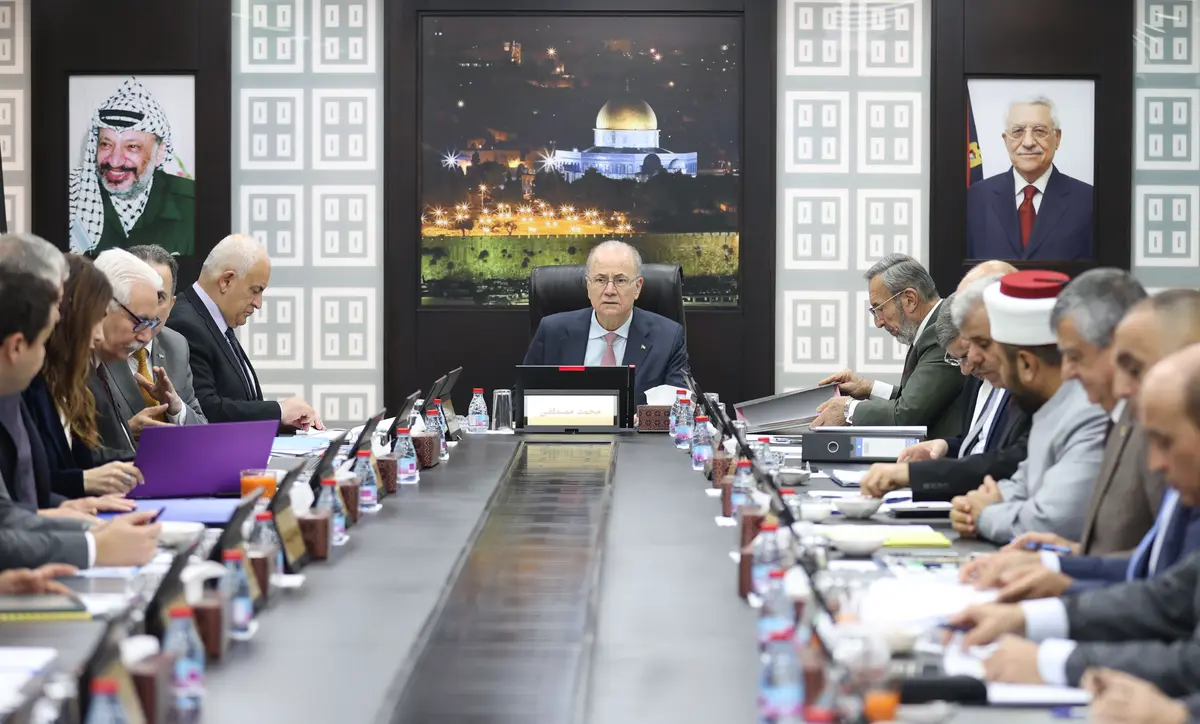

It pointed out that 108 martyrs from the Olympic sports federations were killed, in addition to 85 members of the Palestinian Scout Movement, explaining that two brothers, Muhammad and Mahmoud Khalifa, were killed yesterday when the occupation bombed their home in Nuseirat.


It pointed out that the martyr Muhammad was a player in the Hilal Gaza Club, and also played in the national youth team, while his brother Mahmoud played in the Ahli Al-Nuseirat Club.

PALESTINE

Tue 10 Dec 2024 2:28 pm - Jerusalem Time

Two Palestinians injured by Israeli forces during clashes south of Jenin

Two citizens were injured today, Tuesday, with live bullets during clashes with the Israeli occupation forces in the town of Silat al-Dhahr, south of Jenin.


Local sources reported that the occupation forces stormed the town and opened fire on the citizens, and clashes erupted in the area.


The Red Crescent Society said that its crews dealt with two injuries caused by live bullets to the lower limbs in Silat al-Dahr.

PALESTINE

Tue 10 Dec 2024 2:25 pm - Jerusalem Time

A Palestinian student was injured after being run over by a settler south of Nablus

A student sustained fractures and bruises on Tuesday after a settler ran him over near Al-Sawiya-Al-Lubban Secondary School, south of Nablus.


The Director of the Education Directorate in South Nablus, Samer Al-Jamal, said that the student Ibrahim Muhammad Ibrahim Samara from the village of Al-Lubban Al-Sharqiya was run over by a settler on the road between Ramallah and Nablus, while he was leaving Al-Lubban-Al-Sawiya Secondary School. He is in the sixth grade, which led to him suffering fractures in his leg and bruises on his body. He was transferred to the hospital for treatment.

PALESTINE

Tue 10 Dec 2024 2:16 pm - Jerusalem Time

The Council of Ministers intensifies legal action to invalidate the procedures for seizing thousands of dunums

The Council of Ministers confirmed the intensification of legal and international action to invalidate the occupation’s measures to seize 46 thousand dunams since the beginning of the year, including 24 thousand dunams of state land.


At the forefront of these government moves is the recruitment of 8 law firms within the 1948 territories to defend the rights of our people in approximately 3,000 cases brought before Israeli courts.


Last year also witnessed an unprecedented wave of land seizures, reaching about 50 thousand dunams according to data from the Wall and Settlement Resistance Commission. In addition, the government’s efforts to follow up on demolition and seizure cases against thousands of Jerusalemites by continuing to contract with more than 10 specialized law firms.


Under the continuous directives of President Abbas, the government is working hard to mobilize more international support to stop the crimes of the occupation against our people and their capabilities, to ensure the entry of more aid shipments into the Strip, and to implement the advisory opinion of the International Court of Justice, which rules that the occupation is illegal and that its effects must be removed, while warning at the same time of the continuous calls by Israeli officials to expel and displace our people and reoccupy the Strip and return colonialism to it.


On the other hand, the government confirmed, through the Embassy of the State of Palestine in Damascus, that it is following up on the conditions of our people present on Syrian territory to check on them and provide all possible assistance.


In addition, the Council of Ministers praised the efforts of the security establishment in preserving societal security and peace, and enhancing the steadfastness of our people, especially in light of the difficult circumstances we are going through.


In another context, the Cabinet discussed the memorandum of understanding between the Ministry of Finance and the Jerusalem Electricity Company to regulate the payment of electricity purchases, debts and the financial relationship with the government, in a way that contributes to stopping the Israeli side from deducting the debts of the purchase price of electricity for the Jerusalem Electricity Company from the clearing revenues.


This memorandum comes within the government's plan to address the problem of net lending that has accumulated for many years, which burdens public finances, increases the occupation's deductions from clearance funds, and exacerbates the crises of local authorities. The Ministry of Finance has formed a specialized unit to address net lending, in addition to a specialized committee headed by the Prime Minister, which holds a weekly meeting to follow up on plans to address net lending, which will have a positive impact on improving the quality of services provided to our people.


Prime Minister Mohammad Mustafa instructed the Ministry of Finance, the Energy and Natural Resources Authority, and the Ministry of Local Government to intensify work over the next few weeks to complete the organization of the financial relationship with each of: the Northern Electricity Distribution Company, the Tubas Electricity Company, the Hebron Electricity Company, the Southern Electricity Company, and all electricity distributors from the local authorities, as it constitutes a national priority to prepare electricity distributors for the transition phase to renewable energy sources, and the urgent necessity to stop the severe financial bleeding in this vital and important sector, which has become a threat to the financial stability of the government and the ability to continue supplying electricity to our people.


It is worth noting that the Israeli deductions from the clearance revenues under the item of electricity debts on the distribution companies and electricity distributors from the local authorities alone amounted to about 1.3 billion shekels since the beginning of this year until the end of October, and about 12.2 billion shekels since 2012, which, along with other deductions from the clearance revenues, which amounted to about 65%, affected the ability of the Palestinian government to fulfill its financial obligations towards employees and the private sector, and caused great harm to the Palestinian economy.


In addition, the Cabinet approved the governance plan for non-ministerial government institutions, which is based on reviewing the work and jurisdiction of 54 non-ministerial government institutions. During the past eight months of the government’s term, the work of 13 institutions has been governed, and work is being completed on the governance of the remaining institutions, as part of the government’s plan to improve the quality of services, rationalize expenditures, and governance.


In order to ease traffic congestion on the street adjacent to Jalazone camp, the Council of Ministers approved the appointment of 10 employees on temporary contracts to regulate traffic.

PALESTINE

Tue 10 Dec 2024 1:01 pm - Jerusalem Time

The death toll in the Gaza Strip since the beginning of the aggression has risen to 44,786

The Ministry of Health in Gaza announced today, Tuesday, that the death toll in the Gaza Strip has risen to 44,786, the majority of whom are children and women, since the start of the Israeli occupation aggression on October 7, 2023.


It added that the number of injuries has risen to 106,188 since the beginning of the aggression, while thousands of victims are still under the rubble.


It pointed out that the occupation forces committed 4 massacres, which resulted in the death of 28 citizens and the injury of 54 others.