







The UAE Ministry of Foreign Affairs expressed its strong condemnation of the aggressive attacks that targeted land border centers and an offshore drilling platform in the State of Kuwait. In an official statement, the ministry described these aggressions as a blatant violation of Kuwaiti sovereignty and a direct threat to regional security and stability, affirming Abu Dhabi's full support for Kuwait in all measures it takes to protect its territory.
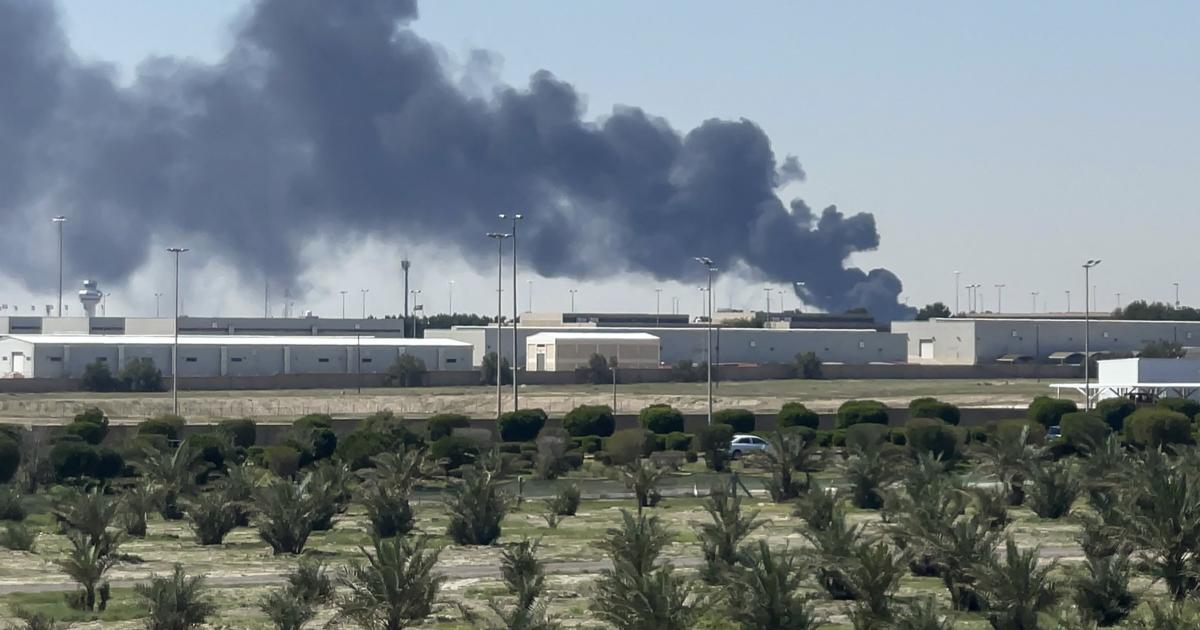
For its part, the Kuwaiti army revealed details of the aggressions that affected the northern region of the country, where three land border centers were subjected to what were described as heinous strikes. The spokesperson for the Kuwaiti Ministry of Defense, Colonel Saud Abdulaziz Al-Atwan, explained that the attacks caused extensive material damage to the targeted sites, without recording any human casualties at those centers.
In a parallel development, an offshore drilling platform belonging to the Kuwait Oil Company was directly targeted by a hostile drone within territorial waters. This attack resulted in material damage to the platform and injuries to one of the workers, who was immediately transferred to receive necessary medical care, while the competent authorities began investigating the circumstances of the incident.
The General Staff of the Kuwaiti Army affirmed that the armed forces are in a state of full readiness to deal with any future threats. The Staff emphasized that it has taken all necessary measures and precautions to secure the borders and protect vital installations, noting the high-level coordination between various security and military agencies to confront this escalation.
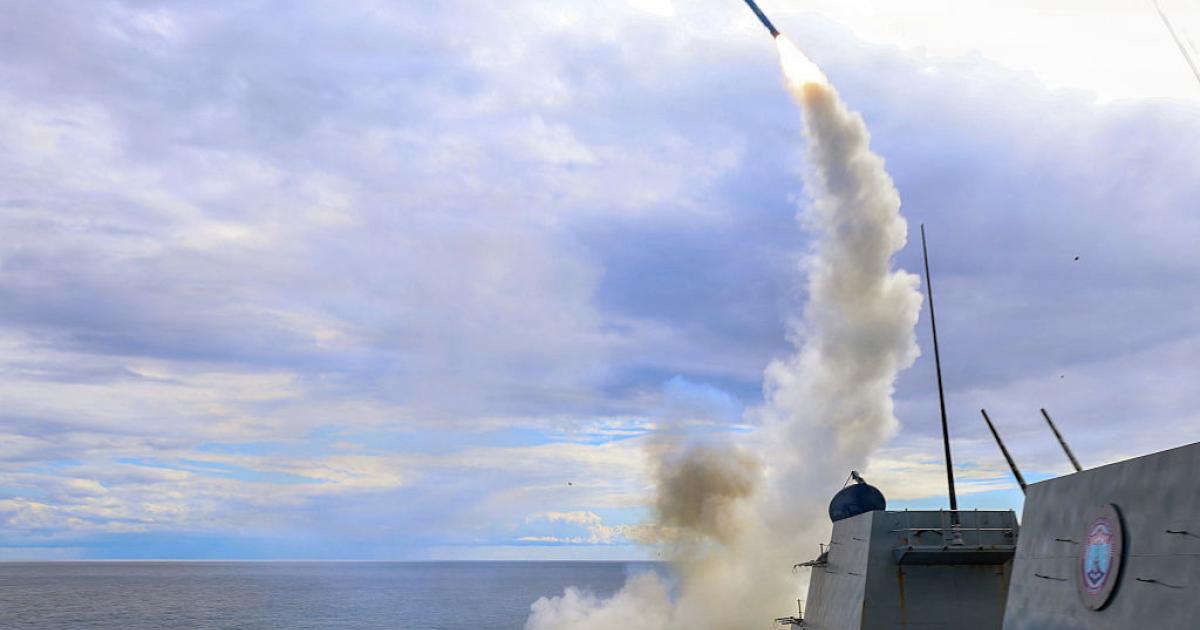
These dangerous field developments come in the context of a large-scale military confrontation that began with the United States launching intensive attacks on targets inside Iranian territory. The American strikes came in response to Iran's targeting of a commercial vessel in the Strait of Hormuz, which led to it catching fire and its crew being forced to abandon it under threat of sinking.
Sources reported that the Iranian response was not delayed, as Tehran launched a series of missile and drone strikes targeting several Gulf countries. The list of targets included sites in the United Arab Emirates, Qatar, and Bahrain, in addition to Kuwait, plunging the region into an unprecedented escalation that threatens global energy supplies.
In Washington, the US administration announced the targeting of approximately 140 military targets deep inside Iran in the largest military operation since the signing of the latest memoranda of understanding between the two parties. Sources confirmed that the attacks focused on the military infrastructure of the Iranian Revolutionary Guard and missile launch platforms that threaten international navigation in the Arabian Gulf.
On the other hand, Iranian media claimed that the missile force of the Revolutionary Guard succeeded in destroying American 'HIMARS' missile platforms stationed in Kuwaiti territory. These sources claimed that there were deaths and injuries among the forces present there, but the Kuwaiti authorities did not confirm these reports and only referred to the material damage at the border centers.
In a related context, Israel entered the crisis with statements from its Prime Minister Benjamin Netanyahu, who considered that his country had succeeded in averting a direct existential threat. Netanyahu indicated that the recent military movements contributed to neutralizing threats related to the Iranian nuclear program, affirming that Tel Aviv is closely monitoring ongoing developments in the region.
The region is witnessing a state of diplomatic and military alert in an attempt to contain the situation and prevent it from sliding into an all-out war. International efforts are currently focused on securing the Strait of Hormuz shipping lane, which is the main lifeline for global oil trade, amid mutual threats between Washington and Tehran to target more vital sites.
Observers believe that the targeting of oil and border facilities in Kuwait represents a dangerous shift in regional rules of engagement. Concerns are growing that continued mutual shelling could disrupt oil production in the region, which would necessarily lead to sharp jumps in global energy prices and negative economic impacts affecting all continents.
The aggressive attack on the State of Kuwait represents a blatant violation of its sovereignty and a threat to its security and stability, and we affirm our full solidarity with our brethren.

Share your opinion
UAE Condemns Attack on Kuwait Amid Broad Military Escalation Between Washington and Tehran