






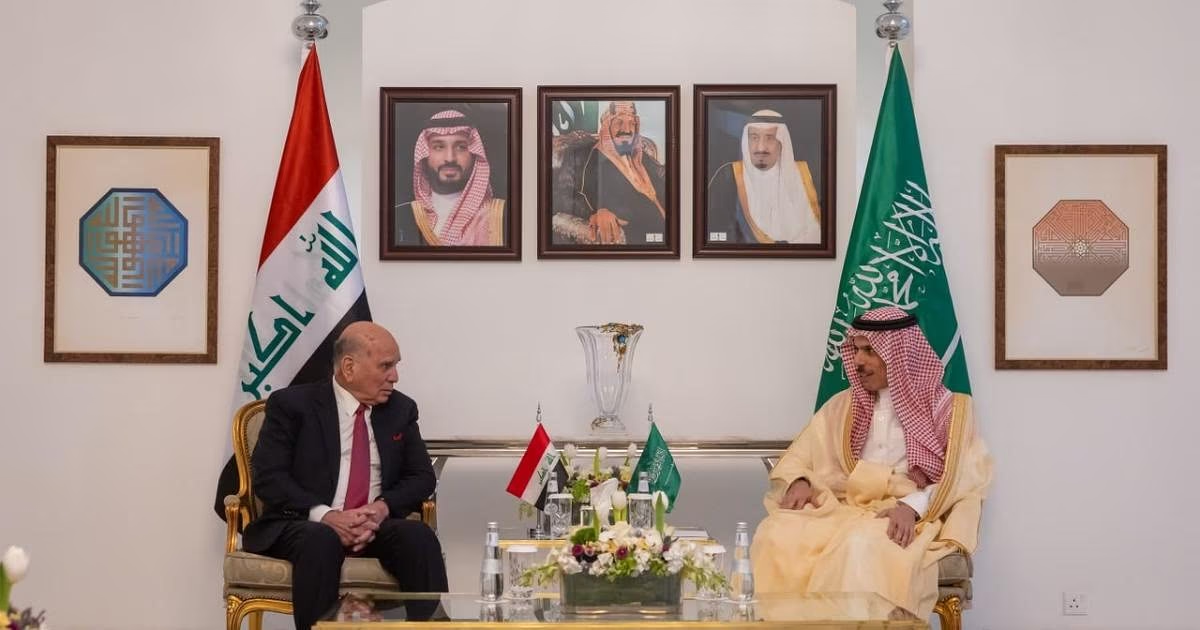
The Saudi capital, Riyadh, hosted a high-level bilateral meeting on Sunday, bringing together Saudi Foreign Minister Prince Faisal bin Farhan and his Iraqi counterpart, Fuad Hussein. The meeting was attended by prominent officials from both sides to discuss prospects for joint cooperation and address the security and political challenges currently facing the region.
The official discussions focused on the necessity of consolidating the principles of respecting national sovereignty and good neighborliness, while emphasizing the rejection of interference in the internal affairs of states. A statement issued by the Saudi Ministry of Foreign Affairs clarified that both parties agreed on a unified vision that rejects the exploitation of any country's territory as a platform to threaten the stability of neighbors or undermine regional security.
During the meeting, the Iraqi side reiterated its strict commitment to preventing any attempts to use Iraqi geography, whether land or air, to carry out hostile attacks. The Iraqi delegation affirmed that Baghdad would not allow its territory to be a launching point for any action targeting the security of the Kingdom of Saudi Arabia or any of the GCC countries.
These diplomatic moves come amidst highly complex regional circumstances, with the statement highlighting the importance of supporting Iraq's stability and strengthening the role of its national institutions. Observers believe that this coordination aims to fortify the region against the repercussions of armed conflicts that recently erupted between regional and international powers in neighboring territories.
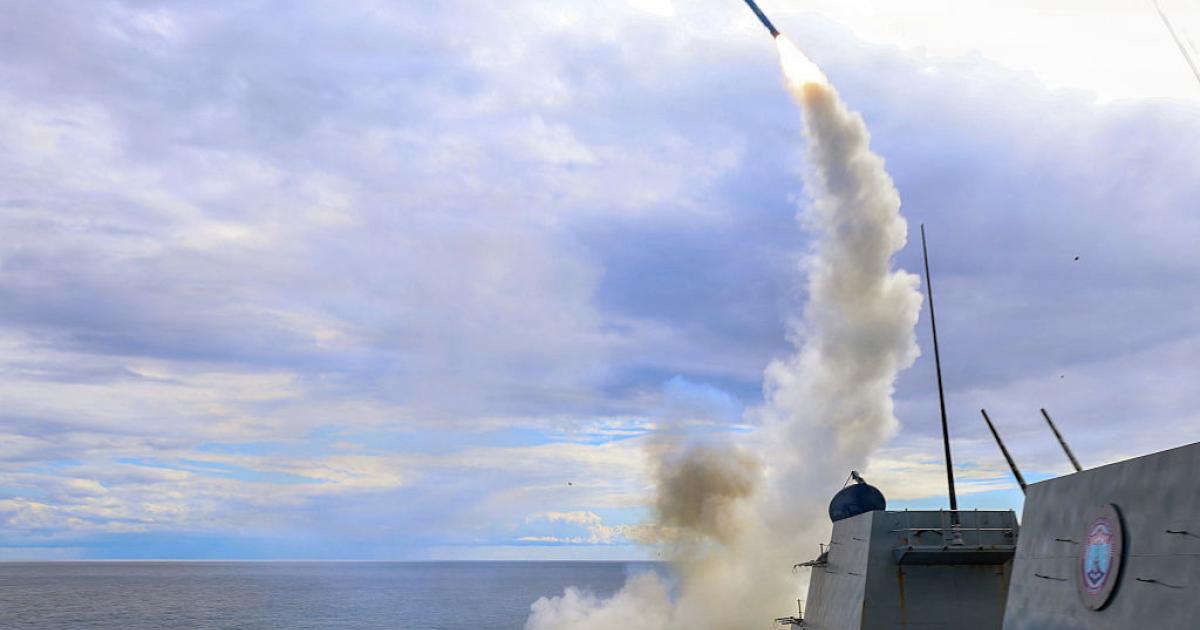
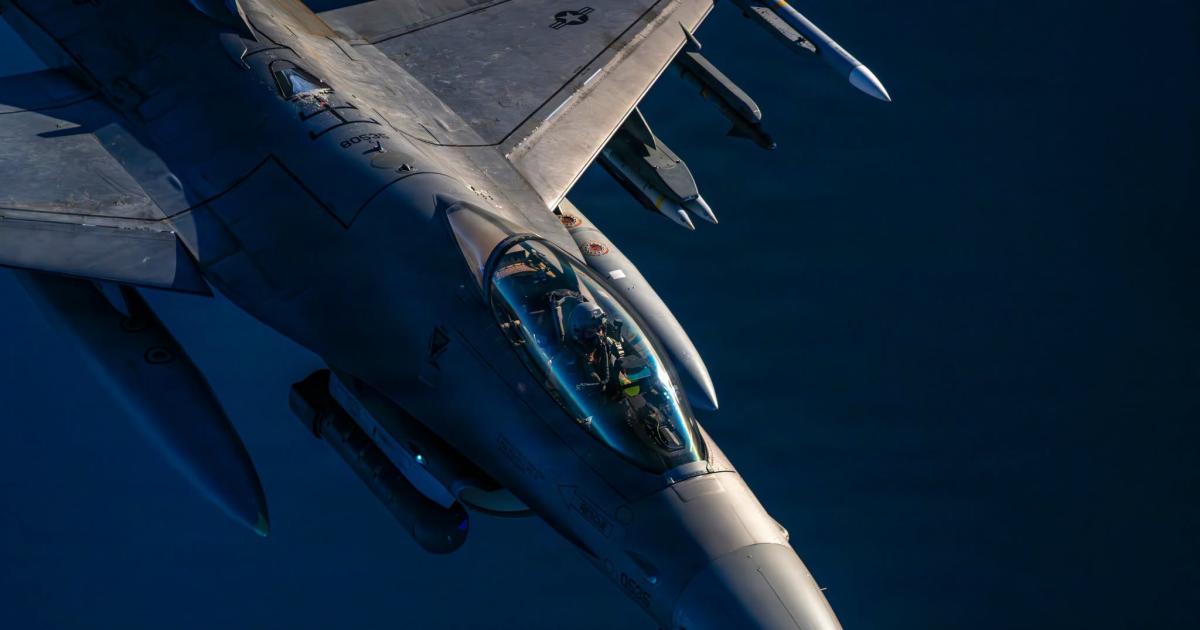
The meeting touched upon developments in the security situation, especially after the military escalation witnessed in the region since last February between the United States and Israel on one hand, and Iran on the other. These confrontations have resulted in significant human and material losses, prompting Arab countries to seek ways to de-escalate and protect their borders.
Sources reported that the Saudi and Iraqi sides discussed ways to enhance cooperation in various economic and political fields to serve common interests. The ministers stressed that Iraq's stability is a fundamental pillar for the security of the Arabian Gulf region and the Middle East in general, which requires continuous coordination at the highest levels.
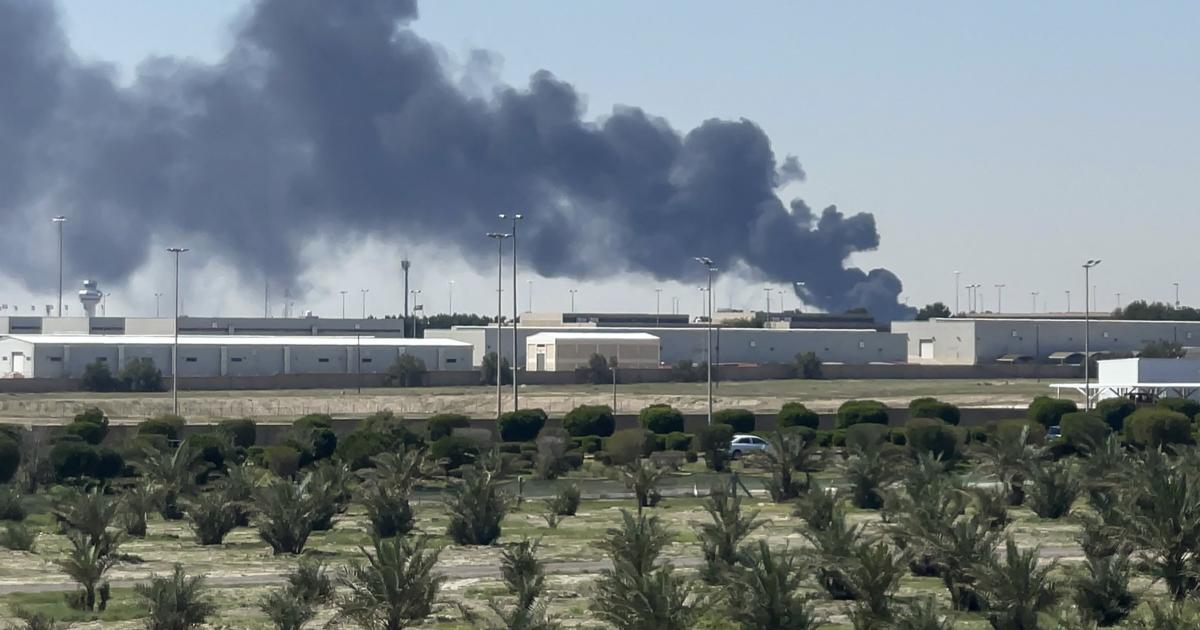
Previous reports had indicated that some GCC countries were subjected to attacks, in which armed factions active in the region were accused, which prompted Baghdad to affirm its rejection of these actions. Through these meetings, Iraq seeks to deny any official connection to the attacks that targeted civilian facilities in neighboring countries.
In a related context, both sides recalled previous statements by Iraqi Prime Minister Ali Al-Zaidi, who confirmed the absence of evidence proving that attacks originated from Iraqi territory towards the Gulf. This affirmation comes within the framework of the Iraqi government's endeavor to reassure its regional partners and build strong bridges of trust with the Arab environment.
The meeting also addressed the collapse of international memoranda of understanding that aimed to de-escalate tensions between Washington and Tehran, which increased the pace of regional concern. Both parties expressed their apprehension about the repercussions of the failure of international diplomatic channels on the security of waterways and vital installations in the region.
Saudi Arabia emphasized its full support for the Iraqi government's efforts to assert its sovereignty and prevent uncontrolled weapons from affecting Iraq's foreign relations. Riyadh considered the strength of Iraqi institutions to be the real guarantee against the country being drawn into proxy conflicts that harm the interests of the Iraqi people and its neighbors.
The two ministers agreed to continue close coordination and consultation to confront common threats, with a focus on activating the security agreements signed between the two countries. This cooperation aims to create a safe environment that allows for increased Saudi investments in Iraq and supports reconstruction and economic development projects.
The final statement affirmed that safeguarding the region's security is a collective responsibility that requires full commitment to international conventions and rules of international law. Both sides indicated that dialogue is the only way to resolve existing disputes, away from the language of threat and the use of force, which only results in destruction and displacement.
At the conclusion of the meeting, the Iraqi delegation expressed its appreciation for the leading role played by the Kingdom in supporting the region's issues and its economic stability. For his part, Prince Faisal bin Farhan affirmed that the Kingdom places Iraq's security and stability at the top of its political priorities, considering it an integral part of the Arab national security system.
This meeting is expected to be followed by a series of technical meetings between security officials from both countries to develop executive mechanisms for what was agreed upon. This path aims to ensure border monitoring and prevent any breaches that could lead to strained bilateral relations or threaten the security of GCC countries.
Iraq is committed to not allowing its territory or airspace to be used as a launching point for any actions or attacks targeting the Kingdom or GCC countries.


Share your opinion
Saudi Arabia and Iraq Emphasize Protecting Sovereignty and Rejecting Mutual Security Threats