






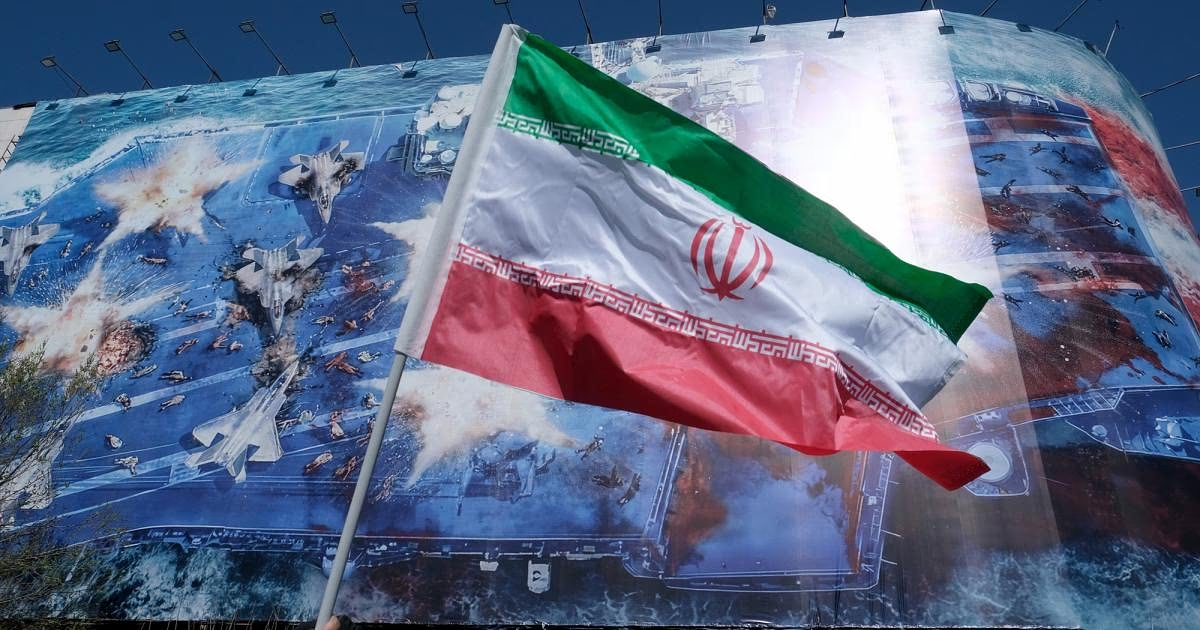
The Iranian Ministry of Foreign Affairs strongly condemned the military strikes carried out by the United States on its territory, describing them as an aggressive act that undermines all diplomatic efforts. Tehran affirmed in an official statement that Washington is responsible for thwarting the efforts made over the past months to de-escalate the situation in the West Asia region.
Iranian diplomacy considered these attacks a blatant violation of the principles of the United Nations Charter and international laws governing state sovereignty. Tehran warned that the continuation of this American military approach poses a direct threat to international peace and security, and pushes the region towards further instability.
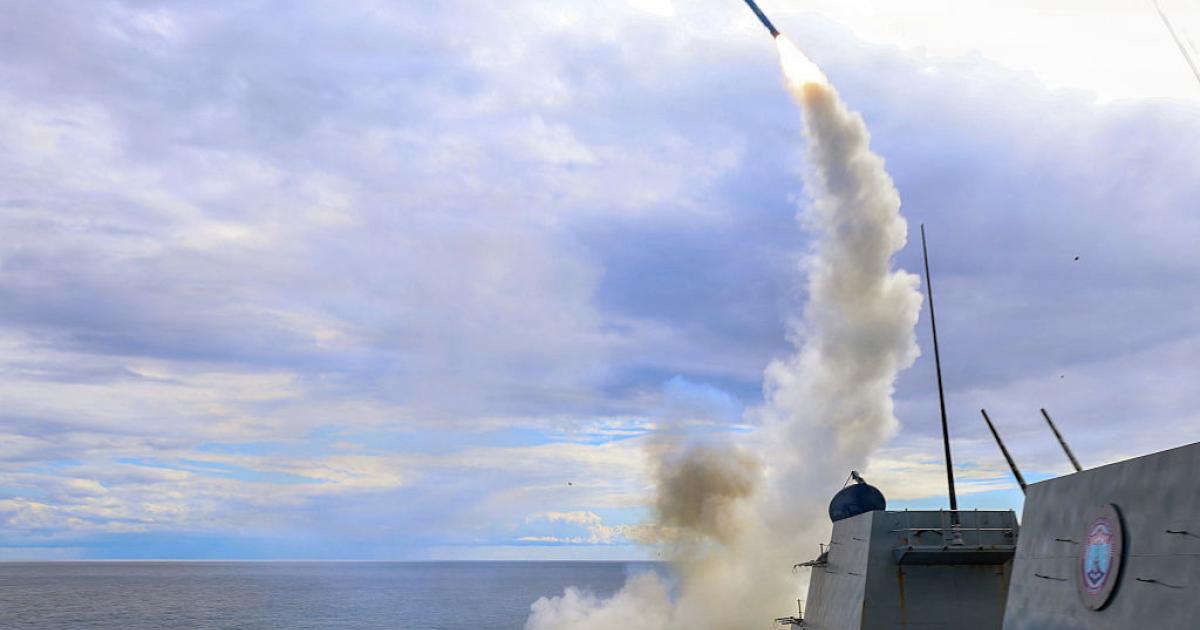
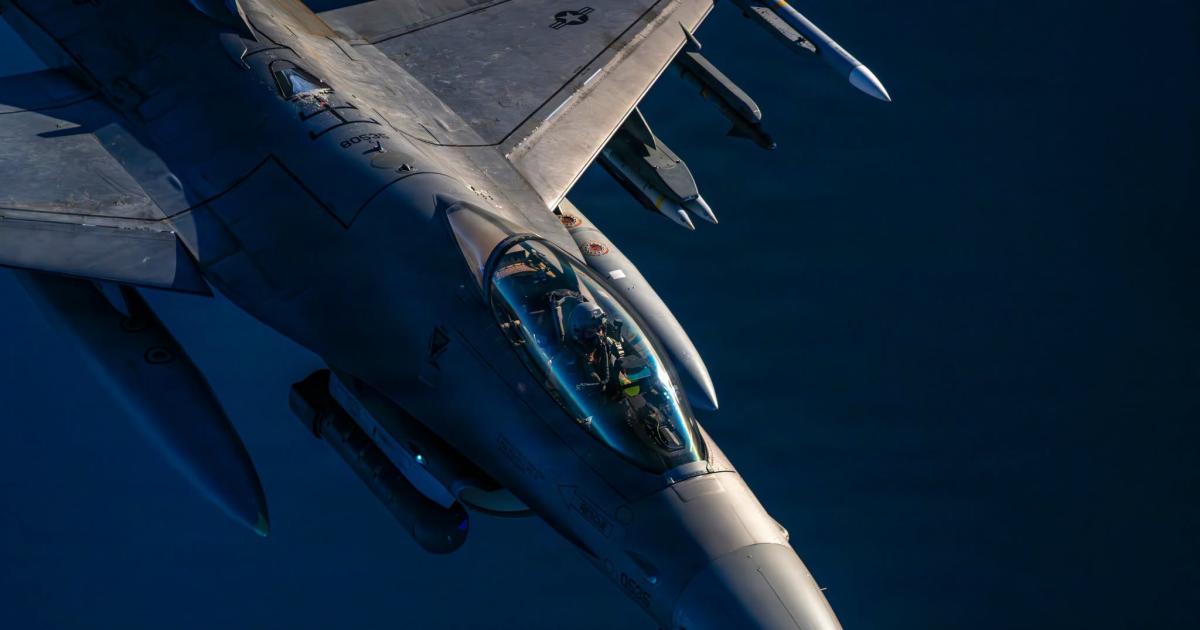
For its part, the US Central Command (CENTCOM) announced a wide wave of airstrikes targeting about 140 military targets within Iranian territory. Military sources explained that the attacks hit missile and drone sites, in addition to ammunition depots, naval facilities, and coastal communication and surveillance networks.
Sources indicated that these operations came under direct orders from US President Donald Trump, with the aim of holding Iranian forces accountable for targeting commercial vessels. Washington claimed that the strikes seek to weaken Tehran's ability to threaten international navigation in the Strait of Hormuz and ensure the safety of civilian sailors crossing the waterway.
In contrast, media sources in southern Iran reported hearing violent explosions shaking several strategic areas, including Qeshm Island and the cities of Jask, Sirik, and Bandar Abbas. These areas are vital centers overlooking the Strait of Hormuz, where US strikes focused on disrupting Iranian defensive and offensive capabilities there.
In a remarkable field development, the Iranian Revolutionary Guard announced the complete closure of the Strait of Hormuz to maritime navigation until further notice, in response to the American escalation. This decision came hours after the Revolutionary Guard announced targeting two commercial vessels in the strait, claiming they violated the transit rules recently imposed by Iranian authorities.
Iran's response was not limited to closing the strait, but extended to targeting sites where US forces are stationed in several countries in the region. Tehran announced that it had launched missile strikes at military sites in Kuwait, Bahrain, Qatar, and Jordan, as part of what it described as a legitimate response to American aggression.
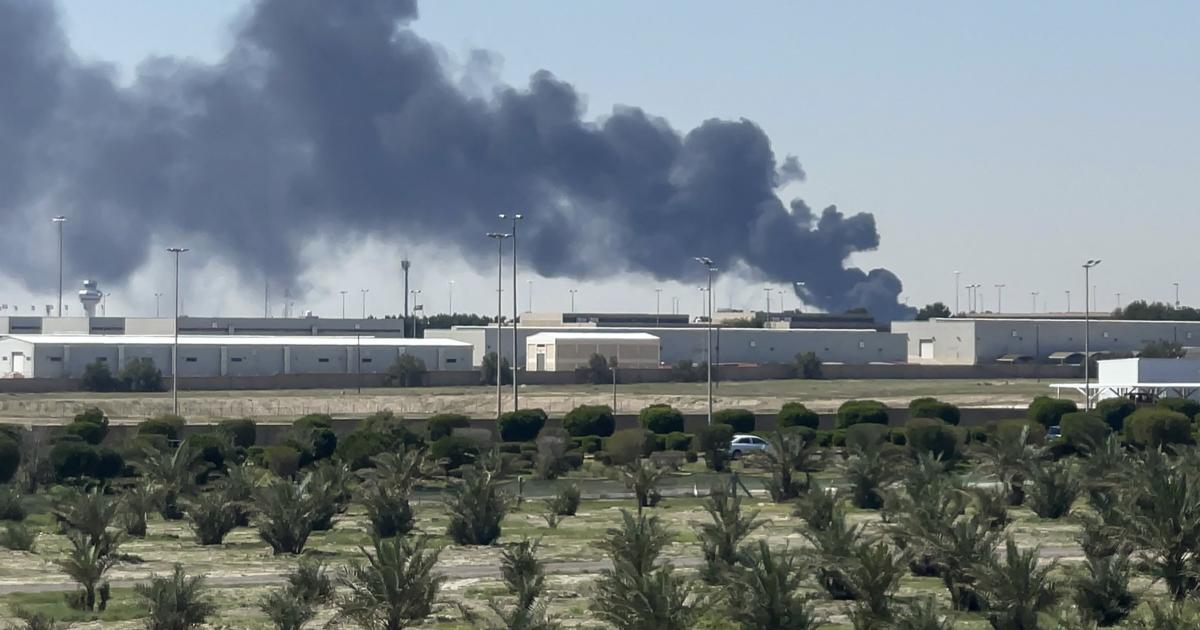
On Sunday, the region witnessed a wave of attacks, the widest since the undeclared truce between Washington and Tehran last April. These attacks affected six Arab countries, including Qatar, the UAE, Kuwait, Bahrain, Oman, and Jordan, amid direct accusations against Iran of being behind these escalatory operations.
Tehran accused the US administration of causing the return of insecurity in the Strait of Hormuz, through what it described as overt interference in the security arrangements taken by Iran. The Iranian Foreign Ministry said that the US military presence is the main reason for disrupting international trade and destabilizing waterways.
These rapid developments bring tension to its peak in the Gulf region, amid international fears of a comprehensive confrontation that would affect global energy supplies. Observers believe that the closure of the Strait of Hormuz represents a strong bargaining chip used by Tehran to counter the military and economic pressures exerted by Washington.
In light of this escalation, international circles are awaiting global reactions and the positions of major powers regarding this direct conflict. Questions remain about the extent to which remaining diplomatic efforts can contain the situation and prevent the region from sliding into a large-scale war whose outcomes cannot be predicted.
These brutal attacks are not only a blatant violation of the principles of the United Nations Charter, but also pose a serious threat to international peace and security.

Share your opinion
Iran accuses Washington of undermining diplomacy and vows retaliation after strikes targeted 140 sites