






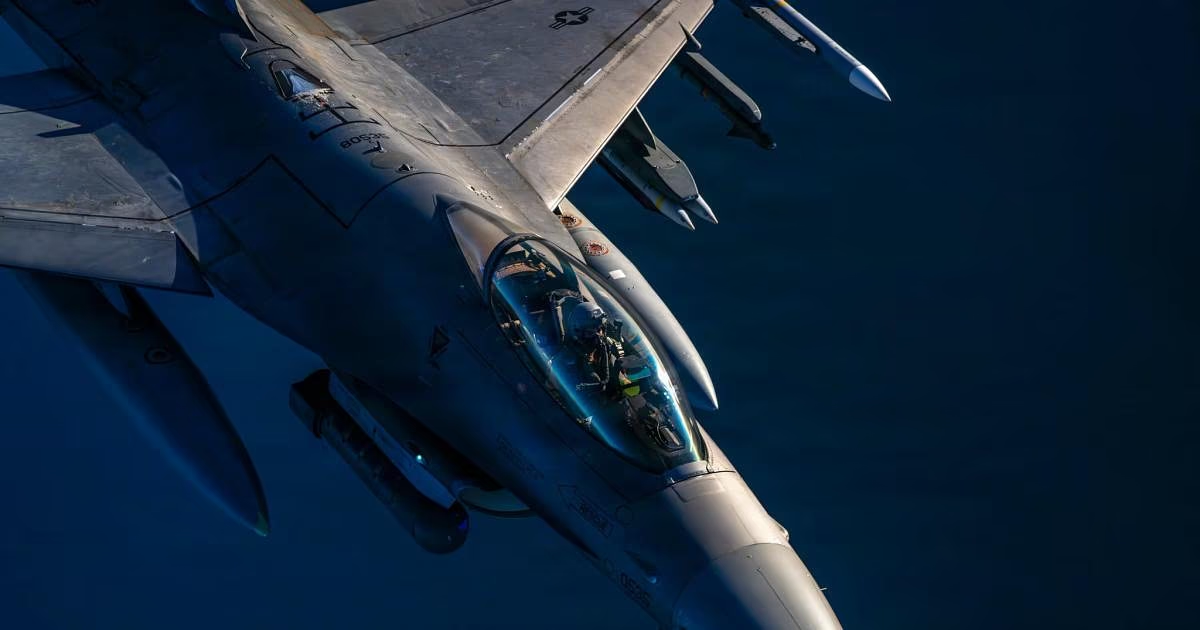
The past few hours have witnessed a dangerous military escalation in the Gulf region, as an employee of an Iranian telecommunications company was killed and two others injured in attacks targeting Hormozgan province in southern Iran. Official sources reported that the strikes focused on the 'Farur' area, part of Bandar Lengeh, coinciding with a new wave of direct confrontations between American and Iranian forces.
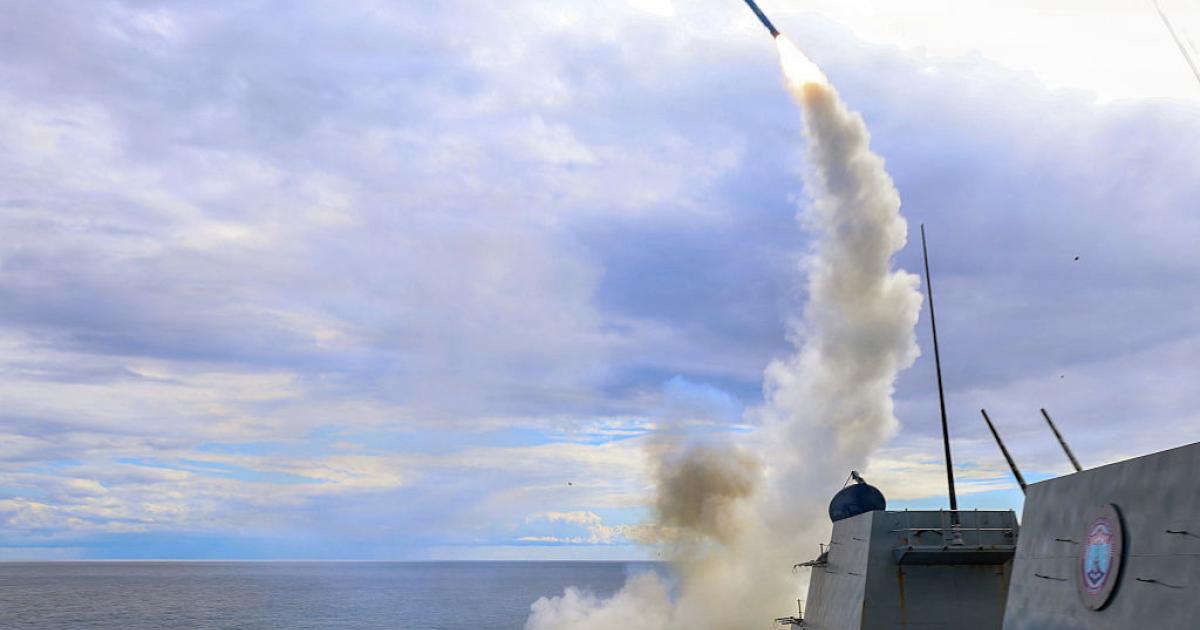
In the coastal city of Bandar Abbas and the strategic Qeshm Island, violent explosions rocked the area overlooking the Strait of Hormuz. Local sources confirmed that the sounds of the explosions were clearly audible from the sea, while officials on Qeshm Island indicated that the area was subjected to about 11 missiles launched by American forces, with no human casualties specifically at that point.
For his part, a senior American official revealed that the United States carried out a series of precise airstrikes targeting Iranian air defense systems and missile launch platforms. American military operations also included the destruction of Iranian Revolutionary Guard speedboats stationed at various locations around the Strait of Hormuz, in an attempt to curb naval threats.
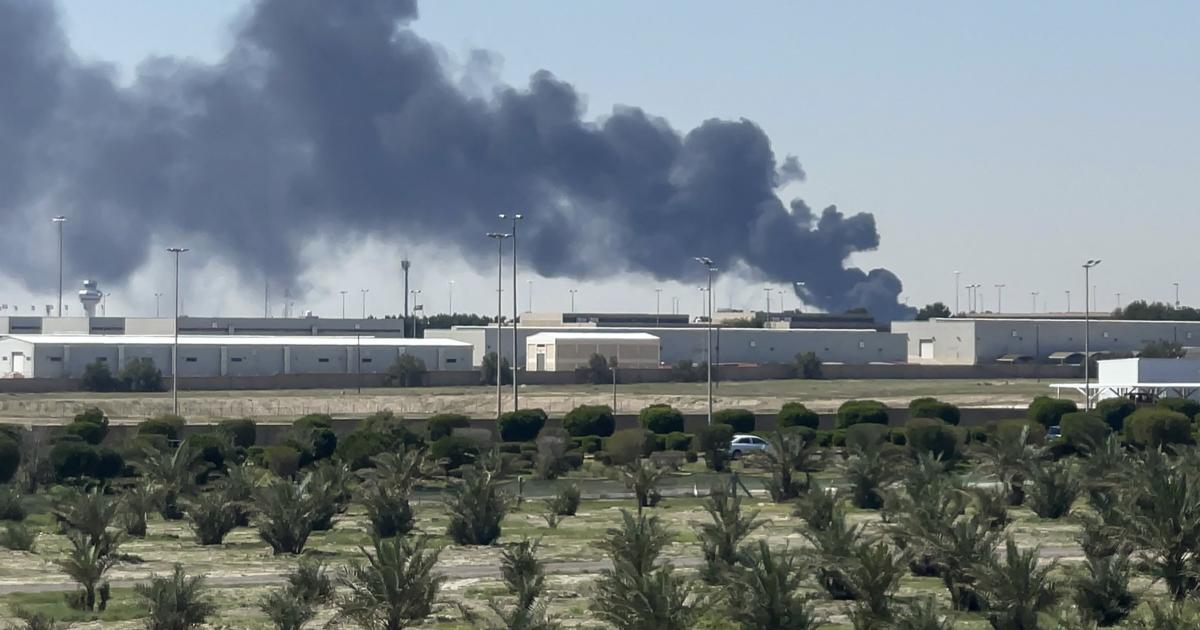
On the Kuwaiti side, the Ministry of Defense announced that three border centers in the northern region were subjected to what it described as aggressive attacks, resulting in extensive material damage. The attacks were not limited to land borders but also targeted an offshore drilling rig belonging to the Kuwait Oil Company in territorial waters by a drone, injuring one worker.
In a direct response, Tehran claimed responsibility for launching ballistic missiles towards sites in Kuwait, alleging that they targeted military bases used by American forces to launch attacks on Iranian territory. This development places the region before open scenarios of a comprehensive confrontation whose geographical scope has begun to expand to include neighboring countries.
The Iranian Revolutionary Guard took a major escalatory step by announcing the closure of the Strait of Hormuz to international maritime navigation until further notice. Tehran justified this decision by the necessity of imposing new transit rules, stating that it targeted two ships in the strait for allegedly violating Iranian instructions, which directly threatens global energy supplies.
The US Central Command 'CENTCOM' confirmed, for its part, the launch of a wave of retaliatory attacks against targets inside Iran, in response to what it described as the targeting of commercial vessels in international waterways. Washington stressed that its operations aim to protect freedom of navigation and ensure the security of its allies in the region against increasing Iranian threats.
The conflict's effects extended to the Sultanate of Oman, where the Ministry of Foreign Affairs summoned the Iranian ambassador in Muscat to deliver a strongly worded protest note. This step came after Omani areas were targeted by Iranian drones, which the Sultanate considered a violation of state sovereignty, principles of good neighborliness, and international norms.
In Doha, the Qatari Ministry of Foreign Affairs condemned the Iranian attacks that targeted its territories, holding Tehran fully legally responsible for the resulting repercussions. Qatar affirmed that these military actions undermine diplomatic efforts aimed at de-escalation, emphasizing its right to respond in accordance with the requirements of general international law.
On the ground in Qatar, the Ministry of Interior announced that three people, including a child, were injured as a result of missile shrapnel falling after being intercepted in Qatari airspace on Sunday morning. Authorities called on citizens to exercise caution and obtain information from official sources, confirming the success of air defenses in confronting several hostile targets.
Bahrain and the UAE, in turn, declared a state of defensive alert, with Manama confirming the activation of sirens and calling on residents to head to safe shelters. In the UAE, the Ministry of Defense announced that air defense systems successfully dealt with missiles and drones that attempted to penetrate Emirati airspace coming from Iran.
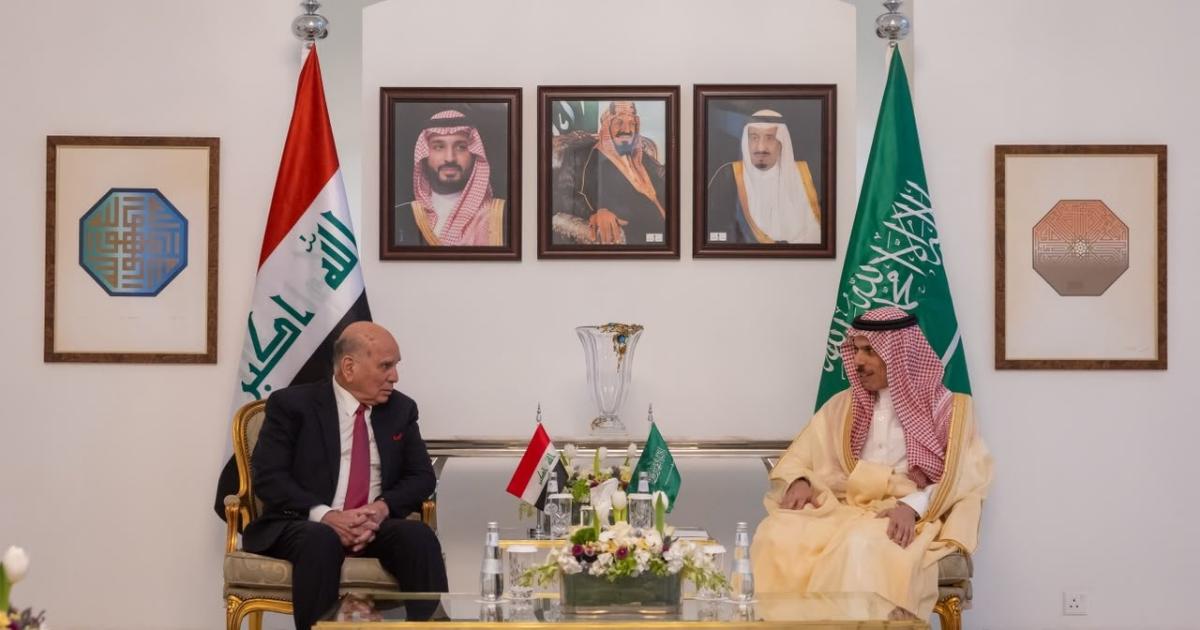
Saudi Arabia entered the political condemnation line, with its Ministry of Foreign Affairs expressing its strongest condemnation of Iran's destabilizing behavior. Riyadh stressed that repeated attacks on commercial vessels and threats to navigation represent an imminent danger that requires a firm international stance to stop these transgressions.
Politically, the diplomatic path appears to have completely collapsed after US President Donald Trump announced the cancellation of the memorandum of understanding signed last June. That memorandum, mediated by Qatar and Pakistan, represented a glimmer of hope for reaching a final agreement before being swept away by the latest military escalation.
Field data indicates that Iran has expanded its targeting circle to include sites where American forces are present in Jordan, Qatar, and Bahrain, in addition to Kuwait. This expansion of military operations warns of a widespread regional war, especially with all parties insisting on using military force to achieve field or political gains.
The continuation of these attacks represents a dangerous escalation that would complicate efforts to contain tension and undermine political and diplomatic endeavors.


Share your opinion
Widespread Military Escalation: One Dead in Iran, Attacks Target Kuwait and Gulf States Amid Strait of Hormuz Closure