






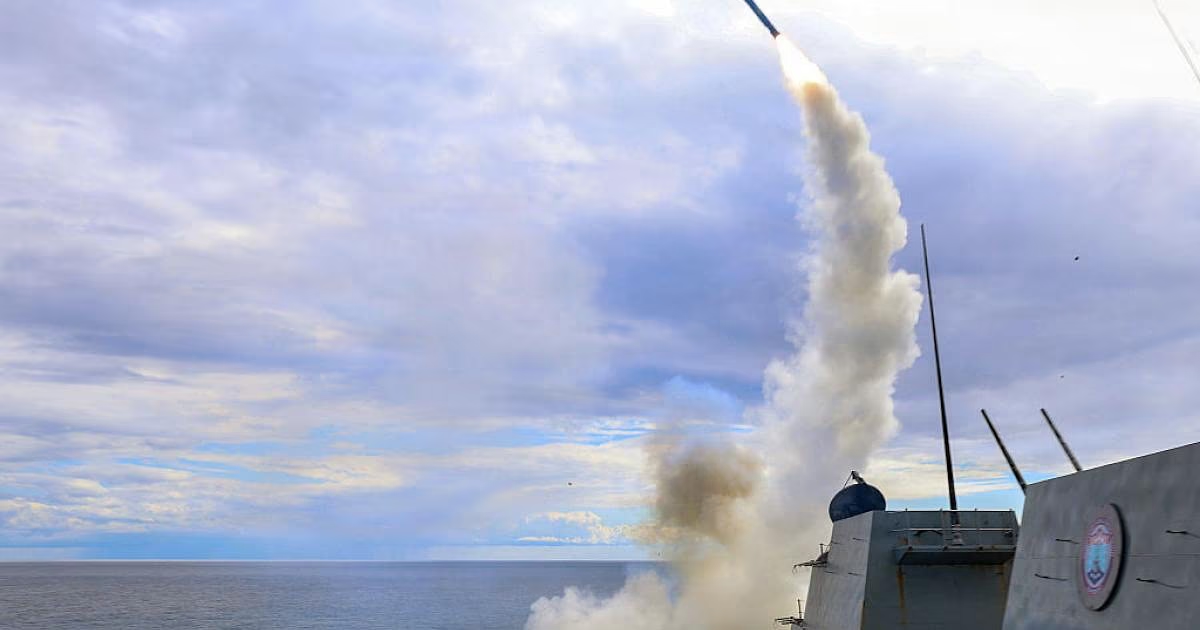
The military confrontation between Tehran and Washington has entered a new phase of direct field escalation, with the US Central Command (CENTCOM) announcing extensive aerial operations targeting approximately 140 military sites deep within Iran. These military movements came in response to an attack on a commercial vessel in the Strait of Hormuz, reflecting increasing tension in strategic international shipping lanes.
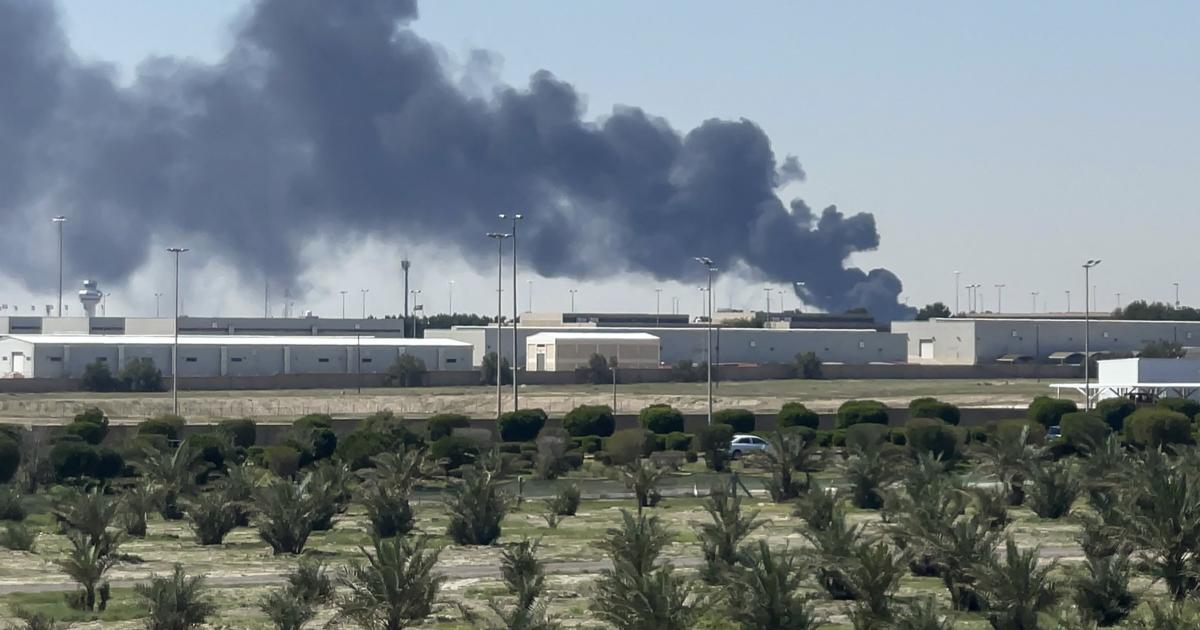
In contrast, Tehran was quick to demonstrate its ability to retaliate, with the Iranian Revolutionary Guard Corps launching a series of missile and drone attacks targeting American forces' sites and bases in several Gulf countries. Military sources confirmed that the Iranian response also included logistical support facilities in Duqm Port in Oman, a clear indication of the expanding scope of the confrontation.
Military experts believe that the official American narrative exaggerated the results of the recent military operations, especially with statements from President Donald Trump and military leaders about achieving decisive successes. Military analyst Major General Mahmoud Al-Samadi considered that these assessments do not match the reality on the ground, which shows Iran maintaining effective deterrent capabilities despite the intensity of American firepower.
Analytical readings indicate that Admiral Brad Cooper, commander of CENTCOM, went too far in stating that Iran had lost its ability to exert regional influence. The data on the ground confirms that Tehran built its military doctrine on the basis of 'asymmetric warfare,' a method that allows it to absorb major conventional strikes and continue to wear down adversaries for long periods.
Geography plays a crucial role in strengthening Iranian resilience, as its extensive land borders with seven countries and its long coastlines provide multiple logistical and economic alternatives. These geographical advantages significantly limit the effectiveness of blockade and international sanctions policies, despite the significant economic pressures Washington imposes on Iran domestically.
On the manufacturing front, intensive military operations did not paralyze Iran's military production capabilities; instead, factories continued to supply forces with ballistic missiles and drones. This continued production is the cornerstone of Iran's deterrence strategy, ensuring the flow of necessary weapons to carry out simultaneous and large-scale operations in the region.
Observers believe that the recent attacks on American bases and facilities in Oman are tangible evidence of the weakening of American deterrence in the region. Despite thousands of airstrikes, Washington has not yet succeeded in achieving its fundamental political goal of changing the Iranian regime's strategic behavior or forcing it to retreat.
American objectives in this conflict go beyond mere direct military response, as Washington seeks to maintain its absolute dominance and prevent the emergence of any regional power capable of challenging its influence. This approach is closely linked to the broader global conflict with China, as the United States seeks to secure its control over energy sources and vital supply lines in the Middle East.
The continuation of the current military escalation reflects a state of political impasse, where both parties refuse to make fundamental concessions that would lead to sustainable de-escalation. Despite the material and human losses incurred by the various parties, the equation of final resolution remains absent, with Tehran insisting on continuing its military resistance approach to external pressures.
Ultimately, the Middle East remains an open arena for all possibilities in light of the failure of advanced conventional weapons to impose a single political will. Recent developments confirm that the confrontation between Washington and Tehran is likely to continue as a long-term war of attrition, in which regional calculations intertwine with major international conflicts over influence and energy.
The United States and Israel used the greatest conventional military power, but they were unable to impose dictates or force Tehran to submit.


Share your opinion
Escalation of Military Confrontation between Washington and Tehran: Has Traditional Deterrence Failed to Break the 'Asymmetric Warfare' Strategy?