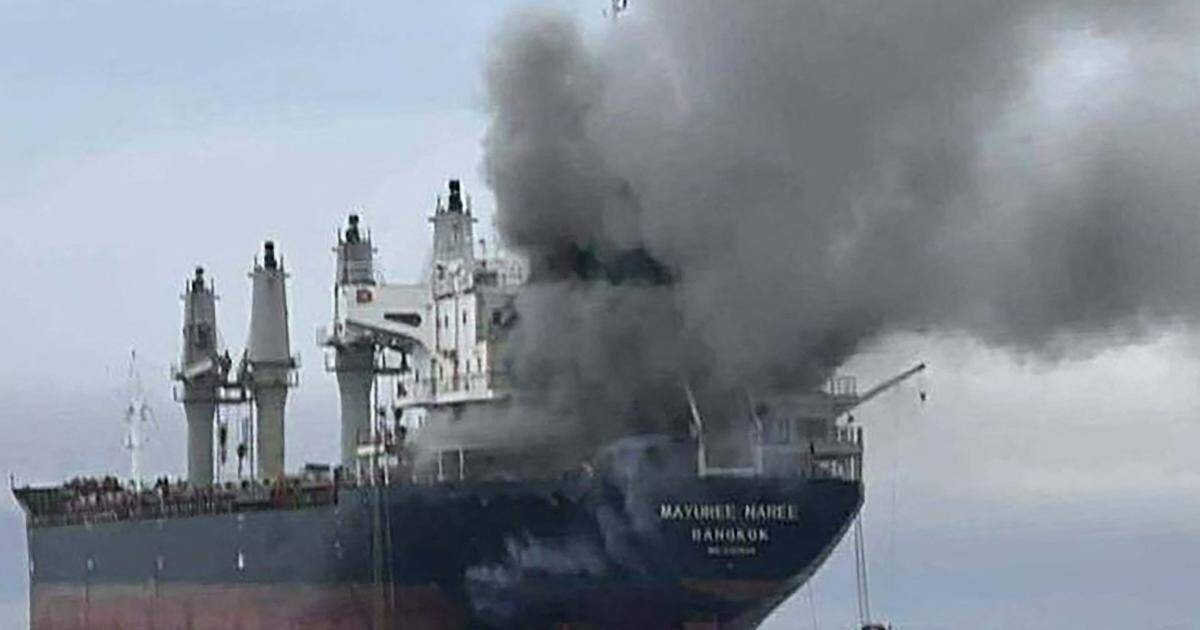







Official sources at the UK Maritime Trade Operations (UKMTO) reported today, Monday, that an oil tanker was directly hit by an unspecified projectile while transiting the Strait of Hormuz off the coast of the Sultanate of Oman. The sources clarified that the attack occurred 8 nautical miles east of Lima, resulting in a fire on the port side of the vessel, with no crew injuries or serious environmental leaks reported.
In a related context, media reports quoted a US official confirming that the Iranian Revolutionary Guard Corps (IRGC) launched at least two missiles at commercial ships sailing in the international waterway. The official indicated that the attack caused significant damage to two vessels, a move that reflects the fragility of the recent de-escalation achieved between major powers and Tehran regarding maritime navigation security.
This field escalation comes at a sensitive time in the region, as the attack coincided with the funeral ceremonies of former Supreme Leader Ali Khamenei in Iran. The incident has raised international fears of the return of direct military confrontation in the strait, which is the most important artery for global energy trade, especially shortly after the resumption of navigation under a framework agreement signed last June.
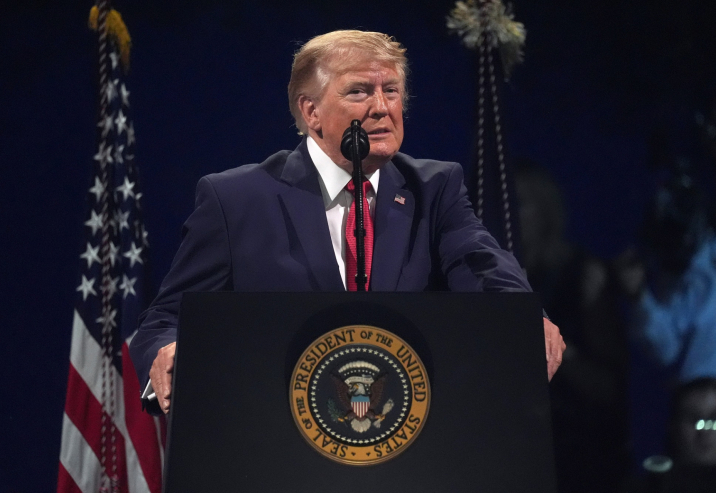
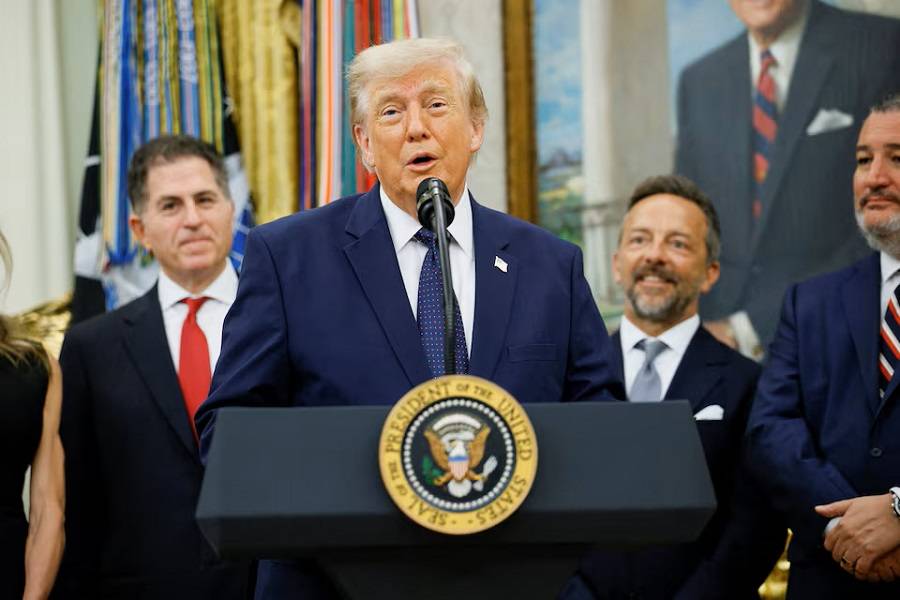
For his part, US President Donald Trump hinted at decisive options towards Tehran, indicating that the US administration seeks to reach a final agreement or proceed with 'ending the mission,' a clear reference to potential military action. These statements were met with a firm response from the Secretary of Iran's Supreme National Security Council, who stressed the need to address the Iranian people with respect to avoid harsh reactions.
Field data indicates that Iran continues to adhere to its position rejecting a return to the free navigation system that prevailed before the recent conflict, despite continuous US pressure. Tehran had previously been accused of targeting ships in Kuwait and Bahrain in response to US airstrikes, leading the region into a spiral of military action and reaction that affected supply chains.
The Strait of Hormuz represents a vital pivot point for the global economy, with approximately 20 million barrels of crude oil passing through it daily, accounting for about one-fifth of global liquid oil consumption. Any long-term disruption in this waterway could lead to unprecedented jumps in global energy prices, posing complex economic and security challenges for the international community.
Amid ongoing tensions, international shipping companies are cautiously monitoring developments in the Gulf, with calls for enhanced military protection for commercial convoys. Informed sources confirm that the coming days will be crucial in determining the fate of the fragile de-escalation, especially with Washington's insistence on securing international navigation and Tehran's demand for a complete lifting of restrictions imposed on its ports.
Washington will reach an agreement with Iran or will end the mission.

Share your opinion
Oil tanker targeted by projectile in Strait of Hormuz amid escalating tensions between Washington and Tehran