





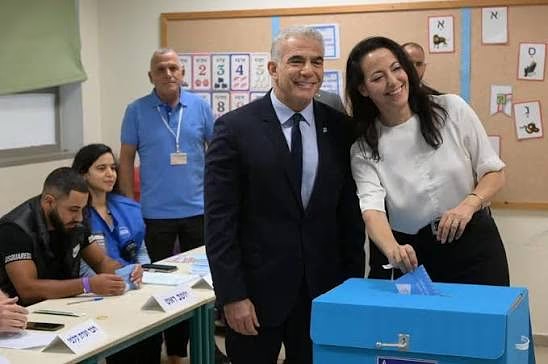
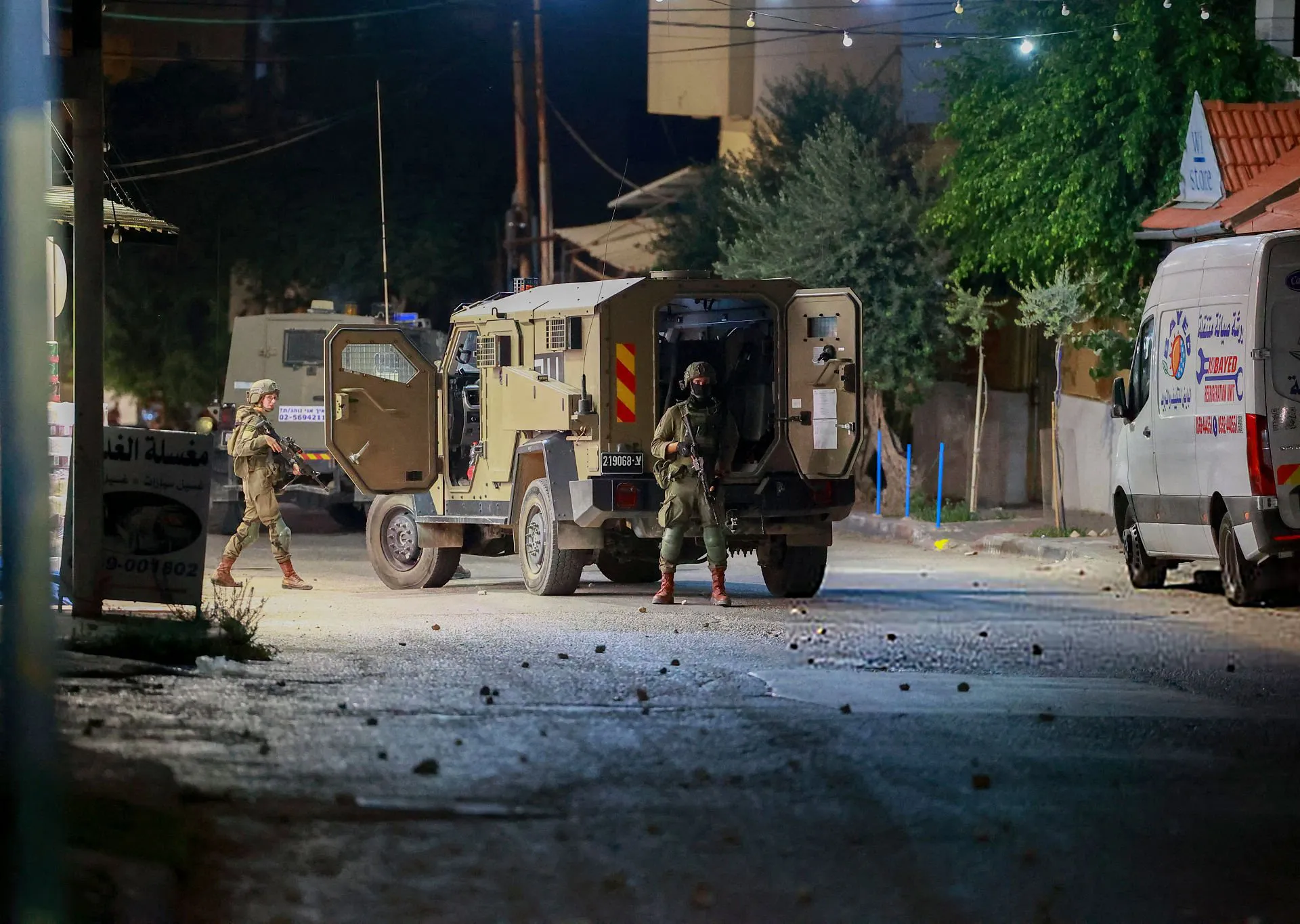
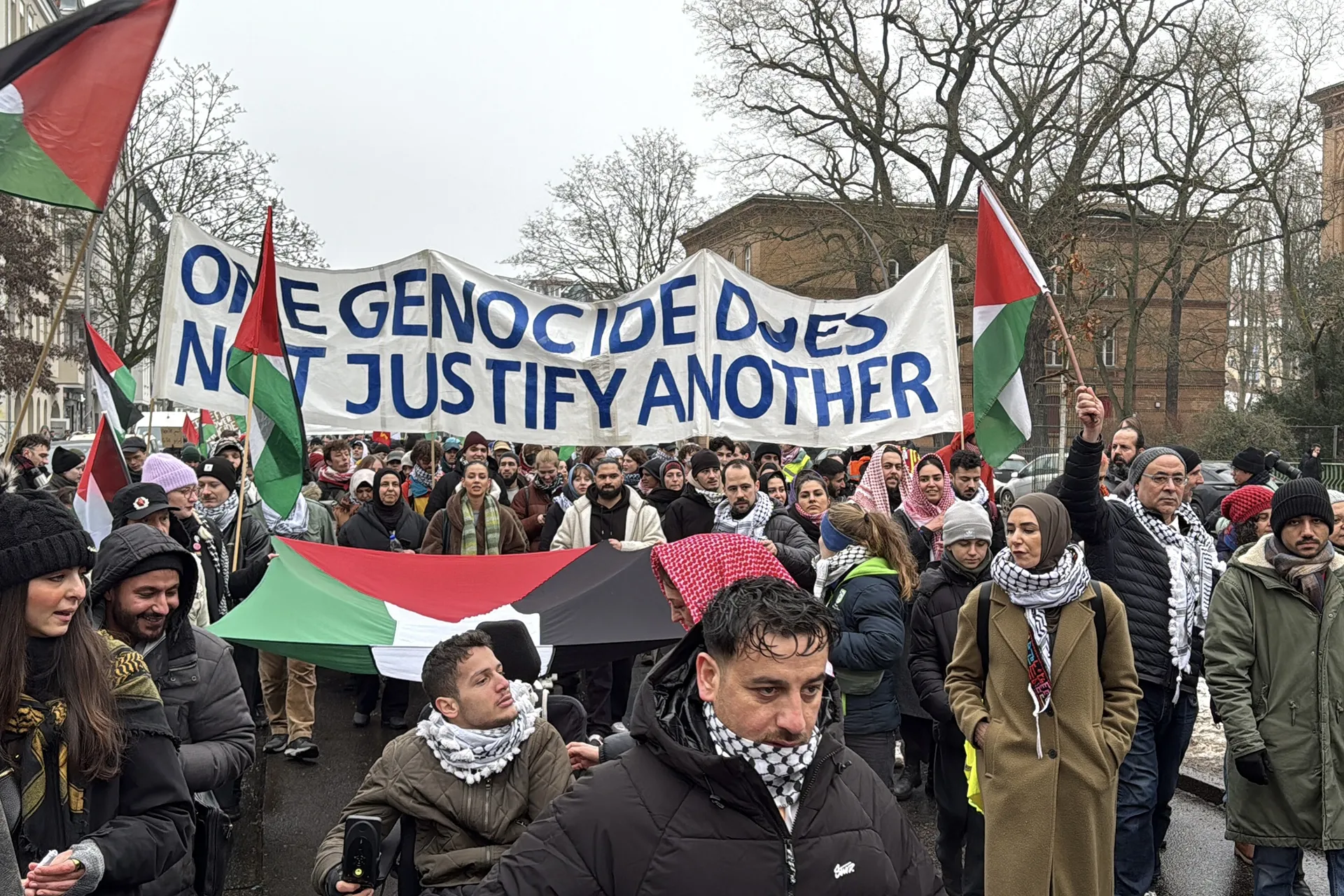
Awni Al-Mashni: Netanyahu realizes that his loss will not only mean losing power but also the end of the project led by the right, and he may resort to attempting to postpone or obstruct the elections. Husni Shilo: The right's loss will mean the fall of the ruling coalition and the beginning of a new political phase, with a fundamental shift in the Israeli position towards Palestinians being ruled out. Khalil Shaheen: If the right retains power, it will give Netanyahu and his allies a popular mandate to continue current policies, including the Gaza war, accelerated settlement, and annexation in the West Bank. Mohammed Abu Allan Dragmeh: If it loses, the right will face heavy political and legal consequences, most notably the possibility of forming an official investigation committee into the events of October 7. Dr. Amjad Bashkar: The right-wing camp may face an internal leadership struggle between the national and religious right-wing parties and the Likud party, which may reshape the Israeli party map. Yasser Manna: The decline of the ruling coalition does not mean the defeat of the right-wing project within Israel, as the proposed alternative includes figures and forces belonging to the right-wing current or the security establishment. Ramallah - Exclusive to "Al-Quds" - Attention is turning to the Israeli Knesset elections scheduled for October 27, 2026, amidst widespread estimates that they will be the most sensitive in Israel's history, as they constitute a referendum on the policies of the ruling right-wing led by Benjamin Netanyahu, after years that witnessed wars, regional tensions, internal crises, and escalating political division, in addition to the decline in the popularity of the ruling coalition in opinion polls. A number of writers, political analysts, and specialists in Israeli affairs confirm, in separate interviews with "Al-Quds", that the election results will not only determine the identity of the next government but will also open the door for internal political and legal reviews, without necessarily leading to a fundamental shift in the Israeli position on the Palestinian issue. On the other hand, they believe that the right's retention of power will give Netanyahu and his allies a mandate to continue the current approach, including policies of war, settlement, and annexation, while the months remaining until the election date remain open to possibilities that may redraw the Israeli political landscape, in light of the continued fierce competition between the ruling coalition and the opposition, and the possibility of internal or regional developments affecting the course and results of the elections. Referendum on the National and Religious Right-Wing Project Political writer and analyst Awni Al-Mashni believes that the Israeli Knesset elections scheduled for October 2026 represent the most important in Israel's history, because they will constitute a direct referendum on the entire project led by the national and religious right-wing during the past three years, and on the policies it pursued internally and regionally, after a series of developments that he considers strategic failures that will be reflected in the choices of the Israeli voter. According to Al-Mashni, the Israeli right-wing has, in recent years, gambled on achieving major goals, including the displacement of Palestinians, and waged a wide war in the Gaza Strip in the context of genocide, and also pushed towards achieving what it calls the "Greater Israel dream," noting that Prime Minister Benjamin Netanyahu announced this direction in an unprecedented manner. Al-Mashni explains that the Israeli government also engaged in a wide regional confrontation through which it sought to overthrow the Iranian regime, but it did not achieve its goals, after various Israeli cities were bombed and turned into an open confrontation arena. Two Contradictory Options in the Upcoming Elections Al-Mashni believes that the upcoming elections will present Israelis with two contradictory options; the first is to continue the approach led by the current right-wing, and the second is to search for a different approach after the failure of previous policies. He believes that the loss of Netanyahu and his coalition will mean a declaration of the failure of the political and strategic project of the ruling right-wing, and will open the door for extensive internal reviews, also led by a right-wing current, but it will be more inclined to learn from the previous experience, and more aware of the limits of using military force to achieve political goals. An Alternative Government Does Not Mean a Radical Shift Al-Mashni confirms that any alternative government will not mean a radical shift in Israeli positions towards Palestinians, but it may push towards a different political discussion that seeks ways to exit the crises facing Israel, and to recognize, to varying degrees, the geographical and demographic realities imposed by the conflict. He points out that opinion polls, for several months, have shown a clear lead for the opposition and a decline for the right-wing camp, but he warns that the remaining months until the elections may witness pivotal developments, considering that Netanyahu realizes that his loss will not only mean losing power, but the end of the project led by the right-wing in recent years. Netanyahu's Exceptional Steps Therefore, Al-Mashni does not rule out that Netanyahu may resort to exceptional steps that may amount to an attempt to postpone or obstruct the elections if he sees that their results will lead to his loss, stressing that the coming period remains open to possibilities and surprises that may redraw the Israeli political landscape. Referendum on the Jewish Character of the State Political writer, analyst, and international relations specialist Dr. Husni Shilo believes that the Israeli right-wing views the upcoming Knesset elections as the most important in Israel's history, because they represent an existential referendum on the future of the settlement project, the Jewish character of the state, and the continuation of policies it has worked to entrench in recent years, foremost among them intensified settlement, and imposing facts on the ground in the West Bank, which the right-wing sees as an advanced step towards achieving the "Greater Israel" project. Shilo explains that the right-wing considers itself closer than ever to resolving the conflict according to its vision, after tightening control over large areas of land, expanding the network of roads and military checkpoints, and tightening restrictions on Palestinians to encourage emigration, considering that any electoral loss may mean, for this camp, a decline in the chances of completing this project, which it considers essential for entrenching the Jewish state. Determining the Shape of the Israeli State Shilo emphasizes that the importance of the elections is not limited to the future of Benjamin Netanyahu's government, but extends to determining the shape of the Israeli state in the post-October 7 era, noting that Netanyahu still retains factors of strength, most notably his political experience, and his camp's benefit from the priority of security issues among Israeli voters in times of war, despite the decline in right-wing opinion poll results. Shilo explains that the right-wing seeks to mobilize its electoral base by presenting the elections as an existential battle, in addition to completing the project of amending the judicial system and reducing the powers of the Supreme Court, to ensure that laws and decisions serving its political project are not overturned, as well as addressing internal disputes related to the conscription of Haredi Jews. Ruling Out a Fundamental Shift Towards Palestinians Shilo believes that the right-wing's loss will mean the fall of the ruling coalition and the beginning of a new political phase, but he rules out a fundamental shift in the Israeli position towards Palestinians, explaining that Israeli parties, despite their internal differences, agree on the basic issues related to the conflict, and that any new government will not become a partner that grants Palestinians their national rights. Shilo points out that any decline in the right-wing's influence is linked to internal factors, in addition to the decline of Israel's image abroad and the increasing talk of international isolation and European pressure. Shilo indicates that future governments may maintain the facts imposed by the right-wing on the ground, even in the absence of figures like Itamar Ben-Gvir and Bezalel Smotrich from decision-making positions, and may move to ease economic pressures, such as releasing part of the clearing funds or allowing a number of Palestinian workers to enter, within the framework of "economic peace," while continuing settlement at a slower pace, considering that this approach may be more dangerous because it eases international pressure on Israel. Shilo affirms that the electoral scene remains open, and that Netanyahu possesses political experience that enables him to overturn equations at any moment, unless there is a shift in the American position that leads to the withdrawal of political cover from him. An Exceptional Station in Israeli Political Life Political writer and analyst Khalil Shaheen believes that the upcoming Israeli Knesset elections represent an exceptional station in Israeli political life, as they are being held after one of the longest periods in which an Israeli government completed its electoral term, unlike what the past decades witnessed of early elections and the fall of governments before the end of their term. Shaheen points out that these elections also come amidst the presence of Benjamin Netanyahu, the longest-serving prime minister since the establishment of Israel, despite the unprecedented events that occurred during his term, foremost among them the October 7 attack, which constituted a political and military earthquake capable of bringing down any previous Israeli government. Repercussions of October 7 According to Shaheen, Netanyahu's ability to complete his government's term reflects his success in building an extremist right-wing coalition based on national and religious components, considering that the upcoming elections will take place about three weeks after the third anniversary of October 7, which makes the repercussions of those events strongly present in the choices of the Israeli voter, in the absence of an official investigation committee into the failures that preceded the attack and the subsequent developments. Shaheen explains that the Israeli voter will evaluate the outcome of the promises made by the government, foremost among them the elimination of Hamas, the disarmament of the Gaza Strip, the displacement of the population, and the establishment of settlement nuclei in the northern part of the Strip, but he will find that the movement still exists despite its weakening, and that the residents of Gaza are still in the Strip, while complete security has not been achieved for Israelis, neither in the south nor on the northern front, where many residents of settlements are still reluctant to return to their homes. Shaheen points out that Israel also fought two wars against Iran, but the Iranian regime is still in place, and the Iranian nuclear program and missile capabilities remain present, with the continued possibility of military escalation. On the international level, Shaheen believes that Israel has lost a large part of the image it sought to entrench as a "victim," and is facing increasing isolation and a decline in international support, including within the United States, in contrast to the growing solidarity with the Palestinian cause. Failure to Convert Military Achievements into Political Gains Shaheen affirms that the current government has achieved, in the eyes of some Israelis, military achievements, but it has failed to convert them into political gains, which was reflected in opinion polls that give Gadi Eisenkot and the opposition a lead that allows the formation of a government without relying on Arab parties, and Eisenkot is ahead of Netanyahu in prime minister preference polls, and even in political betting platforms. Netanyahu and the Tools to Influence the Internal Scene However, Shaheen rules out a predetermined outcome, noting that Netanyahu still has time and tools to influence the internal scene, amidst the possibilities of escalation with Iran, and Israel's continued adherence to remaining in areas that Israel considers "security" in Gaza, Lebanon, and Syria, in addition to continuing de facto annexation and expanding settlement in the West Bank, which the right-wing is counting on to win the votes of settlers. Loss and Limited Changes Shaheen affirms that the loss of the current government's components may open the door for limited changes, such as stopping the push towards annexation and expanding settlement, easing economic pressures on the Palestinian Authority, allowing broader political contacts, and perhaps a role for the Palestinian Authority in Gaza in response to international pressure, but Shaheen stresses that this will not mean adopting the two-state solution according to the Palestinian vision. However, if the right-wing retains power, according to Shaheen, it will give Netanyahu and his allies a popular mandate to continue current policies, including the war in Gaza, and accelerating settlement and annexation in the West Bank. A Fateful Battle for the Right-Wing Writer specializing in Israeli affairs, Mohammed Abu Allan Dragmeh, believes that the upcoming Israeli Knesset elections are of exceptional importance for all political forces, in light of the developments Israel has witnessed over the past four years, foremost among them the events of October 7 and the subsequent wars in the Gaza Strip, Lebanon, and Iran. However, their importance appears greater for the right-wing camp, which considers them a fateful battle that will determine the future of its political and ideological project. According to Dragmeh, if it loses the elections, the right-wing will face heavy political and legal consequences, most notably the possibility of forming an official investigation committee into the events of October 7, with powers to bring charges against the political and military officials who managed the state during the current government's term, which makes the election results have a direct impact on the future of right-wing leaders, foremost among them Benjamin Netanyahu. Fear of Losing Legislative Achievements Dragmeh also explains that the right-wing fears losing the legislation it has achieved within what was known as the "judicial reforms," which aimed to reduce the influence of the judiciary and strengthen the powers of the executive and legislative branches, noting that opposition forces have pledged to repeal these laws and restore the legal system to what it was before their enactment. Dragmeh points out that the settlement project represents one of the most prominent motives for the right-wing's clinging to power, noting that Netanyahu's camp fears that a government headed by Gadi Eisenkot or Naftali Bennett will stop what the right-wing calls the "settlement revolution" in the West Bank, and remove the settlement outposts established in recent years, which would affect the de facto annexation project of the West Bank. Dragmeh also points out that religious parties view the elections as crucial, after succeeding in enacting a legal structure that allows the continued exemption of religious Jews from military service, explaining that opposition parties have pledged to abolish these arrangements and impose compulsory conscription on everyone under the slogan of "equality in bearing the burden." Fear of Extensive Review of Internal Policies Dragmeh believes that the right-wing's loss will lead to a wide review of the internal policies established by Netanyahu's government, whether in political, legal, or economic aspects, but he rules out a fundamental shift in Israeli policy towards Palestinians, stressing that the so-called "center-left" parties do not propose a political project to resolve the conflict, but rather talk about managing the existing reality and providing limited facilities. He affirms that any new government may move to release part of the clearing funds, or allow a number of Palestinian workers to enter the occupied interior, or ease some restrictions on movement in the West Bank, such as removing a number of checkpoints or extending working hours at the Karamah crossing. However, Dragmeh stresses that these measures, if they occur, will not mean the resumption of a political process or progress towards a solution to the Palestinian issue, but will remain within the framework of administrative and economic measures without a change in the essence of Israeli policy. The Right's Priorities in Preserving its Ideological Project Political science professor Dr. Amjad Bashkar believes that the upcoming Israeli elections represent a pivotal moment for the right-wing camp, not only because they will determine the identity of the next government, but also because they will largely decide the nature of the Israeli state and its political and ideological directions for the coming years and decades, as the right-wing seeks to consolidate its political project and reshape state institutions to ensure its continuity. He explains that the Israeli right-wing places at the forefront of its priorities the preservation of its ideological project based on expanding settlement in the West Bank and eliminating any opportunity for the establishment of a Palestinian state, considering that recent years, especially what followed the war on the Gaza Strip, witnessed steps aimed at imposing new facts on the ground that serve this direction. The Future of Right-Wing Leadership Bashkar points out that the right-wing has also worked to redefine the relationship between authorities, by pushing to reduce the powers of the judiciary and strengthen the influence of the government and the Knesset, thereby perpetuating its political project, noting that the elections are also linked to the future of the right-wing leadership, especially Benjamin Netanyahu, whose loss could mean the end of a long political era and open the door for the emergence of new leadership from within the same camp. Bashkar notes that the right-wing sees demographic and political shifts as a historic opportunity to consolidate its dominance, benefiting from the growing electoral weight of religious and nationalist currents, stressing that Israeli society has become more inclined towards the right, which means that the right-wing's loss, if it occurs, does not mean the end of its political project or a radical shift in Israel's directions. No Electoral Reflection on Strategic Goals Bashkar affirms that any change in power may reflect on the method of managing the war and the Palestinian file more than it reflects on strategic goals, explaining that the majority of Zionist parties agree on basic security issues, while the disagreement between them is limited to the means and mechanisms of implementation. He points out that the next phase may witness a slowdown, not an abolition, of annexation and settlement projects, with the possibility of increasing international pressure to revive the political process, and restoring relations with European countries if a more centrist government is formed, in addition to reopening the judicial reform file and reversing some of the legislation that deepened internal division before the war. Bashkar believes that the right-wing camp may face an internal leadership struggle between the national and religious right-wing parties and the Likud party, which could lead to a reshaping of the Israeli party map. Bashkar stresses that the arrival of a center or center-left government will not lead to a fundamental change in policies related to security, settlement, and Jerusalem, but may be limited to a more flexible political discourse and less sharp management of some files, while the basic constants of Israeli policy remain unchanged. Struggle for Leadership of the Right-Wing Camp and Determining the State's Direction Writer and researcher specializing in Israeli affairs, Yasser Manna, believes that the Knesset elections scheduled for October 27, 2026, represent a pivotal moment for Benjamin Netanyahu's camp, because they will determine his ability to continue reshaping Israeli state institutions according to his political vision, especially regarding the judiciary, media, and the status of the legal advisor, after the enactment of a series of laws and procedures that strengthened government powers, some of which will come into effect after the elections. Manna affirms that the Israeli right-wing does not constitute a homogeneous political bloc, but rather includes multiple currents, including Netanyahu's nationalist right, the religious settlement right, in addition to right-wing forces competing with Netanyahu from outside his coalition, which makes the upcoming elections not limited to competition between the right-wing and the opposition, but also represent an internal struggle for the leadership of the right-wing camp and determining the future direction of the Israeli state. Losing the Elections Means the Collapse of the Existing Alliance Manna points out that the loss of the ruling right-wing will likely lead to the collapse of the existing alliance between Netanyahu and the Religious Zionist parties and the Haredi parties, and may lead to a review or cessation of a number of institutional steps taken by the current government, and may also open the door for the formation of an official investigation committee to look into the failures of October 7, and reorganize the relationship between the government and the judiciary. Changes in Governance Style and Alliance Structure However, Manna stresses that the decline of the ruling coalition does not mean the defeat of the right-wing project within Israel, explaining that the proposed alternative includes figures and forces also belonging to the right-wing current or the security establishment, which suggests changes in the style of governance and the structure of political alliances, without leading to a fundamental shift in Israeli policies towards Palestinians or issues of settlement and security.

الأحد 26 يوليو 2026 5:39 مساءً - بتوقيت القدس
Knesset Elections: A Fateful Test for the Israeli Right and Netanyahu's Political Future
شارك برأيك
Knesset Elections: A Fateful Test for the Israeli Right and Netanyahu's Political Future