






While the world awaited rational outcomes from parties characterized by recklessness, the populations affected by the bombing found themselves forced to coexist with terrorism as an imposed daily reality. The human capacity to endure pain and poverty, as described in global literature, transformed in the context of the current conflict into a tool to normalize war and make it an inescapable reality.
This situation was clearly manifested in the confrontation between the United States and Iran, where for months scattered strikes, volatile rhetoric, and promises of an imminent end to hostilities that never materialized prevailed. This severe political crisis led to profound human suffering and economic disruptions that directly and unprecedentedly affected the lives of the region's peoples.
Despite Donald Trump's announcement of a 'grand bargain' to end the war, the days preceding this announcement witnessed a dangerous escalation, including orders for strikes deep inside Iran. Washington's desire to control the strategic Kharg Island, which is the main artery for exporting 90% of Iranian crude oil, also emerged, reflecting the magnitude of the economic threat.
Global markets responded with sharp fluctuations to the agreement's announcement, but the general public received the promises with lukewarm reception due to their repetition dozens of times without tangible effect on the ground. Trump had been calling for calm, claiming the war was nearing its end, at a time when missiles and drones were redrawing the map of pain in the region.
The effects of the conflict extended to Arab countries that Tehran considered allies or proxies of Washington, as Jordan, Kuwait, and Bahrain were subjected to Iranian shelling after the collapse of previous understandings. The UAE, Saudi Arabia, and Qatar were not immune to this targeting, which affected energy infrastructure and claimed civilian lives, shattering a sense of security that will take years to rebuild.
Economically, the war caused a severe shortage in global liquefied natural gas supplies by up to 17% due to the impact on Qatari facilities. The use of the Strait of Hormuz as a weapon in the war also pushed Saudi Arabia to reorder its economic priorities, directing massive investments towards building alternative ports and data centers to ensure sustainability.
In Dubai, the aviation and trade sectors experienced immense pressure with the continued suspension of international flights and expectations of a sharp economic contraction. These material consequences, though measurable, do not reflect the extent of the psychological and social upheaval that affected millions whose professional and personal lives were tied to the region's stability.
Observers believe that the partnership between Trump and Benjamin Netanyahu was the primary driver of these rapid and aggressive transformations, as both parties sought to achieve specific agendas without regard for the consequences. This coordination led to a redefinition of the concept of war itself, where killing and displacement continue even under what is called a 'ceasefire'.
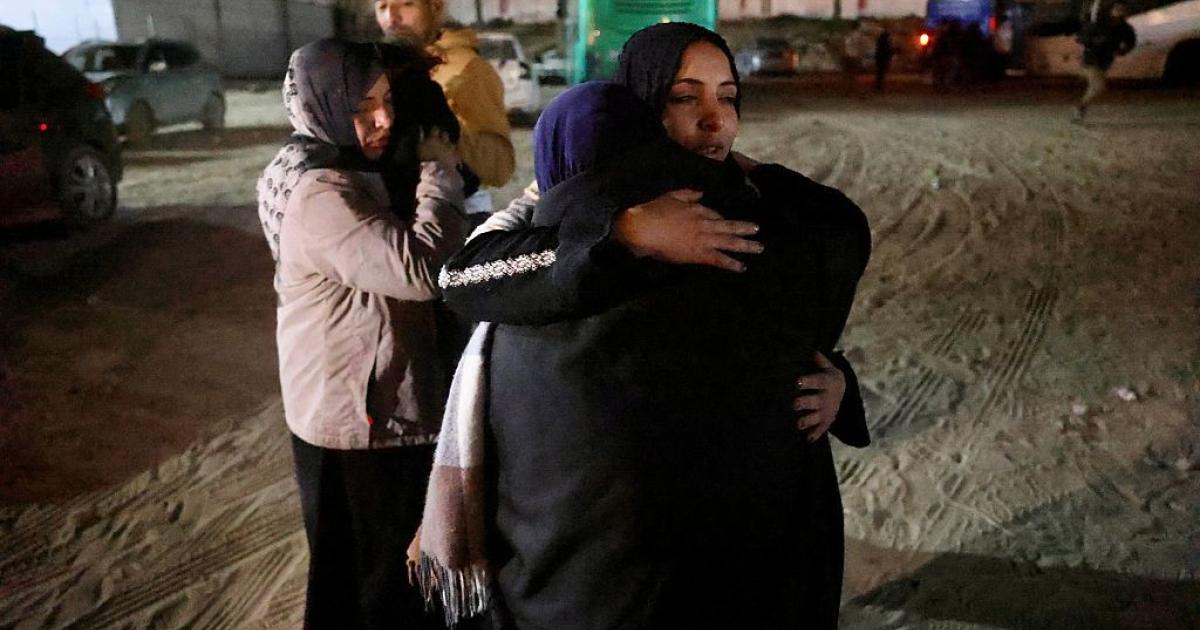
In the Gaza Strip, figures show the horror of the reality, with nearly a thousand martyrs since the ceasefire announcement last October, confirming the falsity of the calm. In Lebanon, Israeli raids have continued since April, resulting in the martyrdom of hundreds and the displacement of about a million people from their homes, especially in Beirut and the south.
Statistics indicate that a third of the victims of the recent escalation in Lebanon are children, which places the international community before its moral responsibilities towards 'truces' that do not provide protection. A new political lexicon has emerged describing these agreements as 'fragile' or 'under test', while drones continue to claim lives.
Thorny issues such as Iranian uranium enrichment, the missile program, and the management of the Strait of Hormuz remain major obstacles to any real and sustainable peace. The absence of certainty in this process makes it akin to a bloody chess game, where threats of withdrawal from talks are exchanged immediately upon any new field escalation.
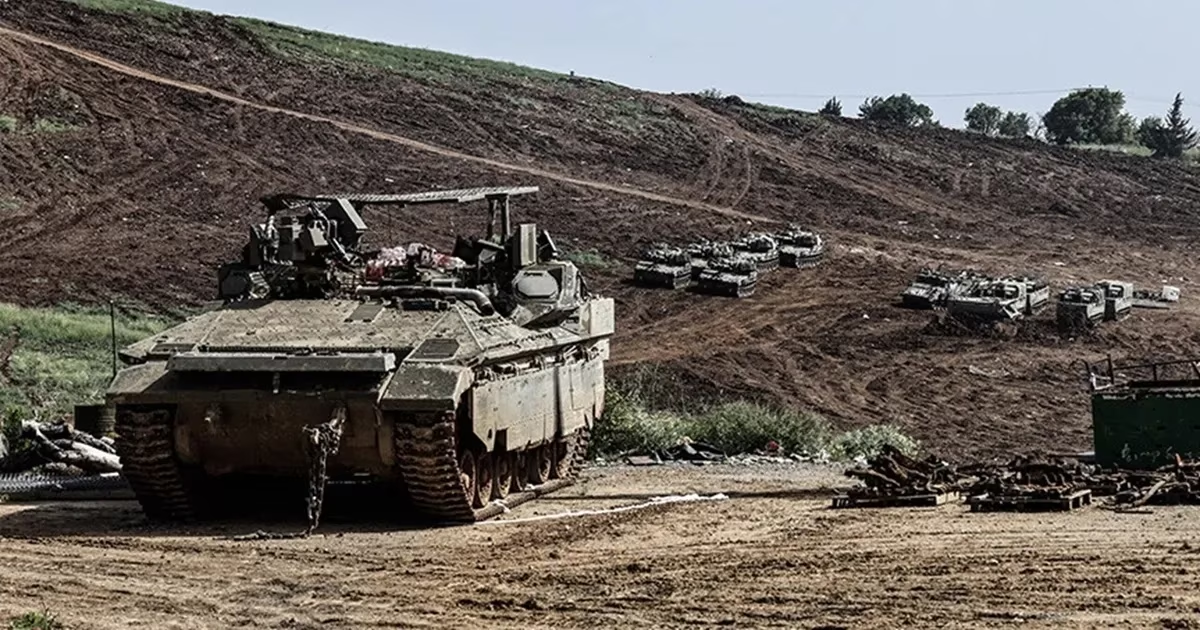
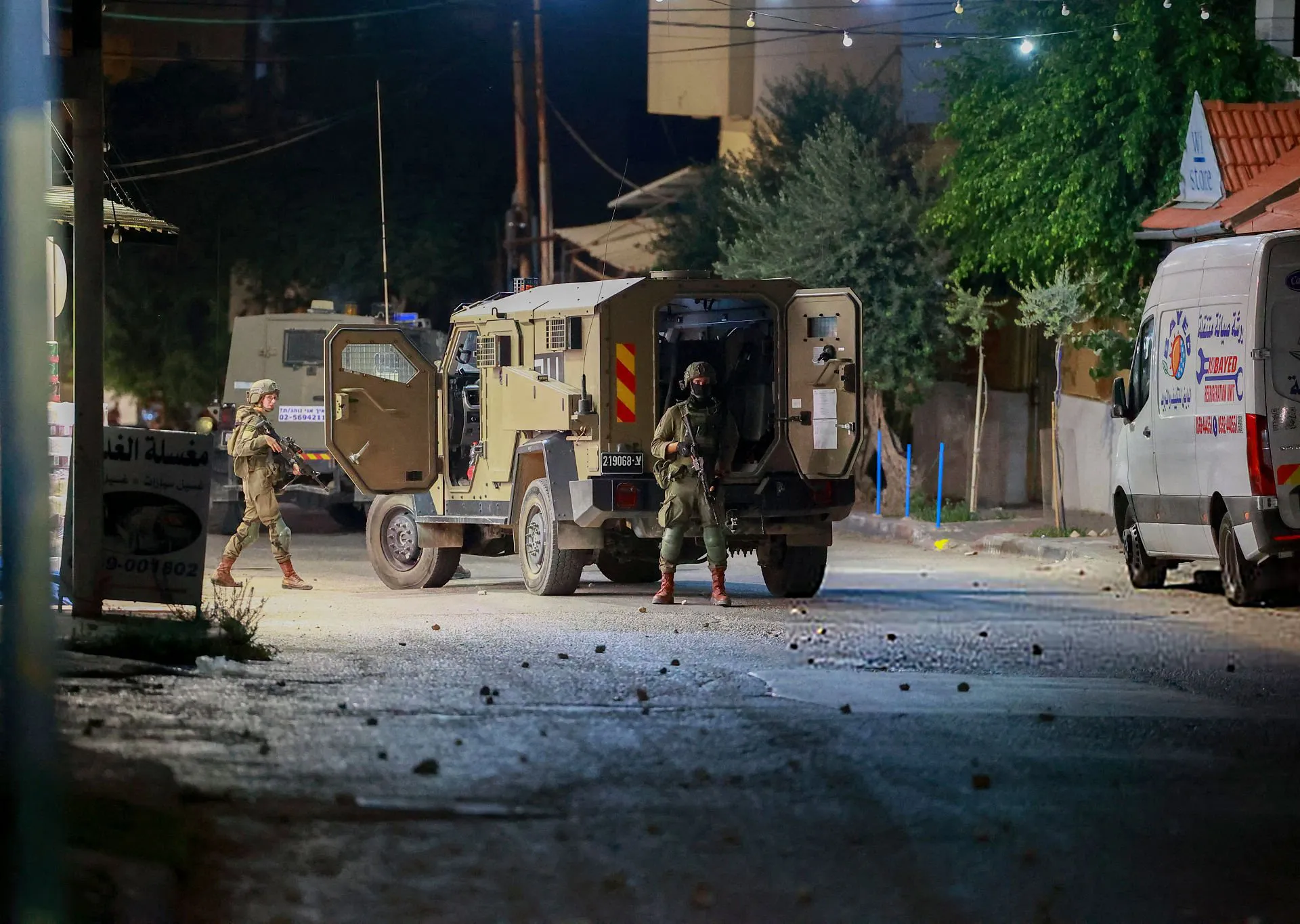
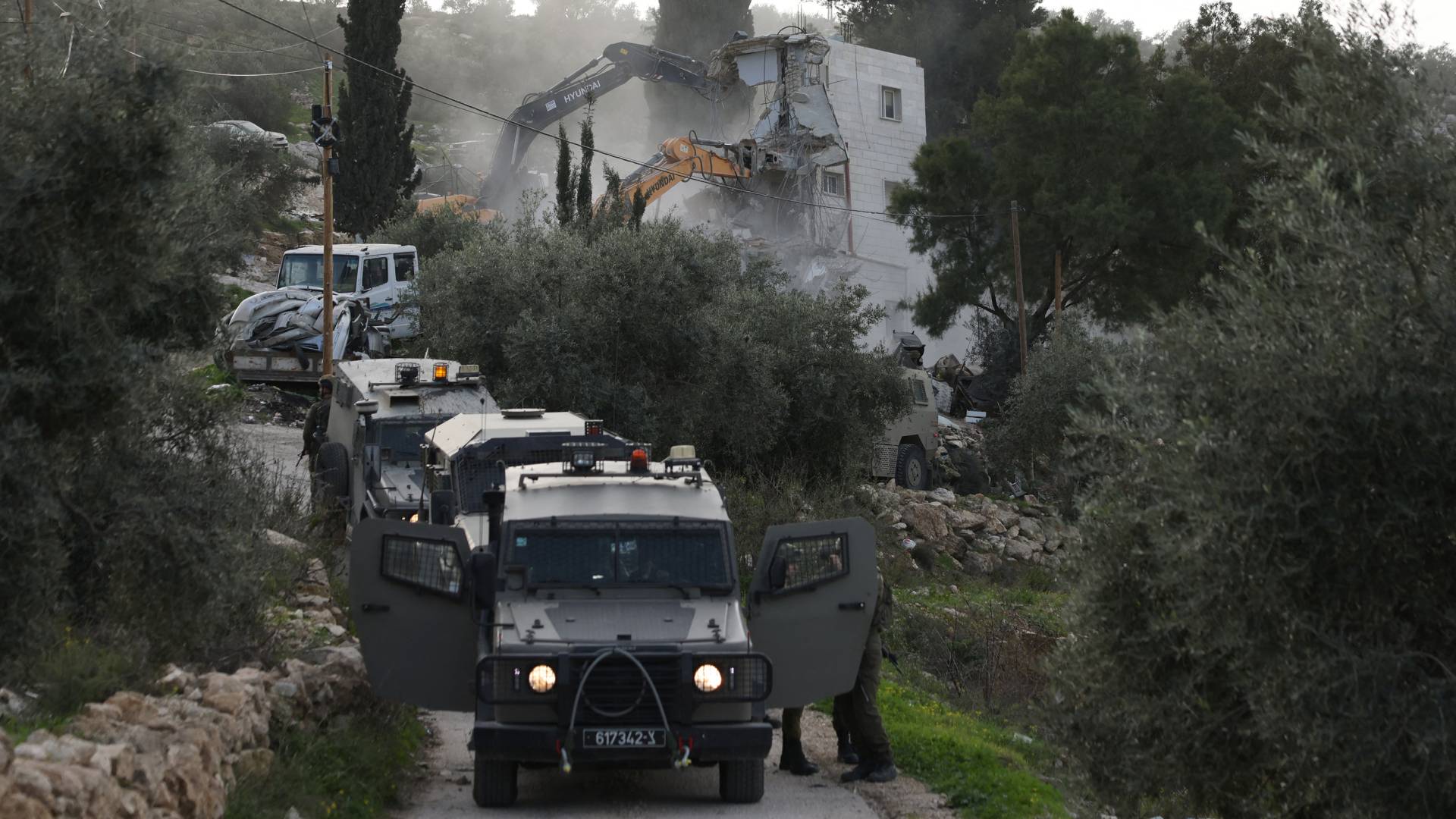
On the ground, Israeli occupation forces continue to control about 20% of Lebanese territory, amid indications of Netanyahu's desire to exploit the situation to impose a new reality. The occupation prime minister seems inclined to challenge the US administration by launching unilateral attacks aimed at undermining any stability that might result from an agreement with Tehran.
The prolongation of the war has created complex agendas that are difficult to unravel or return the region to what it was before the outbreak of the current conflict. While Trump promises peace, he continues to threaten to completely destroy Iranian infrastructure, revealing a state of confusion in managing the most dangerous regional crisis in contemporary history.
Ultimately, signing agreements will not solve the accumulated crises in Lebanon, Gaza, and the Gulf overnight, as wounds are still open and displaced people have not found their way back. The impossible balance between Washington, Tehran, and Tel Aviv will continue to govern the fate of Arab countries, in a reality that proves that humans, unfortunately, endure a lot of killing.
Humans endure a lot of killing, but the dark side of this resilience is the extent to which regimes can normalize terrorism as part of daily life.
شارك برأيك
Beyond the 'Grand Bargain': How War Reshaped the Middle East's Reality?