







Informed sources reported that an official document issued by the "Peace Council" in Gaza explicitly acknowledged the stalled implementation of the roadmap provisions for the Strip. The sources explained that the UN Security Council received a detailed list of obstacles preventing tangible progress, noting that the challenges extend beyond logistical aspects to the core of thorny political and security issues.
The issue of Hamas's weapons topped the list of obstacles that led to the freezing of political tracks, as the Council and international bodies refuse to move forward without resolving this issue. The document also pointed to severe difficulties in the mechanisms for empowering the "National Council" to carry out its duties, in addition to acute crises in humanitarian aid files and securing the necessary funding for reconstruction.
The report submitted to the Security Council confirmed a huge gap between the financial promises made by the international community and what has actually been spent on the ground. This funding shortfall has exacerbated living crises, as humanitarian needs in the Gaza Strip are still described as "enormous" and disproportionate to the current flow of aid.
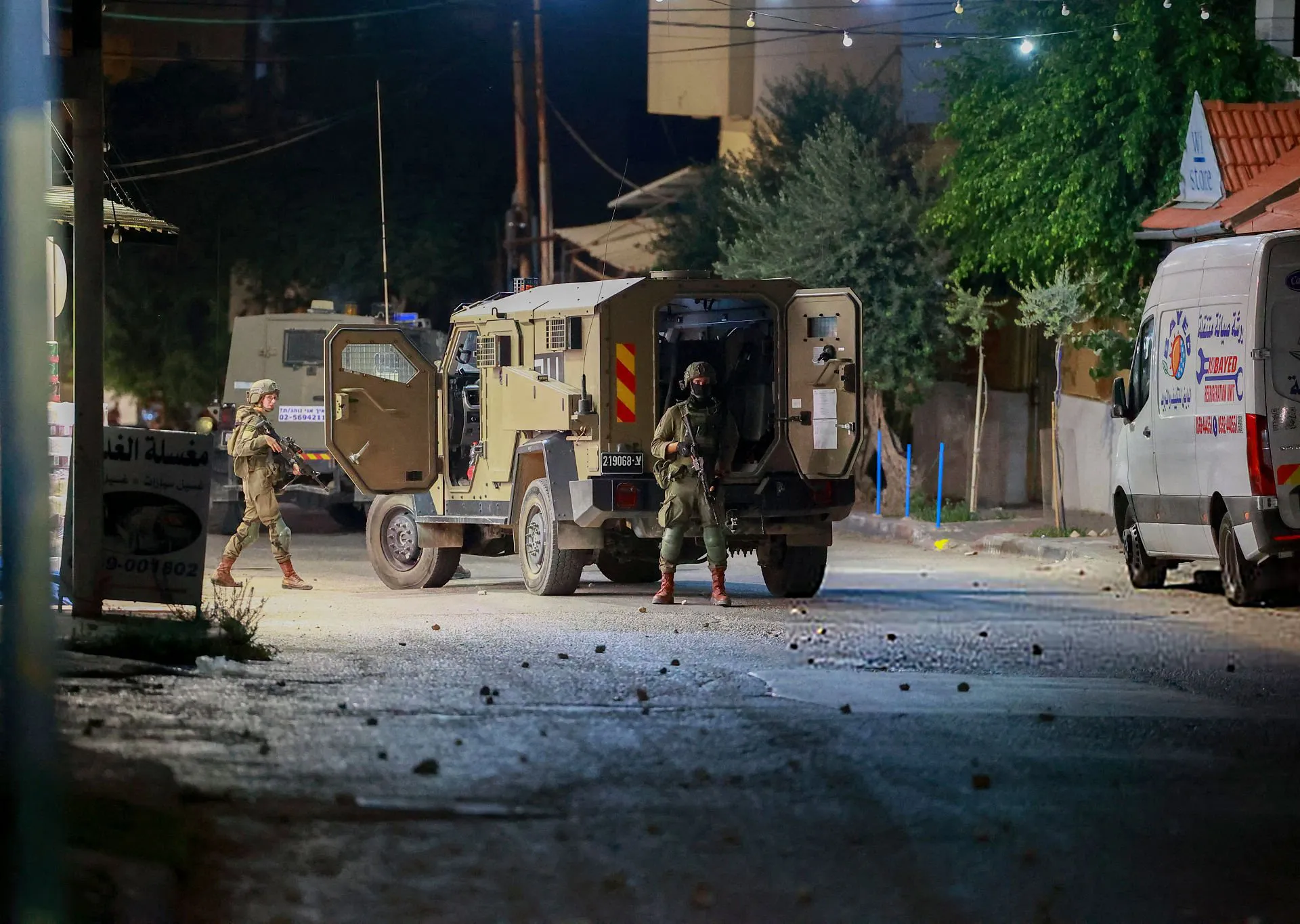
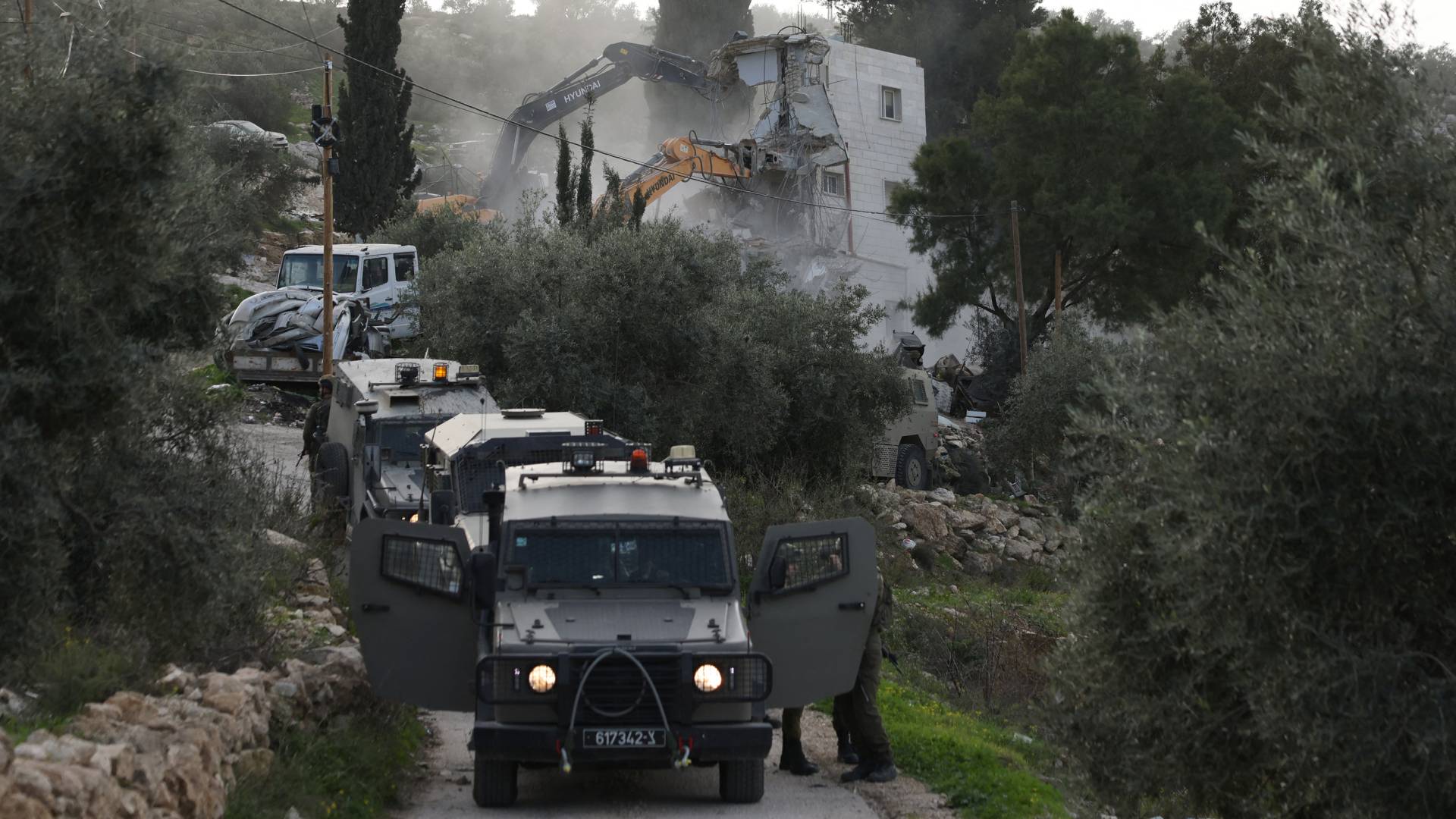
Regarding the field situation, the Peace Council revealed daily violations of the ceasefire agreement signed last October, describing some of these breaches as serious. These admissions come amid continued Israeli attacks targeting various areas of the Strip, threatening the collapse of fragile understandings reached previously.
It is worth noting that the "Peace Council" was launched last January in Davos, Switzerland, on the initiative of the US administration, and led by Bulgarian diplomat Nikolay Mladenov. Since its establishment, the Council has faced widespread criticism from Palestinian factions who accused it of bias towards the Israeli vision and attempting to impose security arrangements under the guise of humanitarian aid.
Leading sources in the factions indicated that Mladenov exerted direct political pressure with the aim of passing a new roadmap that serves the interests of the occupation. These forces consider linking reconstruction to disarming the resistance as a form of political blackmail that is categorically rejected by the popular and political base in the Gaza Strip.
For its part, media reports observed a stark contradiction between American perceptions for ending the war and the realities imposed by Benjamin Netanyahu's government on the ground. This disparity became clear after Mladenov's meetings with Netanyahu, where the focus was on impossible conditions related to disarmament in exchange for allowing the start of major reconstruction operations.
The American plan, which promised to inject about $10 billion over a decade, faces a real dilemma in the absence of effective pressure tools on the occupation authorities. Israel continues to restrict the entry of essential materials and use the reconstruction file as a political and security pressure tool, leading to a near-complete paralysis in the implementation of international promises.
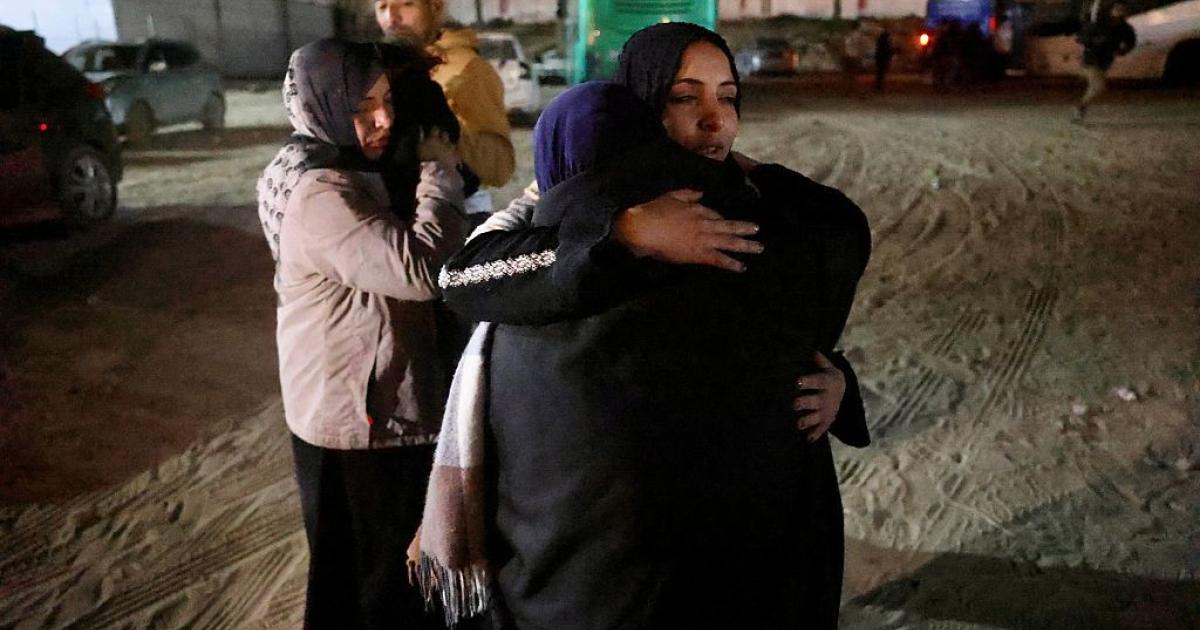
On the humanitarian front, the Ministry of Health in Gaza continues to record tragic casualty figures despite the ceasefire agreement being in effect since October 10, 2025. Continuous Israeli violations have resulted in the martyrdom of 877 Palestinians and the injury of more than 2,600 others, a clear indication of the occupation's non-compliance with the calm.
These developments come two years after the genocidal war launched by Israel with widespread American support, which left 90% of the civilian infrastructure in the Strip destroyed. The death toll since October 2023 has exceeded 72,000 martyrs, while thousands of injured still suffer from a severe shortage of medicines and healthy food.
Observers believe that the Peace Council's acknowledgment of the stalled roadmap reflects the failure of the international approach that attempts to bypass fundamental Palestinian rights. The gap between commitments and the reality on the ground is widening, putting the credibility of international institutions and political initiatives at stake in the face of continued aggression and siege.
In conclusion, the reconstruction file of Gaza remains hostage to political tug-of-war and security conditions imposed by the occupation and its allies, while civilians pay the highest price. With continued grave violations of the ceasefire, the possibility of renewed escalation remains unless the mechanism by which the humanitarian and political crisis in the Strip is managed is changed.
There is a large gap between the Peace Council's commitments in Gaza and the actual disbursement of funds, and humanitarian needs remain enormous despite the flow of aid.
شارك برأيك
Leaked "Peace Council" Document Acknowledges Gaza Roadmap Stalled, Reveals Extent of Obstacles