







The Gaza Strip issue has once again taken center stage in international attention with the inaugural meeting of the 'Peace Council' chaired by US President Donald Trump. This move comes as an implementation of the peace plan, which has received support from a UN Security Council resolution, opening the door to a new phase in dealing with the Israeli-Palestinian conflict.
Dr. Neil Quilliam, a researcher at the British think tank Chatham House, warned that this path could close all avenues for the establishment of an independent Palestinian state. Quilliam pointed out that the current plan gives the Israeli right a golden opportunity to realize its dream of full control over the occupied West Bank and marginalize Palestinian national identity.
Observers believe that the current agreements portend a repetition of the mistakes of 'Oslo,' which created a limited self-governing system and hindered full sovereignty. The new plan goes even further by imposing a multi-level external governance system that reduces Palestinian participation in decision-making to its lowest levels.
Absolute authority is concentrated in the 'Peace Council' chaired by Trump, which exercises its powers through an executive council for Gaza that includes no direct Palestinian or Israeli representation. A temporary international stabilization force assumes security tasks, transforming the Strip into an internationally administered area far from national aspirations.
The plan also includes the establishment of the 'National Committee for Gaza Administration,' composed of 15 non-political technocrats, selected under strict American supervision and Israeli scrutiny. This structure reflects a desire to create a local administration that lacks political legitimacy and is entirely subject to external will.
UN Security Council Resolution 2803 raises serious concerns, as it narrowly focuses on Gaza, threatening to sever the remaining political and economic ties with the West Bank. This approach entrenches geographical and political separation and makes the establishment of a Palestinian state merely a conditional possibility contingent on the impossible task of complete disarmament.
The international resolution does not obligate the international community to establish a Palestinian state; rather, it legitimizes the separation of Gaza from the West until at least the end of 2027. Analysts believe that this timeline gives Israel enough time to impose new settlement realities in the West Bank, making the two-state solution impossible.
In a related context, Jared Kushner revealed features of the 'New Gaza' plan, which treats the Strip as a massive investment and real estate project. The plan aims to transform existing neighborhoods into modern areas mimicking the Dubai model, prioritizing economic zones at the expense of the political rights of the residents.
Reports indicate that the reconstruction process will be subject to strict Israeli security standards, with a focus on areas under military control. This distinction will effectively create 'two sectors' within Gaza: one demilitarized and loyal to external powers, and the other marginalized and unstable.
It is likely that the administration of isolated enclaves in Gaza will be entrusted to Palestinian figures capable of close security coordination with Israel and the United States. Names such as Mohammed Dahlan are being put forward as potential candidates for this administrative role in the absence of any prospects for comprehensive national political representation.
On the other hand, the Israeli Security Cabinet quickly approved measures aimed at imposing full sovereignty over the West Bank. These decisions include accelerating the pace of settlement construction unprecedentedly to block any international attempts to revive the negotiation process.
Statements by Israeli Finance Minister Bezalel Smotrich confirmed this trend, as he explicitly declared that the goal is to 'bury the idea of a Palestinian state.' These statements reflect the Israeli right's confidence in the absence of any real international pressure that could impede the de facto annexation of the occupied territories.
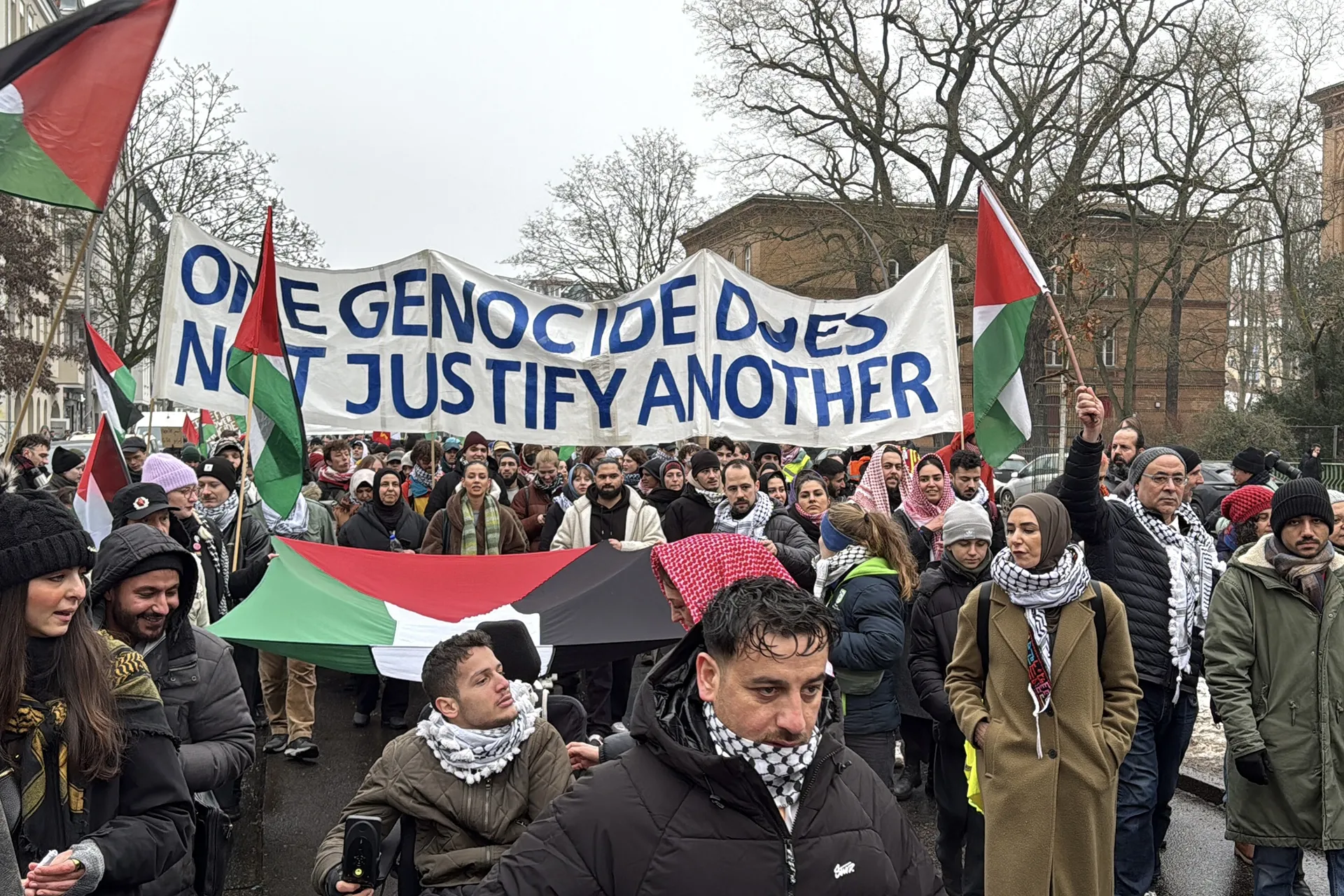
Experts warn that the continuation of this path will lead to a new wave of forced displacement and dispossession of Palestinians, threatening the stability of the entire region. Treating the issue as a real estate or security file ignores the political roots of the conflict and fuels anti-occupation sentiments in the Middle East.
In conclusion, analysts call on Arab and European countries to review their positions on Trump's framework before it is too late. Without serious diplomatic action to modify these strategies, the international community will find itself facing a new reality that completely ends any chance for a just and comprehensive peace.
The new Gaza plan redefines the Strip as a real estate development project, dividing it into areas that mimic modern Gulf cities, far from the concept of a state.


شارك برأيك
Warnings of 'Trump's Plan': Dividing Gaza into Two Enclaves and Consolidating West Bank Annexation