







Ambiguity still surrounds the features of the international force that US President Donald Trump seeks to form under the name of maintaining stability in the Gaza Strip. This ambiguity has led influential countries such as Indonesia and Pakistan to express deep reservations about joining, attributing this to the lack of clarity regarding the mandate granted to this force or the limits of its field powers.
While Israeli media outlets are promoting the readiness of four countries – Kosovo, Albania, Greece, and Morocco – to participate, observers believe that this readiness stems from political and economic interests linking these countries to Tel Aviv. Expert in Israeli affairs, Nihad Abu Ghosh, indicates that these limited participations do not reflect an international consensus on the American plan.
The American-Israeli vision clashes with a categorical Palestinian rejection, especially with the insistence that the primary mission of the force is to disarm the resistance. Resistance factions have clearly announced that they will deal with any foreign forces entering the Strip with this objective as occupation forces, which raises the risks of direct field confrontation.
President Trump had previously stated that the countries involved in the ceasefire arrangements would undertake the task of disarming Hamas if it was not done voluntarily. These statements reinforced international fears that the proposed force is merely a tool to implement Israeli military objectives that the army failed to fully achieve.
In a related context, documents published by the British newspaper The Guardian revealed trends within the Trump administration to establish a military base inside the Gaza Strip. According to these records, the plan includes deploying about 5,000 US soldiers, which gives a permanent military character to the American presence in the region under the guise of security and oversight.
The White House is scheduled to host the first meetings of the "Peace Council" established by Trump to discuss relief and reconstruction files. While US officials speak of broad participation exceeding 40 countries, Palestinian analysts downplay expectations, describing the move as a political show lacking concrete implementation mechanisms.
Specialists believe that donor countries are still hesitant to inject any funds for reconstruction as long as the Israeli military presence continues inside the Strip. Fears of renewed destruction prevent funders from committing to financial pledges in an unstable security environment under direct occupation control.
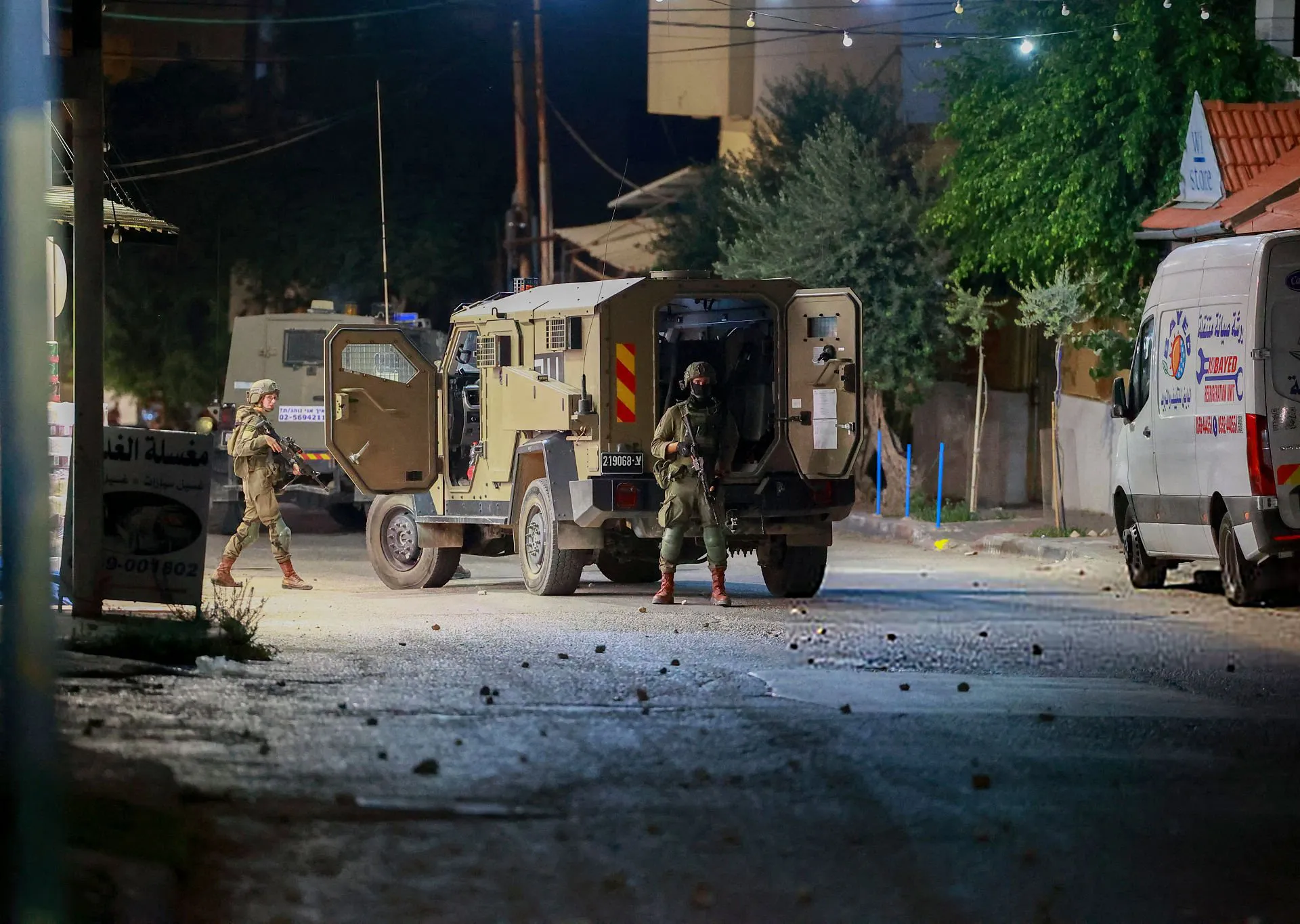
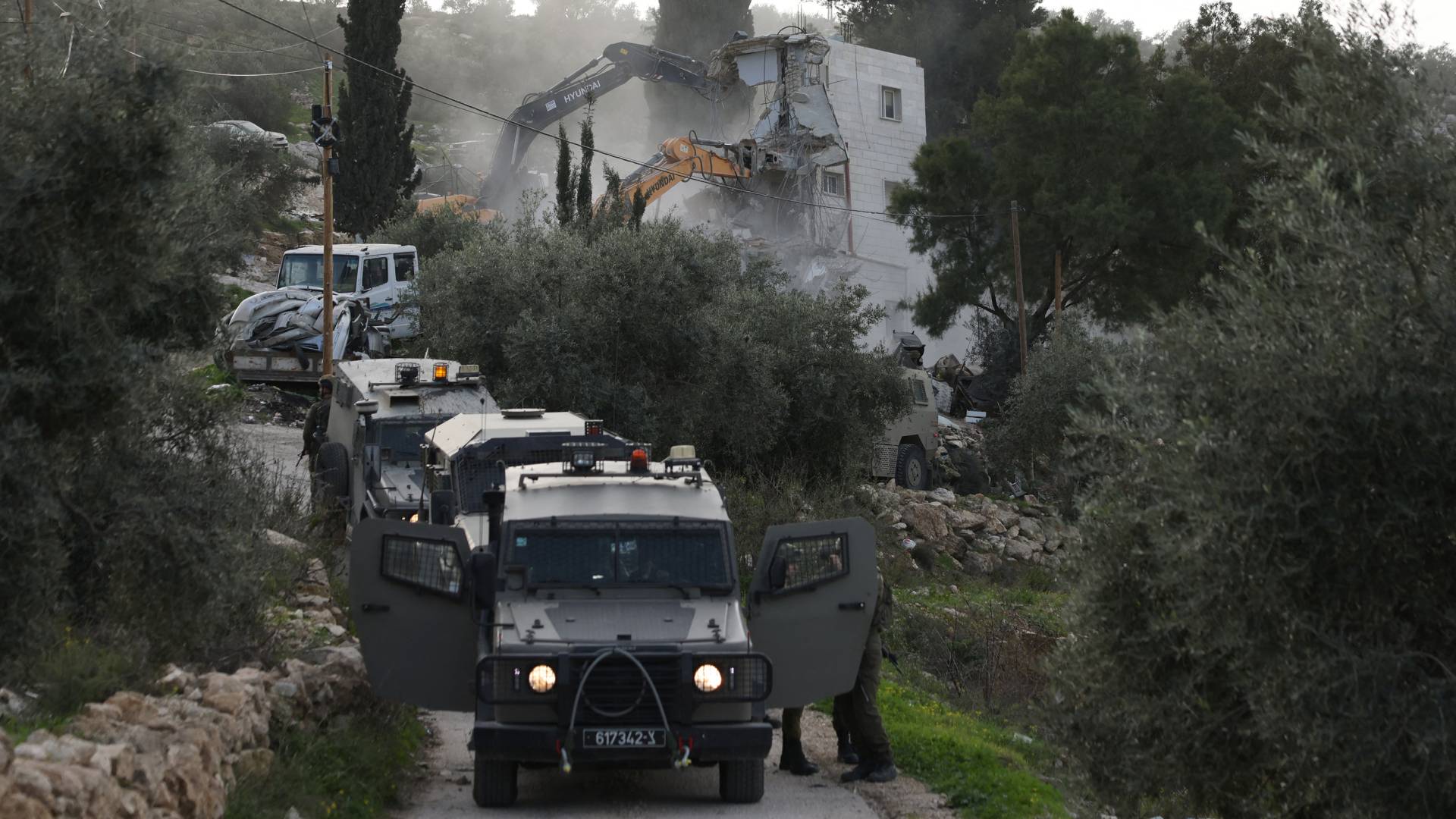
Data indicates that the occupation army continues systematic destruction operations in the areas it controls despite the ceasefire agreement being in effect. These operations appear to aim at preparing the ground for new settlement or security projects that do not serve Palestinian interests, but rather establish a new geographical reality that serves the Israeli vision.
As for international participation, the map appears clearly divided, with the majority of Latin American countries supporting Palestine absent, with the exception of Argentina and Paraguay. This division extends to the European continent, where participation is limited to countries such as Hungary and Greece, amid a boycott by central countries that fear marginalizing the role of the United Nations.
Arab and Islamic countries participating in these meetings are trying to play a mediating role, with the aim of finding an entry point to protect the Palestinian people and alleviate the burden of the siege. These moves come in an attempt to ensure that the US administration does not unilaterally shape the future of the Strip away from Palestinian national constants and international law.
It is worth noting that the "Peace Council" was officially announced in mid-January, based on Trump's plan, which later received Security Council endorsement through Resolution 2803. The Council theoretically aims to manage the transitional phase and coordinate aid, but it faces major legitimate and field challenges that threaten its ability to operate.
In conclusion, the bet remains on the ability of international parties to transform these initiatives into a real political path that ends the occupation. Without clear guarantees of Israeli troop withdrawal and the opening of crossings, the international stabilization force will remain merely a proposal facing Palestinian popular and official rejection.
The Palestinian resistance affirmed that it will not accept disarmament missions and will deal with any foreign presence of this kind as an occupation force.
شارك برأيك
Ambiguity surrounds the formation of a stabilization force in Gaza and international rejection of proposed security missions