







Palestinian families living in the 'Arraba camp' area, south of Jenin city, began forced evacuations of their homes and properties under the threat of the Israeli occupation army. The families hastily gathered their belongings and agricultural production tools after the deadline set by the military authorities to leave the area they had inhabited for many years expired.
The roots of the conflict in this area date back to 2005, when Israel evacuated the camp, then called 'Dotan,' as part of its unilateral disengagement plan. However, the Palestinian families who sought refuge there since 2013 are now facing the threat of renewed displacement. The site includes old concrete buildings dating back to the Jordanian rule, which farmers and livestock breeders used to secure their livelihoods.
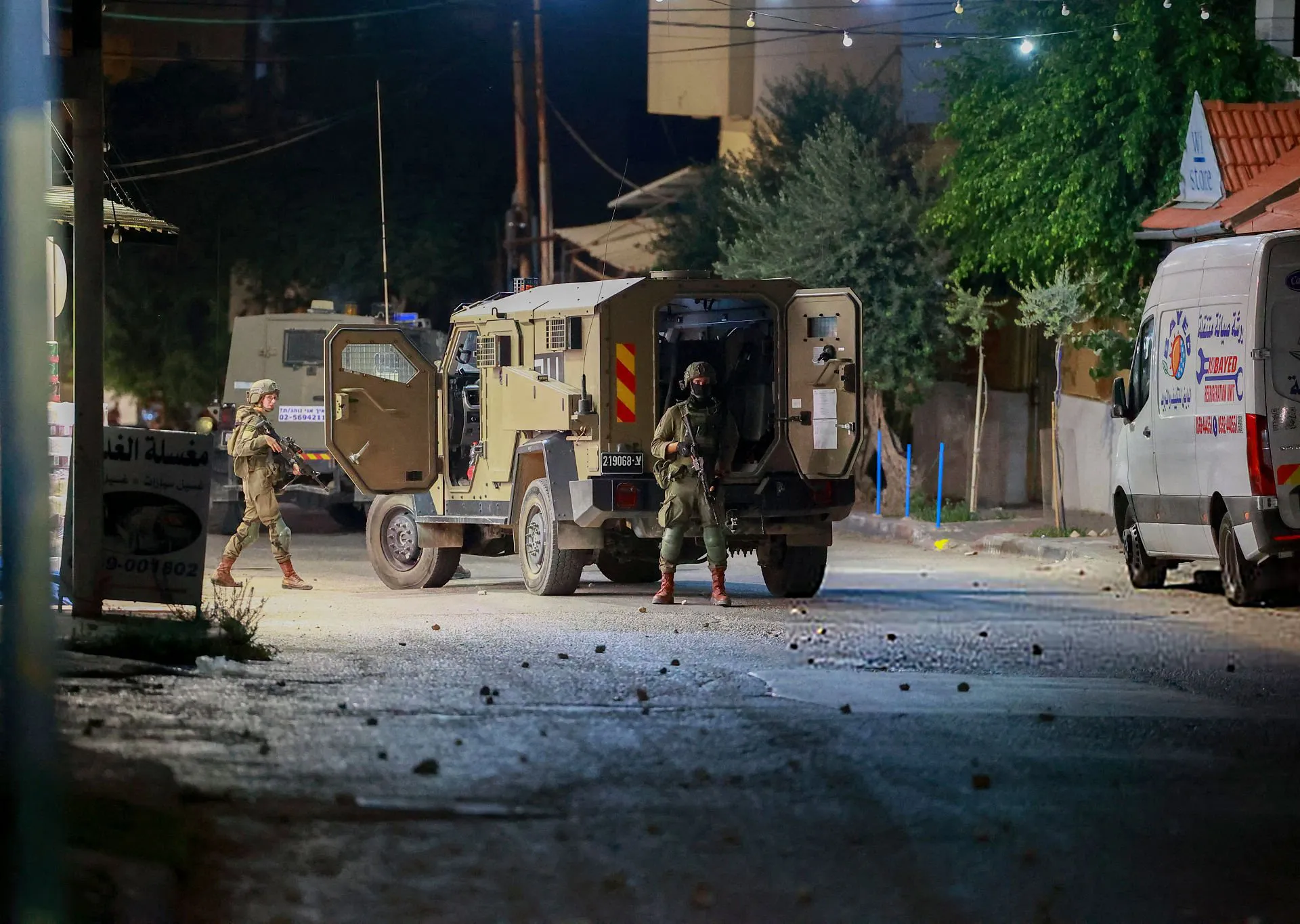
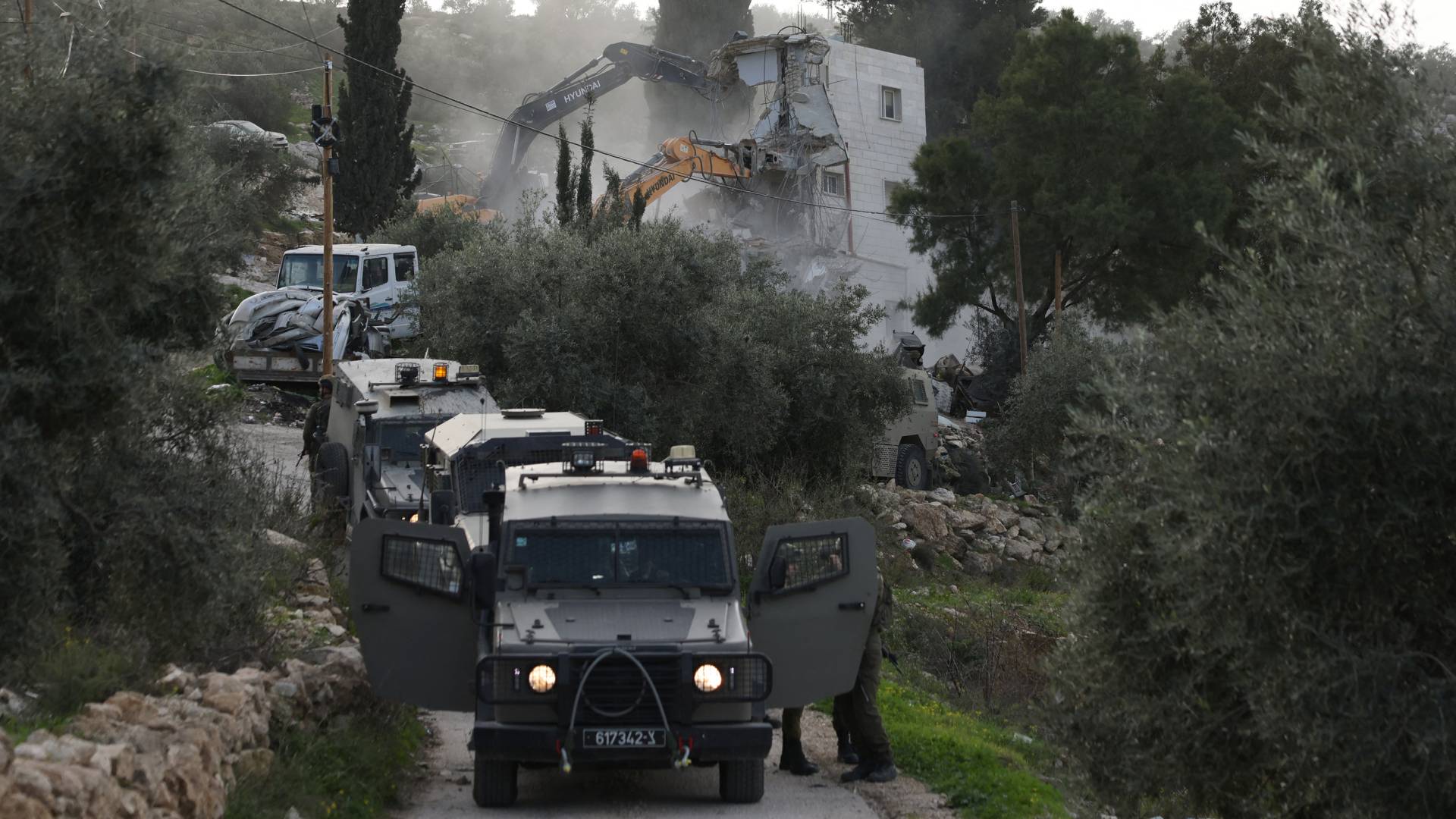
Local sources reported that the occupation army forced about 50 individuals to leave, threatening them with immediate arrest and confiscation of their livestock if they refused to comply with the orders. This step comes under the pretext of the army's intention to redeploy at the site and establish a permanent military post, ending years of relative stability for these families.
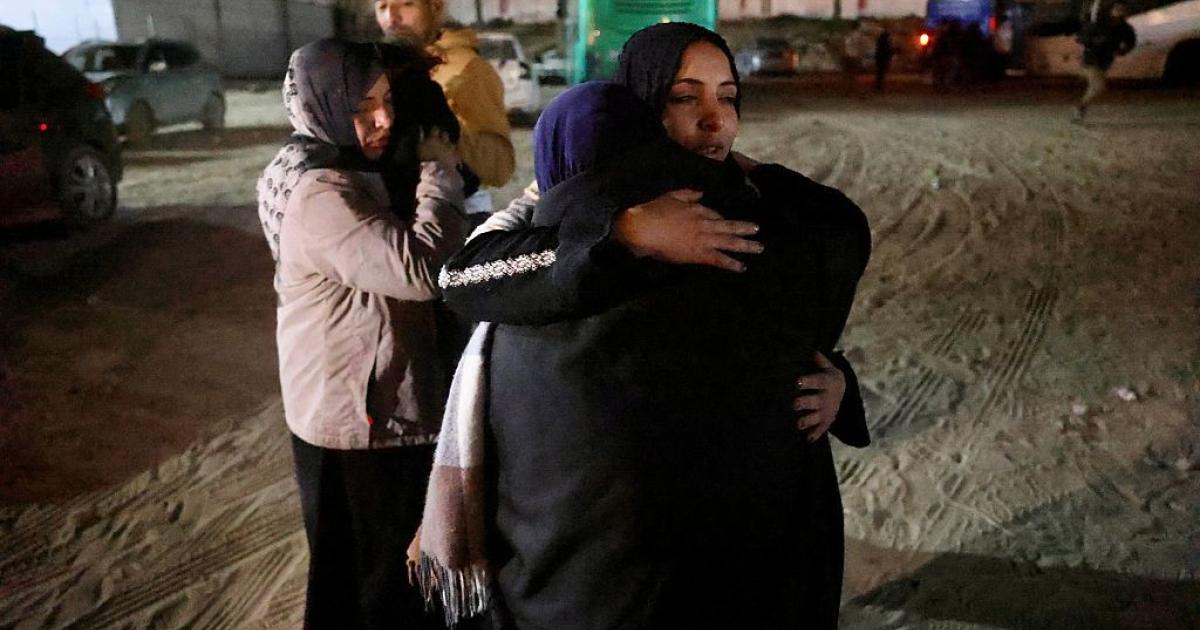
Mrs. Umm Muhammad, one of the displaced from the camp, described the eviction decision as a 'catastrophe' that strikes at the future of her children and disperses them to unsuitable living places. She pointed out that her children were forced to drop out of university due to the displacement and the continuous search for alternative shelter that lacks the most basic necessities of life.
For his part, Jamal Rashid, who was overseeing the transfer of his furniture with an agricultural tractor, explained that the evacuation decision was not separate from the systematic displacement policy in the Jordan Valley and Hebron areas. He affirmed that living in the concrete rooms provided protection for their livestock, but the occupation insists on pursuing Palestinians in every Bedouin or rural gathering in the West Bank.
With the expiry of the military deadline, vehicles carrying dozens of individuals moved away from the camp grounds, leaving behind a place that was bustling with life and agricultural activity. Silence now prevails throughout the site, amidst anticipation of the return of Israeli military vehicles and the sounds of gunfire that may accompany the rebuilding of the military barracks.
In a related context, the head of Arraba Municipality, Ahmed Al-Arda, confirmed that the municipality had not received any official notifications from the competent authorities regarding the nature of the new military activity. He explained that the occupation forces repeatedly stormed the site for a full week to inform residents of the necessity of immediate departure under penalty of legal and security prosecution.
Al-Arda warned that the army's return to the camp practically means controlling vast areas of surrounding land under flimsy security pretexts. This step will also isolate Arraba town and the villages south of Jenin from the city center, exacerbating the suffering of citizens in movement and access to basic services.
Experts in Israeli affairs believe that the return to Arraba camp falls within an escalating trend to strengthen the settlement presence in the northern West Bank. These moves come in implementation of political decisions aimed at reshaping the relationship with the Palestinian presence by transforming it into isolated and weak communities.
The current Israeli policy aims to reshape Palestinian identity in areas classified as 'C,' so that the presence of residents becomes temporary and unstable. This is done by intensifying dominance over the land and rebuilding previously evacuated camps, to ensure that no geographically contiguous Palestinian entity is established.
Reports indicate that the occupation seeks to resolve the core of the conflict by transforming it from an issue of an occupied people demanding their rights into a conflict with 'minorities' within a Jewish state. This approach pushes Palestinian citizens towards difficult choices, either forced migration or living under an increasingly brutal system of racial discrimination day by day.
According to official data issued by the Wall and Settlement Resistance Commission, last January witnessed a sharp escalation in land seizure orders on Palestinian lands. More than 744 dunams were seized for military and settlement purposes, including the construction of security roads and the expansion of camps in Nablus, Jenin, and Ramallah governorates.
The planning authorities of the Israeli Civil Administration also approved plans for the construction of hundreds of new settlement units on vast areas of confiscated land. These plans aim to connect existing settlements to each other, tearing apart the geographical fabric of Palestinian villages and towns in the West Bank.
Arraba camp remains a living example of the 'revolving door' policy pursued by the occupation in dealing with evacuated lands, where it returns to them under security pretexts to pave the way for the return of settlers. The displaced residents today face an unknown future in the absence of international protection and the continued accelerated settlement expansion.
With one military notification, years of building a future collapse as if they never existed, and the occupation tries to expel us from every place we seek refuge.
شارك برأيك
Occupation reoccupies 'Arraba camp' in Jenin and forcibly displaces dozens of Palestinians