







The intensity of the contradiction between declared American diplomatic rhetoric and the reality on the ground in the West Bank is escalating, revealing a deep gap between Washington's official rejection of annexation operations and accelerating Israeli steps. These moves put the occupation government in a real test of the limits of American influence, especially as Tel Aviv continues to change the legal and political reality of the West Bank without effective deterrence.
In recent statements, US President Donald Trump affirmed his comprehensive opposition to the idea of annexing the West Bank, indicating that his administration is preoccupied with other issues and does not wish to engage in this thorny file at present. However, Trump did not address the procedural details recently approved by the Israeli government, which are considered a practical prelude to imposing full sovereignty over the occupied Palestinian territories.
The Israeli Ministerial Committee for National Security Affairs (the Cabinet) had approved a package of decisions aimed at making fundamental changes to the legal and civil status in the West Bank. These measures aim to enhance direct Israeli control, bypassing previous international understandings and signed agreements that regulate the administration of these areas.
Among the most prominent of these steps is the expansion of Israeli oversight and enforcement powers to include areas classified as (A) and (B) under the Oslo Accords, which were administratively under the Palestinian Authority. The occupation authorities justify their intrusion into the depths of Palestinian powers by pursuing unlicensed construction violations, water issues, and the protection of archaeological sites.
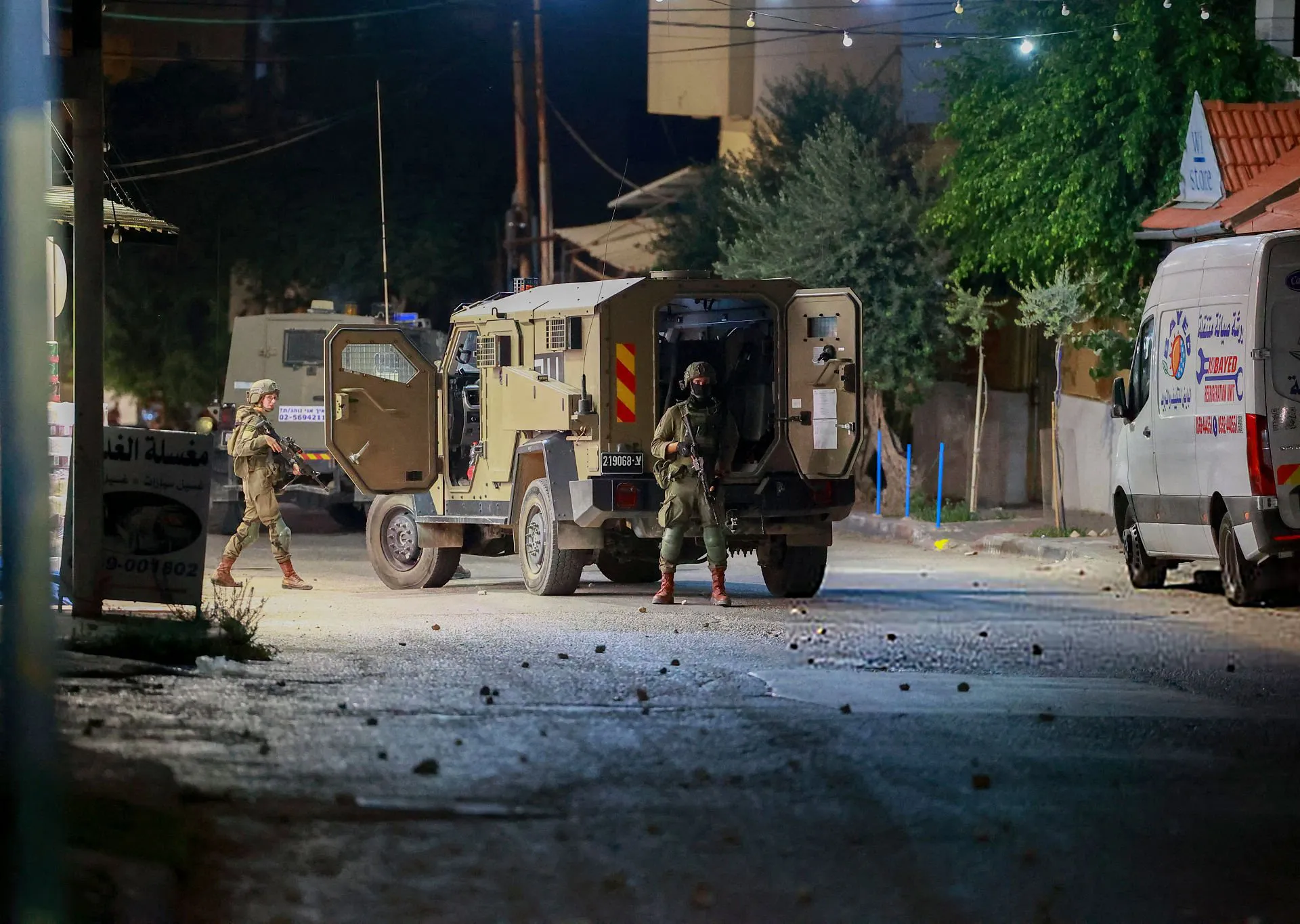
These new measures give the green light to the occupation army to carry out widespread demolition and confiscation operations against Palestinian properties in the heart of cities and villages belonging to the Authority. These policies also contribute to facilitating settlement expansion operations and legitimizing unauthorized outposts, which ultimately undermines any remaining opportunities for the establishment of a geographically contiguous Palestinian state.
These developments come in a cumulative context, as the right-wing government has worked in recent months to transfer civil administration powers and accelerate the approval of thousands of settlement units. Under the 1995 Oslo Accords, Area (A) was supposed to remain under full Palestinian control, but the new reality completely nullifies these divisions.
These Israeli moves directly contradict the requests conveyed by Trump's envoys, Steve Witkoff and Jared Kushner, to Benjamin Netanyahu during previous meetings. Washington had demanded the necessity of de-escalating the situation in the West Bank to avoid a security explosion that could affect regional stability and broader American plans for the region.
Informed sources reported that American officials express their concern about the recent Cabinet decisions in closed rooms, but they are still in the stage of 'studying the implications.' This hesitation coincides with Netanyahu's visit to Washington, where the Israeli side focuses on the Iranian file as a priority, trying to marginalize the West Bank issue on the agenda.
The White House believes that the stability of the West Bank is a fundamental pillar for Israel's security and for achieving the US administration's goals of reaching regional peace agreements. However, this rejection has not yet translated into real pressure, but has been limited to warning statements that did not prevent the Knesset from discussing explicit annexation laws.
In a move that analysts considered a retreat from pressure tools, Trump canceled the executive order issued by his predecessor Joe Biden to punish settlers involved in acts of violence. This cancellation stripped Washington of an effective means to curb settlement escalation, and signaled to extremist right-wing groups to continue their approach without fear of international sanctions.
Press reports indicate that the Trump administration clearly distinguishes between 'the ability to pressure' and 'political management' of the file, preferring to avoid direct confrontation with the Netanyahu government. It seems that Washington is content with verbal objection to 'official annexation' that might break the regional system, while turning a blind eye to gradual 'de facto annexation'.
This American approach has created a comfortable space for the Israeli government to proceed with its measures without fear of conditions on military aid or diplomatic support. Some institutions within Washington fear that any punitive action against Tel Aviv might be interpreted as abandoning a strategic partner at a sensitive time.
America's current priority is to prevent the economic and security collapse of the Palestinian Authority, not out of support for Palestinian rights, but to avoid waves of violence that could get out of control. This approach reflects a desire to manage the crisis and avoid the worst-case scenarios, rather than imposing a political path that ends the occupation or stops settlement.
Ultimately, observers believe that Israel is imposing its sovereignty through accumulated administrative and security decisions that lead to the same result of annexation without the need for a loud legislative declaration. The American position, despite its verbal opposition, remains a contributing factor to the continuation of this reality unless it is coupled with practical steps that stop Israeli encroachment in the occupied territories.
We have enough things to worry about right now; we don't need to get involved in West Bank affairs.

شارك برأيك
Between Verbal Rejection and Implicit Green Light: Why Doesn't Washington Stop the 'De Facto Annexation' of the West Bank?