OPINIONS

Fri 20 Dec 2024 9:09 am - Jerusalem Time

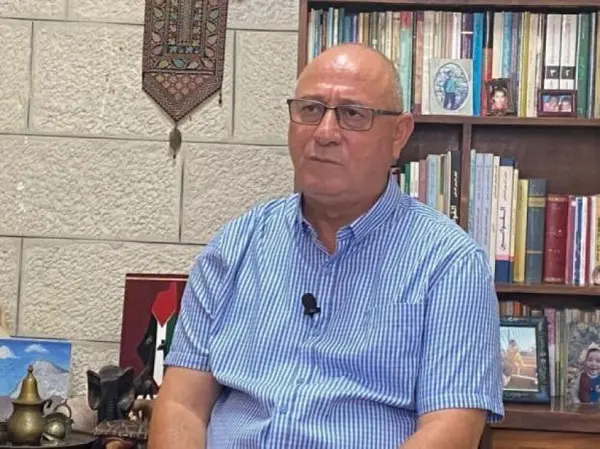
Post-Assad Syria and its implications for the Palestinian issue

Firas Yaghi

Firas Yaghi

Opinion Writer

We share with our Syrian brothers their joy at the fall of the Assad regime that oppressed them for decades, and we wish them a better future in which they enjoy freedom and dignity. However, the joy of being freed from a tyrannical regime does not mean ignoring the imminent dangers that threaten the future of Syria and its people, especially with extremist groups controlling large parts of the country. This new reality raises troubling questions about the fate of Syria and the impact of these transformations on the Palestinian cause and the region as a whole.


With the control of extremist groups, they rushed to close the offices of Palestinian factions in Damascus, in a move that reflects an incomprehensible approach towards the Palestinian cause, especially in light of their actual disregard for the suffering of the Palestinians. Rather, they showed a dangerous leniency towards the Israeli occupation of Syrian lands, including strategic areas such as Mount Hermon. This silence raises questions about the existence of undeclared understandings, especially since Israel has not been exposed to any real threat from these extremist factions throughout its history, and today it has benefited from everyone’s preoccupation with the Syrian chaos to strengthen its occupation and expand its settlements.


Syria today is threatened by a sectarian conflict whose features are beginning to appear clearly, as some organizations target certain demographic components with field executions and grave digging, in violations that threaten the social fabric that Syrians have preserved for hundreds of years.


These divisions are not far from the Palestinian interior, which shares with Syria sectarian and demographic formations that are similar to the point of overlapping. If these sectarian strifes continue in Syria, they may find their negative echo within our Palestinian society, threatening our national unity, which is a fundamental pillar in confronting the Israeli occupation and its plans.


The Levant region, historically known for its religious and ethnic diversity and the peaceful coexistence of its peoples, is today facing the risk of disintegration; extremist groups do not only pose a threat to Syria, but also affect a civilizational model that has proven the possibility of coexistence of different sects for centuries. Systematic attacks on components of Syrian society, and the revival of sectarian tendencies, threaten to obliterate this model, which means long-term repercussions on the stability of the region, including Palestine.


Amidst this bloody scene in Syria, the world has turned away from the Palestinian cause, which has given Israel a golden opportunity to intensify its violations and plans against the Palestinian people.


It is no secret that Israel and Turkey are seeking to exploit the Syrian chaos to achieve their regional ambitions.


Israel views this chaos as an opportunity to strengthen its occupation of the Golan and weaken the Palestinian resistance.


As for Turkey, it continues to support the factions, which raises doubts about its real goals in supporting the Syrian people in achieving their freedom and building their state. Türkiye is focusing on strengthening its geopolitical influence.


As Syrians celebrate the fall of the regime, they must realize that today’s joy could turn into suffering tomorrow if they do not take the initiative to protect their national unity and find wise leadership capable of achieving the aspirations of the Syrian people, far from sectarian conflicts and extremism.


The Palestinian cause, which has suffered from divisions for decades, is a clear lesson on the need to overcome extremism and extremists. What is happening in Syria reminds us all that the battle for freedom is inseparable from the need to preserve the social fabric and work on a comprehensive national project that protects the land and the people from every internal or external threat.


Syria and Palestine are linked by one destiny. The disintegration and conflicts that threaten Syria today will find their way to the entire region unless everyone, peoples and leaders, come together to confront these dangers and chart a more stable and peaceful future.

PALESTINE

Fri 20 Dec 2024 9:03 am - Jerusalem Time

Washington rejects Human Rights Watch report on Israel committing genocide in Gaza

In a statement that surprised no one, US State Department spokesman Vedant Patel said during his press conference on Thursday that the United States opposes the conclusions reached by the Human Rights Watch report regarding Israel committing acts of genocide in Gaza.


"When determining whether genocide has occurred, the legal standard is extremely high, so we disagree with the conclusions of this hypothesis," Patel explained in response to reporters' questions.


In response to a question from the Jerusalem correspondent regarding the fact that this report is not isolated from other reports that preceded it, such as the Amnesty International report issued on December 5, and the report of the Israeli human rights organization, B'Tselem, issued before that, Patel said, "We do not agree with Amnesty International, nor do we agree with Human Rights Watch, and we do not accept reports from organizations that are not recognized as a source by the United States government."


It is noteworthy that the Secretary General of Amnesty International, Agnes Callamard, said during a press conference on December 5, that her organization had found “sufficient evidence to prove that Israel has committed, and continues to commit, the crime of genocide against the Palestinians in the Gaza Strip.”


Human Rights Watch issued a report on Thursday (12/19) in which it accused the Israeli authorities of “deliberately imposing on the Palestinian population in Gaza living conditions designed to destroy part of the population, by deliberately depriving Palestinian civilians there of adequate access to water.”


The organization said that these restrictions "likely led to thousands of deaths, and are likely to continue to cause more deaths."


The report, which took a full year to complete, relied on interviews with a large number of Gaza Strip residents, employees of water companies and sewage facilities, paramedics and relief workers, in addition to analyzing satellite images and videos filmed in the Strip.


Human Rights Watch stressed that the Israeli authorities have deliberately obstructed Palestinians in the Gaza Strip from accessing the sufficient amount of water to survive, since October 2023, but it did not conclusively confirm that Israel committed "genocide."


The organization relied on statements by some Israeli officials, who expressed a "desire to destroy the Palestinians in Gaza," as evidence of a "specific intent" to commit "genocidal" acts.


Among those statements, the organization cited what the then Israeli Defense Minister, Yoav Galant, said on October 9, 2023, when he announced the imposition of a “complete blockade” on Gaza and said: “There will be no electricity, no food, no water, no fuel... everything is closed.”


"I have ordered a complete blockade of the Gaza Strip. There will be no electricity, no food, no fuel, everything is closed," Galant said after assessing the situation at the Southern Command of the Israeli occupation army that day in Beersheba.


An arrest warrant was issued on November 21 against Galant by the International Criminal Court on charges of war crimes, along with an arrest warrant against Israeli Prime Minister Benjamin Netanyahu.

ARAB AND WORLD

Fri 20 Dec 2024 8:43 am - Jerusalem Time

Israeli raids on Yemen: a live ammunition rehearsal in preparation for striking nuclear reactors

Major General Wassef Erekat: Israel deals with different theaters of operations as testing grounds to test the capabilities of its army and develop its military strategies

Dr. Aql Salah: Targeting Yemen is part of an Israeli policy aimed at striking all parties that provide support to the Palestinian resistance

Muhammad Abu Allan Daraghmeh: The Israeli government uses American and European support to justify its military aggression in the Middle East

Dr. Jamal Harfoush: Yemen provides a geographically complex operational environment similar to Iran, which makes Israeli attacks part of a “field experiment”

Talal Okal: Striking Yemen can be considered an “operational rehearsal” and is part of a broader strategy to pave the way for a direct confrontation with Iran

Fayez Abbas: A step to confront the only force that continues to bombard Israel with ballistic missiles.. and has nothing to do with planning to strike Iran


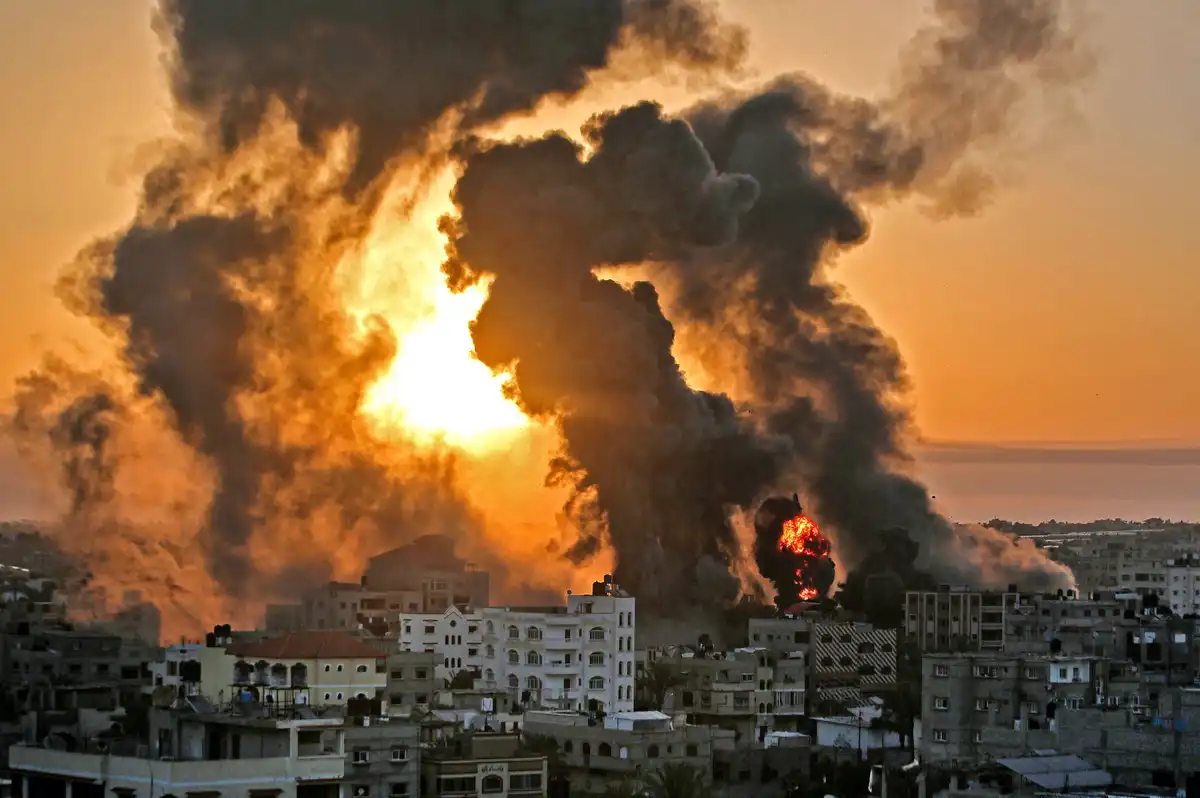
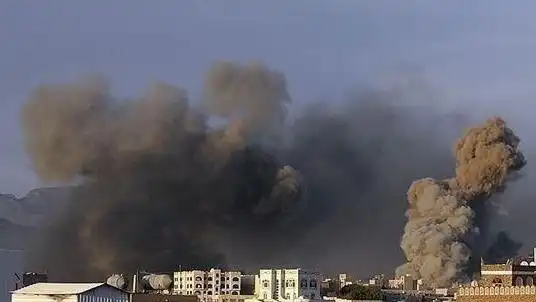
In a move that reflects the complexity of the regional scene, Israel launched air strikes on Yemeni sites, targeting infrastructure in Hodeidah, Sanaa and other areas, a few hours after Yemeni shelling of the Ramat Gan area, amid warnings that the Israeli strike was part of messages and a simulation of an expected strike on Iran.


Writers, analysts, experts and specialists believe, in separate interviews with “I”, that this escalation against Yemen comes within a broad context indicating that Tel Aviv is dealing with Yemen as an arena for operational experiments aimed at testing the readiness of its army to confront similar scenarios in Iran.


They point out that this escalation is not limited to the military dimension, but is also linked to Israel's attempts to establish new rules of engagement in the region, whether by deterring Yemeni support for the Palestinian resistance, or as part of a more comprehensive strategy targeting the axis of resistance to focus on the head of the axis, Iran.


Israel treats various theaters of operations as testing grounds.


Retired Major General Wassef Erekat, a military and security expert, confirms that Israel deals with the various theaters of operations, whether in Palestine, Lebanon or Yemen, as testing grounds to test the capabilities of its army and develop its military strategies.


Erekat explains that the recent Israeli attacks on Yemen come within this framework, taking advantage of the operational similarity with scenarios targeting distant targets such as Iran, where aircraft are used to strike sites that require refueling in the air and maneuvering over wide areas.


Erekat points out that there is a fundamental difference between targeting Yemeni sites and Iranian nuclear reactors. While Israel focuses on bombing ports, power stations, and oil depots in Yemen, bombing Iranian nuclear reactors requires overcoming major obstacles, including advanced Iranian air defenses, widespread radar systems, and the vast geographical areas over which Iranian nuclear facilities are spread.


Erekat asserts that these factors increase Israeli domestic doubts about the air force’s ability to carry out an effective strike without direct American support, despite the intensive training conducted by the Israeli army, including long-range maneuvers over the Mediterranean Sea last October, which included simulations of refueling and striking distant targets.


Erekat explains that Yemen succeeded in complicating the Israeli calculations after it bombed two military sites in Jaffa, where the Israeli Minister of Education admitted that a school in Ramat Gan was hit, and that the hit was accurate, as the explosive warhead of the missile caused widespread destruction, contrary to the Israeli army’s account that claimed that an interceptor missile hit the school.


He points out that the Israeli "Arrow" system was unable to intercept Yemeni missiles effectively, which represents a weakness that worries the Israeli military leadership and limits its ability to escalate attacks against Yemen without facing costly responses.

Erekat points out that the recent Israeli bombing targeted the Yemeni infrastructure intensively, including the port of Hodeidah, Al-Salif, Ras Issa, and the south of the capital Sana'a, where the Dhahban and Haiz stations, fuel tanks, and power stations were bombed. The bombing resulted in nine martyrs and three wounded, according to Yemeni data.


He believes that the Yemeni response to these attacks was clear and decisive, as he stressed that these attacks will not deter the Yemenis from "performing their religious and moral duty" in supporting the Gaza Strip and responding to the Israeli massacres, while the Yemeni forces stressed the continuation of their military operations until the Israeli aggression on Gaza stops and the siege is lifted.


Erekat believes that the Israeli army may resort to expanding the scope of its operations inside Yemen, including targeting vital strategic sites and assassinating prominent leaders and officials. However, the decisive Yemeni responses and its insistence on continuing to support the Palestinian resistance pose a major challenge to Israel and further complicate its military options in the region.


Israel is racing against time to weaken Yemen


Writer and political researcher Dr. Aql Salah confirms that the Israeli raids on Yemen at dawn on Thursday carry intertwined strategic dimensions, aiming to deal painful blows to Yemen because of its honorable position in supporting the Palestinian people, and the Gaza Strip in particular, in light of the war that has been ongoing since October 7, 2023.


Salah explains that Israel is racing against time to weaken Yemen, which played a pivotal role in targeting the Israeli depth with qualitative missiles and heavy weapons, which confused the Israeli leadership and raised great concern within political and military circles in Tel Aviv.


Dr. Salah believes that Israel seeks, through these strikes, to form a deterrent force to stop the Houthis from targeting the Israeli depth with qualitative missiles.


Salah points out that Netanyahu, who is trying to enhance his image as a national hero in the Middle East, considers the Yemeni file to be one of the most prominent challenges he currently faces, as Yemen, with its firm position and support for the Palestinian cause, has become a real threat to Israel, especially after the missiles that targeted sensitive sites deep inside Israel at dawn on Thursday, causing great damage.


Salah explains that targeting Yemen comes within the framework of an Israeli policy aimed at striking all countries or parties that provide support to the Palestinian resistance.


Salah points out that Yemen, along with other Arab countries such as Lebanon and Iraq, has shown unprecedented support for the Palestinian cause during the current war, which prompted Israel to intensify its attacks in an attempt to weaken these fronts.


He points out that Israel is benefiting from the international coalition launched by the United States of America in December 2023, under the name "Guardian of Prosperity", which includes European countries, as this coalition aims to deter Yemen and prevent it from continuing its support for the Palestinian people.


Salah points out that Yemen was subjected to strikes by that coalition, and several military strikes were carried out on Yemeni targets with the aim of limiting its ability to target commercial or military ships heading to Israel.


Salah confirms that these alliances and repeated targeting have inflicted great losses on Yemen, but they have also inflicted great economic damage on Israel, European countries, and the United States.


Salah explains that Yemen's continued support for the Palestinian resistance represents a challenge to Israel, which seeks through these alliances to isolate and weaken Yemen.


Salah believes that Netanyahu is adopting a policy of separating files to gradually address regional challenges. At first, he succeeded in separating the Lebanese file from the Palestinian issue by signing agreements with Lebanon. Today, Netanyahu is trying to repeat the same scenario with Yemen and Iraq, in preparation for striking Iran without any reactions from its allies in the region.


Salah points out that Netanyahu is trying, through escalating strikes on Yemen, to send deterrent messages to all parties, stating that any targeting of Israel will be met with harsh reactions. Netanyahu is also trying to silence all open fronts against Israel, including Yemen, to ensure the achievement of his strategic goals of striking Iran without any regional resistance.


Salah asserts that Israel is exploiting these strikes to achieve internal and external goals. On the one hand, it seeks to cool the Israeli domestic arena by sending messages to Israeli society that its leadership is capable of protecting national security and responding to any threats. On the other hand, it is trying to send deterrent messages to countries and parties opposed to it, stating that anyone who dares to target Israel will pay a heavy price.


Salah points out that Netanyahu wants, by targeting Yemen, to enhance his image as a strong leader capable of controlling regional situations, especially in light of the increasing challenges he faces internally and externally.


Israel seeks to strengthen its position as the "regional policeman"


Writer and expert on Israeli affairs, Muhammad Abu Allan Daraghmeh, believes that the recent Israeli strike on Yemen is not just a "rehearsal" for striking Iran, noting that Israel has carried out targeting operations against Iran many times before.


Draghmeh explains that this strike comes within the framework of an integrated Israeli policy that relies on strengthening its position as the “regional policeman,” by targeting regional countries, including Yemen, Iran, Lebanon, the Gaza Strip, and the West Bank.


Draghmeh points out that this aggressive Israeli policy comes with direct support from the United States, and with the assistance of some European Union countries, which strengthens Israel's regional position.


Draghmeh stresses that these expected attacks against Iran are not directly linked to political changes in Washington, noting that Israel carried out operations targeting Iran during the term of US President Joe Biden, which indicates that Israeli aggressive operations are based on long-term strategic plans and are not a reaction to political changes or specific events.


Draghmeh explains that the Israeli attack on Yemen at dawn on Thursday, according to Israeli sources, was part of pre-planned plans and not just a reaction to the launch of the ballistic missile that targeted the Israeli depth and reached the center of occupied Palestine.


Draghmeh expects that Israel may use the airspace of Iraq and Syria to carry out its military operations against Iran, which indicates its continued exploitation of the security vacuum in the region after the destruction of the Syrian regime's military capabilities following the control of the new regime in Syria.


Draghmeh believes that the Israeli strikes on Yemen come under the pretext of confronting ballistic missiles and drones launched from Yemen in support of the Palestinian resistance, but Israel's main goal is to stop these attacks, which have become a tangible threat to its national security.


Regarding future scenarios, Draghmeh indicates that Israel will continue to target Yemen as part of its plan to confront what it considers the “growing phenomenon” of Yemen’s support for the Palestinian resistance.


Draghmeh points out that the Israeli bombing of Yemen is not an isolated incident, but rather part of a comprehensive strategy targeting the countries of the region, under the pretext of protecting Israeli security and deterring missile attacks, as these operations reflect the aggressive Israeli policy based on expanding the circle of conflict in the region and targeting parties that support the Palestinian resistance.


Draghmeh points out that Israel is using American and European support to justify its military aggression in the Middle East, in an attempt to establish a new deterrence equation in the face of regional powers that challenge its influence.


Part of a broader strategy related to regional power balances


Professor Dr. Jamal Harfoush, Professor of Scientific Research Methods and Political Studies at the University of the Academic Research Center in Brazil, confirms that the Israeli attacks on Yemen are not merely isolated operations or directed exclusively against the Houthis, but rather represent part of a broader strategy related to the regional balance of power, especially in the context of escalating tensions between Israel and Iran.


Harfoush believes that these strikes have multiple dimensions, which may include testing Israel's operational capabilities and sending deterrent messages to Iran's allies in the region.


Dr. Harfoush believes that Yemen provides a geographically complex operational environment similar to Iran, which makes the Israeli attacks part of a “field experiment” to test its operational readiness in such circumstances.


Harfoush explains that these operations aim to assess the capabilities of the Houthis, who are supported by Iran, in dealing with advanced air attacks, in addition to collecting and analyzing accurate information about the defense systems and networks of missiles and drones that the Houthis possess, capabilities similar to those of other Iranian allies.


Harfoush points out that these airstrikes represent an opportunity for Israel to assess their impact on disrupting missile and drone networks, reflecting a readiness to strike similar targets in Iran if necessary.

Harfoush stresses that the timing of these attacks plays a crucial role, as they came during a transitional period between an outgoing US administration and a new one led by Donald Trump.


Harfoush points out that Israel exploited this political vacuum to establish new facts on the ground without facing major objections from the US administration, especially since the Biden administration was more reserved in supporting large-scale Israeli operations.


Harfoush explains that the Israeli strikes carry a veiled message to Iran and its allies in the region, that Israel is prepared to go far in deterring any threats, and that it is capable of carrying out qualitative operations in distant areas, which enhances its position as a regional power that does not compromise with its opponents.


Dr. Harfoush stresses that these operations cannot be isolated from the larger regional conflicts, through which Israel targets the axis of resistance more broadly.


Harfoush believes that the attacks may be a preliminary step for greater intervention in other areas such as Syria or Iraq, where Iranian-backed militias are active.


Harfoush points out that these operations may be part of a comprehensive strategy to curb Iran's influence in the region, exploiting the growing tensions with Tehran.


He explains that Yemen is a meeting point for regional and international interests due to its strategic location on the Red Sea and its importance as a vital shipping lane.


Harfoush confirms that the continuation of Israeli strikes may include targeting Yemeni ports, missile and drone manufacturing centers, military bases and weapons depots, with the aim of disrupting the Houthis’ ability to carry out long-range attacks against Israeli and naval targets.


Regarding the Houthi response, Harfoush points out that the Houthis may use the tools available to them, such as targeting Israeli ships or those belonging to its allies in the Red Sea.


Harfoush points out the possibility of carrying out naval attacks or launching missiles and drones at commercial and military ships. The Houthis may also expand the scope of the confrontation to the Israeli depth in coordination with Iran or its allies, which could constitute a dangerous development in the conflict.


Harfoush did not rule out that the Houthis would exploit the conflict to expand the scope of the confrontation with other countries, such as Saudi Arabia or the Emirates, to increase pressure on the regional alliance supporting Israel.


Regarding the position of the international community, Harfoush believes that international organizations and major countries may move to contain the escalation by imposing diplomatic restrictions on Israel or the Houthis, or by launching mediation initiatives.


However, Harfoush doubts the success of these efforts in the absence of the parties’ willingness to sit at the negotiating table, especially in light of the increasing regional tensions.


If the escalation in Yemen is linked to preparations for a direct confrontation with Iran, Harfoush believes that the region may witness greater movements that include Syria, Iraq, or even the Arabian Gulf.


He explains that Iran may increase its military and intelligence support for the Houthis, leading to a greater escalation in Yemen, and the conflict may extend to include the Arabian Gulf and the Strait of Hormuz, which will lead to a global energy crisis.


Harfoush believes that the Israeli escalation in Yemen is not a passing event, but rather part of a broader regional and international equation.


Harfoush asserts that the possible scenarios indicate that the region may be on the cusp of a new phase of conflict, whether through direct military escalation or through a comprehensive confrontation involving regional and international powers, but the decisive factor remains the extent of the readiness of international and regional parties to intervene to contain the situation, or to let it escalate as part of a major game between the great powers.


Netanyahu is trying to exploit any opportunity to open new fronts of war


Writer and political analyst Talal Okal asserts that the Israeli strikes on Yemen represent a strategic step that goes beyond merely targeting the Houthis or responding to missile launches, noting that Israeli Prime Minister Benjamin Netanyahu seeks through them to send multi-dimensional messages that serve his political ambitions and are a prelude to broader steps targeting Iran.


Awkal explains that Netanyahu is trying to exploit any opportunity to open new fronts for war, especially in light of the near end of military operations and the war on Gaza.


Okal points out that Netanyahu continues to promote the idea that the “Israeli army has a long arm” and does not tolerate any threats. However, the noticeable shift in Israel’s strategy is clearly evident in its increasing focus on Iran, which represents Netanyahu’s first and most important target, both because of its nuclear program and its role in supporting the axis of resistance.


Awkal points out that targeting Iran represents an opportunity for Netanyahu to declare a "strategic victory" over the most important allies of the axis of resistance, which will ensure that he strengthens his position internally and externally.


Okal believes that Netanyahu is well aware that moving to strike Iran may be welcomed by US President-elect Donald Trump, and perhaps with direct American participation if he returns to power, especially since the Biden administration has expressed reservations about the expanded Israeli plans.


Awkal believes that the move to target Iran will not be limited to achieving Israel's security goals only, but rather carries within it personal political motives for Netanyahu, who seeks to secure his political future and delay any repercussions that may threaten his continuation in power.


Okal explains that Netanyahu is facing enormous legal pressure due to the corruption trials, in which the Israeli attorney general has rejected his repeated requests to postpone the court sessions.


Awkal asserts that Netanyahu is seeking to use the war on Iran as a pretext to postpone his trials, after previous security pretexts failed to convince the judicial authorities.


Okal believes that military escalation against Iran may impose a new reality that will force the attorney general and the courts to accept requests for postponement, giving Netanyahu a greater opportunity to focus on strengthening his political power and securing his domestic position.


Awkal points out that the Israeli strikes on Yemen are not just traditional military operations, but rather carry important strategic messages. On the one hand, they reflect Israel’s readiness to expand the scope of its operations in the region, and on the other hand, they pave the way for greater escalation against Iran.


Awkal explains that these strikes come within what can be considered an "operational rehearsal" to test readiness and preparedness for a wider confrontation.


Awkal points out that Netanyahu seeks, through these steps, to strengthen Israel's position as a regional power that does not compromise with its opponents, and to achieve long-term strategic goals related to reshaping the balance in the region in Israel's favor.


Awkal points out that the Israeli strikes on Yemen are part of a broader strategy aimed at paving the way for a direct confrontation with Iran.


Awkal believes that these operations have political and personal dimensions for Netanyahu, who seeks to strengthen his political standing and secure his future in light of the increasing internal and external pressures. However, regional escalation may carry great risks, not only for the stability of the region, but also for Israel itself, in light of the possibility of strong reactions from Iran and its allies.


The bombing of Yemen has nothing to do with planning to strike Iran


Israeli affairs expert Fayez Abbas believes that the Israeli attacks on Yemen are not related to planning to strike Iran or to the expected political changes in the United States after the election of Donald Trump as president. Instead, these attacks come in the context of confronting the direct threat posed by Yemen, as the only force that continues to bombard Israel with ballistic missiles.


Abbas points out that the recent Israeli bombing, which took place at dawn on Thursday, resulted in extensive damage, as Yemeni ballistic missiles fell on the city of Ramat Gan, destroying a school and sending more than three million Israelis into shelters.


Abbas explains that this escalation from the Yemeni side prompted Israel to launch military strikes for the third time in a short period against Houthi sites.


He points out that Israel is intensifying its military operations against Yemen at this stage, targeting infrastructure bases in major cities such as Hodeidah and Sanaa, as the Israeli bombing aims to weaken the Houthis' military capabilities and disrupt their ability to launch ballistic missiles and drones that have become a tangible threat to Israeli security.


Abbas points out that experts on Yemeni affairs believe that these strikes, despite their strength and the damage they cause, will not deter the Houthis from continuing to bomb Israel.


Abbas believes that this challenge puts Israel in a complex confrontation, as it faces an opponent determined to continue attacks despite increasing military pressure.


Abbas points out that the United States launched air strikes on Houthi bases a few days ago, reflecting American-Israeli coordination in confronting threats coming from Yemen.


Abbas points out that this coordination may develop to include Israeli-American support for the Yemeni forces opposing the Houthis, with the aim of opening an internal front against them and igniting a civil war in Yemen.


Abbas asserts that this possible scenario aims to undermine the Houthis’ control over the areas they control, by strengthening the forces opposing them and preoccupying them with internal conflicts, which would reduce military pressure on Israel and disrupt their ability to target it.


PALESTINE

Fri 20 Dec 2024 8:41 am - Jerusalem Time

The Ambassador of the Kingdom of Morocco visits Al-Quds newspaper

Yesterday, the Moroccan Ambassador to Palestine, Abdel Rahim Meziane, and his deputy, Mehdi Bouanan, visited the headquarters of Al-Quds newspaper. Editor-in-Chief Dr. Ibrahim Melhem gave the visiting delegation an explanation about the newspaper’s establishment, its work, its departments, and its many platforms.


Mezian praised the remarkable development witnessed by the newspaper in its paper and electronic versions, expressing his appreciation for the work crews and the freedom enjoyed by daily coverage in articles, news and reports.


Meziane also expressed his hope to cooperate with all official and private media outlets, and contribute to developing their performance by sending journalistic cadres to participate in training courses in Moroccan press institutions.

PALESTINE

Fri 20 Dec 2024 8:32 am - Jerusalem Time

Raids and arrests in the West Bank

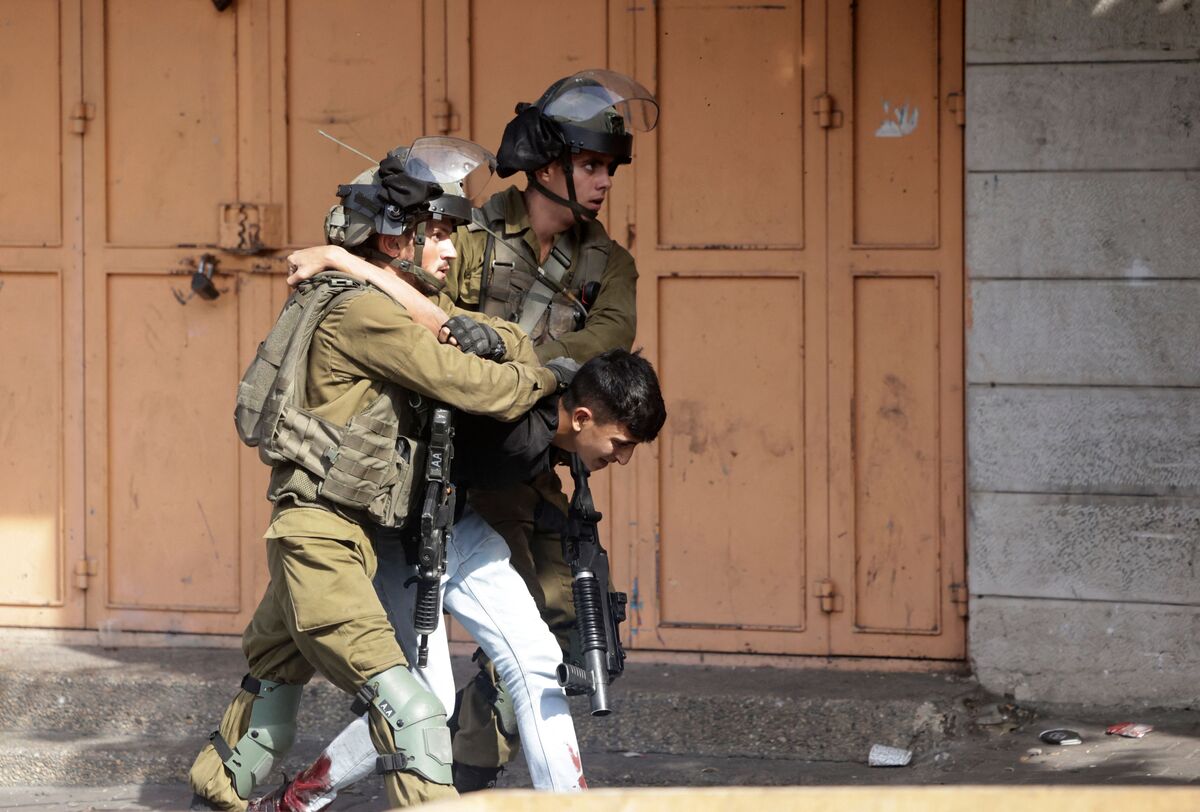
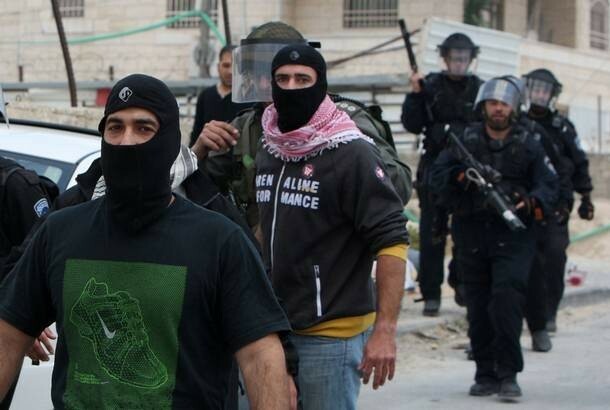
The Israeli occupation forces launched a campaign of raids and arrests in the West Bank at dawn and this Friday morning.


In Nablus, the occupation forces stormed Balata camp twice in a row, and began bulldozing the infrastructure on the market street, causing destruction and devastation.


These forces also toured the alleys of Al-Badoud and Al-Jammasin inside the camp, and the soldiers stormed and searched a number of houses.


In Ruqayyah Rojib, several military vehicles stormed the village, and the soldiers raided a house, searched it, ransacked its contents, and wreaked havoc on it. They arrested citizen Muhammad Khaled Rawajbeh, his wife Tamam Abdullah Shraim Rawajbeh, and their son Ameed.


Local sources added that an occupation force stormed the village of Kafr Qalil, south of Nablus, raided a house there, searched it and tampered with its contents.


PALESTINE

Fri 20 Dec 2024 8:25 am - Jerusalem Time

West Bank: Israeli settlers burn a mosque and write racist slogans on its walls north of Salfit

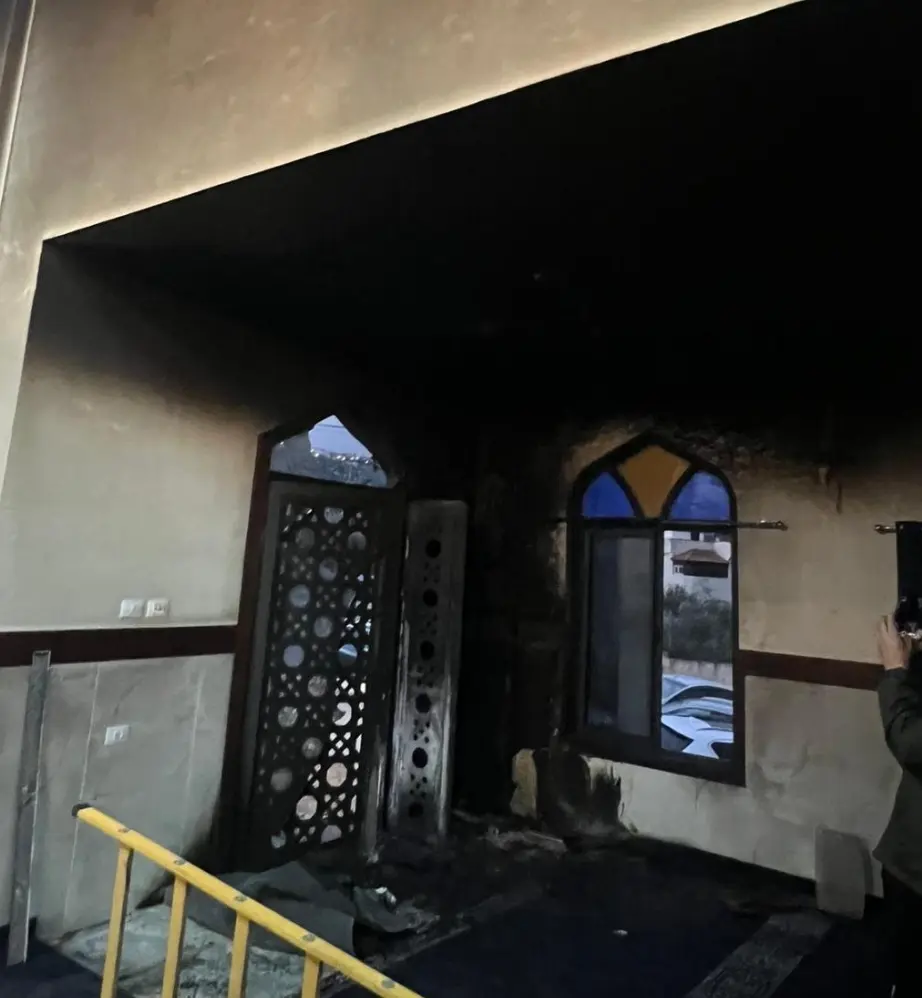
Settlers burned down a mosque in the village of Marda, north of Salfit, at dawn on Friday.


Local sources reported that settlers stormed the eastern part of the village at dawn, burned down the Bar al-Walid Mosque, and wrote racist slogans on its walls.


The sources added that the residents were able to control the fire before it spread to the entire mosque, as the damage was limited to its entrance only.


During the same period, the occupation forces demolished the Al-Shiyah Mosque in the town of Jabal al-Mukaber in occupied Jerusalem, noting that it had been built for 20 years. Settlers also desecrated the Khirbet Marah al-Baqar Mosque in the town of Dura in the Hebron Governorate.


The occupation forces also damaged the Abu Bakr al-Siddiq mosque in Nour Shams camp, and the Shuhada mosque in Tulkarm camp, and demolished a prayer hall for the Arab al-Ara’ra community near the town of Jaba’ east of Jerusalem, and part of a settlement for the Abu Bakr al-Siddiq mosque in the Far’a camp in Tubas governorate.

ARAB AND WORLD

Thu 19 Dec 2024 10:05 pm - Jerusalem Time

Blinken advises Israel to leave Gaza, Germany and Britain call on it to stop the war

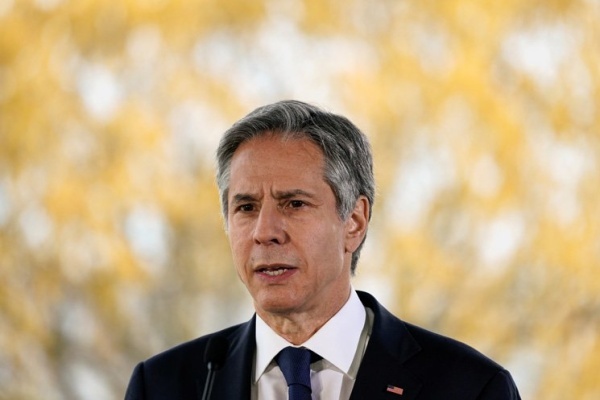
US Secretary of State Anthony Blinken said that Israel had achieved its primary goal of destroying Hamas, and it was in its interest to find a way out of the Gaza Strip, while Germany and Britain called for a ceasefire in the Strip.


Blinken stressed that his country rejects Israel's occupation of Gaza, because it will encourage the remnants of Hamas to continue fighting, according to him.


Blinken said on Wednesday that he was still optimistic that a ceasefire could be reached in the Gaza Strip during the remaining days of President Joe Biden's term, refusing to make any speculation about the possibility of success of negotiation efforts after Washington had failed to do so over the past 14 months.


"I'm optimistic. You should be. We're going to use every minute of every day of every week that we have left to try to get this done," said Blinken, who will leave office when Biden's term ends on Jan. 20.


On the other hand, the US Secretary of State stressed that the continued presence of the Israeli army in the Gaza Strip indefinitely is not in Israel's interest.


He said that if the Israelis decided to stay in the Strip, "they will have to face an insurgency for many years, and this is not in their interest."


Negotiations are approaching their goal

In turn, US National Security Advisor Jake Sullivan said that the negotiations were close to their goal.


Sullivan confirmed during an interview with the American network "MSNBC" that the negotiations on Gaza are close to their goal, and that with the pressure of the mediators and the commitment of Israel and Hamas, this can be achieved.


The US National Security Advisor said that the obstacles to reaching a ceasefire agreement in Gaza relate to the details, determining the names of the hostages and prisoners who will be released, and the distribution of Israeli forces in the Strip during the ceasefire.


Sullivan added that these obstacles could be overcome if Hamas was willing to agree to conclude this deal.


European calls for ceasefire

In Europe, the German Foreign Ministry said that Germany explicitly supports the mediation efforts between Israel and Hamas carried out by its partners in Egypt, Qatar and the United States, and that it rejects the displacement of Palestinians or the reduction of their lands.


She added in statements to Al Jazeera that Gaza should not pose a threat to Israel in the future, but she also rejects "Gaza being occupied or resettled in the long term."


She said there was a need for a ceasefire, delivery of aid to Gaza and the release of hostages, stressing that she did not accept imposing a political solution on the Palestinians that exceeded their will.


British Prime Minister Keir Starmer said that there is a need for an immediate ceasefire in Gaza, and that intensive discussions are underway to achieve this.


He added that the release of the hostages must be secured in order to reach a ceasefire, and then aid must be allowed into Gaza.


He stressed that the only long-term solution to the Israeli-Palestinian conflict is the two-state solution.


Regarding the situation in the West Bank, he said it should be dealt with in accordance with international law.


Israeli leaks

On the other hand, the Jerusalem Post quoted informed diplomats as saying that there are many obstacles still obstructing the negotiations, and that an exchange deal between Israel and Hamas is not imminent.


They stressed that there are still many obstacles hindering the ceasefire negotiations.


Meanwhile, CNN quoted an informed diplomatic source as saying that the terms of the prisoner exchange agreement in Gaza are generally consistent with the proposal made by US President Joe Biden earlier this year.


What has changed, the source added, is that Israeli forces are likely to remain in Gaza temporarily in both the Philadelphi Corridor and the Netzarim Corridor.

PALESTINE

Thu 19 Dec 2024 9:10 pm - Jerusalem Time

UN seeks ICJ opinion on Israel's aid obligations to Palestinians

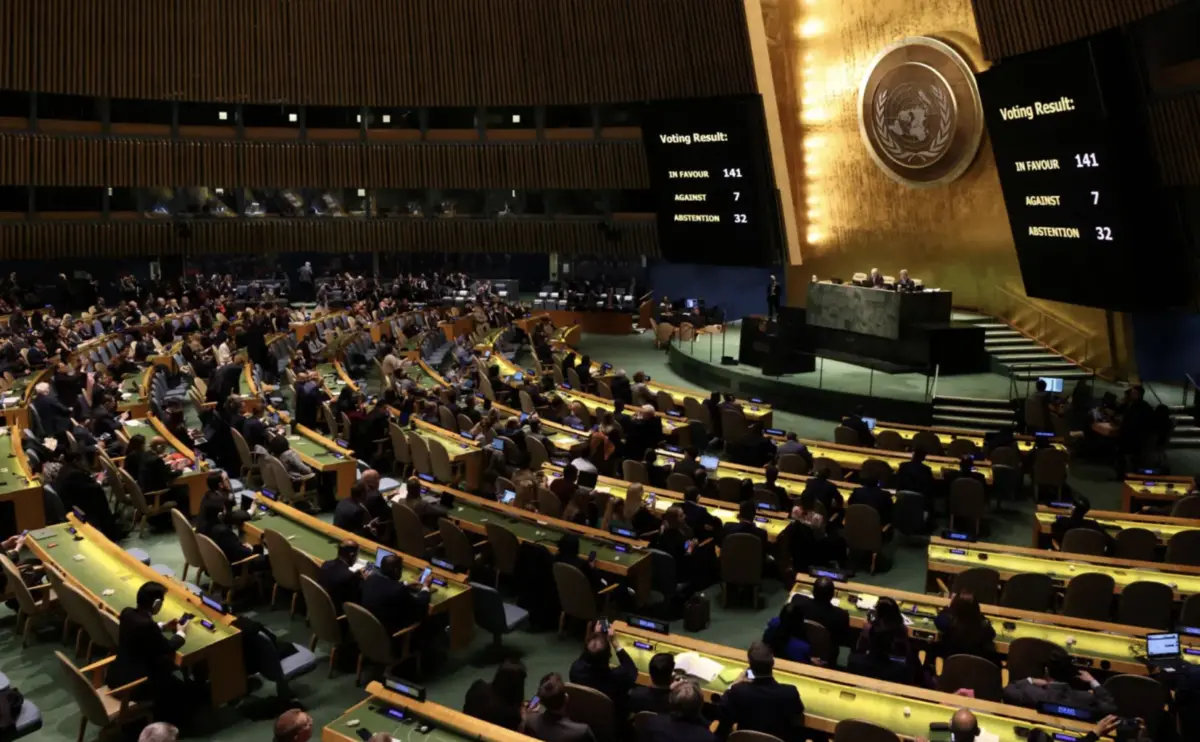
The United Nations General Assembly voted today (Thursday) on a draft resolution to request an opinion from the International Court of Justice on Israel's obligations to facilitate aid provided to the Palestinians by international organizations, including the United Nations.


The General Assembly approved the resolution, drafted by Norway, by a majority of 137 votes out of 193 countries. Israel, the United States and 10 other countries voted against it, while 22 countries abstained, according to Reuters news agency.

OPINIONS

Thu 19 Dec 2024 7:09 pm - Jerusalem Time

The silence of the international community regarding the atrocities and the dogs that devour the bodies of the martyrs in Gaza

Dr. Al-Baqir Abdul Qayyum Ali

Dr. Al-Baqir Abdul Qayyum Ali

Opinion Writer

  1. The news brought us horrific scenes on Al Jazeera TV, reflecting a tragic image in northern Gaza about the hideousness of the complex crime that involved targeting innocent people, then preventing paramedics from reaching them to save them, then leaving them prey to stray dogs to devour them alive or dead, in terrifying scenes that make one's hair stand on end and make children's hair turn gray. These scenes exceeded the limits of imagination and are difficult to believe. These crimes committed by the occupation army revealed to us the extent of the decline to the point of nullification of human values and the moral collapse that the entire world has reached, as it remained silent about this ugliness, until the events reached an inhuman and immoral level, as if the international community was asking the occupation for more, and how can it remain silent when it sees with its own eyes, and in cold blood, the tragic images of stray dogs devour the bodies of the martyrs.


Scenes of extreme cruelty, devoid of all forms of humanity, and which make everyone who saw or heard about them shudder, especially since they exposed the world, because they reflected the imbalance of moral standards with which America, the West, and the entire world deal with humanitarian issues, and they also revealed the shame of the Islamic and Arab world, which remained frozen as they watched these horrific scenes (dogs devouring human bodies).


This inhuman event will be a measuring tool for history, with which the era before and after this event will be recorded, and these events will not pass unnoticed by humanity, as accepting them is considered a stigma on the Islamic and Arab nations, and what is necessarily known about the occupation authority that wants with these heinous acts to animalize the people of Gaza by stripping them of their human content and emptying their humanity, and this matter highlights the size of the huge gap between the human suffering experienced by the people of Gaza and the indifference shown by the international community towards the tragedies taking place there, which shows the size of the chaos and brutality documented by camera lenses, the latest of which was the dogs devouring the bodies of humans and the world did not shake a limb or show resentment towards it.


We wonder about this deliberate silence and the absence of international justice, and we also wonder about the institutions that claim to protect human rights, which we always find interfering in the affairs of weak countries, and we also wonder where are the free people of the world? It was the duty of everyone to raise their voices loudly in order to end these violations and atrocities against humanity that violate any behavior of sound nature.


The afflicted Gaza Strip and the region in general are witnessing severe violations and ongoing suffering. The situation in the region requires the concerted efforts of all humanitarian organizations in order to provide urgent and necessary aid, especially since wars are the main reason for a person to become a victim of losing his humanity, whether through direct violence or through the neglect and international silence that follows it.


If justice is absent on earth, then we await the justice of heaven and the divine wisdom related to absolute will. We call on all those who fall under this behavior that contradicts nature to be optimistic because optimism is from faith. We urge people not to despair because it is from disbelief. It is important that the voices of those who oppose injustice remain loud, and that calls for achieving justice and peace continue, no matter what the challenges.


God is behind the intention

ARAB AND WORLD

Thu 19 Dec 2024 6:55 pm - Jerusalem Time

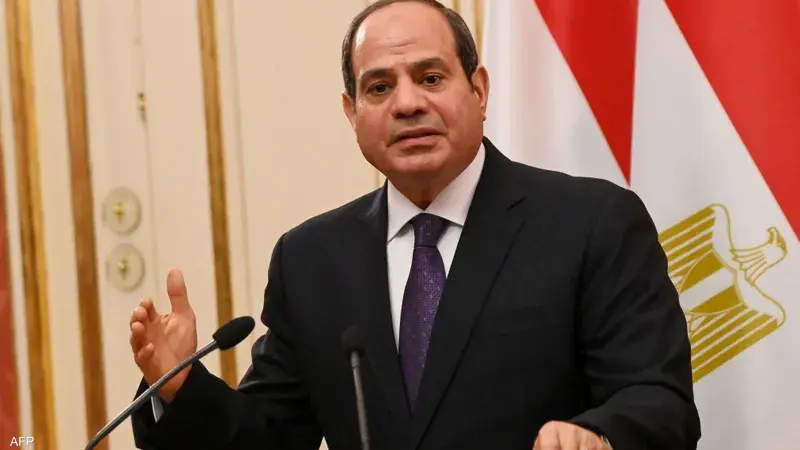
Sisi rejects separating Gaza from the West Bank and condemns Israel's violations in Syria

Egyptian President Abdel Fattah el-Sisi expressed his country's rejection of separating the Gaza Strip from the occupied West Bank on Thursday, and denounced Israel's ongoing violations in Syria.


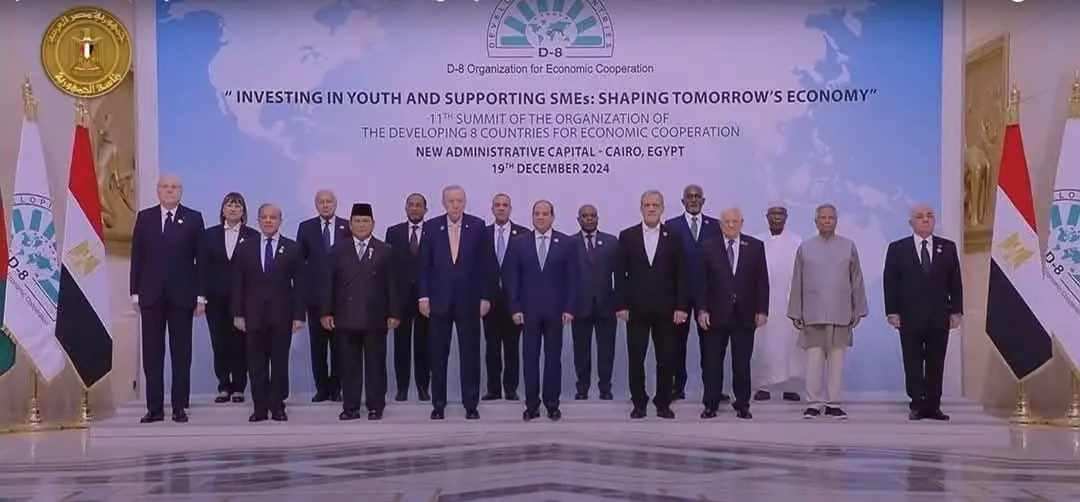
This came during his speech at a special session of the 11th summit of the Developing Eight Economic Cooperation Organization, regarding developments in Palestine and Lebanon, hosted by Cairo.


The G8 developing Islamic countries include Egypt, Turkey, Nigeria, Pakistan, Iran, Indonesia, Malaysia and Bangladesh.


Al-Sisi stressed Cairo's rejection of "any ideas that aim to liquidate the Palestinian cause, whether through displacement or by separating Gaza from the West Bank and Jerusalem."


He considered that "what happened since October 7 (October 2023/the beginning of the Israeli genocide) has crossed all international and humanitarian borders and rules."


He added: "The number of Palestinian deaths exceeded 45,000 martyrs, most of whom were women and children. The Israeli violations extended to include international employees who were killed while performing their work, and more than 70 percent of the infrastructure in Gaza was destroyed."


The Egyptian President stressed the "centrality of the role of the United Nations Relief and Works Agency for Palestine Refugees (UNRWA) in providing the necessary support to the Palestinian people," noting that "the right of return of the Palestinian people will not lapse with the passage of time."


He stressed "the need to reach an immediate and sustainable ceasefire in Gaza, and to lift Israeli obstacles to stopping the war."


On Wednesday, Channel 12 reported that the details of the Gaza ceasefire agreement could be finalized within days, despite the existence of points of contention that have not yet been resolved, while Egyptian media reported on Tuesday that “there are intensive Egyptian-Qatari efforts with all parties to reach an agreement.”


With American support, Israel has been committing genocide in the Gaza Strip since October 7, 2023, resulting in more than 152,000 Palestinian deaths and injuries, most of them children and women, and more than 11,000 missing, amid massive destruction and famine that killed dozens of children and the elderly, in one of the worst humanitarian disasters in the world.


** Lebanon and Syria


Regarding Lebanon, Sisi stressed "the importance of concerted international efforts to mobilize the necessary funding for reconstruction in Lebanon," stressing the need to "enable the Lebanese army to extend its control over the entire country."


He pointed out that Cairo has been keen "since the (Israeli) aggression to provide all possible means of support to the brotherly Lebanese people."


Since November 27, a fragile ceasefire has prevailed between Israel and Hezbollah, and Tel Aviv has committed 249 violations of it until Wednesday, resulting in 30 deaths and 37 injuries, according to statistics from Anadolu Agency.


The Israeli aggression resulted in 4,061 deaths and 16,662 injuries, including a large number of children and women, in addition to the displacement of about 1,400,000 people. Most of the victims and displaced persons were recorded after the escalation of the aggression on September 23, according to official Lebanese data.


In this context, the Egyptian President said in his speech, "The current events in the region have become the best witness to the double standards the world is experiencing, the emptying of human principles and values of their meaning, and the marginalization of the rules of international law."


Regarding the Syrian issue, Sisi stressed that "Syria is witnessing a blatant violation of its sovereignty with Israel recently seizing more Syrian territory, launching attacks on Syrian territory, and unilaterally announcing the cancellation of the 1974 disengagement agreement."


He expressed "Egypt's condemnation in the strongest terms of these practices, affirming its full support for Syria's unity, stability, sovereignty and territorial integrity."


He pointed out that "Cairo supports every effort that contributes to the success of the comprehensive political process in Syria with the participation of the Syrian people with all its components and segments without external dictates and interference."


On December 8, Syrian factions took control of the capital Damascus, and other cities before them, with the withdrawal of Bashar al-Assad regime forces from public institutions and streets, thus ending a 61-year era of Baath Party rule and 53 years of Assad family rule.


As a result, Israel claimed the collapse of the separation of forces agreement with Syria, and occupied the demilitarized buffer zone in the Golan. It also exploited these developments and launched hundreds of air strikes, destroying warplanes, various missiles, and air defense systems in numerous military sites throughout Syria.

PALESTINE

Thu 19 Dec 2024 6:39 pm - Jerusalem Time

Israeli special forces arrest a Palestinian citizen from Kafr Aqab, north of Jerusalem

This evening, Thursday, the Israeli occupation forces arrested a citizen after storming the old town of Kafr Aqab, north of occupied Jerusalem.


According to local sources, special forces from the occupation army arrested citizen Hatem Al-Khatib, after storming the old town of Kafr Aqab.

PALESTINE

Thu 19 Dec 2024 6:14 pm - Jerusalem Time

15 Palestinians killed in Israeli bombing of two schools in the Al-Tuffah neighborhood, east of Gaza

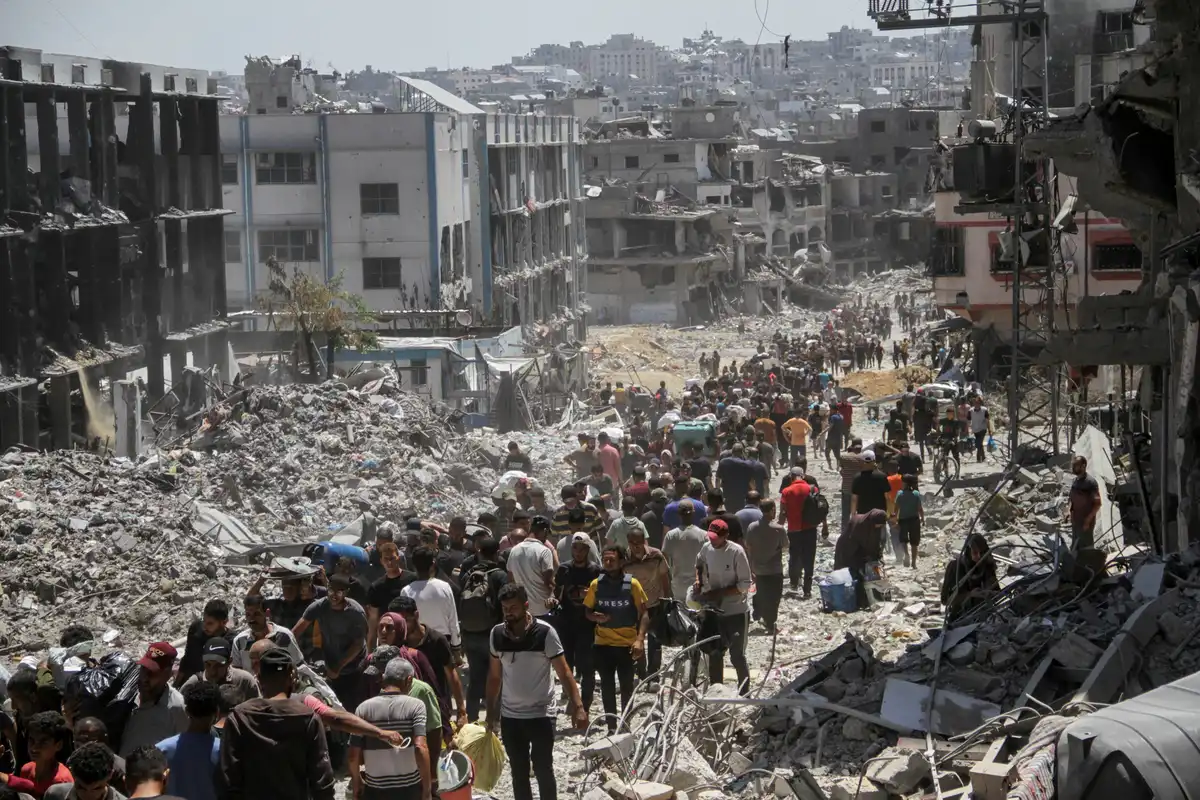
15 citizens were killed and 30 others were injured on Thursday in an Israeli bombardment that targeted two schools housing displaced people in the Tuffah neighborhood east of Gaza City.


According to local sources, 15 citizens were killed and more than 30 were injured, most of them children and women, when an Israeli fighter bombed the Dar al-Arqam and Shaaban al-Rayyes schools, which house displaced people in the al-Tuffah neighborhood.


Ambulance crews and rescue teams are recovering the bodies of the martyrs, and ambulances are transporting the injured to the Baptist Hospital in the center of Gaza City, to receive treatment.


ARAB AND WORLD

Thu 19 Dec 2024 5:10 pm - Jerusalem Time

Blinken: Pressure must be exerted on Hamas to reach an agreement

US Secretary of State Anthony Blinken stressed that pressure must be exerted on Hamas in order to reach an agreement.


He pointed out that Hamas has reached a point where no one can save it, which requires serious steps from all concerned parties.


Blinken explained that despite previous efforts that had made progress, the negotiations had not yet resulted in an agreement. He stressed that the United States had worked with every possible partner to put real pressure on Hamas, with the aim of reaching an achievable agreement, stressing the need to be realistic in dealing with this issue.

PALESTINE

Thu 19 Dec 2024 3:44 pm - Jerusalem Time

A new educational hope for students in the sector in particular (EDUpro)...an innovative Palestinian platform based on artificial intelligence

A new educational initiative was recently launched in Ramallah, which is expected to benefit a large number of Palestinian students, especially in the Gaza Strip, who were prevented from attending their classes during the past two years by the Israeli war of extermination.

The new initiative is a free educational platform, known as “EDUpro”, which is based on artificial intelligence technology, making it unique and the first in Palestine and the region.

As for the initiative’s founders, a group of young people active in the field of the virtual world and its applications, the “aba agency” company specializing in marketing solutions and digital printing, and the “STEMpier” company headed by Dr. Mona Damidi, Dean of the College of Digital Sciences at the Arab American University, the platform is available in its first phase for students in grades (sixth - high school), and it is an innovative solution for students in the sector in particular, whose educational journey was forcibly halted due to the war, to receive their lessons in all subjects in a smooth and simple way, but with great potential for them to develop their cognitive abilities, through the wide options provided by the platform.

According to the owners of the initiative idea, including Samer Al-Baytawi, co-founder of “aba agency”, the platform came as a translation of the urgent need of students in the sector in particular, to obtain education, through an advanced educational model that allows them to gain knowledge in a detailed manner, close to what traditional education provides, adding, “Artificial intelligence has now become like the language of the world, and if we do not benefit from it and employ it in such harsh circumstances that we live in, then when can we do so? This is where the idea of this community initiative crystallized.”

He said: The platform is a smart learning experience, as it not only includes an explanation of all the issues included in the prescribed school curriculum, but also tests to examine students’ abilities, similar to those they might take in regular school classes.

He continued: The platform was designed to take into account the individual differences of students and their cognitive abilities, so it is more like a series of stages. It is not possible to skip a stage and go to the next one, except after the student passes each stage separately.

What is remarkable about the platform is its ease of use, as the student can inquire about any term related to the school curriculum in the colloquial language by using the “Chat” option, so that the platform provides a comprehensive and complete explanation, including questions that students find difficult in subjects such as physics, mathematics, and others.

Al-Baytawi said: The platform is not an alternative to traditional education, but it is a vital tool that supports and enhances the role of teachers, and contributes to enabling students to receive lessons and acquire knowledge on their own, based on the best international models in this field. I consider it a private teacher for each student, available at any time.

He added: The platform was developed through self-efforts and relying on Palestinian minds and graduates of Palestinian universities, headed by engineers Laith Abu al-Rab and Sari Hammad, to serve as an educational reference supporting all students in Palestine. Hence, all academic subjects will be provided for all grades in Palestine, because we look forward to achieving benefit for the largest possible number of our students, especially at the level of the sector, where we all know the difficulties that students face.

It is worth noting that it is possible to access and register on the platform easily, and on all devices, through the link: www.EDUproPAL.com.

PALESTINE

Thu 19 Dec 2024 2:32 pm - Jerusalem Time

"Prisoners' Authority" publishes responses it received regarding Gaza detainees in Israeli camps and prisons

The Prisoners Authority and the Prisoners Club published responses they received regarding the Gaza detainees. Some of these responses show the place where the detainee is being held, while some do not provide any information, according to the allegations of the Israeli occupation army.


The Commission and the Prisoners Club confirmed in a joint statement that these responses are part of hundreds of responses received by the relevant institutions since the mechanism was made available to them to know the fate of Gaza detainees in the occupation’s prisons and camps, noting that hundreds of detainees are still subject to enforced disappearance.


The statement pointed out that the occupation army deliberately gave different responses to the same detainee in many cases.


The two institutions confirmed to the families of the detainees that these responses came from the occupation army, knowing that the relevant institutions follow a mechanism for transferring the names of those whose place of detention is answered, through legal teams to conduct visits, despite the great complications facing the follow-up of the detainees of Gaza, part of which is completing visits to them.


They pointed out that the occupation introduced new amendments to the so-called (illegal combatant) law, including what relates to preventing meetings with a lawyer for a period of up to 21 days from the date of arrest, with the possibility of extending it to 45 days, and up to 75 days in exceptional cases, according to their expression.


It is noteworthy that the latest information about the Gaza detainees was disclosed by the occupation prison administration at the beginning of December, and their number was (1772), and they are classified by the prison administration as (illegal combatants).


It is noteworthy that the testimonies and statements of the detainees of Gaza about their experience of detention after the war remain the harshest and most difficult, due to the horrific policies and crimes practiced against them, and the (Sde Teiman) camp was the most prominent example of torture crimes.


Below is the attached list:

1. Mahmoud Yasser Malka/ Detained in Negev Prison

2. Anas Nael Ismail Dheeb/ Detained in Negev Prison

3. Ali Rajih Halil Abu Sitta/No information

4. Moamen Mahmoud Mohamed Abu Jazzar/No information

5. Karim Abdel Hamid Ahmed Hamad / No information

6. Khamis Nasser Issa Abu Sayedo / No information

7. Ahmed Abdel Fattah Ahmed Jabry/detained in Ofer Prison

8. Wael Talal Al-Sayed Ibrahim / Detained in Sde Timan camp

9. Alaa Aref Ibrahim Sarhi / No information

10. Ismail Abu Nomer/ Detained in Negev Prison

11. Ahmed Abdel Qader Tabeel/ Detained in Sde Timan

12. Yousef Saleh Yousef Abu Sa’la / Detained in Sde Timan

13. Abdul Qader Bahjat Alian/ Detained in Sde Timan

14. Muhammad Raed Rajab Abu Nasr / No information

15. Jaber Anwar Jaber Obeid/ Detained in Ofer

16. Younis Hamed Younis Hamduna/ Detained in Nafha Prison

17. Muhammad Atallah Hikmat Junaid/ Detained in the Negev

18. Hani Muhammad Atta Lafi / No information

19. Dhafer Mohammed Atta Lafi / No information

20. Suleiman Abdul Bari Mahmoud Zamzam / No information

21. Ali Salim Abu Hajar / No information

22. Thursday Ramadan Al-Mutarbi’i/ No information

23. Muhammad Maher Zahdi Abu Matar/ Detained in Sde Timan

24. Louay Nazmi Subh Hamdan/ Detained in the Negev

25. Khaled Hassan Khalil Wali/ Detained in Ramla Prison Clinic

26. Baha Suhail Abdel Fattah Madhoun / No information

27. Ayman Abdel Halim Abdel Fattah Madhoun / No information

28. Atta Muhammad Atta Madhoun / No information

29. Adi Radwan Ibrahim / Detained in Negev Prison

30. Ashraf Muhammad Mahmoud Al-Najjar/ Detained in Negev Prison

31. Younis Ali Muhammad Asaliya, detained in Ofer Prison

32. Mohammed Saleh Mohammed Al-Mabhouh / No information

33. Mahmoud Anwar Ahmed Abu Shawish / No information

34. Anwar Rasmi Abdel Qader Katkat/ Detained in Negev Prison

35. Atiya Wael Atiya Abu Lafi / No information

36. Ahmed Jihad Muhammad Abd al-Bani/ Detained in the Negev Prison

37. Muhammad Adham Nayef Haji/ Detained in Negev Prison

38. Ismail Ahmed Khalil Al-Kahlout/ Detained in the Negev Prison

39. Shawqi Adnan Fawzi Al-Nadim/ Detained in Ofer Prison

40. Muhammad Kamal Abdul-Ghani Qadih / Detained in the Negev Prison

41. Ibrahim Khalil Shahada or Hosni/ Detained in Negev Prison

42. Maher Essam Fahmi Washah / Detained in Negev Prison

43. Muhammad Riyad Awad Mismar/ Detained in Ofer Prison

44. Abdul Salam Bassem Arabi Harazin / Detained in Nafha Prison

45. Laith Tariq Issa Abu Taha/ Detained in Ofer Prison

46. Osama Ali Al-Sayed is being held in the Negev prison.

47. Mustafa Muhammad Dahman, identity is present in Sedya Timan

48. Islam Dahnoun is being held in the Negev prison.

49. Laith Fadi Khader Nawaj’a / No information

50. Muhammad Abdul Karim Shana / Detained in Negev Prison

51. Hamouda Muhammad Shaldan Abd al-Aal/ Detained in Ofer Prison

52. Imad Zakaria Ifranji/ Detained in Ofer Prison

53. Khaled Mohammed Saleh Mabhouh/ Detained in Sde Timan camp

PALESTINE

Thu 19 Dec 2024 1:56 pm - Jerusalem Time

Israeli forces arrest two released Palestinian prisoners south of Jenin

This morning, Thursday, the Israeli occupation forces arrested two freed prisoners from the village of Al-Basha, south of Jenin.


According to local sources, these forces arrested the two freed prisoners, Sami Muhammad Ghawadra and Tamer Ghawadra, by raiding their homes.


It pointed out that the detainee Sami is the son of the prisoner Muhammad Ghawadra and the brother of the prisoners Shadi, who is sentenced to life, and Bader, who is detained.

ARAB AND WORLD

Thu 19 Dec 2024 1:50 pm - Jerusalem Time

Gaza Health: 32 dead and 94 injuries in the past 24 hours

The Ministry of Health in Gaza reported today, Thursday, that the Israeli occupation committed 4 massacres against families in the Gaza Strip, resulting in 32 dead and 94 injuries arriving at hospitals during the past 24 hours.


The ministry confirmed in a brief statement that the death toll from the Israeli aggression has risen to 45,129 dead and 107,338 injuries since October 7, 2023.


It pointed out that there are still a number of victims under the rubble and on the roads, and ambulance and civil defense crews cannot reach them.


PALESTINE

Thu 19 Dec 2024 1:35 pm - Jerusalem Time

President Abbas: Continuing the war of extermination requires immediate implementation of Security Council Resolution 2735

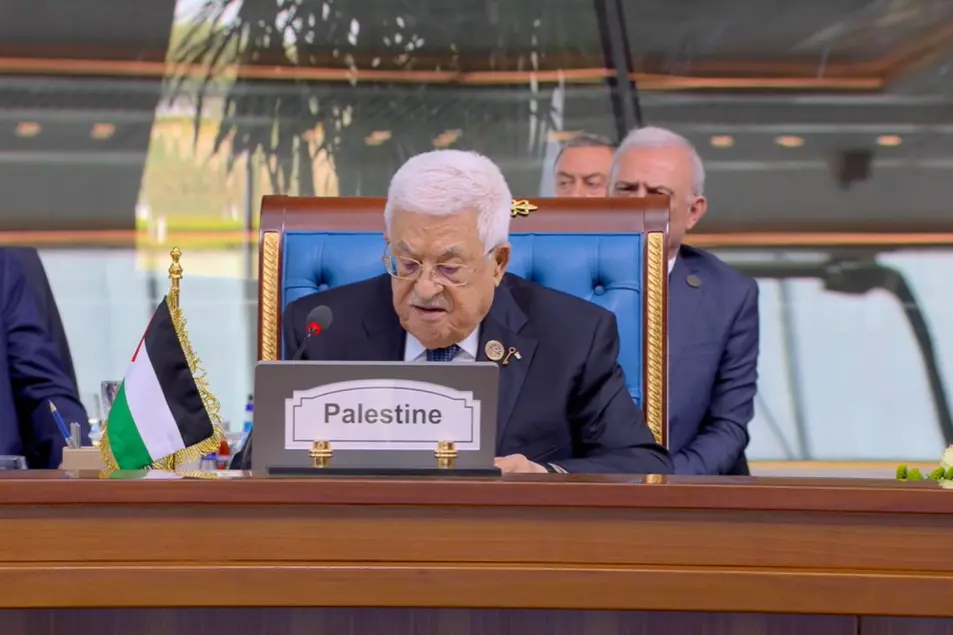
President of the State of Palestine Mahmoud Abbas said, "The daily massacres, genocide, starvation, and attempts to displace our people, require the immediate implementation of Security Council Resolution 2735 for a ceasefire, the entry of aid, the State of Palestine assuming its responsibilities in the Gaza Strip, the complete Israeli withdrawal from it, and the implementation of the UN General Assembly resolution on the advisory opinion of the International Court of Justice."


President Abbas stressed in his speech before the 11th D8 Summit in Egypt’s New Administrative Capital today, Thursday, that achieving security and stability in the region requires the State of Palestine to obtain full membership in the United Nations and more international recognition of it, which will contribute to maintaining hope for a better future for our people and the peoples of the region.


He stressed the need to provide financial support to the United Nations Relief and Works Agency for Palestine Refugees (UNRWA) to continue performing its duties and responsibilities.


The President stressed that the State of Palestine, despite the challenges resulting from the occupation and its colonial practices, is playing a major role in the youth and women sectors in promoting the national economy and community development.


On the Arab issue, the President stressed that the occupation's aggression against Lebanon and Syria requires immediate intervention to implement the relevant Security Council resolutions and put an end to these violations, which are likely to maintain tension and instability.


He thanked President Abdel Fattah El-Sisi for hosting the summit, hoping to achieve the goals set for it, in a way that serves the achievement of comprehensive and sustainable development.

PALESTINE

Thu 19 Dec 2024 1:34 pm - Jerusalem Time

Israel prevents the entry of any medical delegations or supplies to Kamal Adwan Hospital

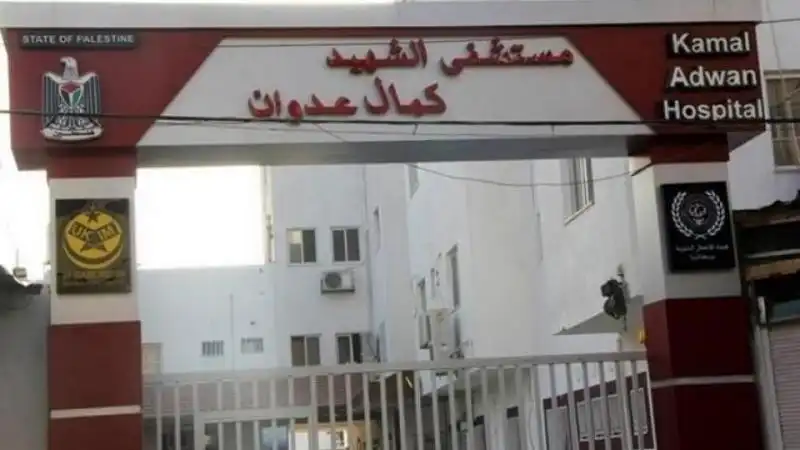
Medical sources reported that the Israeli occupation is currently preventing the entry of any medical delegations or supplies to the Martyr Kamal Adwan Hospital in the town of Beit Lahia, north of the Gaza Strip.


The sources indicated that the hospital is suffering from a shortage of water, oxygen and electricity, and the occupation continues to drop bombs on the hospital, as explosions can be heard in its courtyards and at the gates. Since last night, many explosions have occurred and nearby buildings have been destroyed, with shrapnel flying towards the hospital.


The sources confirmed that the hospital is in dire need of repairs related to water and oxygen supplies, but the occupation is still preventing the entry of any necessary resources to support the health system.


It pointed out that the hospital lacks the necessary specializations to treat most of the injuries, which reached 85, including 10 cases that require urgent surgical interventions.


It continued: The hospital's intensive care unit, which was severely damaged by a fire that broke out two days ago due to direct shelling, has undergone some repairs. However, there is still a problem with the electrical network, and additional supplies are needed to restore the department, as it is the only one that provides intensive care services for children and adults in northern Gaza.


Medical sources called on the international community to open a humanitarian corridor and allow the entry of medical supplies, equipment and first aid, and to provide international protection for the health system in the northern Gaza Strip.


PALESTINE

Thu 19 Dec 2024 1:28 pm - Jerusalem Time

Updated: 4 Palestinians killed and 3 injuries as a result of the occupation bombing a vehicle in Tulkarm

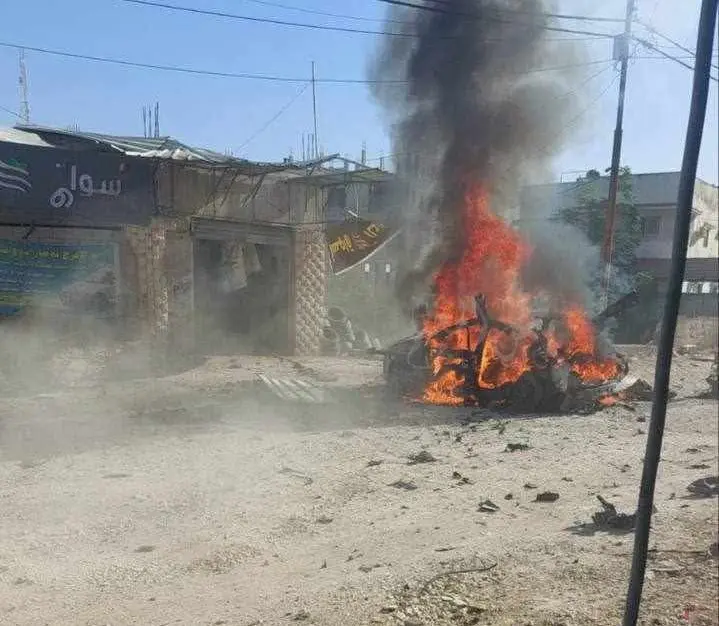
The Ministry of Health announced today, Thursday, the death of 4 citizens and the injury of three others, as a result of the occupation's bombing of a vehicle in Tulkarm camp.


The ministry reported that the three injuries were described as serious.


Local sources reported that the occupation bombed a vehicle in the Balawneh neighborhood in Tulkarm camp.


Video clips showed the vehicle completely engulfed in flames.

PALESTINE

Thu 19 Dec 2024 12:37 pm - Jerusalem Time

MSF: Living in Gaza is a death trap

A report by Doctors Without Borders, entitled “Gaza: Living in a Death Trap,” revealed a sharp deterioration in the health situation in the Gaza Strip as a result of the ongoing Israeli military attacks and the stifling blockade.


The report indicated that the health care system in Gaza is suffering from total destruction, with less than half of the Strip's 36 hospitals operating partially.


It added that MSF staff had been subjected to 41 attacks over the past year, including airstrikes, making it extremely difficult to provide health care.


It pointed out that the health facilities supported by the organization conducted no less than 27,500 consultations related to violence, and 7,500 surgical interventions, reflecting a significant increase in injuries and diseases, stressing that the occupation forced about 1.9 million people from the residents of northern Gaza to migrate by force, which led to the exacerbation of health conditions, as many live in unsanitary environments that facilitate the spread of diseases.


It touched on the suffering of children and the lack of necessary vaccinations, which increases the risk of contracting diseases such as measles and polio, stressing that an increase in cases of malnutrition has been observed among the population.


The organization called for an immediate ceasefire, facilitating the delivery of humanitarian aid and ensuring the rights of Palestinians to obtain health care, warning that the continuation of the current situation will lead to long-term effects on public health in Gaza, where the injured will need years of rehabilitation care.


The report stressed that the health situation in Gaza requires urgent measures from the international community to ensure the provision of the necessary support and care to save lives.

PALESTINE

Thu 19 Dec 2024 12:10 pm - Jerusalem Time

With the participation of the President: The start of the G8 Summit in Cairo

With the participation of the President of the State of Palestine, Mahmoud Abbas, the work of the eleventh edition of the D8 Summit of the Organization of Eight Islamic Countries for Economic Cooperation was launched today, Thursday, in the new administrative capital in Egypt.


The President will deliver two speeches during the summit, the first during the opening session, and the second during a session dedicated to the latest developments in Palestine and Lebanon.


The D8 Summit, chaired by Egypt and held under the slogan: “Investing in Youth and Supporting Small and Medium Enterprises: Shaping Tomorrow’s Economy,” will discuss ways to confront successive global economic and political changes and enhance economic cooperation between member states. It will also include a special session on Palestine and Lebanon.


The Organization of Eight Islamic Countries for Economic Cooperation includes: Egypt, Turkey, Bangladesh, Iran, Indonesia, Malaysia, Nigeria, and Pakistan.


The organization aims to increase economic cooperation among member states to promote economic growth, sustain development, and enhance and improve living standards, by focusing on achieving improvement and enhancing cooperation in agriculture, trade, transportation, industry, energy and tourism.


President Abbas arrived in the Egyptian capital, Cairo, yesterday, Wednesday, to participate in the summit, at the invitation of Egyptian President Abdel Fattah El-Sisi.

ARAB AND WORLD

Thu 19 Dec 2024 11:59 am - Jerusalem Time

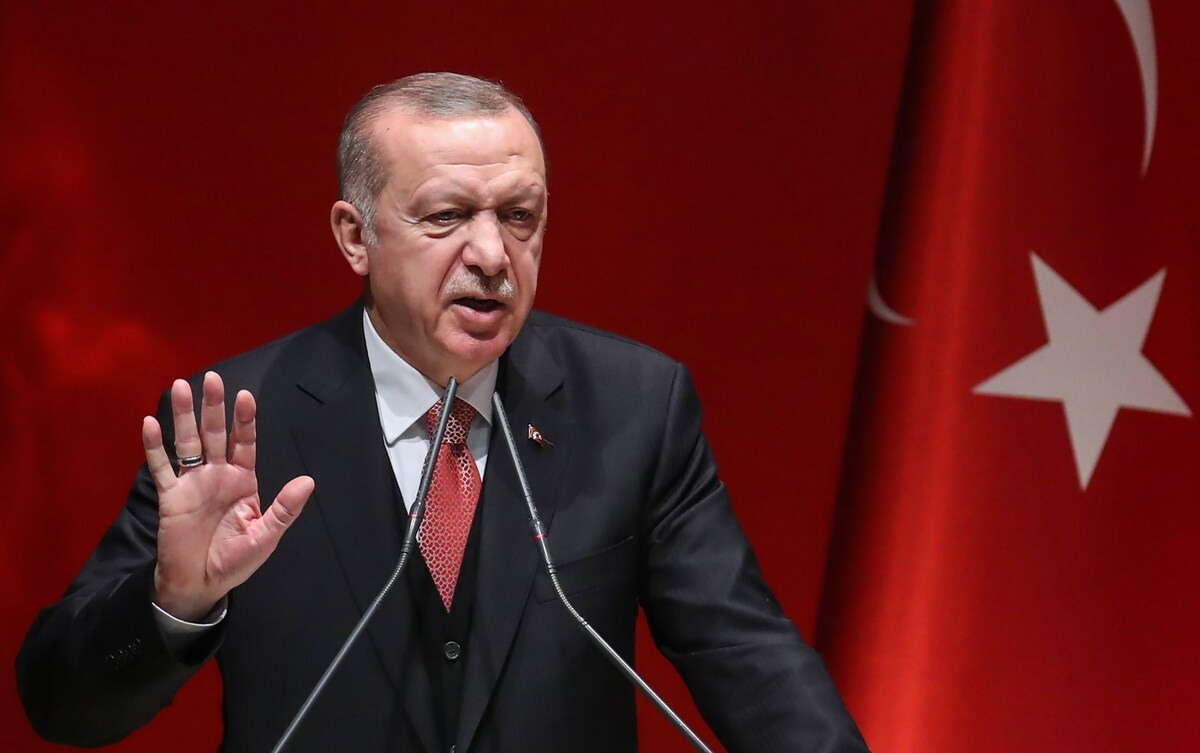
Erdogan: The international community must compel Israel to cease fire in Lebanon

Turkish President Recep Tayyip Erdogan stressed the need to oblige Israel to cease fire and compensate for the damage it caused in Lebanon.

This came in a joint press conference, on Wednesday, with Lebanese Prime Minister Najib Mikati in the capital, Ankara.

"The international community must continue to pressure Israel to commit it to a strict ceasefire and compensate for the damage it has caused in Lebanon," Erdogan said.

The Turkish President stressed that his country will continue to play its role in this regard.

He explained that Lebanon's security cannot be viewed in isolation from the stability of the region, and peace cannot be achieved without a ceasefire and permanent peace in Gaza.

He stated that Türkiye stood with all its capabilities by Lebanon against the Israeli aggression and continued to provide humanitarian aid.

Erdogan stressed that Ankara will continue to contribute to the unity of the Lebanese people and their internal peace and stand against any attempt to target their stability.

Erdogan said that Israel has killed more than 4,000 Lebanese and displaced more than a million people to date, expressing his condolences to the families of the victims and mercy for the souls of the dead.

He pointed out that the Israeli attack on Lebanon was not the first, as Lebanon had been subjected to similar attacks in the past.

Erdogan stressed that whoever believes that he will increase his security by shedding blood, killing civilians and destroying them is "completely wrong."

He added, "We see that the Israeli government still does not understand this fact, or rather does not want to understand it."

Since November 27, a fragile ceasefire has prevailed, ending the mutual shelling between Israel and Hezbollah that began on October 8, 2023, and then turned into a full-scale war on September 23.

However, Israel has violated the agreement 249 times since it came into effect 21 days ago, resulting in a total of 30 deaths and 37 injuries, according to statistics from Anadolu Agency based on announcements from the Lebanese Ministry of Health and the Lebanese News Agency.

PALESTINE

Thu 19 Dec 2024 10:31 am - Jerusalem Time

Injury by Israeli occupation bullets during storming of Balata camp east of Nablus

An elderly man was injured, this Thursday morning, by Israeli occupation forces’ bullets, during a raid on Balata camp, east of Nablus.


Palestinian Red Crescent sources reported that a 65-year-old man was injured by live bullets in the back and was taken to the hospital.


Local sources said that special forces from the occupation army stormed the camp, followed by forces reinforced with a number of patrols and armored vehicles, and deployed in several neighborhoods.


The same sources added that violent clashes erupted inside the camp's neighborhoods, during which the occupation forces fired live bullets, gas and sound bombs, which led to the elderly man being injured by live bullets.


She pointed out that these forces deployed their snipers on the roofs of some buildings around the camp.

ARAB AND WORLD

Thu 19 Dec 2024 10:30 am - Jerusalem Time

Iran's first comment on Israel's strikes on Yemen

Iran on Thursday described Israeli attacks on Houthi ports and energy facilities in Yemen as a "flagrant violation of international law" in response to a missile attack, Iranian Foreign Ministry spokesman Esmail Baghaei said.


In a statement, Baqaei said that the Israeli attacks constitute a "flagrant violation of the principles and norms of international law," denouncing the "unconditional support provided by the United States" to Israel.


Earlier, the Israeli army announced that it carried out precise strikes on Houthi military targets, including ports and energy infrastructure in Sanaa, while Yemeni medical sources reported that 10 workers were killed as a result of the bombing of the port of Hodeidah and Ras Issa in western Yemen.


The Israeli army said in a statement that it "attacked terrorist targets of the terrorist Houthi regime in Yemen."


The statement added: "After the attack plans were approved by Defense Minister Yisrael Katz, Air Force warplanes, under the direction of the Intelligence Corps and the Navy, launched a series of raids a short while ago that targeted military targets of the terrorist Houthi regime in the western coastal sector and deep inside Yemen."


The statement continued: "The terrorist Houthi regime has carried out repeated attacks against the State of Israel, including launching drones and surface-to-surface missiles towards Israeli territory, most of which were successfully intercepted."


He added: "The terrorist Houthi regime has been working over the past year, under the direction and funding of Iran and in cooperation with Iraqi militias, to target Israel, destabilize regional stability, and obstruct freedom of international maritime navigation."


He added: "The Israeli army is determined to continue operating and targeting anyone who poses a threat to the citizens of the State of Israel wherever it is required."


ARAB AND WORLD

Thu 19 Dec 2024 9:41 am - Jerusalem Time

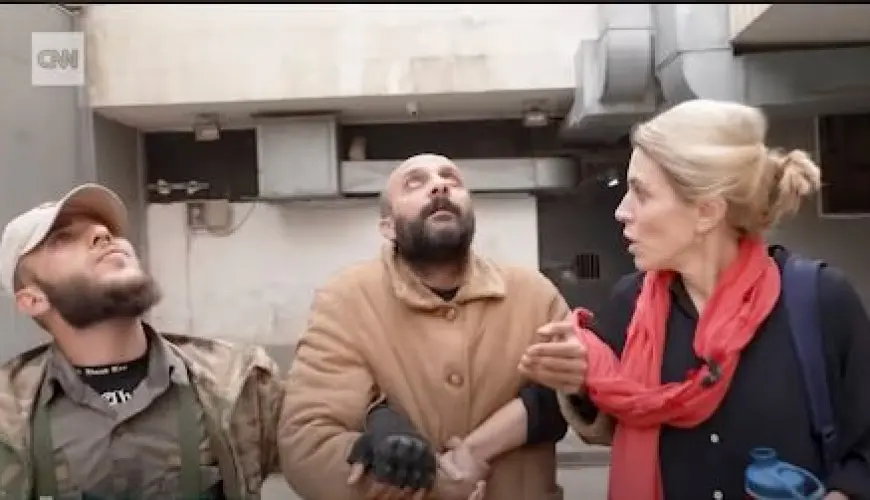
CNN Controversy Over 'Fake' Report About Rescue of Syrian Prisoner


CNN has admitted that a report by prominent journalist Clarissa Ward from Syria claiming to have discovered a prisoner in a Damascus prison was false.


The video report's description said, "Clarissa Ward discovered a man in a Damascus prison cell who claimed to be an ordinary citizen imprisoned by President Bashar al-Assad's regime."


When Ward, her cameraman, and a HTS fighter entered the cell, a man lying under a blanket suddenly stood up and acted surprised to see them. He claimed he had been held in the cell for three months and was unaware of the fall of Bashar al-Assad’s government.


However, online observers quickly noted that the report was inaccurate and was orchestrated by Ward and CNN for dramatic effect.


After CNN posted a link to the video report on X, which remains undeleted, a community note referred to the act as “clearly orchestrated.”


“There is no opportunity for a prisoner who has been in the dark to look wide-eyed at the sun. In addition, his jacket is clean, he has a fresh haircut and clean fingernails, which is not a likely condition in Syrian prisons,” the memo explained.


Moreover, the prison was opened, and prisoners were released days before when HTS fighters took control of Damascus on December 8.


CNN later retracted the report, claiming the man and his team had been misled.


CNN explained the mistake by claiming that Syrians from Homs identified the man as Salama Mohammed Salama, a lieutenant in the former Syrian government's Air Force Intelligence Directorate.


"Facial recognition software provided a more than 99 percent match with the man CNN met in a Damascus prison cell," CNN wrote, acknowledging that the image showed him sitting at a desk, wearing what appeared to be military clothing.


However, CNN declined to provide evidence of the image's existence, saying: "CNN will not publish the image to protect the identity of the source."


Verify-sy, a Syrian fact-checking organization, quotes local residents as saying that Salameh ran various security checkpoints throughout Homs and was involved in “theft, extortion, and forcing residents to become informants.” According to these sources, he was recently arrested for his involvement in extortion.


After the government fell last week, many Syrians went to prisons and hospitals to search for loved ones detained or disappeared during the war, which began in 2011.


In March of that year, al-Qaeda militants, including from HTS's predecessor group, Jabhat al-Nusra, launched an insurgency to overthrow the government with the help of foreign intelligence agencies.


Syrian intelligence arrested many Syrians during the war, some on suspicion of supporting the rebellion and others for no apparent reason. Many were never seen again.


Clarissa Ward has a history of reporting in Gaza and Syria, and Ward has admitted that her previous reporting in Syria was not truthful.


In a June 2021 interview with CBS News, Ward, CNN's chief international correspondent, acknowledged bias in her reporting.


“Yes, you know, I will admit the fact that I think I crossed the line in Syria. I became too emotionally involved, and I was crushed by the U.S. response and policy (of openly supporting the rebels),” Ward said while calling for regime change and imposing brutal economic sanctions that punished Syrian civilians.


Ward also became embroiled in controversy on October 10, 2024, in the Gaza Strip, after she published a live, composite report about being subjected to Palestinian shelling, the veracity of which has not yet been proven, without accountability.

OPINIONS

Thu 19 Dec 2024 9:40 am - Jerusalem Time

When occupation soldiers compete and brag about killing civilians

op-ed "AlQuds" dot com

op-ed "AlQuds" dot com

Opinion Writer

The investigation published yesterday by the Hebrew newspaper Haaretz reveals shocking testimonies given by officers and soldiers who participated in the aggression on the Gaza Strip during the past months.


The newspaper says, quoting the owners of these testimonies, that the systematic and arbitrary killings of Palestinians in the area surrounding the Netzarim axis have been documented in detail, and they indicate very serious violations.


The newspaper expands its investigation to reveal violations that are unprecedented in human history, as the area north of the Netzarim axis was called the “line of corpses,” and orders came from some officers and soldiers to shoot anyone who crosses the line of death, according to the Israeli description, whether a child, a man, a woman, or even someone riding a bicycle or a horse-drawn carriage. In other words, the deliberate killing here targets civilians, and there are no activists or resistance fighters.


The horror of the scene reaches the level of serious confessions from some soldiers and officers, who boast about leaving the bodies of martyrs on the ground for long periods of time until dogs devour and eat them, in an area called the killing zone.


The shocking investigation indicates that the killing of Palestinians in this area is done indiscriminately, and in the end they are classified as terrorists. An Israeli officer admits that the officers have orders to send pictures of the corpses and bodies, and 200 pictures of them were sent, and it turned out that only ten of them were from Hamas. This admission confirms the reality of the deliberate and systematic killing of civilians indiscriminately and randomly, which Israel practices on the ground through the horrific bloody massacres it commits daily.


In one of the ugliest situations, as revealed by the investigation, there is a race between the occupation soldiers to achieve the highest number of Palestinian deaths, and an officer’s admission that there are challenges and bets between the soldiers, to see who can kill the largest number of Palestinians, in order to boast about it.


In another very dangerous step, one of the officers said that army personnel were killing and executing unarmed civilians near Netzarim, describing them as armed to justify their actions before the occupation army leadership.


These serious violations and inhumane actions confirm that there are very serious violations of international law, and they include the most serious violations that can be classified as human rights violations in the Strip. Hence, the international community must assume its responsibilities and move urgently to expose the occupation’s practices. The Palestinian leadership must take urgent and urgent steps to transfer these testimonies, documentations and confessions to the relevant and competent international bodies, as they express cases of very serious violations of international humanitarian law, and move to impose sanctions on the leadership of the military and political levels in Israel, and hold accountable those who issued such criminal orders and those who carried them out or participated in them, and implement the decisions of the International Criminal Court to arrest Netanyahu and his former Minister of Defense Yoav Galant, and all officers and leaders who have a relationship and responsibility in committing war crimes against innocent citizens, and hold them accountable for their fascist actions, and emphasize that those who boast of killing civilians, including children and women, without guilt and without any justification, their real place is with the criminals, murderers and terrorists, who pose a threat to humanity as a whole.

OPINIONS

Thu 19 Dec 2024 9:35 am - Jerusalem Time

Gaza's unprecedented pain

Hamada Faraana

Hamada Faraana

Opinion Writer

When will the crime, deliberate killing, and systematic destruction stop and the Palestinian pay the price of remaining in the Gaza Strip, not the price of his freedom and independence? The conflict, from the point of view of the killer now, and its declared goal is to end the human, population, demographic, Arab Palestinian existence, or reduce its presence and numbers. The government of the colony has decided that it is against giving the Palestinian any of his rights, against the refugees, against the establishment of a Palestinian state, and its conflict and crimes aim to kill the Palestinian, not only because he is a resister, but also because of his existence, survival, and steadfastness on the land of Palestine. He is the one who gives the Palestinian cause importance, presence, and struggle, and he is the one who gives identity to Palestine, all of Palestine. The conflict over identity, nationality, and religion preceded the Palestinians of the 1948 areas, upon whom the Israeli identity was imposed, and the colony’s plans and projects of Judaization and Israelization were not realized, as the people of Carmel, Galilee, the Triangle, the Negev, and the five mixed coastal cities: Lod, Ramla, Jaffa, Acre, and Haifa, held fast to their Palestinian national identity and Arab nationalism, and they still do.


The people of Gaza are being subjected to unprecedented racist fascist brutality and brutality, except in 1948, when they were subjected to the same crimes and massacres, with the aim of expelling and displacing them. This is what the colony seeks after October 7, to eliminate the Palestinian Arab human presence, or reduce it as much as possible, as long as it has failed to expel the people of the Gaza Strip and deport them to Sinai.


What the colony seeks in the Palestinian West Bank through its tools of foreign colonial settlers is to work to “purify” it of its people and owners, and to “make their lives miserable” by killing, destroying their farms, burning their cars and property, making their lives difficult and unsafe, and pushing them towards homelessness and departure.


The Palestinians have no homeland other than their country, Palestine, and therefore they have persevered and are paying the price of survival and perseverance, because the life of displacement, asylum and camp is no longer their choice, and this requires and calls for their support and assistance and the provision of the requirements for their perseverance and the continuation of their struggle, no matter the difficulties and challenges.


The people of Jerusalem, the first of the two Qiblahs, the second of the two mosques, and the third of the two holy sanctuaries, deserve from those who perform the Hajj and Umrah rituals, to provide a participation tax for Jerusalem, and the visitors of Al-Aqsa Mosque and its protectors, with the aim of remaining and steadfast in Jerusalem, which is the most desired by the leaders of the colony to change its features and its residents, and demolish its mosque, and build the temple in its place and on its sanctity, which requires the utmost support and assistance for the people of Jerusalem and the Old City to continue their protection of Al-Aqsa and Jerusalem, so that it remains as it was, the meeting place of the Isra and Mi'raj and the land of the holy places and its heritage.


The Palestinian distribution titles are multiple, and each title has a history, reality, and bias: 1- The people of the Gaza Strip, 2- The people of Jerusalem, 3- The people of the Palestinian West Bank, 4- The people of the 1948 territories. Each has its own story and tools in confronting the colony, and the people of Gaza have priority now because of the harm, destruction, and killing they have been subjected to. Will they receive the support they deserve, commensurate with their unprecedented pain?


PALESTINE

Thu 19 Dec 2024 9:24 am - Jerusalem Time

Israeli occupation forces arrest 7 citizens in Hebron and Ramallah

This morning, Thursday, the Israeli occupation forces arrested 7 citizens in Hebron and Ramallah.


In Hebron, the occupation forces arrested the citizen Ihsan Hassan Karajah and his son Suhaib from the town of Halhul. They also arrested Raed Jabareen from the town of Sa’ir, east of Hebron. They searched the homes of the detainees and ransacked their contents.


In Ramallah, the occupation forces stormed the town of Sinjil and arrested the child Sami Ghafri (16 years old), the young man Abdul Rahman Maan Dar Ayesh (19 years old) from the village of Kafr Malik, and Ahmed Abu Naim (20 years old) from the village of Al-Mughayyir to the east.


These forces also stormed the village of Safa to the west, and arrested citizen Wissam Nasser Karajah (55 years old) to pressure his son Muhannad to surrender himself.


PALESTINE

Thu 19 Dec 2024 9:13 am - Jerusalem Time

Human Rights Watch: Israel's deliberate deprivation of Gaza citizens of water is a crime of genocide

Human Rights Watch said that the Israeli occupation authorities have imposed living conditions designed to destroy part of the population in Gaza since October 2023, by depriving civilians there of adequate access to water, which has likely led to thousands of deaths, and thus committed the crime against humanity of extermination, as well as acts of genocide.


The organization held the occupation authorities responsible for the crime against humanity of genocide and for acts of genocide, noting that this pattern of behavior, along with statements indicating that some Israeli officials wanted to destroy the Palestinians in Gaza, amounts to the crime of genocide.


It called on governments and international organizations to take all necessary measures to prevent genocide in Gaza, to stop military aid, to review bilateral agreements and diplomatic relations with Israel, and to support the International Criminal Court and other accountability efforts.


In a report released today, Thursday, entitled “Genocide and Genocide: Israel’s Deliberate Denial of Water to Palestinians in Gaza,” Human Rights Watch said that the occupation authorities have deliberately deprived Palestinians in Gaza of safe drinking water and sanitation necessary for basic human survival, stopping and later restricting water pumping to Gaza; disrupting most of the water and sanitation infrastructure by cutting off electricity and restricting fuel; deliberately destroying and damaging water, sanitation, and water treatment infrastructure; and preventing the entry of essential water supplies.


“Water is essential to human life, yet for more than a year, the Israeli government has deliberately deprived Palestinians in Gaza of the bare minimum they need to survive,” said Tirana Hassan, executive director of Human Rights Watch. “This is not just neglect; it is a calculated policy of deprivation that has led to the deaths of thousands from dehydration and disease, and amounts to nothing less than the crime against humanity of extermination and an act of genocide.”


Human Rights Watch concluded that Israeli authorities deliberately created living conditions designed to physically destroy Palestinians in Gaza in whole or in part, and that this policy, imposed as part of the mass killing of Palestinian civilians in Gaza, meant that Israel committed the crime against humanity of genocide, which is still ongoing, and that this policy amounts to one of the five “acts of genocide” under the 1948 Genocide Convention.


Since the start of its war on the Gaza Strip on October 7, 2023, the occupation authorities have cut off electricity and fuel to the Gaza Strip. On the ninth of the same month, former Defense Minister Yoav Galant announced a “complete siege” of Gaza, saying: “There will be no electricity, no food, no water, no fuel, everything is closed.”


The occupation authorities continue to restrict the entry of water, fuel, food and aid into Gaza, and to cut off electricity to Gaza, which is essential for the operation of the infrastructure necessary for the continuation of life, despite the fact that the International Court of Justice approved interim measures in January, March and May 2024 ordering the Israeli authorities to protect the Palestinians from genocide and to provide humanitarian assistance within this protection, and specified in March that this includes water, food, electricity and fuel.


The occupation authorities also prevent the entry of almost all water-related aid into Gaza, including water purification systems, water tanks, and materials needed to repair the water infrastructure.


Human Rights Watch found that the occupation forces deliberately attacked, damaged, or destroyed many key water, sanitation, and hygiene facilities.


The destruction of Gaza’s health care system, including health care tracking, means that confirmed cases of illness, disease, and deaths likely linked to waterborne diseases, dehydration, and starvation are not systematically tracked or reported. However, based on interviews with health care professionals and epidemiologists, it is likely that thousands of people have died as a result of the actions of the occupying authorities, adding to the more than 44,000 people killed directly as a result of the ongoing war.


Hundreds of thousands have been affected by diseases and health conditions likely caused or contributed to by lack of safe and adequate water, including diarrhea, hepatitis A, skin diseases, and upper respiratory infections. Water deprivation is particularly harmful to infants, pregnant and lactating women, and people with disabilities.


Human Rights Watch said it found that some statements by senior Israeli officials calling for the cutting off of water, fuel, and aid, coupled with their actions, amounted to direct and public incitement to genocide.


She pointed out that the ongoing blockade imposed by the Israeli government on Gaza, as well as the closure it has been imposing for more than 17 years, also amounts to collective punishment of civilian citizens, which is a war crime, and the closure also forms part of the ongoing crimes against humanity of apartheid and persecution committed by the Israeli authorities against the Palestinians.


The organization found that many governments undermined accountability efforts and continued to supply weapons to the Israeli government despite the clear risk of complicity in serious violations of international humanitarian law.


“Governments should not contribute to the serious crimes committed by Israeli officials in Gaza, including crimes against humanity and acts of genocide, and should take all possible steps to prevent further harm,” Hassan said.


“Governments arming Israel must end the risk of complicity in the atrocity crimes in Gaza, and take immediate action to protect civilians with an arms embargo, targeted sanctions, and support for justice.”