






The Israeli occupation army escalated its aerial raids on wide areas in Lebanon, for the second consecutive day since the ceasefire agreement was concluded between Tehran and Washington. These attacks come amid a state of ambiguity and political contradictions regarding the extent to which the Lebanese arena is covered by the provisions of this truce, which has led to a rapid deterioration of the field situation.
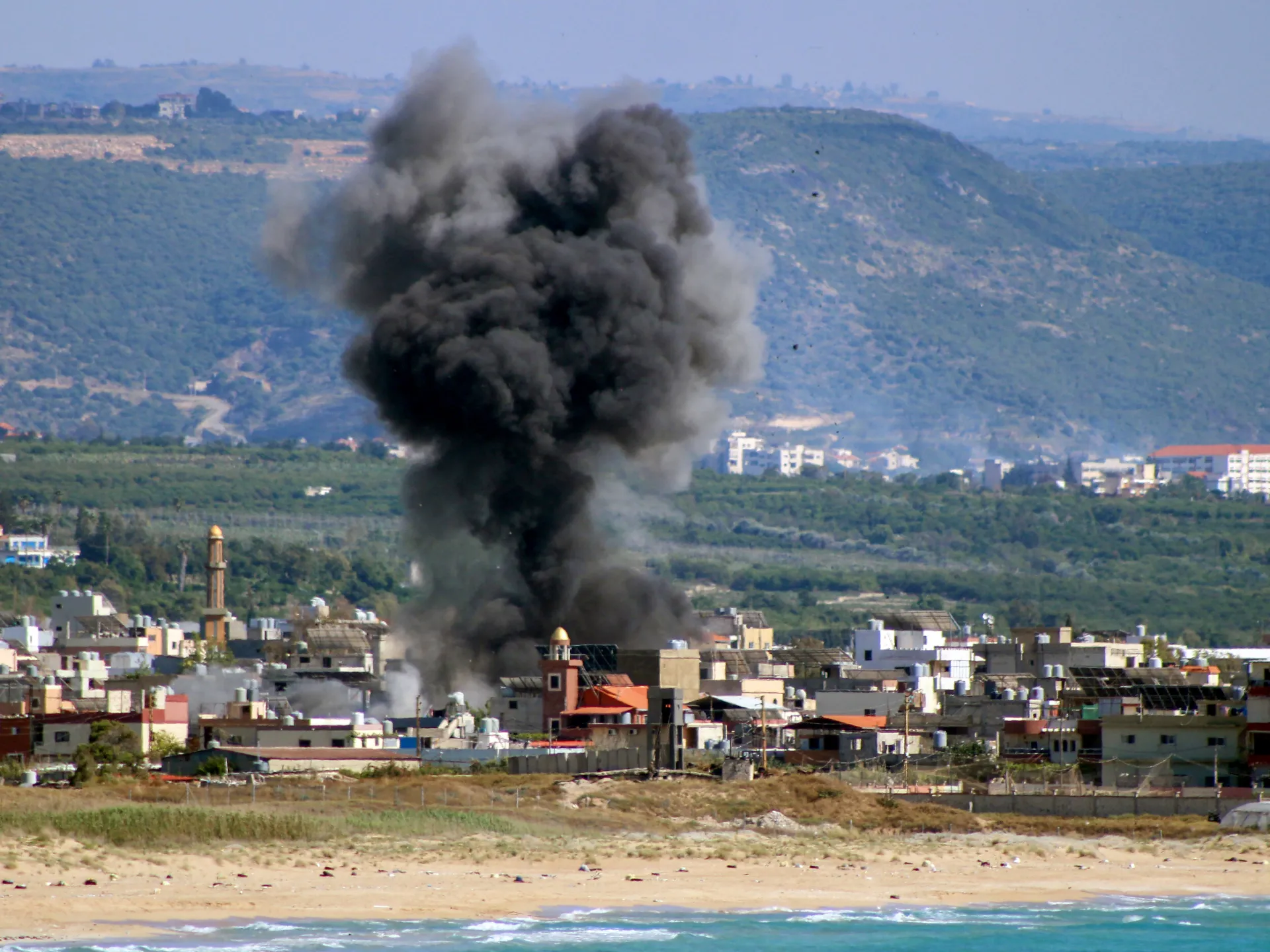
The occupation forces committed bloody massacres in southern Lebanon, where medical and field sources reported the death of 7 martyrs in an initial toll as a result of a raid targeting the town of Abbasiyah in the Tyre district. Also, 10 other people, including women and children, were martyred in a violent aerial bombardment that targeted an inhabited house in the town of Zrarieh, raising the death toll from the recent raids to 17 martyrs.
The series of Israeli raids extended to include the towns of Kafra, Jumayjimah, Safad al-Battikh, Majdal Zoun, and Deir Antar, in addition to targeting the vicinity of the Qasmiyah bridge, Haboush, Kounin, and Jabshit. Warplanes also destroyed a two-story house at the entrance to the eastern town of Douair, coinciding with intense artillery shelling that targeted the outskirts of the town of Haris.
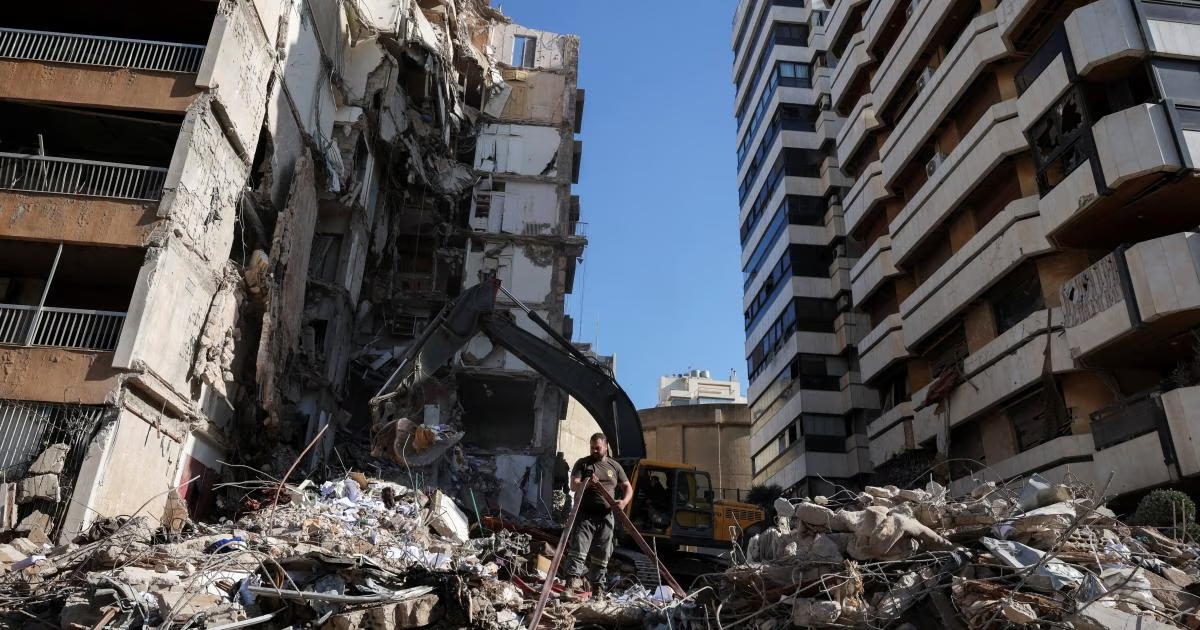
In the southern suburb of Beirut, occupation aircraft launched a raid at dawn today targeting the Chiyah area, resulting in massive destruction of buildings and properties. These strikes come within the framework of the continuous military pressure policy practiced by the occupation on the Lebanese interior despite talk of international understandings for de-escalation in the region.
On the humanitarian front, Lebanese families stranded in the south Litani region issued urgent distress calls to the international community to secure their evacuation under international patronage. These appeals came after the occupation army destroyed the Qasmiyah marine bridge, which led to the isolation of the area and cut off supply and displacement routes for besieged civilians.
For its part, Hezbollah announced the resumption of its military operations against occupation sites, confirming in official statements the targeting of the Manara settlement with a concentrated rocket barrage. The party indicated that its fighters were able to strike an Israeli force that was entrenched inside a house in the border town of Taybeh using a kamikaze drone that achieved a direct hit.
Hezbollah's operations also included targeting an Israeli military vehicle in the town of Taybeh with a guided missile, stressing that these moves are a natural response to repeated Israeli violations of the ceasefire agreement. The party's leadership affirmed that operations will not stop as long as the American-backed Israeli aggression on Lebanese territories continues.
Inside Israel, Hebrew media acknowledged the interception of rockets launched from Lebanon towards the Upper Galilee regions, and sources reported that air defense systems dealt with three rockets that targeted Avivim, Manara, and Margaliot. These rocket barrages reflect the occupation's failure to neutralize the party's offensive capabilities despite the intensity of the aerial raids.
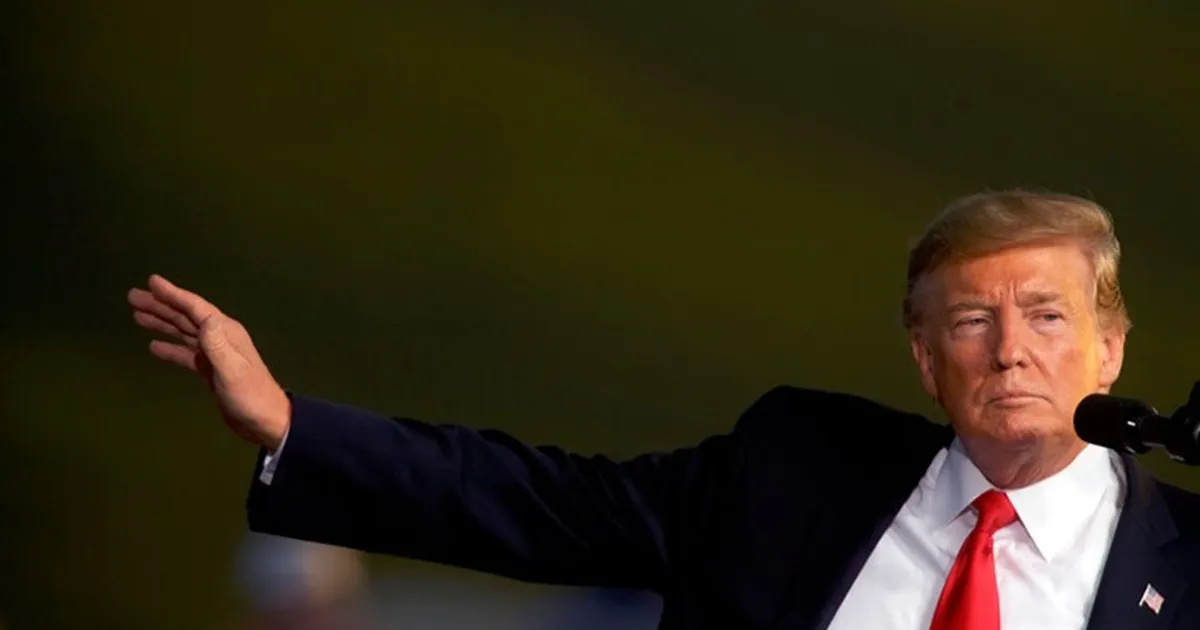
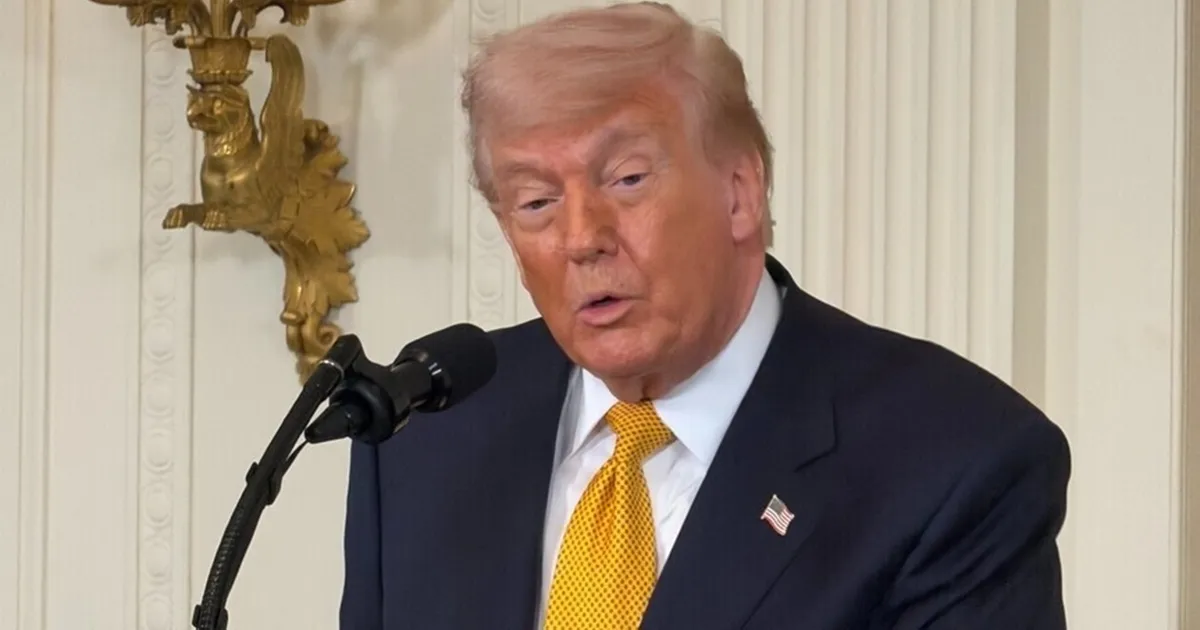
Politically, media reports revealed Israeli Prime Minister Benjamin Netanyahu's dissatisfaction with the current truce formula, as he seeks to separate the Lebanese track from the Iranian one. Sources stated that Netanyahu asked US President Donald Trump to guarantee the continuation of military operations in Lebanon until the occupation's goals of disarming Hezbollah are achieved.
Journalistic sources quoted a senior Israeli official warning that Tel Aviv has put itself in a strategic dilemma, where it is now faced with the choice of either blowing up the entire agreement or backing down from the escalation. The official indicated that the continuation of the raids could lead to the American administration's patience running out and show Israel as a party seeking to thwart international diplomatic efforts.
In a related context, senior officers in the occupation army questioned the realism of the declared goals of the war on Lebanon, considering that disarming Hezbollah requires a complete ground occupation of Lebanese villages and territories. Israeli military analyses suggested that the current confrontation will ultimately end with a political settlement, given the high cost and field complexities of a military solution.
The resistance's response will continue until the Israeli-American aggression on Lebanon stops.
Share your opinion
Bloody Israeli escalation in southern Lebanon and Hezbollah resumes operations in response to truce violations