






The region is witnessing an accelerating military escalation as the Israeli-American aggression against Iran enters its third week, with Washington beginning to move thousands of Marines towards the Middle East. These movements come amid a state of strategic ambiguity surrounding the ultimate goals of the ongoing military operations, with questions about the possibility of the confrontation expanding into a direct ground clash.
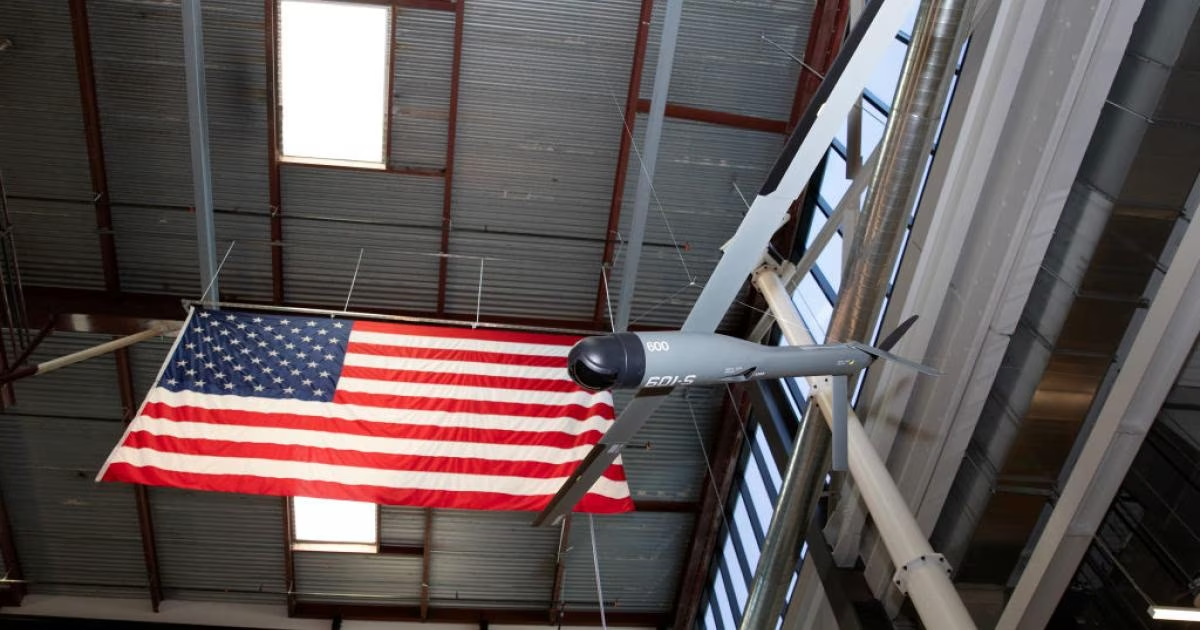
In this context, media sources quoted Palmer Luckey, founder of 'Anduril' defense industries, a company specializing in the production of drones and electronic systems, as saying that the United States currently lacks the 'political will' necessary to send ground forces. Luckey explained that decades of military interventions in the region have depleted popular support and logistical capacity to sustain any long-term ground campaign.
Luckey, whose company is valued at approximately $60 billion, considered that previous American 'adventures' in the Middle East have stripped the country of its ability to wage major conventional wars. He clearly indicated that he does not believe that American forces are currently capable of repeating massive military operations on the scale of 'Victory Day,' describing this inability as a strategic problem in itself.
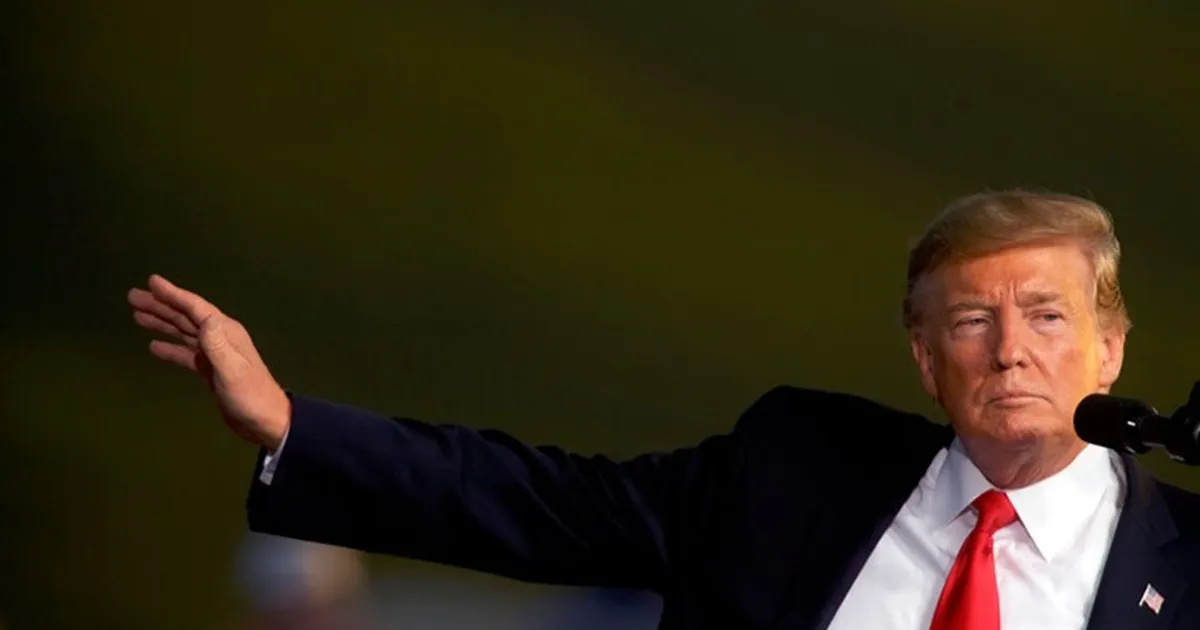
Despite his general support for President Donald Trump's approach, Luckey noted that the Commander-in-Chief faces a new strategic reality that dictates a different kind of warfare. He stressed that the United States is not prepared to engage in a conflict similar to World War II, neither in terms of military readiness nor in terms of national consensus on war objectives.
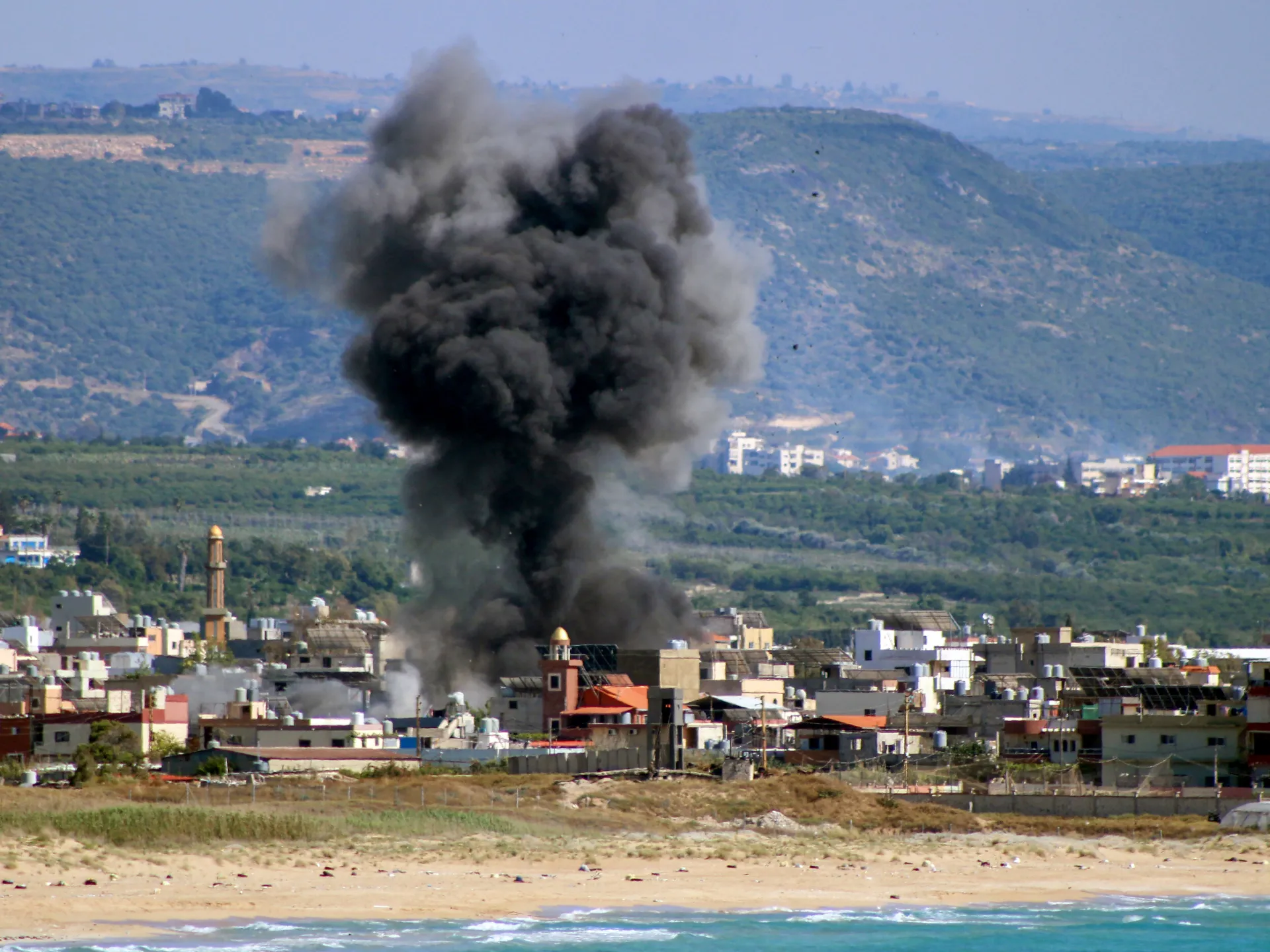
Luckey's statements intersect with field data indicating an intensive American military buildup in the Strait of Hormuz, where leaks revealed the transfer of amphibious and marine forces from American bases in Asia. These reinforcements aim to solidify the American military presence in the region concurrently with ongoing airstrikes and military operations against Iranian targets.
On the American domestic front, opinion polls show a significant gap between military ambitions and public acceptance, with nearly three-quarters of Americans opposing any ground intervention in Iran. This public rejection reflects a state of discontent with foreign policies that have led to Washington's involvement in long, draining conflicts over the past two decades.
Sources indicate that the current American administration is trying to balance intensive military pressure with avoiding a slide into an all-out ground war whose political consequences it may not be able to bear. However, the continued flow of troops and equipment into the Strait of Hormuz suggests that all military options remain on the table despite warnings about the absence of political will.
In conclusion, observers believe that Palmer Luckey's statements reflect concern within the American military manufacturing sector about the limitations of human and political capabilities in confronting an adversary the size of Iran. The question remains about Washington's ability to manage this conflict without the need for direct ground intervention, in light of widespread public rejection and increasing geopolitical complexities.
Our adventures in the Middle East over the past two decades have stripped America of its ability to sustain a ground military campaign.


Share your opinion
Founder of an American defense company: Washington lacks the political will to invade Iran by land