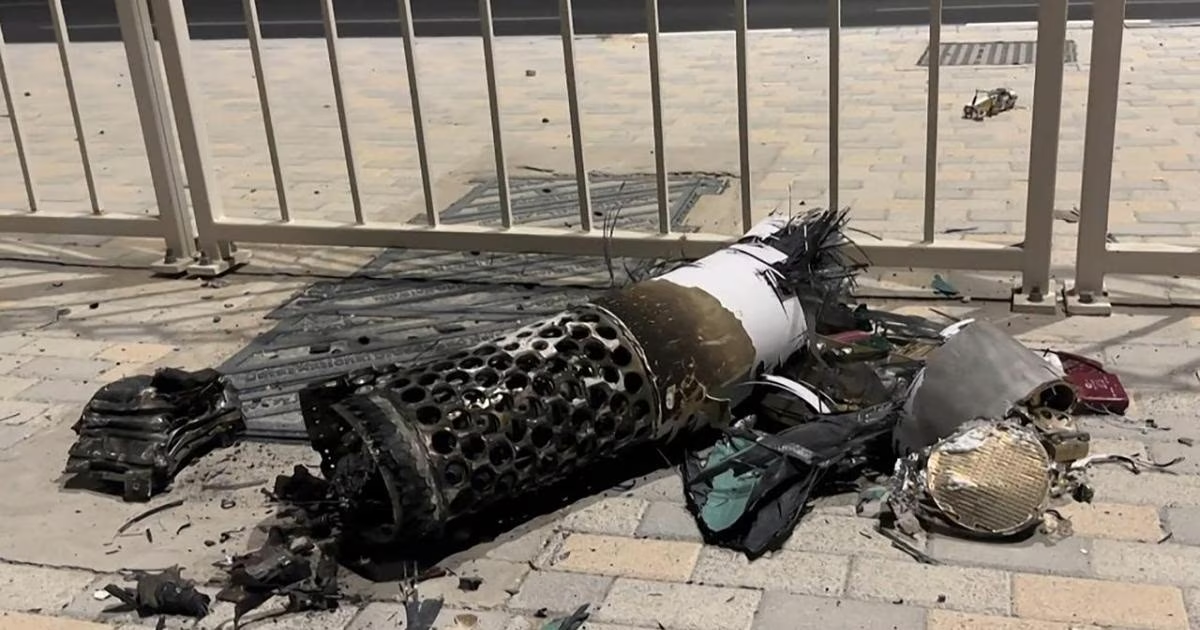







The Emirati capital, Abu Dhabi, witnessed a security incident today, Thursday, resulting in six people sustaining various injuries after fragments of a drone, which air defenses successfully intercepted and destroyed, fell. Official sources confirmed that the injured, of Pakistani and Nepalese nationalities, received necessary medical care after specialized authorities dealt with the incident at two locations in the ICAD 2 industrial area.
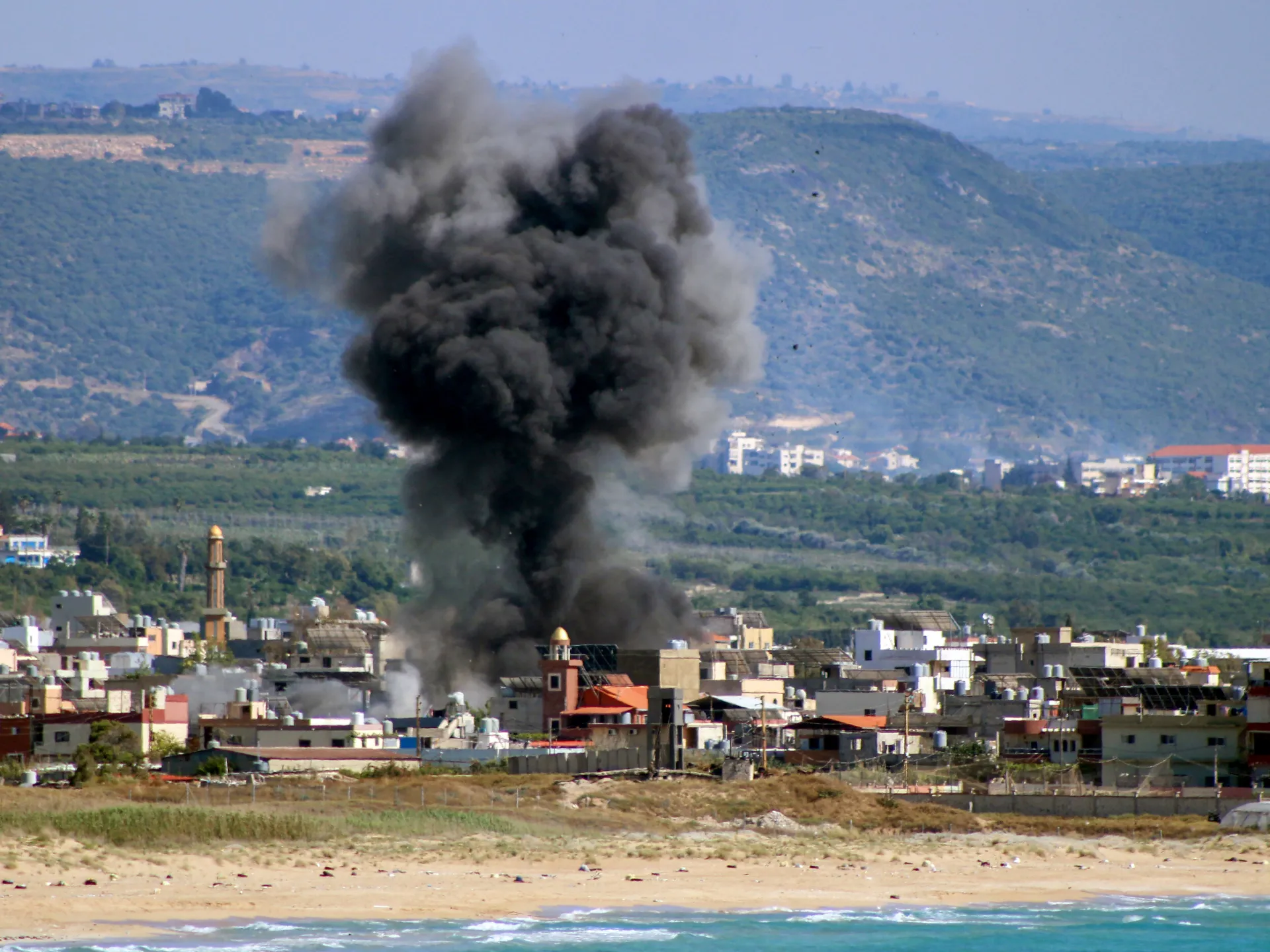
In the Qatari capital, Doha, violent explosions rocked the city simultaneously with black smoke plumes rising from the western suburbs, causing a state of anxiety among residents. The Qatari Ministry of Defense announced that air defense systems successfully countered a missile attack targeting the country, affirming the armed forces' readiness to deal with any external threats affecting the state's sovereignty and security.
Security authorities in Qatar took strict precautionary measures, including the temporary evacuation of residents living in areas surrounding the US Embassy in Doha. The Ministry of Interior clarified that this step primarily aims to ensure the safety of civilians, noting the provision of alternative and equipped housing for all families included in the evacuation decision.
On the diplomatic front, sources revealed the content of a phone call between the Qatari Prime Minister and Minister of Foreign Affairs, Sheikh Mohammed bin Abdulrahman Al Thani, and Iranian Foreign Minister Abbas Araghchi. The Qatari minister sharply criticized Tehran, accusing it of seeking to destabilize neighboring countries and attempting to drag the region into a wide-ranging military conflict that does not serve the interests of its peoples.
Bahrain was not immune to this escalation, as local sources reported hearing successive explosions in the capital, Manama, accompanied by sirens blaring in several neighborhoods. A state of security alert prevails in the Kingdom following these developments, with close monitoring of the airspace and vital waterways surrounding the island.
In the Kingdom of Saudi Arabia, the Ministry of Defense announced the success of its forces in intercepting and destroying three 'Cruise' missiles that were headed towards the city of Al-Kharj in the central part of the country. The ministry affirmed that Saudi air defenses are operating with high efficiency to monitor and thwart any aggression attempts targeting vital installations or population centers in various regions of the Kingdom.
As for Kuwait, international maritime authorities detected a massive explosion in the territorial waters off the Kuwaiti coast, which damaged one of the oil tankers anchored there. Initial reports indicated an oil spill from one of the tanker's tanks after the explosion, amid fears of serious environmental repercussions that could affect marine life in the region.
Navigational sources quoted the captain of the damaged tanker as saying that he saw a small boat leaving the explosion site at high speed, which suggests the hypothesis of deliberate sabotage. Kuwaiti rescue and environmental teams are currently working to contain the oil spill and prevent its spread, while the alert level has been raised in major oil ports.
In a related context, the Iranian Revolutionary Guard announced its full control over the Strait of Hormuz, which is the main artery for global energy supplies. This announcement came at a time when the region is witnessing unprecedented tension, as Tehran seeks to demonstrate its military strength in the face of international pressure and military operations targeting its depth.
This wave of attacks comes on the sixth day of what was described as the widespread American-Israeli aggression on Iranian territory, which began last Saturday with intense airstrikes. These attacks resulted in a dramatic development, represented by the assassination of Iranian Supreme Leader Ali Khamenei and a number of prominent military and political leaders of the Tehran regime.
Observers believe that the region has entered a phase of strategic ambiguity after the absence of the supreme leadership in Iran, which could lead to further reciprocal military operations. International calls for restraint and avoiding a slide into a comprehensive regional war that could destabilize the global economy and energy security are increasing amid continuous threats to waterways.
Iran is trying to harm neighboring countries and drag the region into a war it is not a party to.



Share your opinion
Military escalation in the Gulf: Drones and missiles intercepted over Doha, Abu Dhabi, and Riyadh