







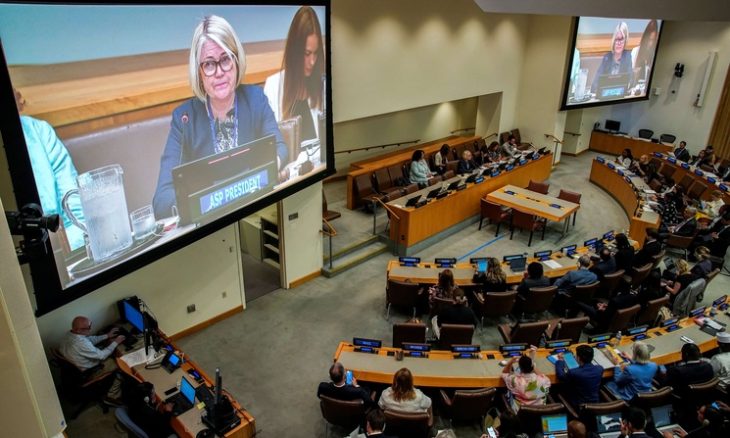
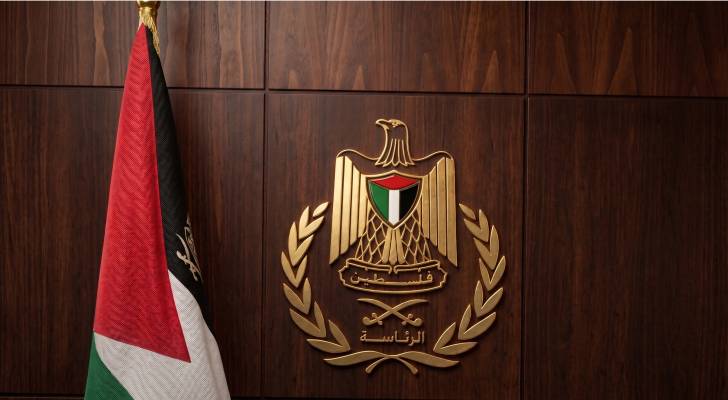
In a move reflecting the escalating Palestinian diplomatic presence in international forums, La Neice Collins, spokesperson for the office of the President of the 80th session of the United Nations General Assembly, announced Palestine's official entry into the race for the presidency of the 81st session of the General Assembly. This announcement confirms the ability of Palestinian diplomacy to overcome the legal and political challenges posed by its 'observer state' status.
The list of candidates for this high-profile position includes three prominent names, with the Permanent Palestinian Observer to the United Nations, Riyad Mansour, competing against Bangladesh's Foreign Minister Touhid Hossain and Cyprus's Deputy Foreign Minister Andreas Kakouris. This competition is one of the most anticipated sessions due to the political weight represented by the candidates and the diversity of their geographical regions.
Collins stated in press remarks that Ambassador Riyad Mansour is the only candidate who has so far submitted a comprehensive official document outlining his vision for the future of the General Assembly and the development of its performance. This step reflects the Palestinian seriousness in leading the international organization and providing solutions to urgent global issues that fall within the General Assembly's jurisdiction.
Legally, UN regulations previously stipulated that the president must represent a full member state. However, a fundamental shift occurred in July 2024 when UN Secretary-General António Guterres issued an explanatory memorandum that opened the door for this historic nomination.
Guterres affirmed in his memorandum the possibility of electing representatives of the State of Palestine to this position, despite its observer status, which gave Palestinian diplomacy the green light to move towards this entitlement. The election process is scheduled to take place on June 2, with the world's attention turning to New York to follow the results.
In a separate field context, media sources reported that infrastructure facilities supporting the Zaporizhzhia nuclear power plant suffered severe damage as a result of a Ukrainian attack targeting the area. These developments raise increasing international concerns about the safety of nuclear facilities amid the ongoing fierce military conflict there.
Regarding international efforts related to the Gaza Strip, reports revealed Indonesia's readiness to send a large peacekeeping force of about 8,000 soldiers to the Strip. This initiative comes within the framework of broader international plans aimed at securing stability in the region after the end of ongoing military operations.
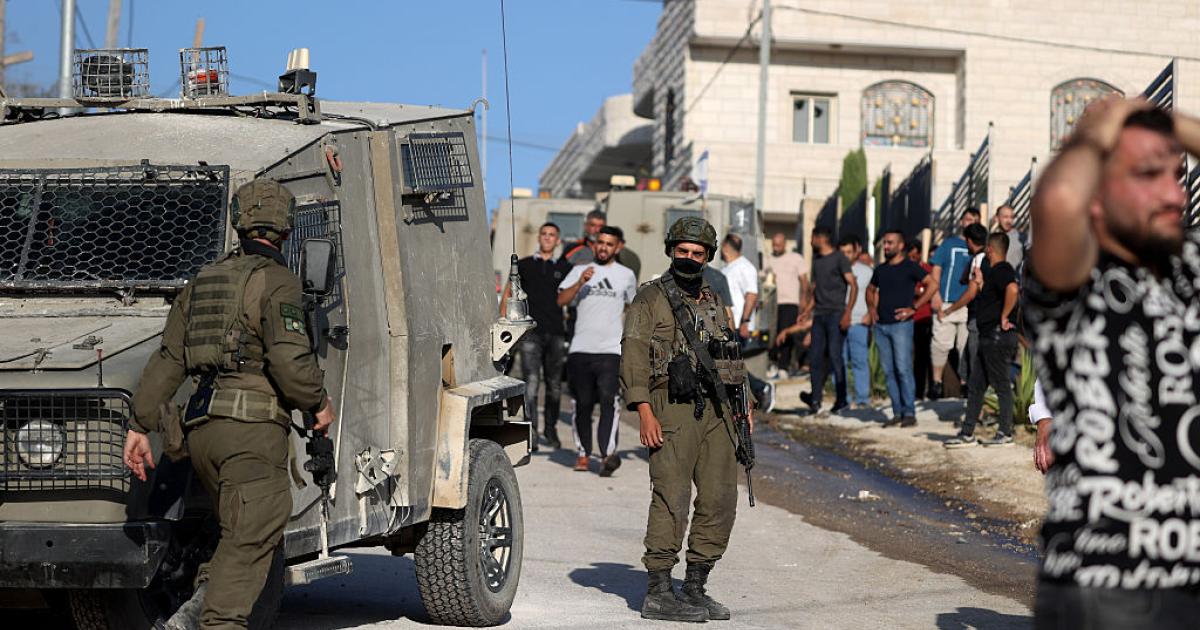
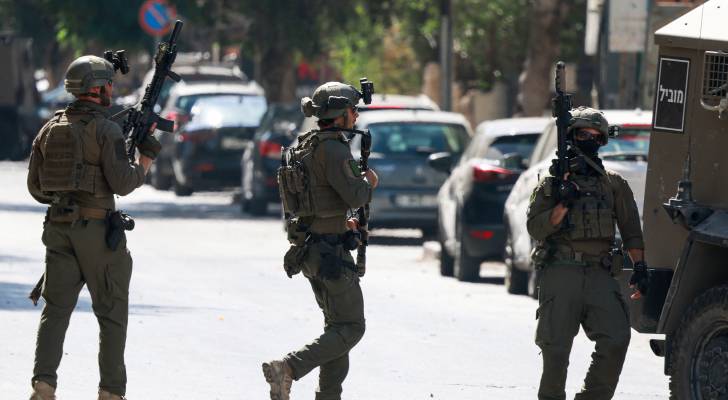
In the West Bank, Israeli occupation forces continued their escalating practices through the demolition of Palestinian homes and structures. Israeli bulldozers demolished a house in Ramallah that a young Palestinian man had recently built in preparation for his marriage, sparking a wave of local condemnation.
Politically, Iranian Supreme Leader's advisor Ali Larijani warned Washington against being drawn into what he described as Netanyahu's 'sabotage' statements. Larijani stressed that these statements aim to undermine ongoing negotiations between Tehran and international powers, emphasizing the need to be wary of attempts at regional escalation.
As part of Iranian diplomatic moves, Iranian Foreign Minister Abbas Araqchi undertook a tour that included Cairo, Ankara, and Riyadh to convey the results of the Muscat talks. This tour aims to reassure neighboring countries about Iranian orientations and enhance regional coordination to reduce tensions in the region.
For his part, Turkish Foreign Minister Hakan Fidan ruled out current indications of a direct war breaking out between the United States and Iran. Fidan explained that the region cannot bear the consequences of a new conflict, calling on all parties to exercise maximum restraint and prioritize dialogue.
Regarding the Lebanese issue, crowds mourned the victims of an Israeli raid that targeted a residential area, among whom was a child not exceeding three years old. This incident further complicates the security situation on the Lebanese-Palestinian border amid continued mutual raids.
As for internal Israeli affairs, Tel Aviv witnessed widespread protests during which activists blocked highways in condemnation of the escalating wave of violence in Arab society. Demonstrators accused the Israeli government of failing to provide security and protect Arab citizens from organized crime.
Finally, Russian movements in Ukraine stand out as a pressing element on the international stage, with the Russian Ministry of Defense announcing the downing of dozens of Ukrainian drones. These developments coincide with statements by Russian Foreign Minister Sergey Lavrov, who affirmed that the path towards a comprehensive political settlement is still long and arduous.
To date, only the Palestinian diplomat has submitted a document outlining his comprehensive vision for the future of the United Nations General Assembly.
Share your opinion
Palestinian Diplomacy Knocks on the Doors of the UN General Assembly Presidency: Riyad Mansour Officially Nominated