





Analysts to Al-Quds: Netanyahu fears the second phase and seeks to create a “victory scene” to cover up the war's failure
Despite weeks passing since the Gaza Strip ceasefire agreement came into effect, its second phase remains stuck in a cycle of Israeli procrastination, while military violations escalate and the occupation army continues to invent pretexts to maintain its grip over large areas of the Strip, amidst an unprecedented humanitarian catastrophe.
What does the second phase include?
This phase does not represent a procedural detail in the path of de-escalation, but rather the essence of the agreement and its political spirit, as it includes the withdrawal of the occupation army from the areas it reoccupied, the establishment of new lines of contact, the launch of a reconstruction process, and the formation of a transitional Palestinian administration, which practically means breaking the logic of “control by fire” that governed Gaza throughout the war of annihilation.
According to what is known as the Trump plan (the 20-plan), the second phase includes the establishment of the so-called “Peace Council” and its executive arm, the “International Stability Force,” in addition to the withdrawal of the occupation army to what is known as the “Red Line,” so that Israel retains about 20% of the Gaza Strip without officially annexing it, in parallel with the formation of a Palestinian technocratic government, and the beginning of rubble removal and reconstruction under international supervision.
However, these entitlements today collide with a solid Israeli political wall, led by Benjamin Netanyahu, who sees the implementation of the second phase as the effective end of his war on Gaza and the beginning of a phase in which he loses political and military control.
Escalation as a tool to disrupt the second phase
As discussions related to the mechanisms for implementing this phase approached, the occupation army significantly escalated its aggression, through intensified aerial bombardment, the demolition of residential neighborhoods, and the expansion of the so-called “Yellow Line” within the Strip, in a clear attempt to impose new facts on the ground before any potential withdrawal, according to analysts' estimates.
Hamas considered this escalation part of a systematic Israeli strategy to empty the second phase of its content, and submitted official protests to the mediators, warning that continued violations could lead to the collapse of the entire agreement, especially after the martyrdom of 13 Palestinians in massacres committed by the occupation in one day.
The movement also accuses the American administration of providing political cover for these violations by remaining silent about them, even though they target the essence of the agreement, not its details.
No readiness to withdraw
In an additional indication of Israeli intentions, the Hebrew newspaper Haaretz quoted security sources as saying that the occupation government has not issued any instructions to the army to prepare for withdrawal from Gaza or to implement the second phase, which confirms that what is happening is not a field malfunction, but a political decision to freeze the agreement.
According to government monitoring in Gaza, the occupation army has committed 1193 violations since the ceasefire came into effect, leading to the martyrdom of more than 430 Palestinians, including women and children, in addition to obstructing the entry of aid, which did not exceed 42% of the agreed quantities, in a direct violation of the humanitarian dimension of the agreement.
Netanyahu and the search for an “illusory victory”
Writer and political analyst Dr. Muhammad Musleh believes that the political level in Israel is managing these violations, not the military establishment, despite the oversight of mediators, especially regarding Hamas's commitment to the terms of the agreement.
Musleh points out to “Al-Quds” that Turkey, Egypt, and Qatar have confirmed in official statements that Israel is repeatedly violating the agreement, and that the second phase faces fabricated complications because Netanyahu seeks to create a “victory scene” in Gaza, with which he covers up the failure of the war of annihilation, and uses it as a lifeline from his internal crises, corruption trials, and the pressures of the far-right within his government.
The second phase… the battle after the war
In turn, Egyptian writer and political analyst Ali Fawzy believes that Netanyahu fears the second phase more than the war itself, because it undermines the narrative of military achievement, and imposes on him political and security entitlements that he does not want to pay the price for, foremost among them the withdrawal from Gaza and the beginning of its reconstruction under international and Palestinian supervision.
Fawzy stressed to “Al-Quds” that Israel is trying to turn the ceasefire into a long truce without withdrawal, reconstruction, or Palestinian administration, meaning a freezing of the conflict on the occupation's terms, not its end.
Between a Palestinian readiness to move to a new political and humanitarian phase, and Israeli procrastination aimed at escaping the post-war entitlements, the second phase of the ceasefire agreement remains hostage to Netanyahu's decision, who so far seems to prefer managing the crisis over resolving it.
In a strip living under rubble, postponing withdrawal and reconstruction means only one thing:
The continuation of the war… but with other tools.

PALESTINE
Wed 14 Jan 2026 1:34 pm - Jerusalem Time
Why is the second phase of the Gaza ceasefire agreement faltering?

Tags
MORE FROM PALESTINE
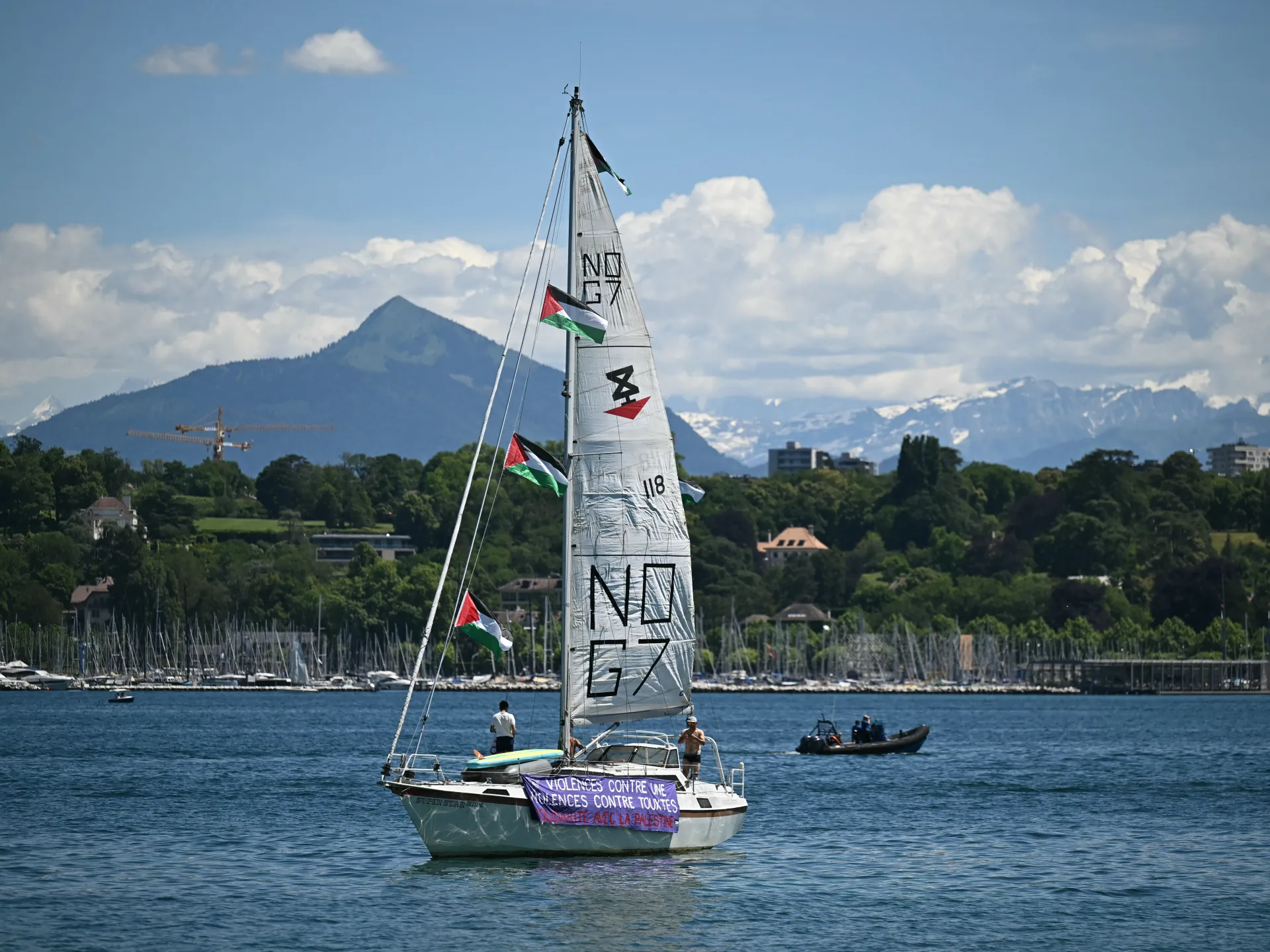
International preparations to launch a new naval fleet to break the siege on the Gaza Strip
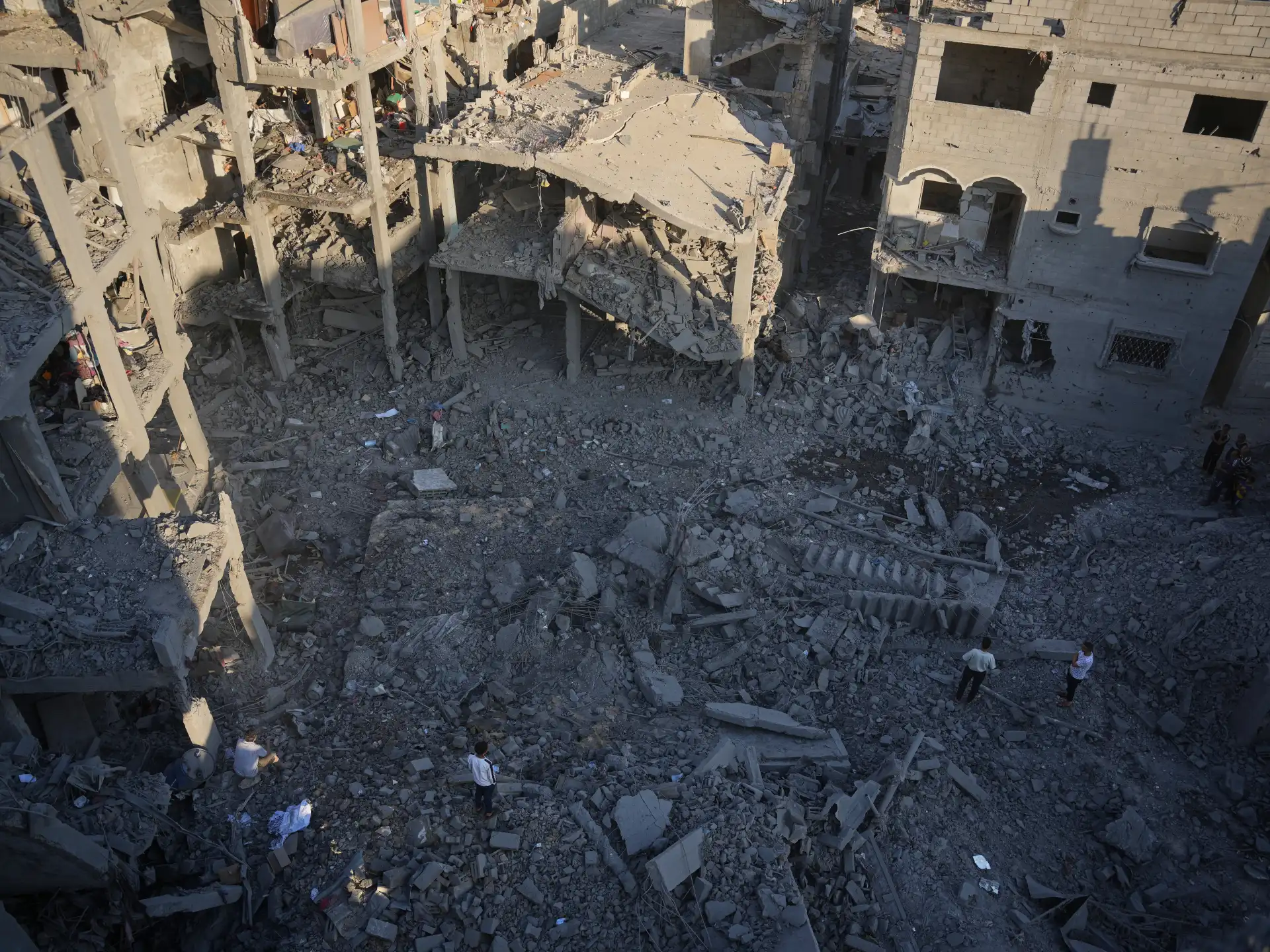
7 Killed and Destruction of Civilian Facilities in a Series of Israeli Attacks on the Gaza Strip
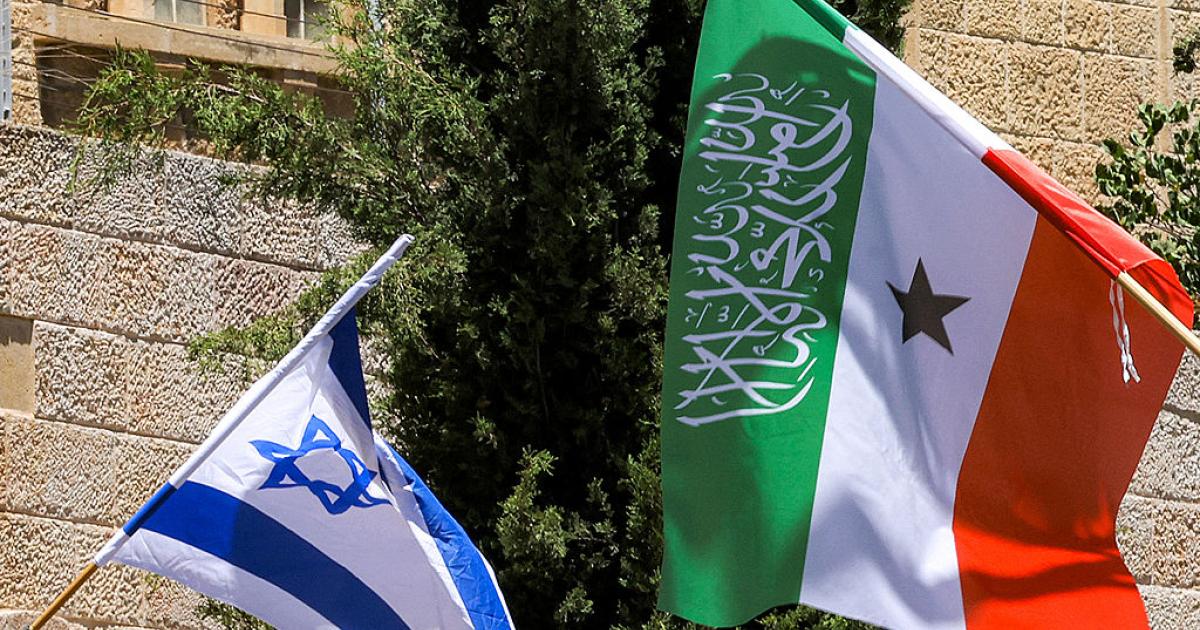
President of "Somaliland" in Israel to Open Embassy in Jerusalem.. Hamas Calls it a "Political Sin"


Share your opinion
Why is the second phase of the Gaza ceasefire agreement faltering?