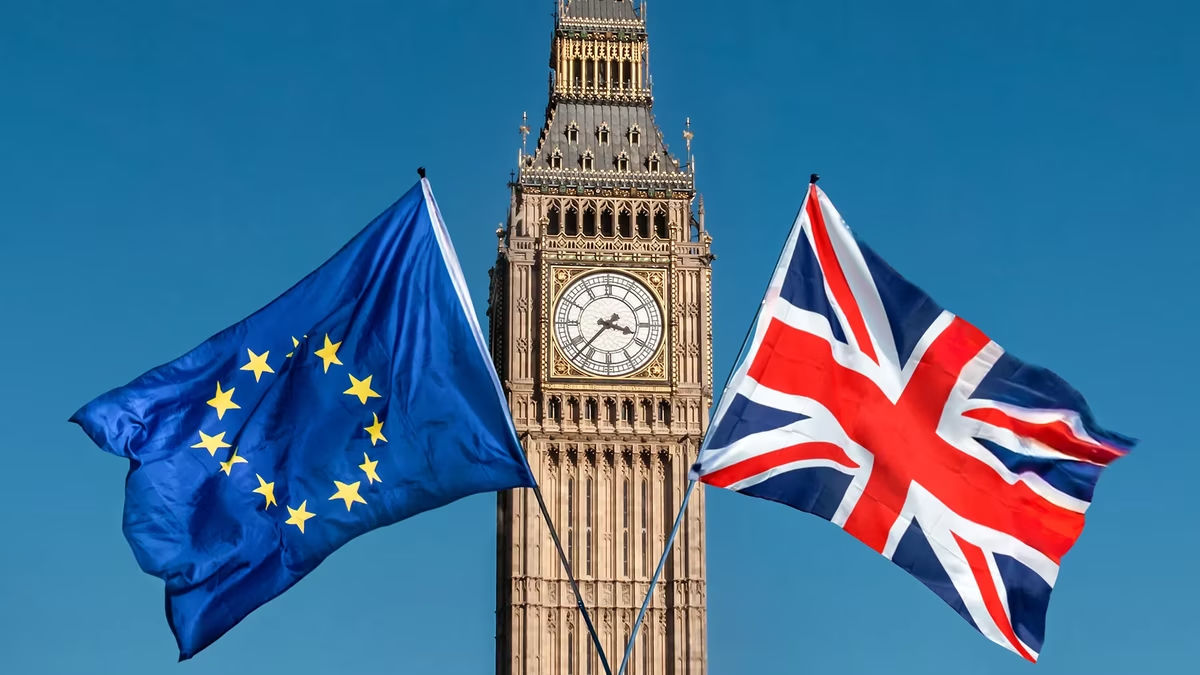







Political debate in Britain regarding the utility of withdrawing from the European Union has strongly resurfaced, with prominent conservative politician Michael Heseltine calling for a comprehensive review of the 'Brexit' decision. The former Deputy Prime Minister accused the leaders of the Leave campaign of making false and misleading promises to voters, noting that economic and political realities have proven the failure of those approaches years after official implementation.
These escalating calls are based on tangible shifts in British public sentiment, as recent opinion polls have shown increasing skepticism about the benefits promoted by proponents of separation. Observers believe that Britain, which officially left the bloc in early 2020, is now suffering from the consequences of economic isolation that were not anticipated to this extent by a large segment of voters.
In a notable development in May 2026, former Health Secretary Wes Streeting described the decision to leave as a 'catastrophic mistake' that must be corrected by returning to the European fold. This view was reinforced by the results of a YouGov poll last April, which revealed that 63% of citizens demand closer ties with Brussels, while 55% support full re-membership in the Union.
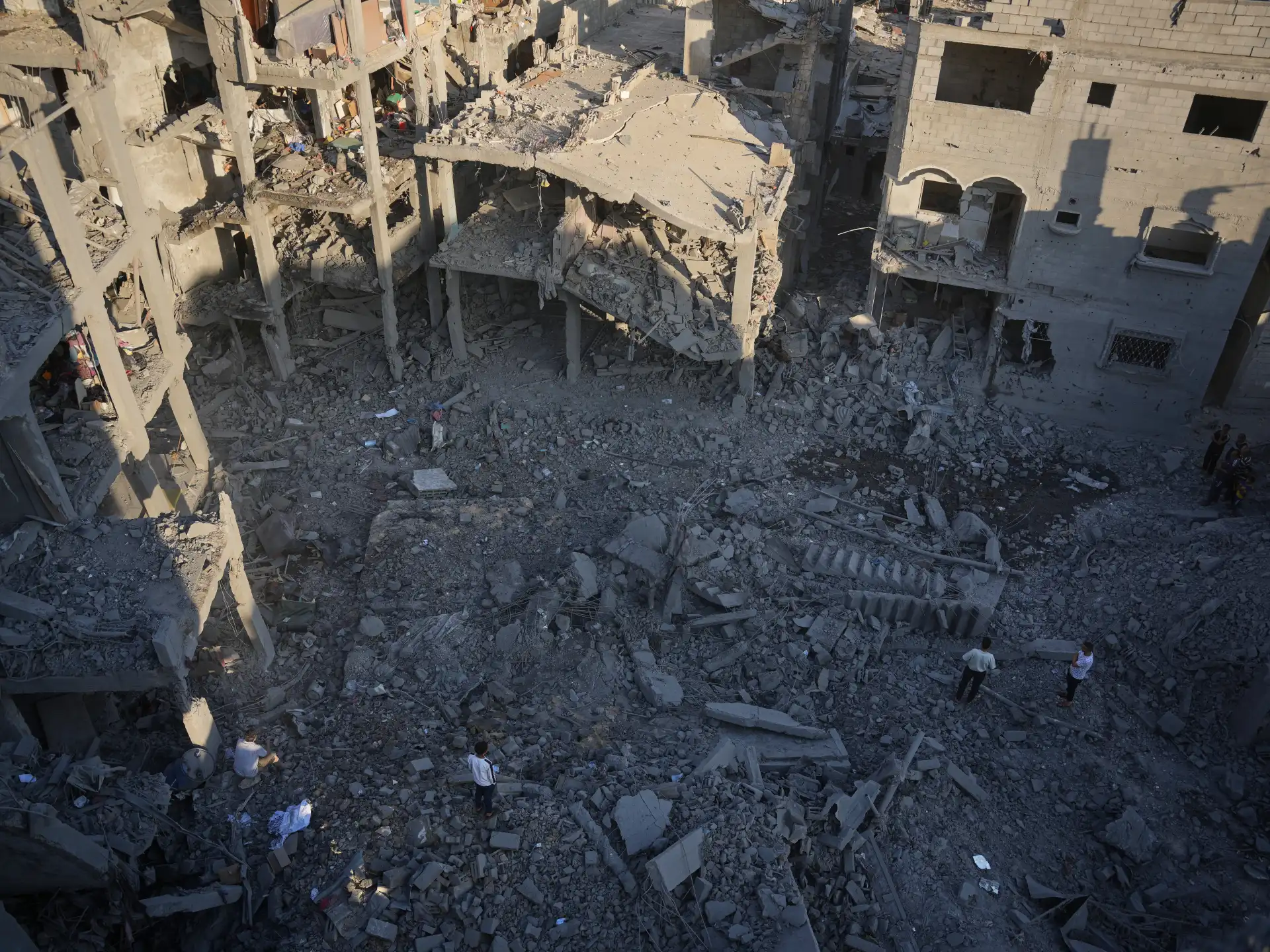
On another front, media reports highlighted a horrific crime committed by Israeli occupation forces in the West Bank, resulting in the death of seven-month-old infant Sam Abu Heikal. The incident, which occurred in the Tal Rumeida neighborhood of Hebron, sparked a wave of outrage after details emerged of indiscriminate shooting at a Palestinian family inside their vehicle.
B'Tselem, a human rights organization, documented through video clips the harsh moments following the shooting, showing the infant's father, Fahd Abu Heikal, desperately trying to save his child who was shot in the head. The organization confirmed that the car was slowing down in response to soldiers' orders and posed no security threat, making its targeting a clear case of extrajudicial execution.
Journalistic sources indicated that this crime created a rift in the state of denial within Israeli society regarding its army's practices in the occupied territories. Although Israeli attention to atrocities committed in Gaza and the West Bank remains minimal, the horror of infant Sam's murder forced some Hebrew media outlets to address the violence of soldiers and settlers more frankly.
Analysts believe that the emergence of these facts may represent the beginning of a limited retreat in the policy of overlooking daily crimes, but they doubt the ability of this shock to bring about structural change in the Israeli military mindset. The incident, which occurred on June 5th, adds to a long record of violations that often pass without real accountability for the perpetrators.
In the context of ongoing wars, French reports revealed a humanitarian tragedy facing the Ukrainian army, where the number of amputee soldiers has risen to approximately 120,000. These shocking figures reflect the heavy human cost of the conflict with Russia and place immense pressure on Ukraine's medical and social systems to rehabilitate these injured individuals.
Medical associations in Ukraine are seeking to innovate therapeutic methods based on sports, such as climbing, to help soldiers adapt to their new prosthetics. These initiatives aim to provide psychological and physical support to amputees, in an attempt to reintegrate them into society after the war has radically and permanently altered the course of their lives.
Regarding decolonization, the government of the Democratic Republic of Congo has initiated intensive diplomatic efforts to reclaim its historical archives from Belgium. Kinshasa is demanding access to maps and secret documents related to mineral wealth fields that were surveyed and plundered during the Belgian colonial period, which are still preserved in Brussels museums.
Congo's Minister of Mines held meetings with European officials to demand the digitization and official handover of these documents, considering this information a sovereign right of the Congolese people. This step comes within the framework of African nations' efforts to regain control over their natural resources and understand their economic history shaped by colonial powers.
The roots of this issue trace back to the Berlin Conference of 1884, convened by German leader Bismarck to partition the African continent among major European powers. That conference legitimized the exploitation of Congo by King Leopold II, who transformed the country into a private estate under the guise of alleged humanitarian and missionary work.
That historical era led to a massive depletion of Congo's wealth, as the Belgian king used national and economic arguments to justify the colonization of vast areas tens of times larger than Belgium. Today, Congo seeks to turn this page by reclaiming its documents that record the extent of organized plunder its lands endured.
These international files intertwine to paint a picture of a world facing the consequences of its past decisions, whether related to old colonialism or modern political alliances like Brexit. While peoples seek justice and truth, field crimes in Palestine remain a constant reminder of the necessity of international intervention to protect civilians from the machinery of war and occupation.
Video recordings document an Israeli soldier firing at the family's car as it slowed to a stop, and the vehicle posed no danger at the moment it was targeted.
Share your opinion
Shifts in British Public Opinion Towards 'Brexit' and the Murder of Infant Sam Shakes the Conscience of the Occupation