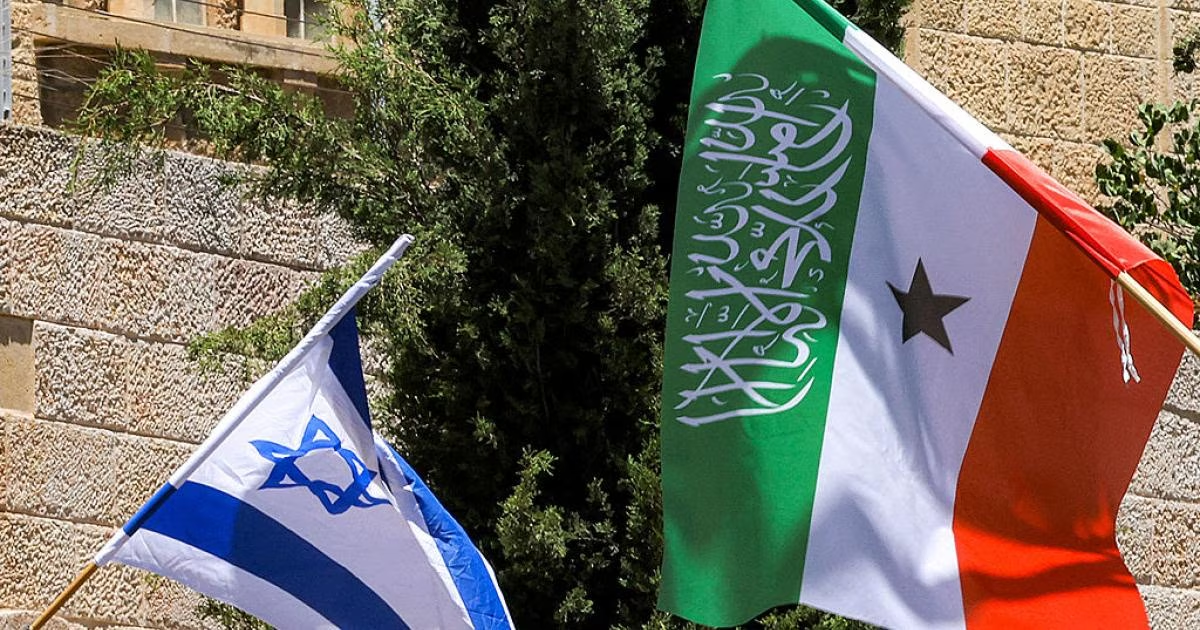







The president of the self-proclaimed separatist region of "Somaliland," Abdirahman Mohamed Abdullahi, began a first-of-its-kind official visit to Israel, where he met with his Israeli counterpart Isaac Herzog on Sunday. This visit comes as part of strengthening bilateral relations, just a few months after Tel Aviv officially recognized the region, which unilaterally declared its secession from Somalia.
Sources reported that the visit primarily aims to inaugurate an embassy for the region in occupied Jerusalem, fulfilling previous promises made by Abdullahi after receiving an official invitation from Israeli Prime Minister Benjamin Netanyahu. Israel is the first country to grant the region full diplomatic recognition since its declaration of independence following the civil war in 1991.
Abdullahi, in a statement issued by the Israeli Prime Minister's Office, expressed his deep gratitude for this step, describing the visit as having special historical significance as it is the first state visit by the region's president. He noted that his country had sought international recognition for decades but had only received a response from the Israeli side.
For his part, Israeli President Isaac Herzog welcomed the visiting delegation, considering this partnership to open broad horizons for direct cooperation between the two sides in various fields. Herzog affirmed that both parties face common security challenges in the Horn of Africa, particularly concerning combating what he described as extremism and protecting maritime navigation.
The visit's agenda includes high-level meetings with Benjamin Netanyahu and Foreign Minister Gideon Sa'ar, in addition to participating in economic events aimed at attracting Israeli investments to the region. The visit is scheduled to conclude on Monday with the official ceremony for the embassy's opening in Jerusalem, according to Hebrew media reports.
In contrast, these moves were met with strong Palestinian condemnation, with Hamas describing the region's intention to open an embassy in occupied Jerusalem as a major "political sin." The movement affirmed in a statement that this behavior represents a blatant violation of all international laws and a disregard for Arab and Islamic positions regarding the issue of Jerusalem.
Hamas condemned in the strongest terms the meeting of the region's president with the leaders of the occupation, noting that these leaders have a criminal record against the Palestinian people and Arab nations. It stressed that opening up to an entity that continues to desecrate holy sites and Judaize Al-Aqsa Mosque is a stab in the back of the just Palestinian cause.
The movement called on the League of Arab States and the Organization of Islamic Cooperation to take immediate action to prevent this separatist region from breaking Arab and international consensus. It demanded that the concerned parties exert pressure to prevent the continuation of this diplomatic decline towards building relations with an entity that commits massacres it described as the most horrific in modern history.
The pace of cooperation between the two sides has accelerated since the beginning of this year, with Israeli Foreign Minister Gideon Sa'ar visiting the region last January. This visit was followed by a mutual appointment of ambassadors, with Israeli Ambassador Michael Lotem commencing his duties in the region last April, amidst official protests from the Somali government in Mogadishu.
The Somali government views these moves with great seriousness, describing previous Israeli visits to the region as an "unauthorized intrusion" into its national sovereignty. Mogadishu fears that this Israeli recognition could encourage other separatist movements in the African continent, threatening the stability of the entire region.
The Somaliland region enjoys a sensitive strategic location on the Gulf of Aden and possesses its own governing institutions, army, and currency, yet it has lacked international legitimacy. Observers believe that rapprochement with Israel is an attempt by the region's leaders to break the international isolation imposed on them for more than three decades.
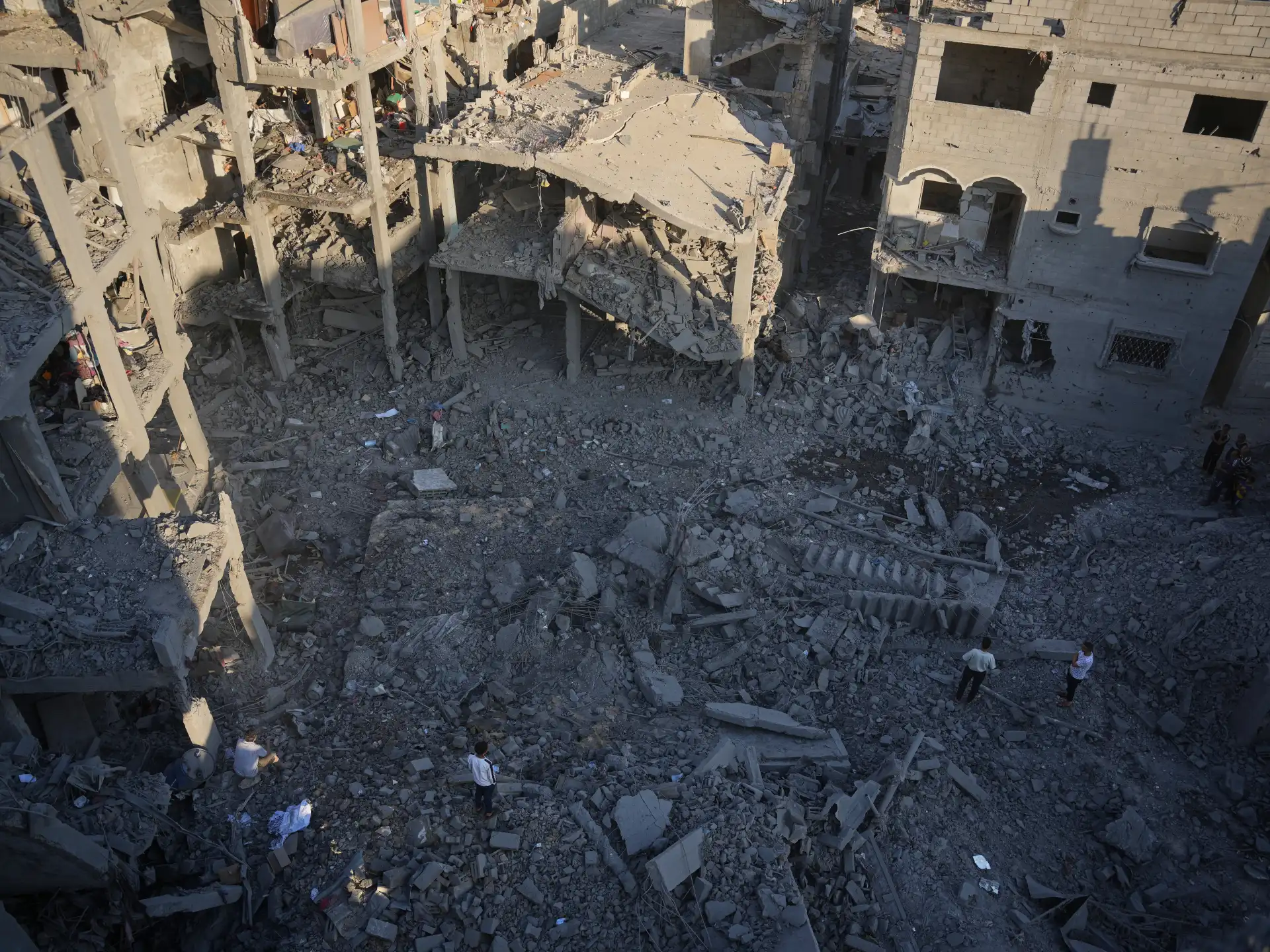
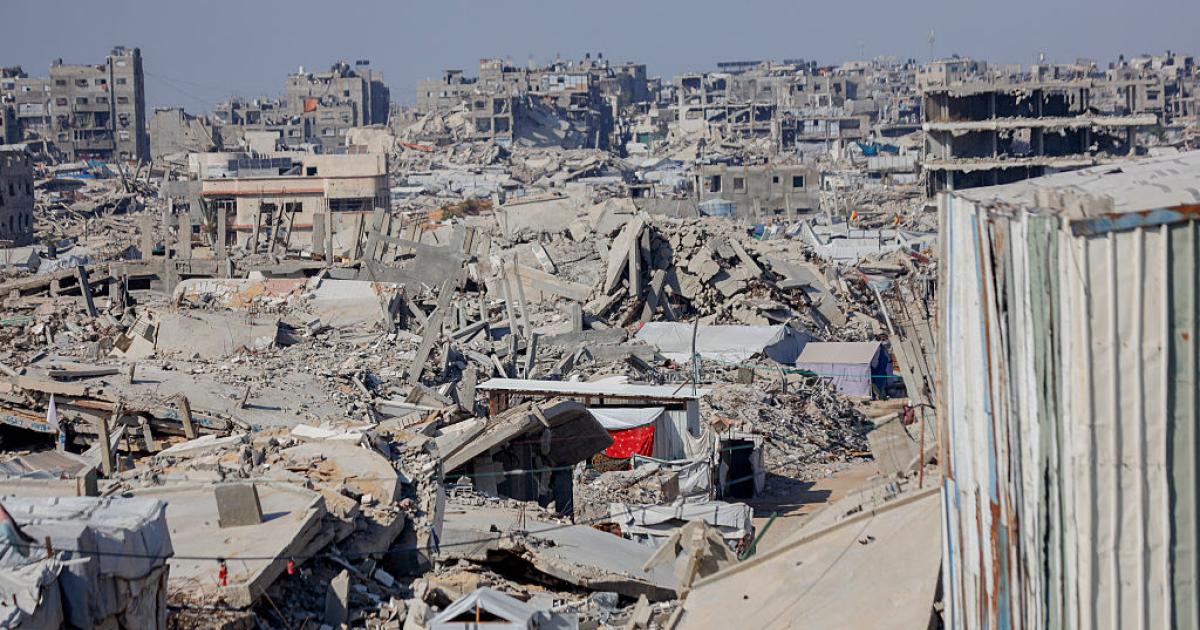
These developments have raised widespread regional concerns about hidden plans related to the future of the Gaza Strip, with warnings emerging about the possibility of using the region as a destination for the displacement of Palestinians. These concerns come amid an absolute rejection from neighboring Palestinian countries, such as Egypt and Jordan, of any attempts to displace residents from their lands.
Reports confirm that Israel seeks through this alliance to strengthen its influence in the Horn of Africa and secure its shipping lanes in the Red Sea. In return, the separatist region hopes that this recognition will pave the way for other countries to follow Tel Aviv's lead, despite strong Arab opposition to this step.
The opening of the embassy in occupied Jerusalem remains the most controversial point, as Palestinian and Arab national forces consider it an attempt to enshrine the occupation's sovereignty over the holy city. Popular and official calls continue for the necessity of reversing this step, which serves the occupation's agendas in the region and harms Arab national security.
Opening an embassy in occupied Jerusalem is a political sin and a violation of all international norms and laws, and a disregard for the unified Arab and Islamic position.



Share your opinion
President of "Somaliland" in Israel to Open Embassy in Jerusalem.. Hamas Calls it a "Political Sin"