





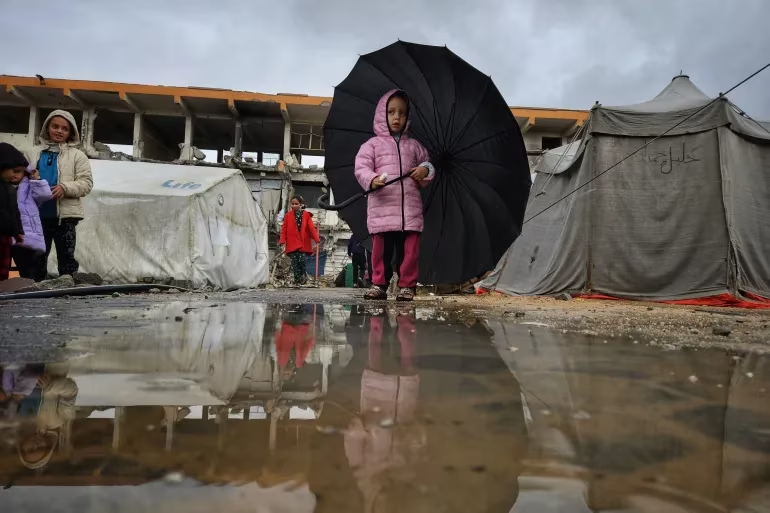
Heavy rains and strong winds over the past two days have destroyed large parts of the fragile displacement camps in the Gaza Strip, exacerbating the suffering of hundreds of thousands of Palestinians displaced by the ongoing Israeli war of extermination and leaving thousands of families in direct confrontation with the bitter cold without shelter or protection.
Displaced persons told "Al-Quds" that the violent winds completely uprooted their tents, while rainwater flooded other tents, turning their floors into swamps of mud and stagnant water, in the absence of any alternatives or heating methods, and the lack of the most basic necessities of life.
Displaced Abu Muhammad Al-Hindi (45 years old), whose family lives in one of the displacement camps west of Gaza City, says: "We woke up to the sound of the wind tearing the tent... Within minutes we were in the open. The children were shivering from the cold, and we only had wet blankets. No alternative tent and no one cares about us."
His wife bitterly recounts: "This is not life... Every low-pressure system means a new disaster. We fear illness more than bombing now, as water has entered the tent and the children have fallen ill, and there is no treatment or warmth."
A difficult night
Displaced Mahmoud Al-Salmi (38 years old), whose family lives in a dilapidated tent south of Gaza City, recounts the details of a difficult night: "The tent was completely submerged... We were lifting the children over the wet blankets and waiting for the wind to calm down. No sleep, no safety, just fear that the tent would collapse or we would get sick from the cold."
His neighbor, Umm Youssef, a displaced person from Jabalia camp, tells "Al-Quds": "We lost our home in the bombing, and now we are losing even the tent. Every low-pressure system makes death closer than life. My children sleep in wet clothes and we have no fuel or blankets."
Thousands of displaced people live in dilapidated tents that cannot withstand rain and wind, while other families have been forced to take shelter in cracked and dilapidated buildings, despite the serious risks, in the absence of any alternative options or safe shelters.
The suffering of more than a million displaced people is exacerbated with the onset of winter, in light of the continuous delay in the entry of reconstruction materials and shelter materials, especially caravans, which has turned tents into dangerous traps that do not provide protection from rain, wind, or bitter cold.
The violent weather conditions led to the flooding of hundreds of tents and their transformation into water pools, deepening the tragedy of displacement, and leaving thousands of families, especially children, women, and the elderly, in humanitarian conditions that directly threaten their lives and health, amidst continuous international silence and unprecedented humanitarian helplessness.
Collapse of damaged homes
For its part, the Government Media Office confirmed the collapse of more than 50 homes and residential buildings that were previously damaged or bombed since the beginning of the recent low-pressure systems, pointing to recorded deaths due to severe cold inside the displaced persons' tents, and the decommissioning of more than 127,000 tents due to their unsuitability to provide the minimum protection for more than 1.5 million displaced people.
Ismail Al-Thawabta, director of the Media Office for Al-Quds, explained that the recent low-pressure systems resulted in the martyrdom and injury of dozens of citizens due to the collapse of residential buildings over their residents, noting that thousands of citizens were forced to resort to damaged and dilapidated homes after the destruction of their original homes, in the absence of any safe alternatives.
Humanitarian catastrophe
In turn, the spokesman for the Palestinian Civil Defense in the Gaza Strip, Mahmoud Bassal, warned that the current low-pressure system caused severe damage to temporary shelter conditions, as thousands of tents were completely damaged, while a large number of them flew away, especially tents erected on the seashore, due to the intensity and speed of the wind.
Bassal confirmed to "Al-Quds" that thousands of tents are still threatened with flying away at any moment, in light of the continued unstable weather conditions and the absence of any means of stabilization or protection, noting that citizens were forced to erect their tents on the seashore due to the lack of space within cities after the widespread destruction of residential areas, and the unavailability of real alternatives for shelter.
He pointed to the existence of thousands of dilapidated homes in various areas of the Strip, which poses a direct threat to the lives of residents, especially with the exacerbation of cracks and partial collapses that are accelerating due to rain and wind, warning that every new low-pressure system turns into a real humanitarian catastrophe in light of the prevention of entry of building materials and the continued obstruction of reconstruction.
Bassal stressed that citizens are living in catastrophic conditions inside torn tents and cracked homes, without the slightest elements of safety or human dignity, confirming that what the Gaza Strip is witnessing today does not meet the minimum humanitarian standards, and constitutes a blatant violation of humanitarian principles and international humanitarian law.
He explained that civil defense teams are working with very limited capabilities, in light of the increasing reports of risks of building collapses, flying tents, and rainwater leakage, warning that the continuation of this reality portends a wider humanitarian catastrophe in the coming period, unless urgent intervention is made to provide safe shelter solutions, and the immediate entry of building materials and essential relief materials is allowed.
For its part, the Gaza Municipality said that the extensive destruction left by the Israeli aggression greatly hinders rainwater drainage, especially in low-lying areas and around shelter centers, which exacerbates the suffering of residents and displaced people.
The municipality confirmed, in a press statement received by Al-Quds, that the humanitarian situation in the Strip has become "extremely complex" with every low-pressure system, in light of a severe shortage of capabilities and mechanisms, and a suffocating financial crisis that hinders emergency response.
The United Nations Office for the Coordination of Humanitarian Affairs (OCHA) had warned of the continued deterioration of humanitarian conditions in displacement camps, confirming that about 65,000 homes were damaged during last December's storms, with water flooding large areas.
The office warned that the work of humanitarian organizations may face additional restrictions due to new Israeli laws that tighten their registration conditions, which, according to aid workers, could lead to "catastrophic consequences" for the lives of hundreds of thousands of displaced people.

PALESTINE
Wed 14 Jan 2026 1:32 pm - Jerusalem Time
Winter ravages Gaza's displaced... Tents fly and cold claims lives!
Tags
MORE FROM PALESTINE
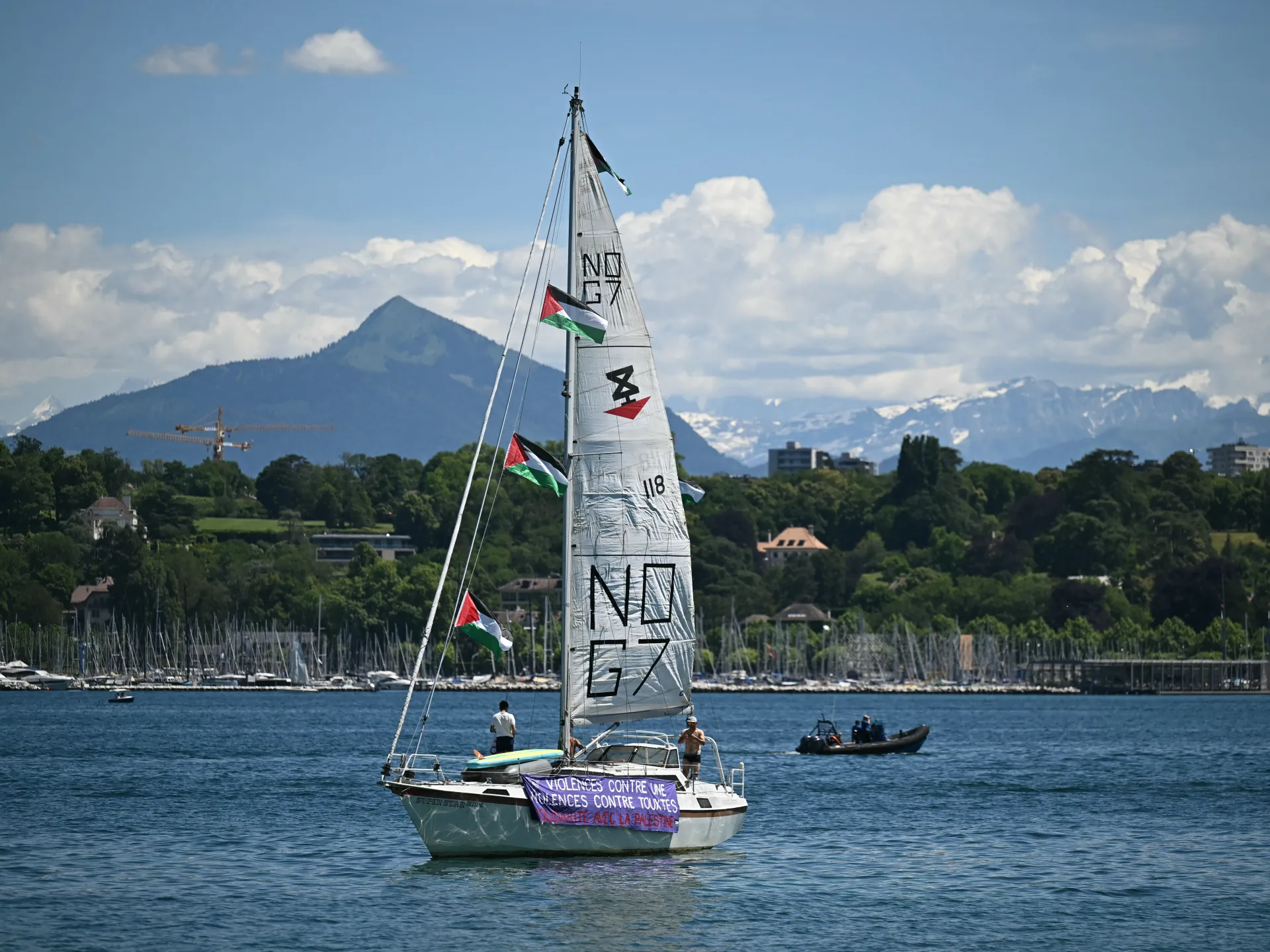
International preparations to launch a new naval fleet to break the siege on the Gaza Strip
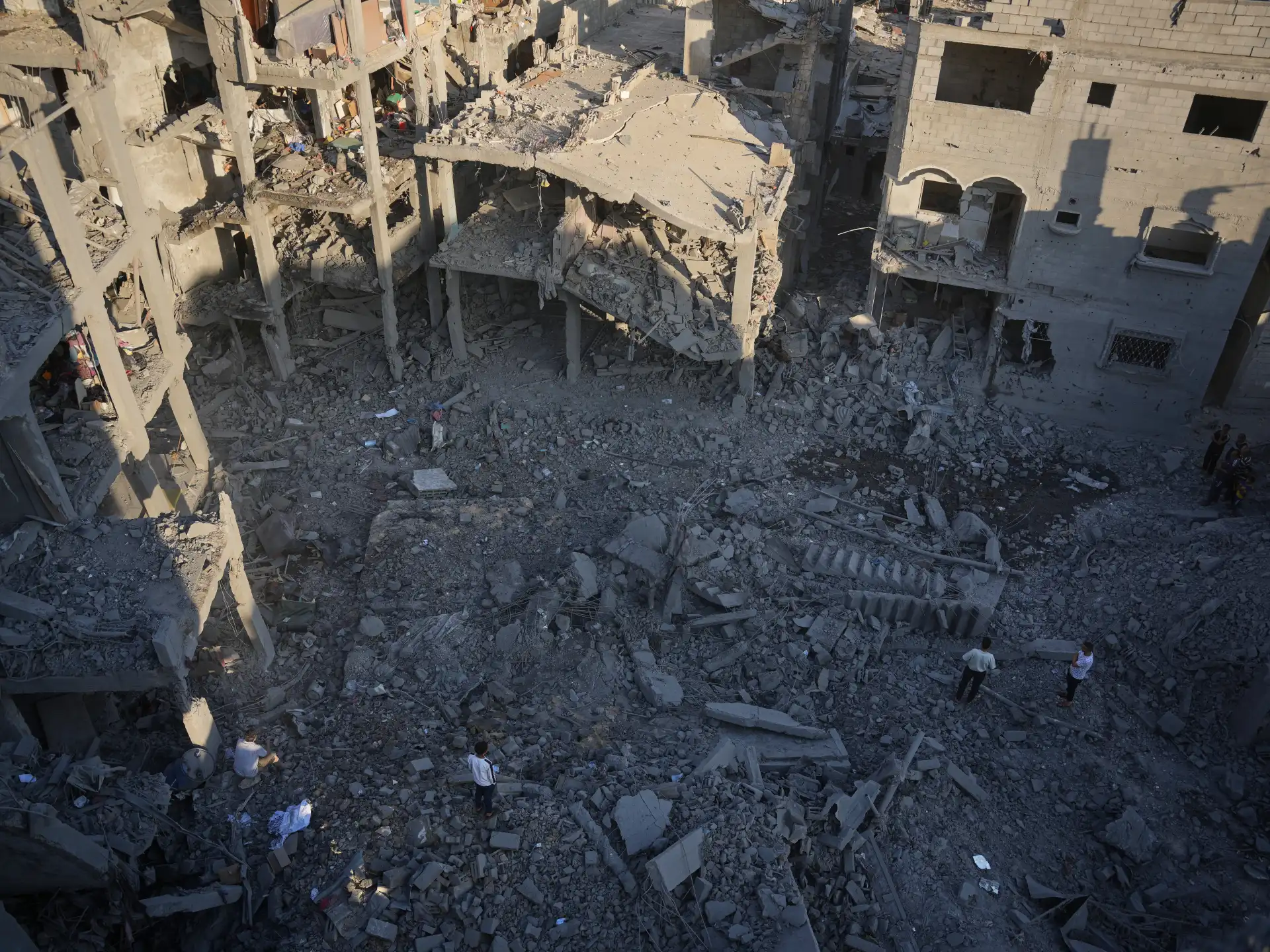
7 Killed and Destruction of Civilian Facilities in a Series of Israeli Attacks on the Gaza Strip
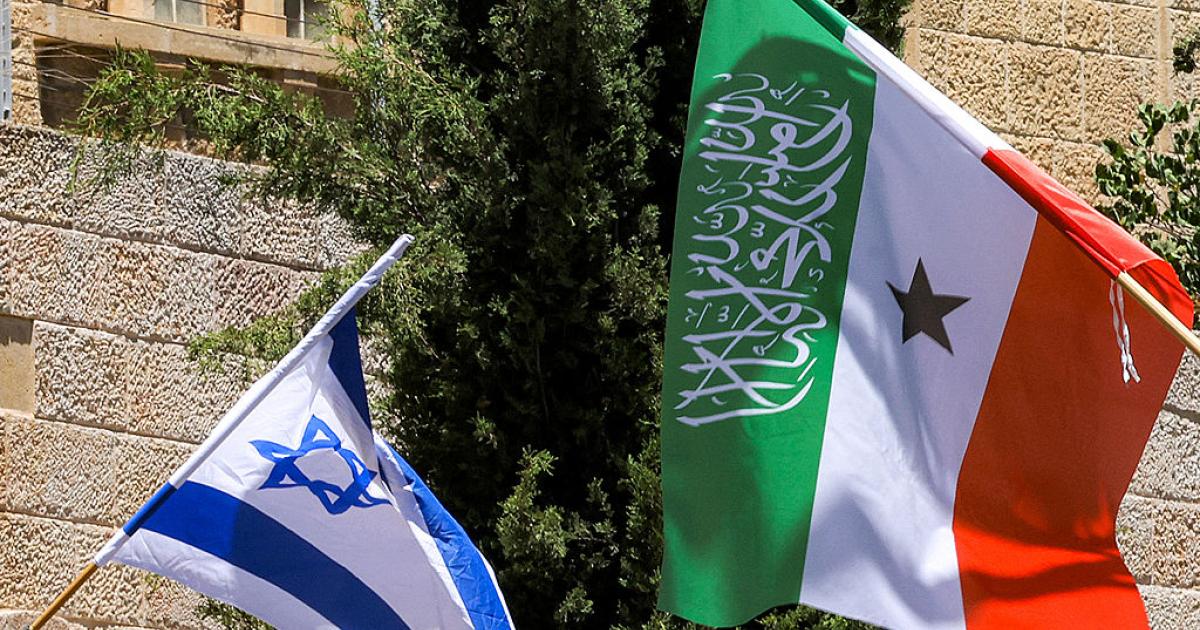
President of "Somaliland" in Israel to Open Embassy in Jerusalem.. Hamas Calls it a "Political Sin"

Share your opinion
Winter ravages Gaza's displaced... Tents fly and cold claims lives!