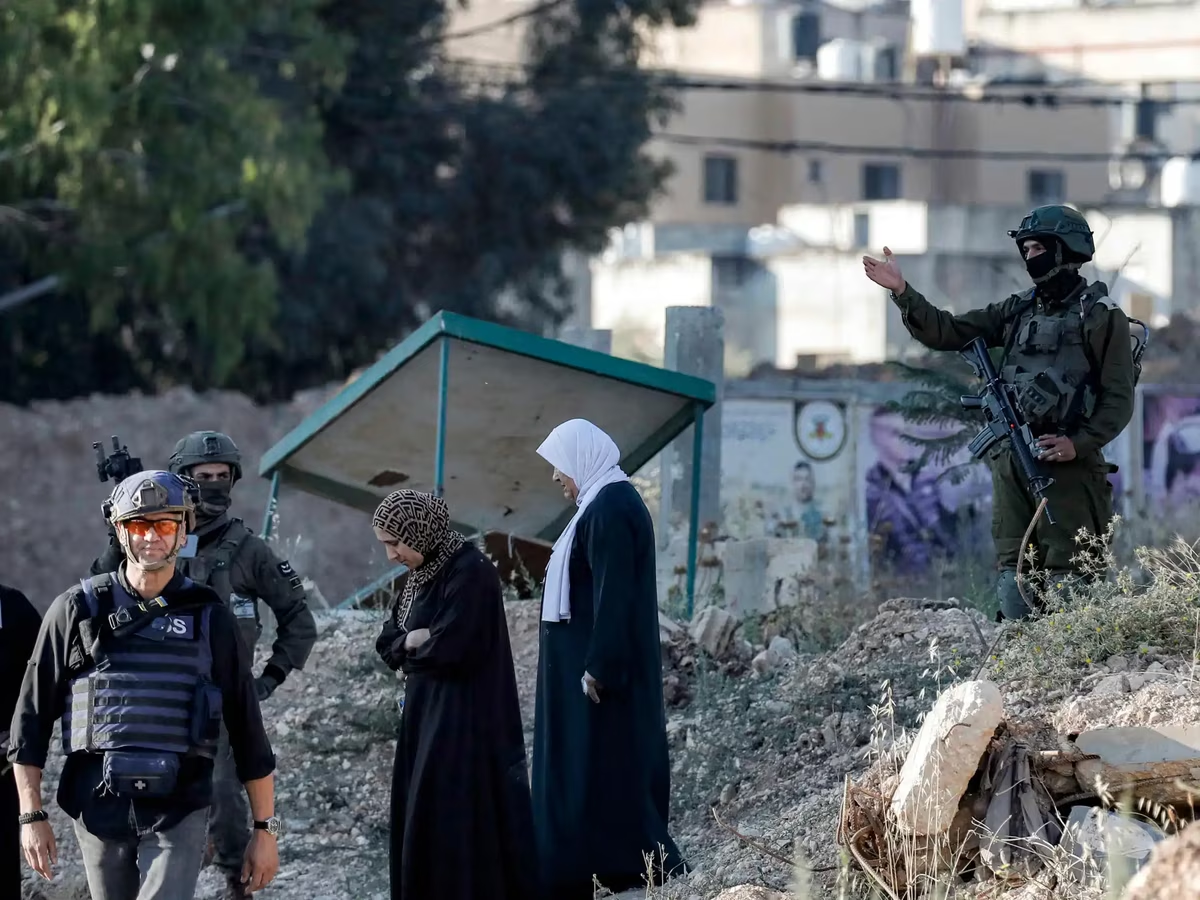







Cemeteries in the West Bank are no longer havens of tranquility; instead, they have become open confrontation zones where the Israeli occupation imposes its authority even on the dead. Human rights sources and field testimonies have documented the transformation of Palestinian funerals into stringent security procedures requiring prior permits and subject to surveillance by drones and heavily armed soldiers, thus stripping farewell moments of their human and religious sanctity.
In the city of Hebron, specifically in October 2025, the family of citizen Murad Al-Natsha faced a harsh reality when occupation authorities refused to allow his father to be buried in the family plot in Al-Ras cemetery. The family was forced to carry out the burial secretly and within minutes, fearing clashes with soldiers who had surrounded the area. Al-Natsha described this scene as the 'fastest funeral' he had ever witnessed, devoid of proper prayers and farewells.
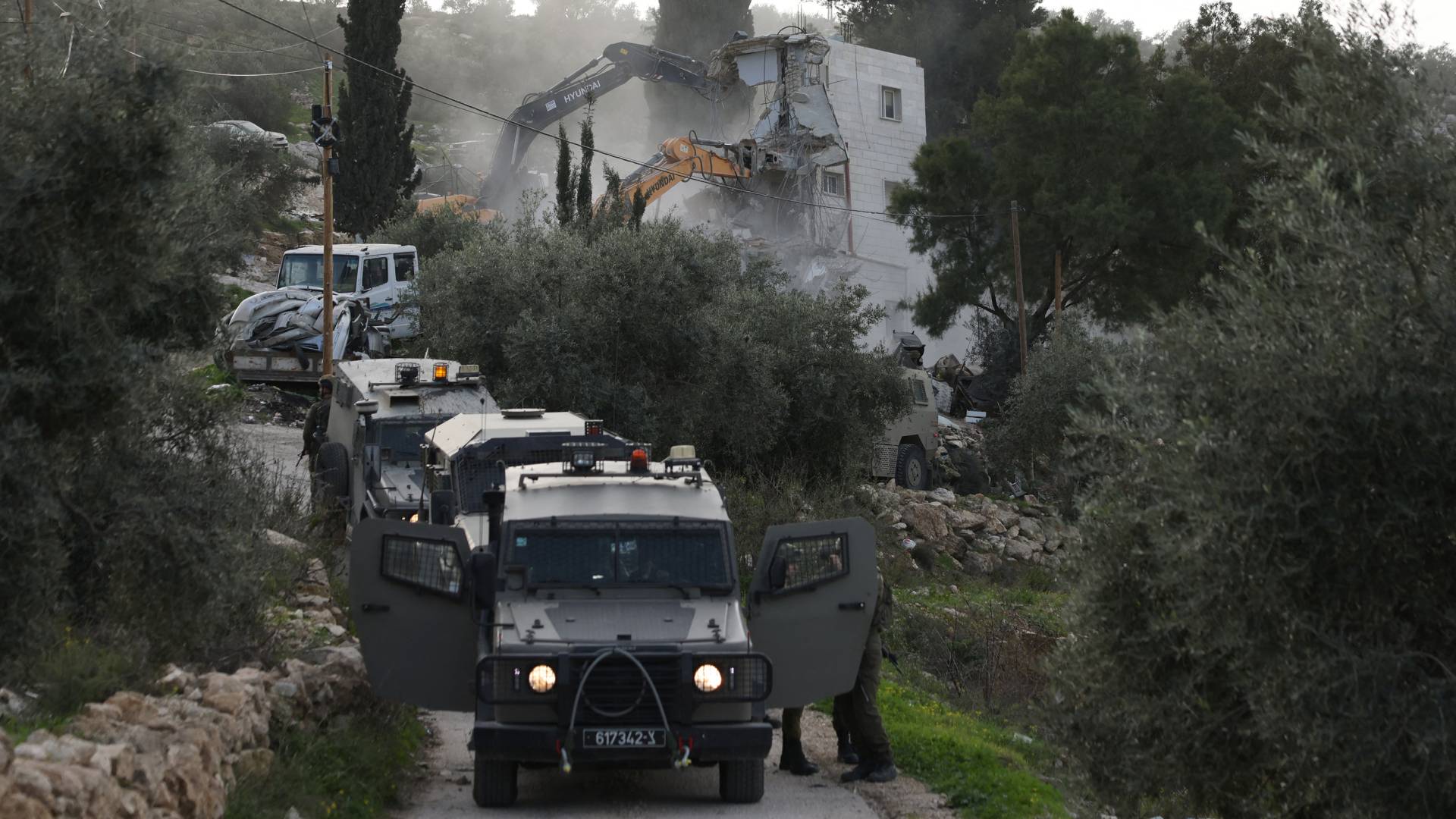
This policy is not accidental; rather, it is a system that has gradually formed over two decades and expanded with the construction of the apartheid wall, which isolated entire towns from their historical cemeteries. In the town of Sawahreh, access to Jabal Al-Mukaber cemetery is now conditional on passing through the 'Al-Shayah' military checkpoint, which has been dubbed the 'Last Resting Place Checkpoint' due to the humiliating procedures mourners are subjected to.
Data from the General Authority for Civil Affairs indicates that security coordination has become a necessary condition for burying the dead in contact areas and closed areas, at an average of 100 cases per month in Hebron alone. These conditions include identifying the deceased, limiting the number of mourners, sometimes to no more than ten people, and imposing a strict time limit for the burial process, not exceeding one hour.
With the outbreak of the war in October 2023, these restrictions extended to new villages and towns such as 'Umm Safa' northwest of Ramallah, where iron gates and earth mounds separated the village from its cemetery. Residents there are forced to carry bodies on their shoulders and walk through rugged and dangerous paths to reach their final resting place, amid repeated refusals to grant burial permits during normal times.
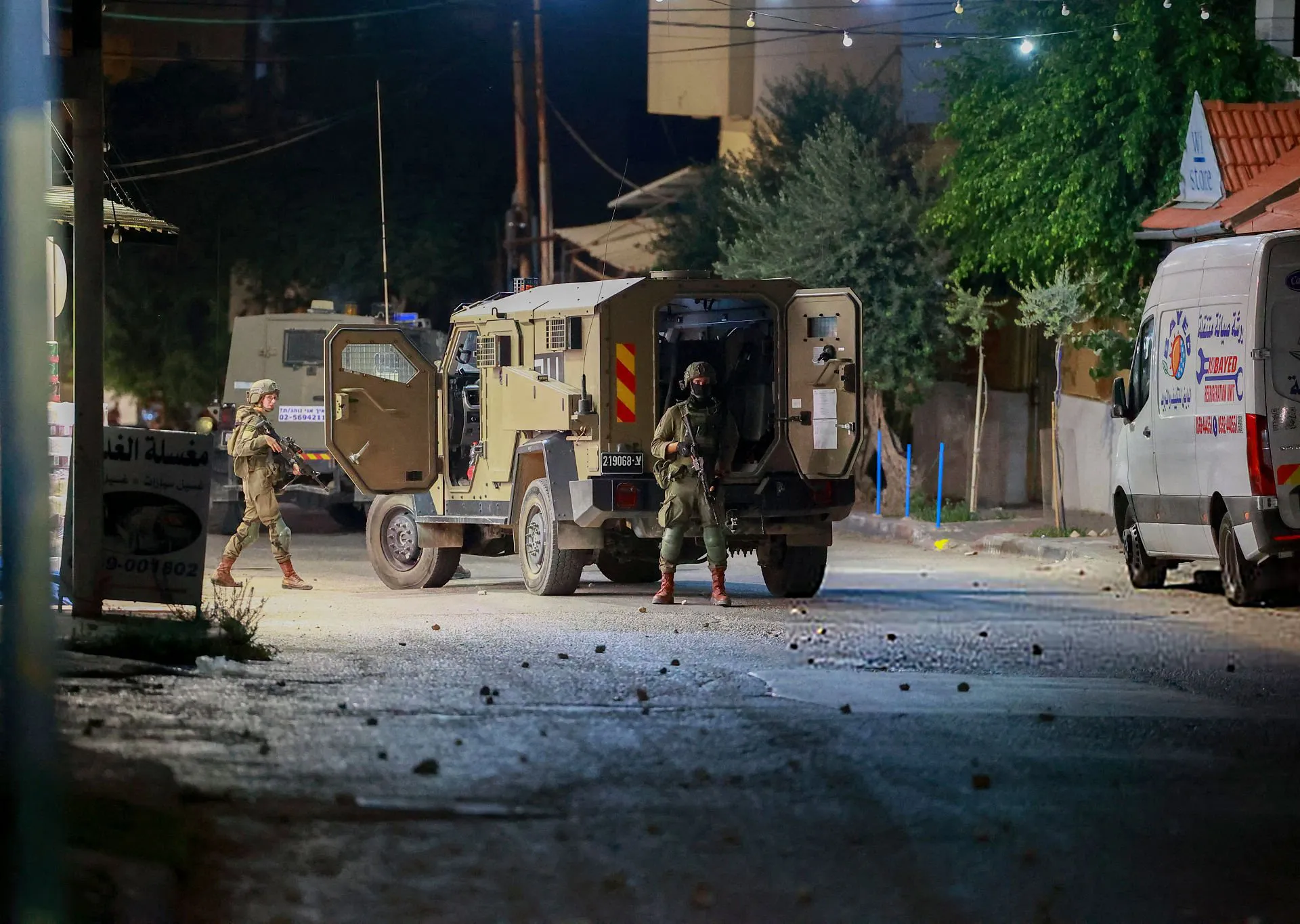
In the northern West Bank, specifically in Jenin and Tulkarm, these policies reached their peak in early 2025, where burials were completely prohibited in cemeteries within Jenin refugee camp. Military vehicles spread around alternative cemeteries, and local sources recorded dozens of cases that underwent strict security coordination, prompting families to search for alternatives far from their residential centers.
Suffering is not limited to the moment of burial but extends to depriving the living of visiting the graves of their loved ones, as cemeteries located behind the wall or near settlements have become closed military zones. Elderly people from Jerusalem and Hebron recount with anguish how years pass without them being able to recite Al-Fatiha at the graves of their wives or fathers, considering this 'an oppression beyond human endurance'.
Maintenance and restoration work in historical cemeteries have also not been spared from prohibition, as removing weeds or repairing gravestones requires complex security approvals that can take months. In Al-Khatib cemetery in Hebron, which dates back six centuries, entry is restricted to a very limited number of people and under close surveillance, which has left graves vulnerable to neglect and repeated settler attacks.
Drivers of hearses and gravediggers have become part of this security circle, as they are required to provide precise coordinates of the grave site on aerial maps before digging. In many cases, soldiers intervene to stop digging operations under the pretext of lack of coordination, leading to bodies being held in cars for long hours awaiting a 'green light' from occupation officers.
Human rights activists affirm that through these measures, the occupation seeks to impose its full control over Palestinian geography, including areas designated for the dead. Activist Issa Amro believes that turning grief into a process of coordination and security calculations strips the funeral of its human dimension and doubles the psychological suffering of bereaved families, transforming farewell into an experience of submission.
From a religious perspective, the Palestinian Ministry of Endowments considered these restrictions a blatant assault on freedom of worship and the sanctity of the dead guaranteed by divine laws. The ministry indicated that preventing prayers for the deceased and limiting the number of worshipers constitutes a deprivation of performing essential rituals, which contradicts the simplest values of human dignity that must be respected under all circumstances.
Legally, international law experts emphasize that Palestinians in the West Bank are 'protected persons' under the Fourth Geneva Convention of 1949. Dr. Rizq Shuqair clarified that any restrictions on burial not based on a genuine and direct security necessity are considered a grave violation of international humanitarian law, calling on international institutions to intervene to stop these violations.
Reports from the 'B'Tselem' human rights center confirmed that these practices are not isolated incidents but a systematic policy aimed at restricting Palestinians in all aspects of their lives and deaths. The center documented direct attacks with gas and sound bombs on mourners, sometimes leading to the dispersal of funerals and leaving bodies without completing legitimate burial rites.
Cemeteries in Palestine remain a testament to an unending conflict, where Palestinians insist on clinging to their land even as they leave it forever. With the continued absence of international accountability, the 'Last Resting Place Checkpoint' remains a symbol of a bitter reality faced by a people deprived even of the right to a peaceful farewell, and their graves remain hostage to military decisions and security permits stripped of will.
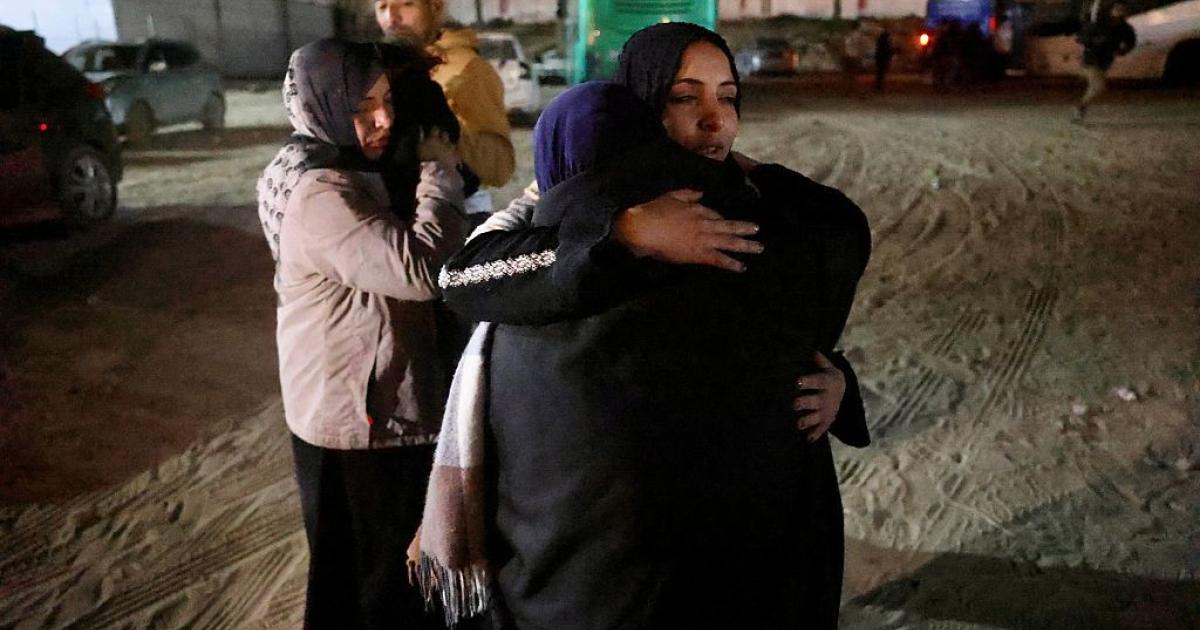
"We felt humiliated, as if we were stealing our mother's burial"; this is how one citizen described bidding farewell to his mother amidst the buzzing of bullets and the horns of military vehicles.
شارك برأيك
Barriers of Death and Farewell.. How Does the Occupation Turn West Bank Cemeteries into Military Barracks?