






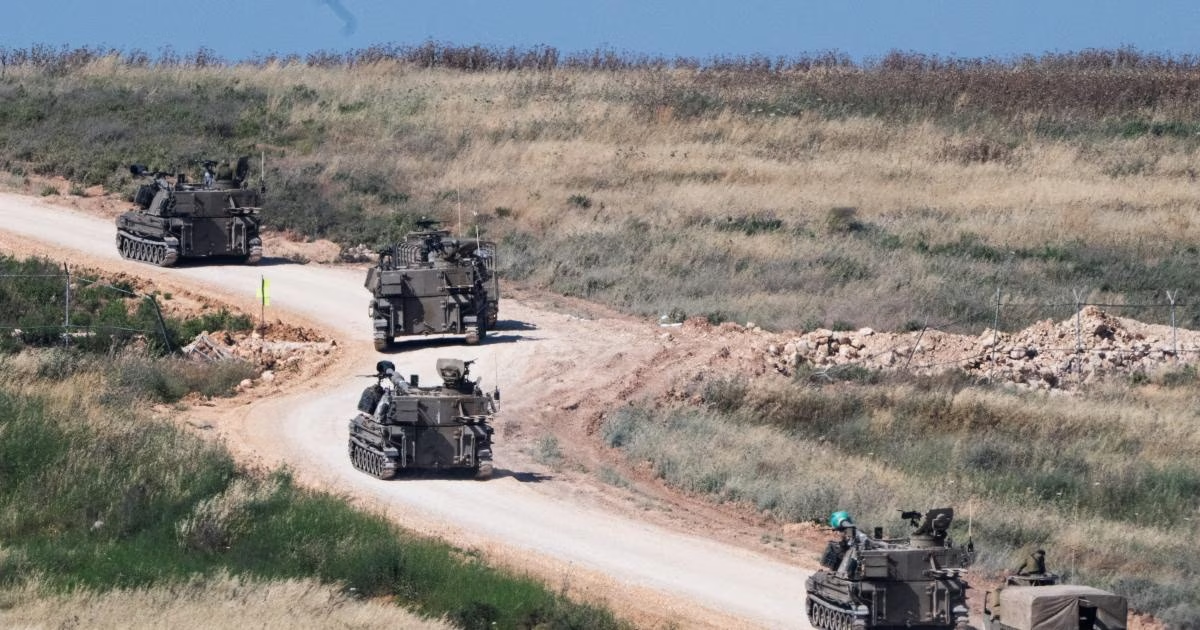
The security and military establishment in Tel Aviv adheres to an old Zionist approach known as the 'Mowing the Lawn' doctrine, a strategy fundamentally based on the principle that excessive force is the only way to deal with adversaries. This doctrine relies on preemptive and continuous military and intelligence strikes aimed at weakening the other party and preventing it from accumulating power, rather than seeking to resolve conflicts through political and diplomatic channels.
Israeli killing policies are characterized by being a systematic and institutionalized system that enjoys full support from the political establishment, where soldiers are instructed to use lethal force without hesitation. Following each crime, the official media machine resorts to using euphemisms such as 'collateral damage' or 'war casualties,' and in some cases, massacres are classified as 'individual errors' to evade legal and international responsibility.
This policy has recently become evident in the Lebanese arena, where Israeli forces targeted two officers and a soldier from the Lebanese army in a direct assault that sparked a wave of official condemnation. The commander of the Lebanese army, Joseph Aoun, described this incident as a blatant violation of national sovereignty, emphasizing that the targeting was not spontaneous but falls within the context of continuous escalation.
For his part, Lebanese Prime Minister, Najib Mikati, placed this aggression in the category of a 'described crime' that cannot be tolerated in international forums. Lebanese Parliament Speaker, Nabih Berri, also preempted the Israeli narrative, asserting that what happened was not merely a technical error or suspicion, as occupation sources try to promote to mitigate diplomatic pressure.
In contrast, the occupation army claimed that the targeting of the Lebanese vehicle came after it aroused suspicion within an active combat zone that required prior coordination for movement. Military sources claimed that the decision was made based on the 'presumed danger' the car posed to soldiers, a narrative that contradicts Israel's possession of the most advanced reconnaissance and intelligence verification systems in the world.
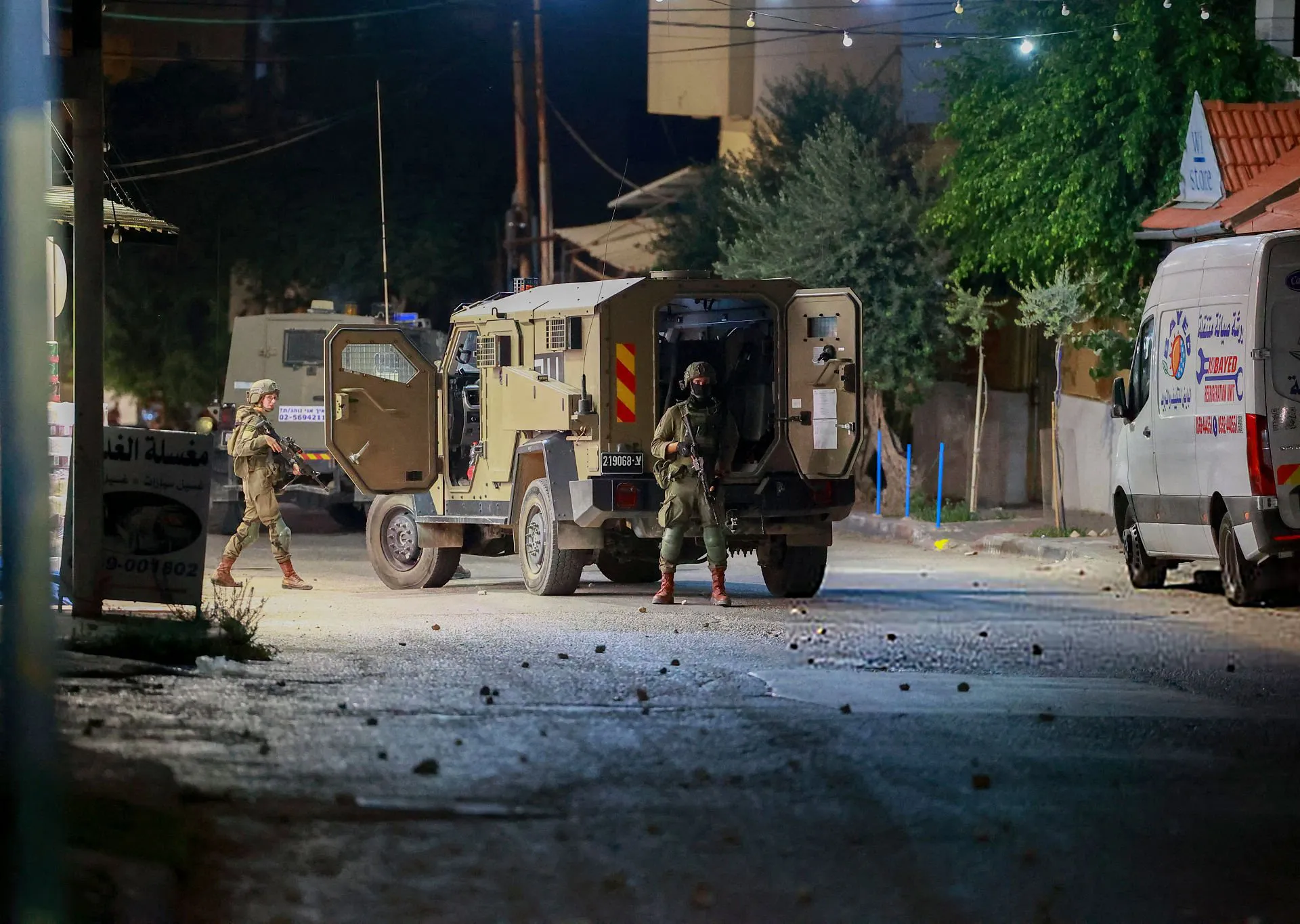
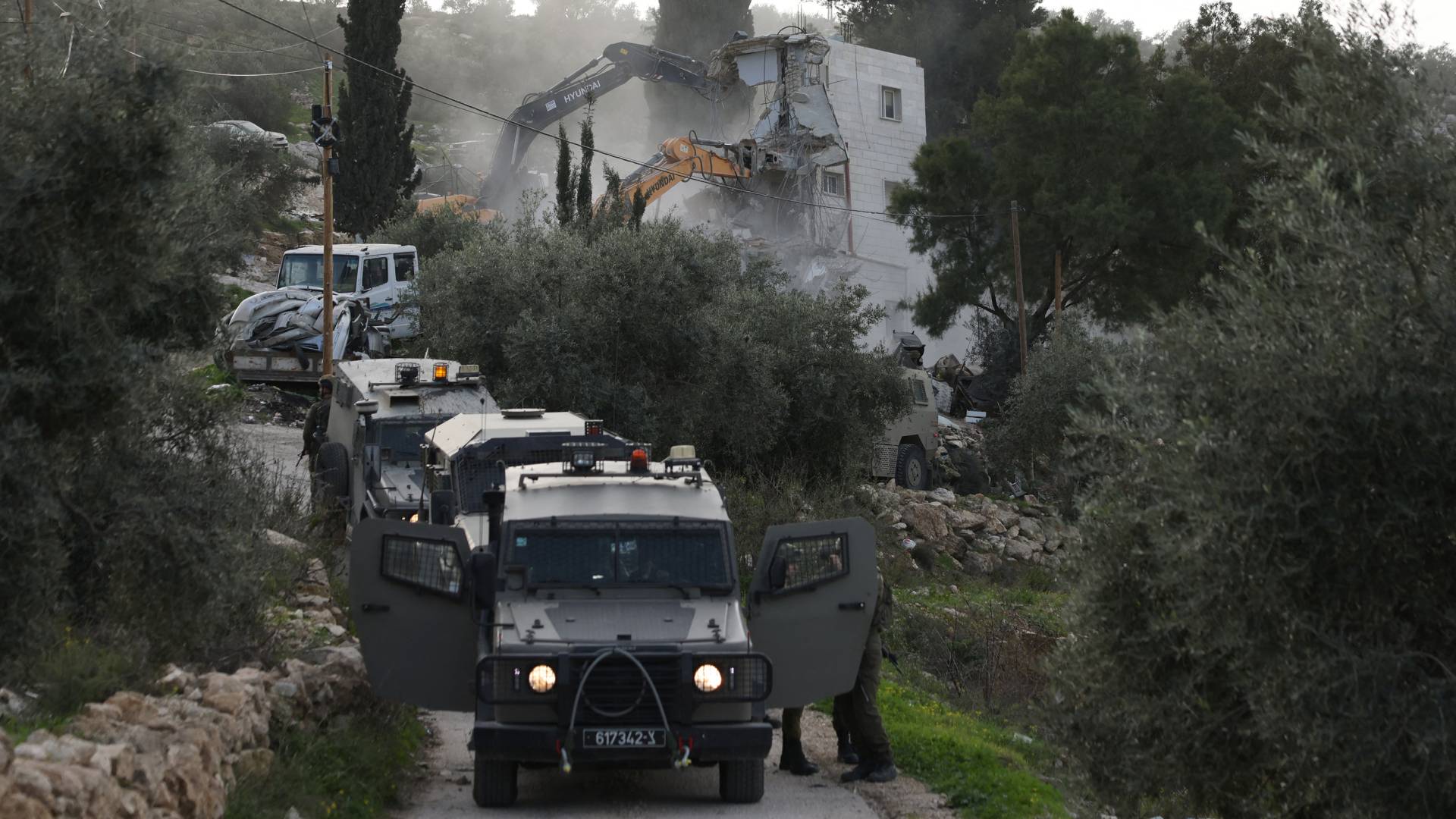
This Israeli behavior is not limited to the Lebanese front but extends to the occupied Palestinian territories, where incidents of cold-blooded killing of civilians under flimsy security pretexts have recurred. One of the most prominent examples is the martyrdom of the infant Sam Abu Heikal in Hebron, who was only seven months old, during raids and incursions carried out by occupation forces in the West Bank.
The occupation authorities acknowledged the killing of the infant in an official statement characterized by vague language, claiming that a vehicle was speeding towards the soldiers, prompting them to open fire 'as a precaution.' This incident reveals a consistent pattern that grants the soldier the authority to kill first, then leaves it to the military establishment to formulate justifications that strip the crime of its moral content.
Official statistics indicate a terrifying escalation in the number of casualties in the West Bank since October 8, 2023, with Israel killing more than 1,168 Palestinians. Nearly 12,000 others have been injured to varying degrees, while about 23,000 citizens have been arrested, and over 33,000 have been displaced from their homes under the policy of collective punishment.
Victims in official Israeli discourse are not treated as human lives requiring accountability or review; rather, they are seen as an inevitable collateral cost of using force. This logic transforms crimes into abstract numbers and uses a fixed lexicon of terms aimed at dehumanizing victims and justifying the failure to avoid targeting non-combatants.
Over decades and with the accumulation of these incidents, the 'kill first' logic has transformed from an exception imposed by field conditions into an integral part of Israel's entrenched security culture. This culture gives absolute priority to executing the military mission at any cost, deferring all ethical and legal questions related to victims to the post-execution phase, and often completely ignoring them.
The increasing human losses in the Israeli narrative are not isolated or accidental incidents but an inevitable result of an approach founded on prioritizing absolute military superiority. This approach views 'decisive force' as the only option, leading to repeated massacres in Gaza, the West Bank, and Lebanon without a real deterrent to stop this military machine.
Ultimately, the 'Mowing the Lawn' doctrine remains an Israeli means of escaping the requirements of peace and recognizing the rights of peoples, by continuing the cycle of violence. While Tel Aviv seeks legal justifications for every bullet it fires, the facts on the ground remain witness to a systematic policy that places killing at the forefront of its strategic priorities.
What Israel fails to take by force, it seeks to extract with more force through a military doctrine that does not recognize political solutions.
شارك برأيك
The 'Mowing the Lawn' Doctrine: How Israel Perpetuates a Policy of Preemptive Killing and Justifies Massacres?