






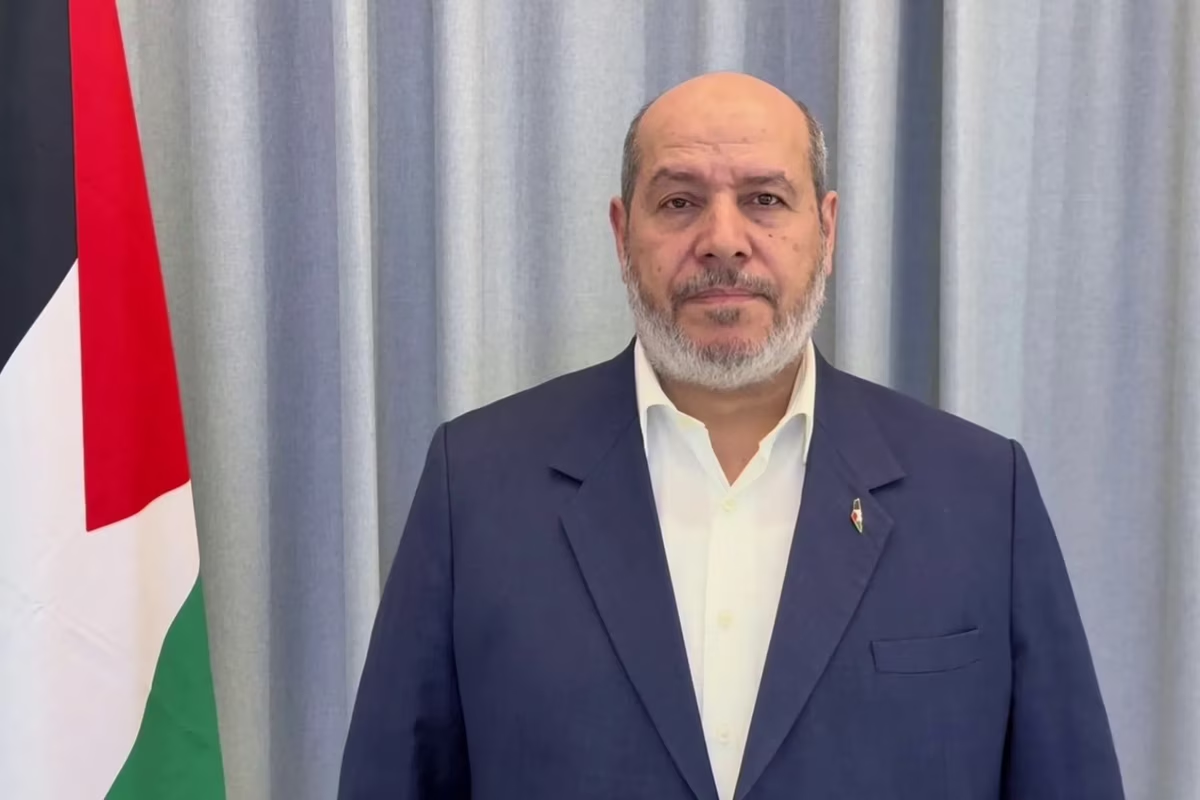
The Egyptian capital, Cairo, is hosting today, Saturday, a series of intensive meetings between Palestinian resistance factions, with the participation of high-ranking leaders from Hamas, Islamic Jihad, the Popular and Democratic Fronts, in addition to the reformist current of the Fatah movement. This political movement aims to formulate a unified national stance before the Hamas delegation engages in discussions with international and regional mediators to discuss the future of de-escalation in the Gaza Strip.
The Hamas delegation, led by Dr. Khalil Al-Hayya, arrived in Cairo on Friday evening, including political bureau members Zaher Jabarin, Ghazi Hamad, and Hussam Badran. This visit comes at a sensitive time, aiming to review the proposed amendments to the previous visions presented by the High Representative for Gaza Affairs, Nikolay Mladenov, in an effort to transition to the second phase of the proposed political plan.
In the context of the consultations, leading sources in the Hamas movement and the reformist current categorically denied reports circulated by some media outlets about granting leader Mohammed Dahlan a role in the administration of the Gaza Strip. The sources affirmed that the issue of Dahlan overseeing a 'technocrat' committee or assuming administrative tasks in the Strip is not on the table at all, neither in the faction meetings nor with international mediators.
A prominent Hamas leader clarified that the movement maintains active lines of communication and interaction with various Palestinian parties, including Dahlan's current, but this does not translate into approval for him to assume any administrative position. He pointed out that previous proposals in this regard were rejected by both the factions and the mediators, emphasizing that the utmost priority currently is to stop the ongoing aggression.
For its part, informed sources revealed that the Egyptian side remains committed to its vision based on forming a national technocrat administration to manage the affairs of the Strip in the next phase. The sources confirmed that Cairo does not welcome the expansion of Dahlan's roles due to considerations related to regional interests and the Palestinian issue, preferring to adhere to the National Committee initiative, which was a purely Egyptian proposal from the beginning.
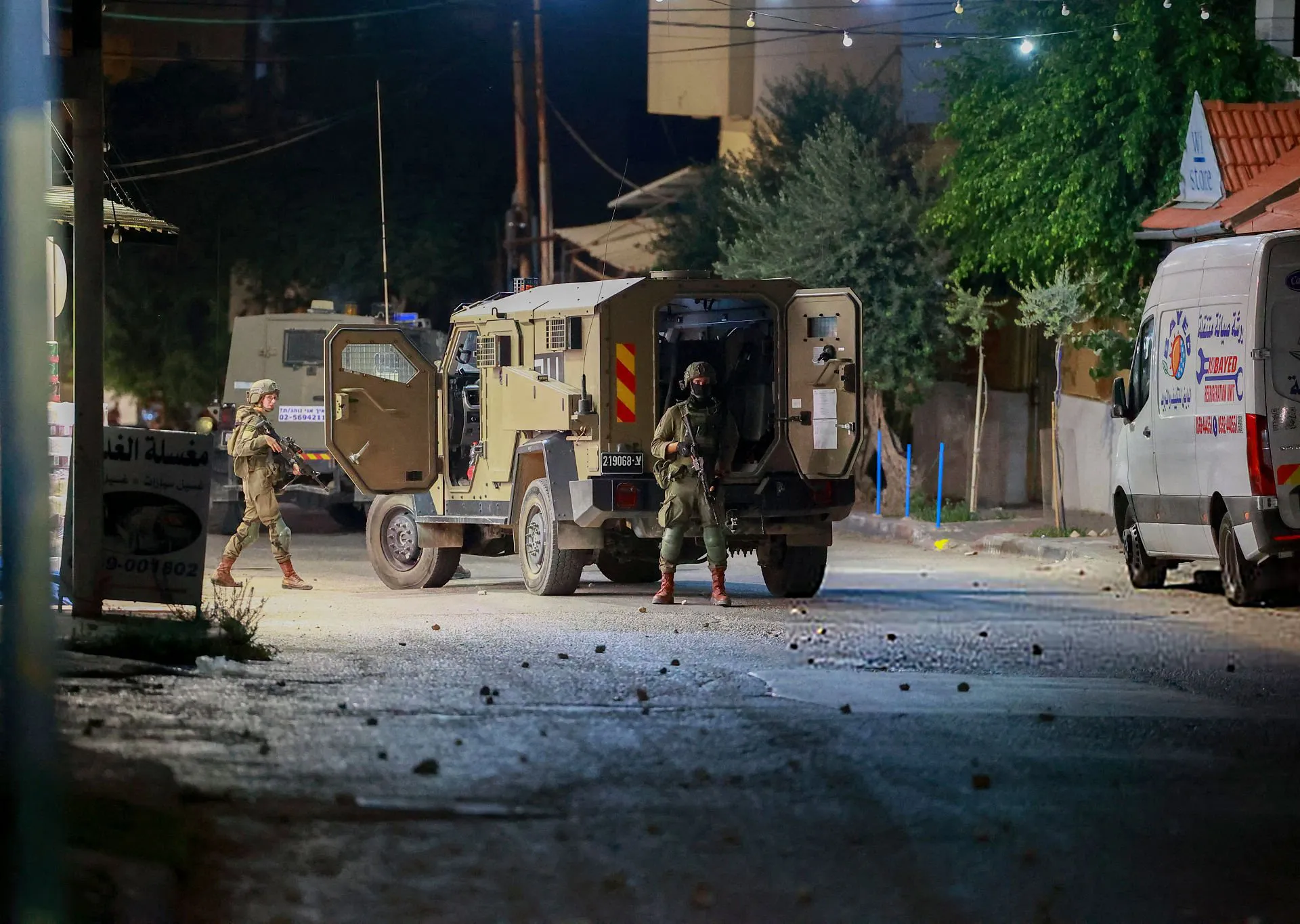
Egyptian diplomacy is currently working on drafting a set of fundamental amendments to present during the current round of negotiations, with the aim of preventing the collapse of the framework agreement in light of the recent Israeli military escalation. These amendments include establishing binding mechanisms for the occupation to stop assassination operations targeting Palestinian cadres, which have resulted in a large number of civilian casualties and clear violations of previous agreements.
The Egyptian proposals also include a clause demanding the withdrawal of the occupation army from areas it classified as a 'red line,' through which it seized about 8% of the Gaza Strip's area in clear violation of the understandings signed last January. This step is considered an essential condition from the mediators' perspective to begin serious discussions about the second phase of the comprehensive ceasefire agreement.
These amendments aim to prepare the ground for the transition to the second phase, which stipulates the withdrawal of Israeli forces beyond the internationally agreed upon 'yellow line.' This phase also includes complex security and administrative arrangements, including initiating procedures for deploying an international stabilization force, which requires full internal Palestinian consensus that the current Cairo meetings aim to achieve.
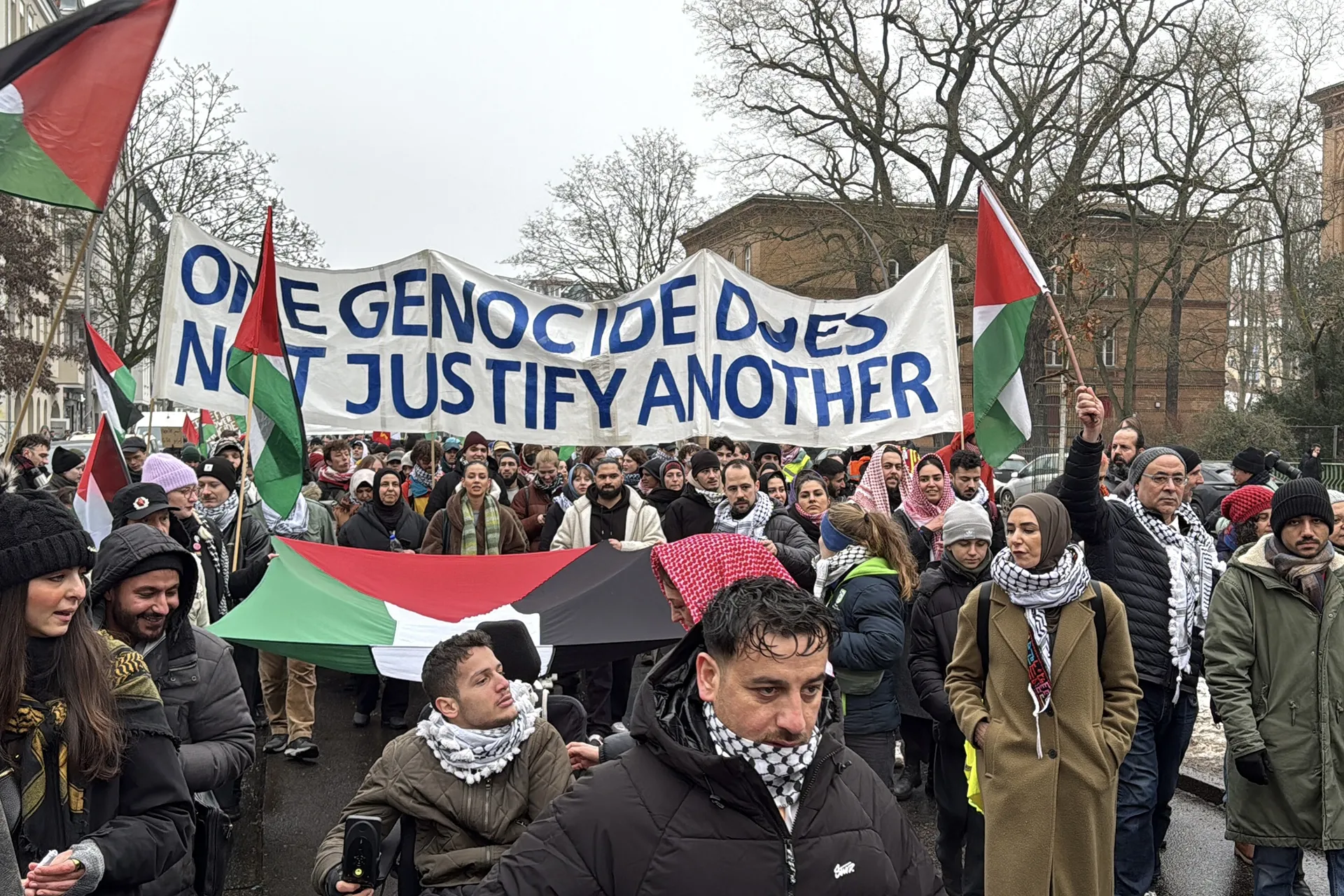
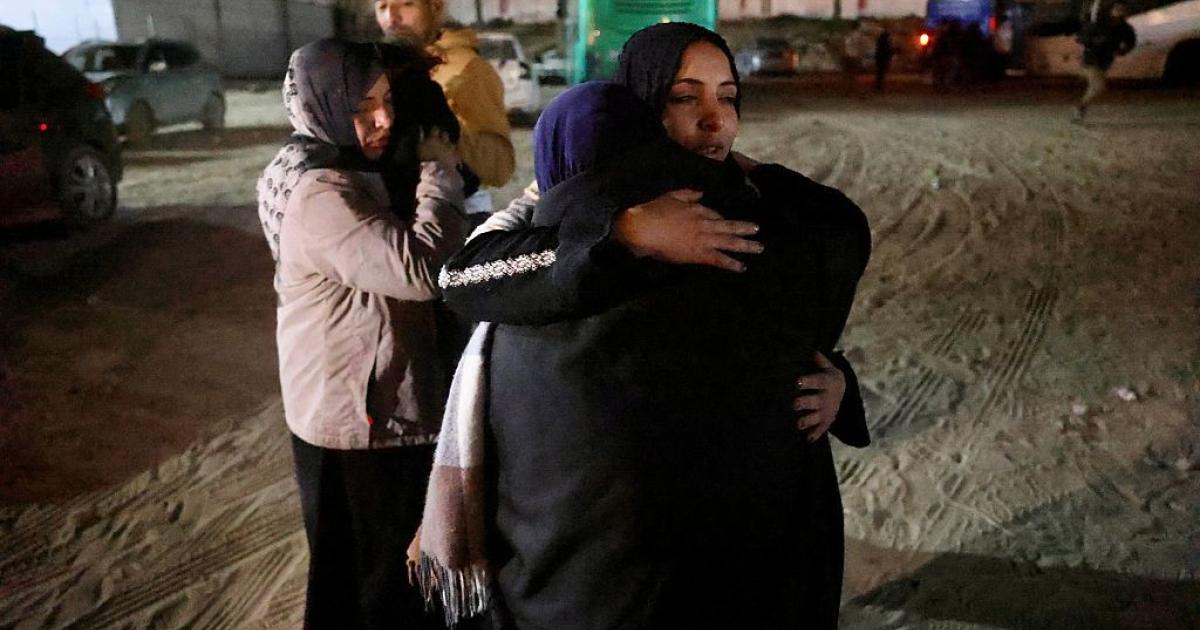
The Palestinian factions emphasize that any progress in the political track must be coupled with real international guarantees from the 'Peace Council' and mediators to ensure the implementation of the first phase's requirements. This stance comes amid a collective Palestinian desire to stop the bloodshed and ensure that Israeli violations, which threaten to collapse the entire negotiation process, are not repeated.
The basis of the Cairo meetings is to obtain real guarantees from the guarantors for the implementation of the first phase's requirements and to stop the daily killings.
شارك برأيك
Political Movement in Cairo: Resistance Factions Discuss 'Unified Vision' for Transition to Second Phase of Gaza Agreement