







The Israeli occupation systematically seeks to link the holy month of Ramadan with concepts of 'violence and terrorism', in an attempt to distort the sanctity of the month and justify its continuous crimes against Palestinians. Israeli media arms work to broadcast content claiming tolerance, while forces on the ground practice the highest degrees of escalation, which was evident in the resumption of the war of extermination on March 17, 2025, which coincided with the middle of the holy month.
Media sources reported that the Israeli security system has completed extensive preparations in the occupied city of Jerusalem, in anticipation of what it described as escalating tension in the West Bank and the Old City. These preparations are centered around Al-Aqsa Mosque, where the occupation fears that large religious gatherings will turn into friction points and direct confrontation with its heavily deployed forces.
Proposed repressive measures include imposing strict restrictions on the ages and numbers of worshipers coming from the West Bank to reach Jerusalem, especially on Fridays. These security recommendations aim to reduce the Palestinian presence in Al-Aqsa Mosque under the pretext of preventing 'disorder', in parallel with a preemptive arrest campaign targeting activists in East Jerusalem.
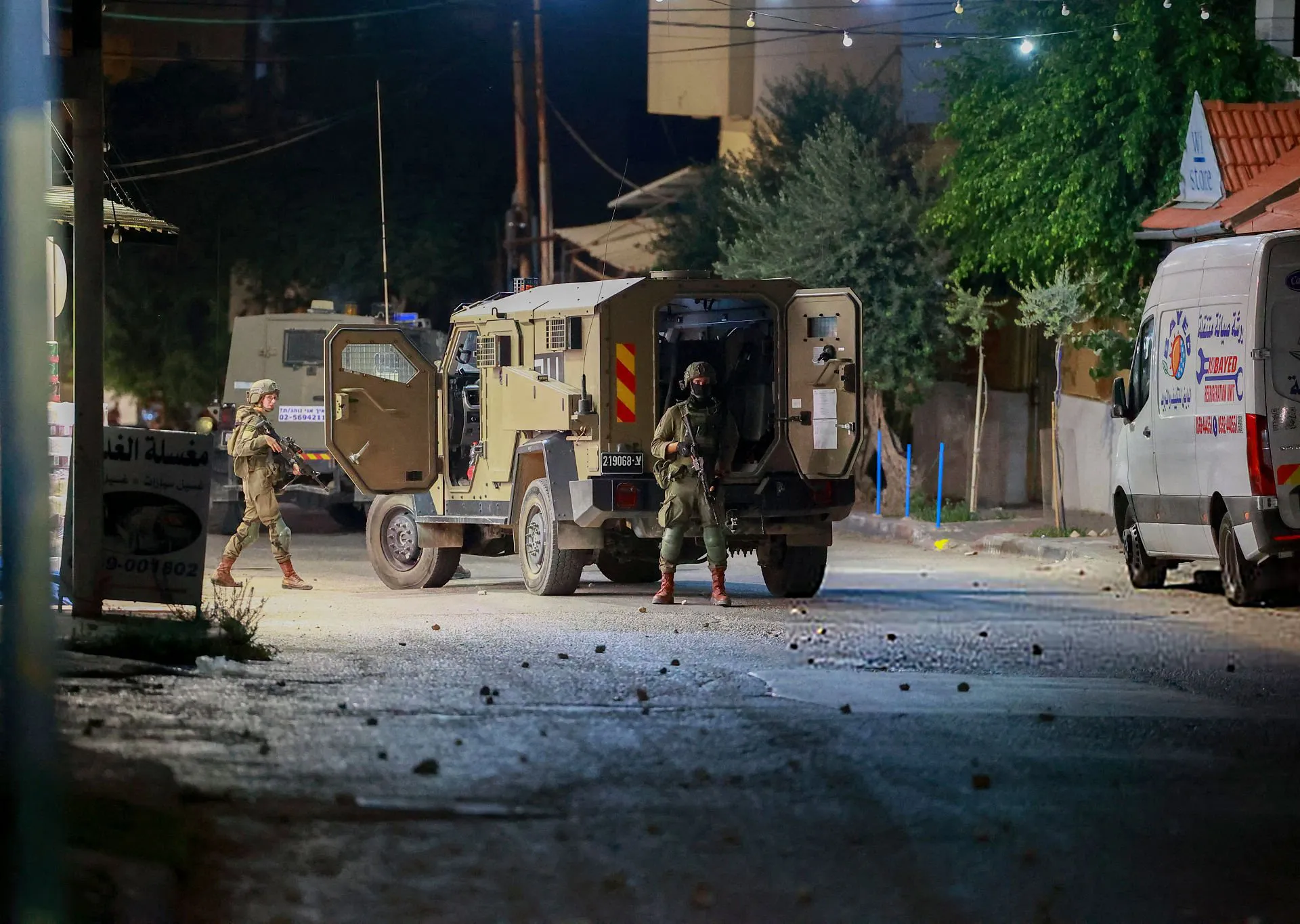
On the ground, the occupation police began closing what it calls 'gaps' in the separation wall, especially in areas north of Jerusalem, Dahiyat al-Barid, and Beit Hanina. Border Guard forces are deployed around the clock to carry out ambushes and thorough vehicle inspections, in a step aimed at preventing any Palestinian who does not hold special entry permits from entering during the sensitive days of the month.
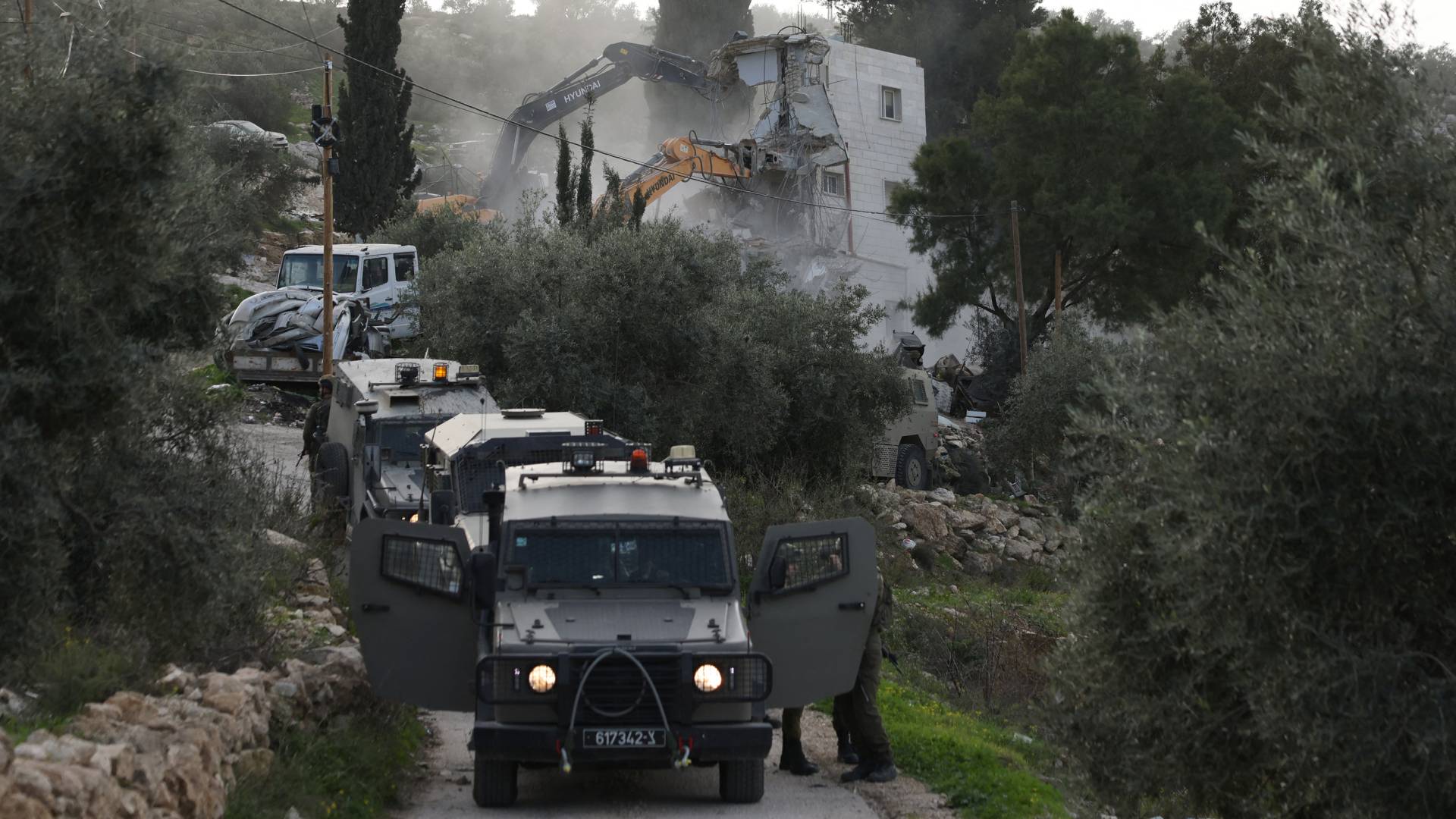
In a related context, Hebrew reports confirmed that the new Jerusalem Brigade commander intends to continue implementing the policies of the extremist National Security Minister Itamar Ben-Gvir, related to demolishing Palestinian homes. Demolition operations and their securing by reinforced forces are expected to continue even during Ramadan, exacerbating the state of tension and popular anger in the holy neighborhoods.
The occupation police face challenges in manpower, especially in the 'Yasam' unit responsible for dealing with protests in the Old City, which prompted it to call up reserve forces and reinforcements from other brigades. Security leaders acknowledge that this year's operational challenge appears complex in light of the ongoing war on Gaza and the escalation of operations in the West Bank.
Inside the occupation prisons, the Prisons Service announced a state of 'high alert', where prisoners were deprived of performing central prayers inside the sections. Rapid response units using motorcycles were created to accompany convoys and secure security prisons, with joint training conducted in Ofer Prison to simulate suppressing any prisoner protests.
Right-wing media outlets adopt a discourse that incites against Palestinian religious and political institutions, claiming that Hamas exploits Ramadan to turn it from a month of worship into a platform for incitement. These reports claim that Israeli intelligence is closely monitoring 'Laylat al-Qadr', alleging attempts to turn it into a time for widespread unrest and sedition.
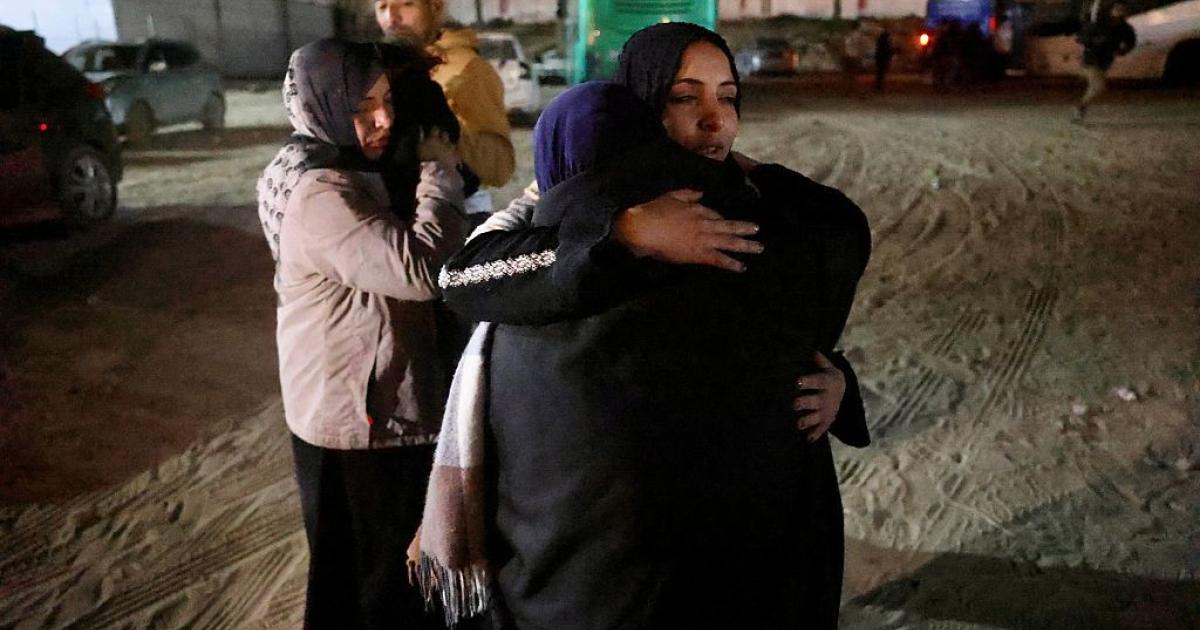
Historically, the month of Ramadan has been associated with a series of bloody Israeli massacres, the latest of which was in March 2025 when more than 413 Palestinians were martyred in raids targeting civilians while they were preparing for Suhoor. These attacks coincided with a complete قطع of communication and internet services, which hampered rescue operations and the documentation of crimes committed against displaced families.
In 2014, the occupation launched the 'Protective Edge' aggression, which began on the tenth of Ramadan and lasted 51 days, committing more than 144 horrific massacres. Among the most prominent of these atrocities were the Shuja'iyya massacre and the UNRWA school, in addition to the famous Rafah massacre that occurred in early August, leading to the martyrdom of hundreds amid complete international silence.
Ramadan 2021 also witnessed the outbreak of the 'Sword of Jerusalem' battle in defense of Sheikh Jarrah neighborhood and Al-Aqsa Mosque, where about 250 martyrs fell during the confrontations. During that war, the occupation deliberately destroyed civilian infrastructure and bombed inhabited residential towers, in a policy of collective punishment that was repeated in all subsequent confrontations.
Since October 7, 2023, the Palestinian territories have entered a tunnel of genocidal war that has not stopped even during holidays and religious occasions. Ramadan 2024 passed under the weight of continuous bombing and hunger, with statistics recording thousands of martyrs and wounded, with thousands more remaining under the rubble amid a suffocating siege.
The occupation's strategy of 'securitizing' the month of Ramadan primarily aims to dehumanize and de-religiousize Palestinians and turn their worship practices into a 'security threat'. Israeli authorities use this description to justify the deployment of thousands of soldiers and turning Jerusalem into a military barracks, which deprives thousands of worshipers of their natural right to access holy sites.
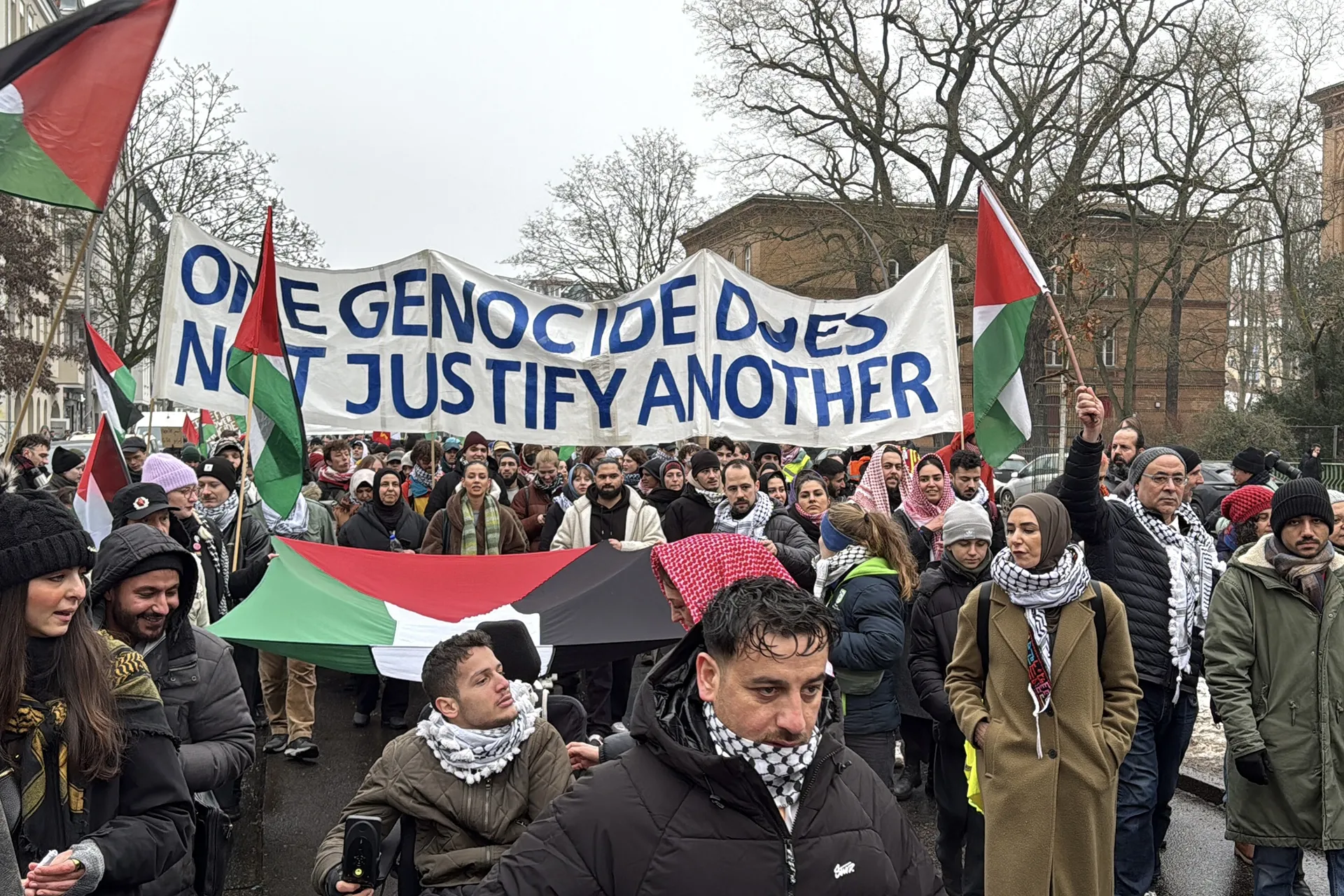
In conclusion, the month of Ramadan remains in Palestinian memory a mixture of steadfastness and pain, where acts of worship intertwine with the sacrifices of martyrs. Despite the occupation's continuous attempts to distort the image of this month through its incitement machine, Palestinians insist on staying in Al-Aqsa Mosque and confronting displacement and Judaization policies by all available means.
The occupation tries to turn the religious occasion into a platform for security incitement to justify policies of oppression, displacement, and home demolitions.
شارك برأيك
Using 'incitement' to justify oppression.. How is the occupation preparing to escalate its violations in Ramadan?