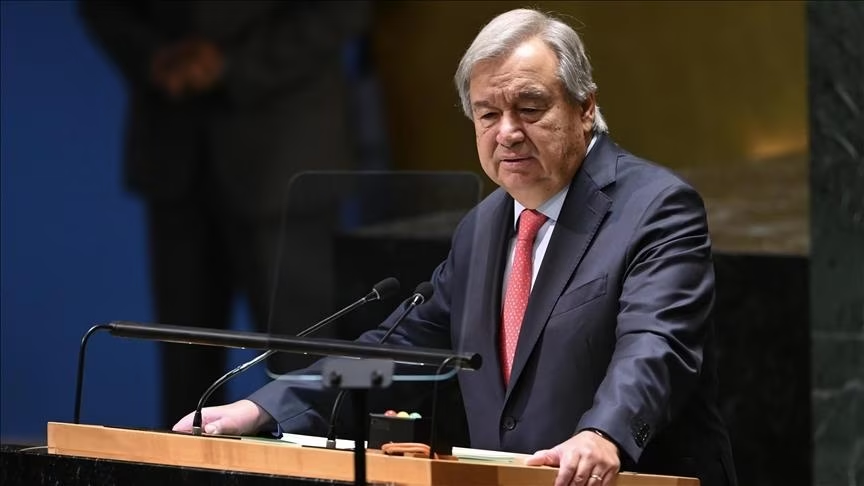







UN Secretary-General Antonio Guterres, in a striking and unprecedentedly sharp statement, declared that the Security Council "no longer represents the world" and has become "ineffective" in performing its primary role of maintaining international peace and security. This declaration was not a fleeting description of a temporary crisis, but a frank diagnosis of a deep structural flaw striking at the heart of the international system, at a moment when destructive wars are proliferating and the ability of international law to curb the logic of force and enforce accountability is declining.
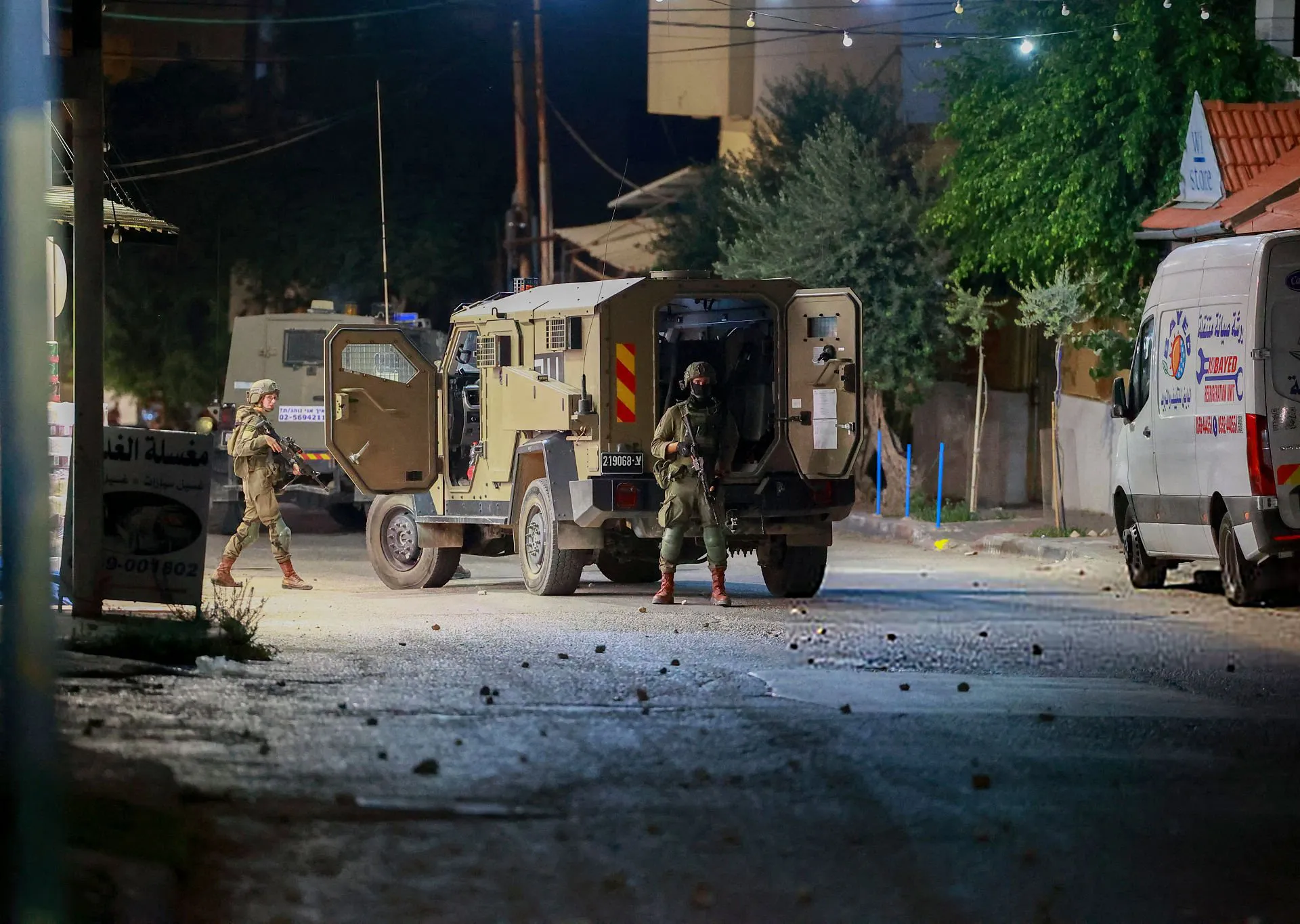
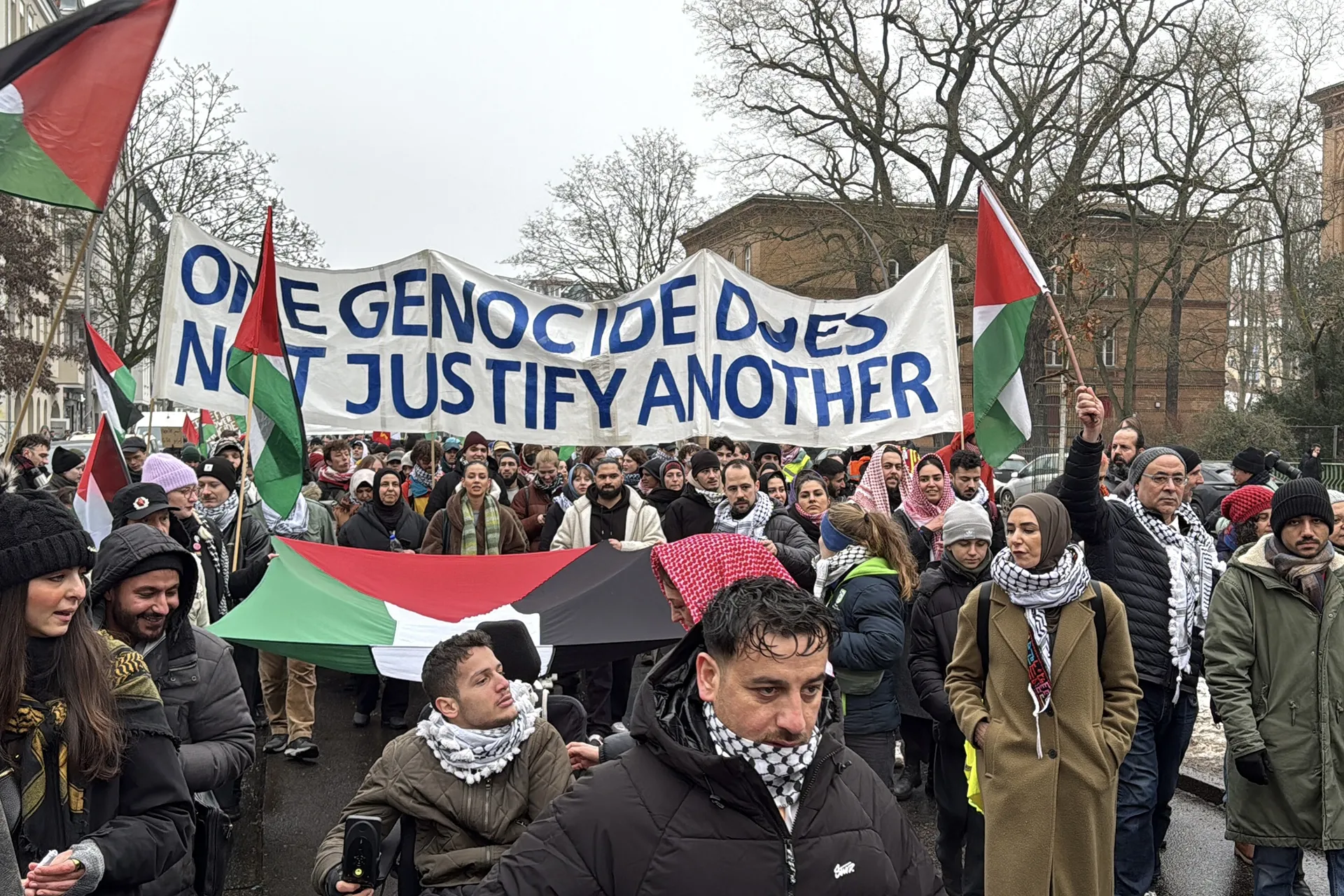
Guterres's words come as the world witnesses a series of open conflicts that have turned into harsh tests for the very idea of collective security. In Gaza, bombing, siege, and starvation continue amidst the Council's inability to enforce a binding ceasefire. In Sudan, the state is disintegrating under the weight of a bloody internal war that largely falls outside the scope of international attention. As for Libya, Yemen, and Syria, their long wars have turned into chronic crises that are managed but not resolved, while the war in Ukraine drains the international system and exposes the limits of deterrence and UN mediation in the face of a conflict between major powers.
In all these cases, the Security Council appears unable to perform its essential role. Resolutions are stalled, projects are vetoed, and statements are watered down to the point of political emptiness. This repeated impotence is no longer an exception, but has become a structural pattern that raises a fundamental question about the utility of the Council in its current form.
Investigating the causes of this paralysis leads directly to the very structure of the Security Council, which remains captive to the post-World War II balances of power. The right of veto, monopolized by five permanent members—the United States, Russia, China, Britain, and France—has transformed from a balancing mechanism into a tool of obstruction. In Gaza, as in Syria and Ukraine, the veto has been used to protect allies or prevent accountability, not to prevent escalation or save civilians.
In recent years, draft resolutions related to ceasing hostilities, protecting civilians, or delivering humanitarian aid have fallen in more than one conflict zone. In Yemen, Sudan, and Libya, crises have been left to fester under slogans of "deep concern" and "calls for restraint," while any real enforcement mechanism has been absent. Here it becomes clear that the Council does not suffer from a lack of reports or information, but rather from direct subservience to power calculations.
The erosion of the international system is not limited to the Security Council's inability to act, but is also manifested in blatant disregard for international law outside its chambers. The attempted kidnapping of Venezuelan President Nicolas Maduro, according to consistent reports, constituted a dangerous precedent carried out in a cross-border security manner, without any regard for the principle of state sovereignty or the immunity enjoyed by heads of state. Notably, this incident was not met with serious discussion within the Security Council nor with clear institutional condemnation, revealing how international law is allowed to be suspended when the violator is an influential party, in a UN silence that amounts to tacit acceptance.
Alongside this functional impotence, a fundamental flaw in representation emerges. The Council does not reflect the political or demographic map of the world whose decisions it affects. Africa, which includes Sudan and Libya and bears the brunt of conflicts, does not have a single permanent seat. The Arab world, which includes Gaza, Yemen, and Syria, is absent from the permanent decision-making center, while Europe retains double representation despite its declining relative global weight.
This flaw in representation undermines the Council's legitimacy and deepens the gap between those who decide and those who pay the price. States and communities experiencing the horrors of destructive wars do not have a permanent voice in the body that determines their fate. As this situation continues, trust in the UN system erodes, and the impression that international law is applied with blatant selectivity becomes entrenched.
Guterres warned that the Security Council's impotence is not confined to its chambers, but reflects on the international system as a whole. When the Council fails in Gaza, Sudan, or Ukraine, states' inclination towards unilateral solutions and alliances outside the UN framework increases. Thus, the logic of collective security recedes in favor of policies of deterrence and force.
Despite repeated calls for Security Council reform, whether through expanding permanent membership or restricting the use of the veto in cases of major crimes, progress remains almost non-existent. Reform is contingent on the approval of the five permanent states, i.e., the very powers that benefit from the existing paralysis, making change indefinitely postponed.
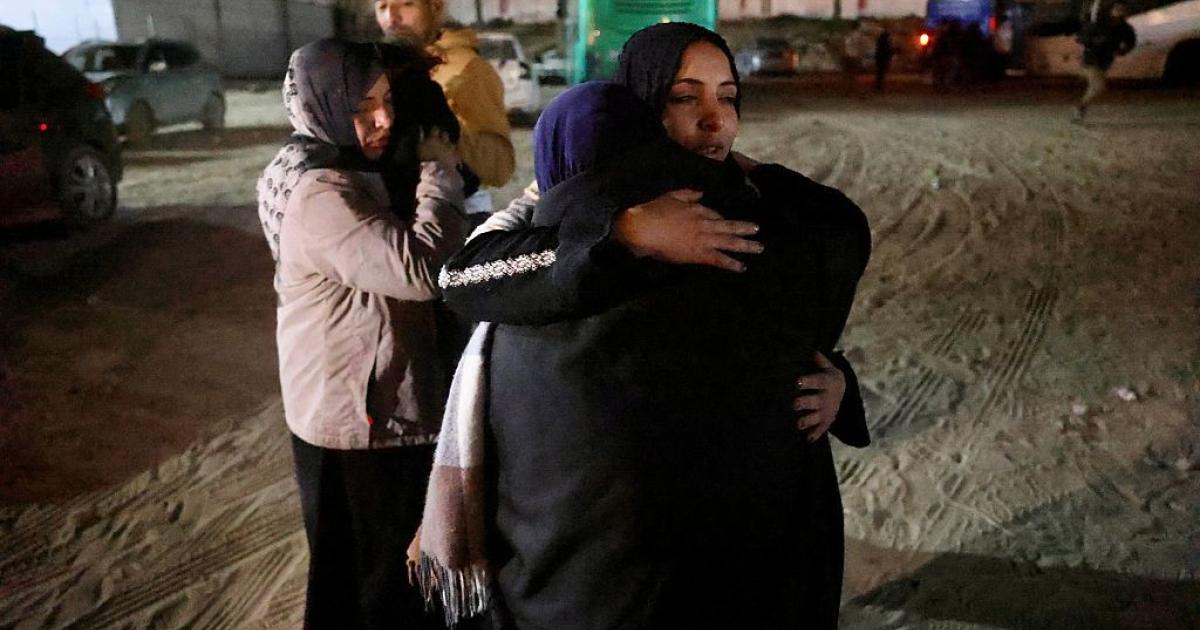
The moral impact of this stagnation is no less serious than its political impact. In Gaza, Yemen, Syria, and Sudan, failure is not measured by the number of postponed resolutions, but by the number of lives left unprotected. And when the highest international body is unable to stop the bleeding of civilians, it gradually loses its ability to claim moral authority.
The conclusion is that the Security Council's crisis is not in an exceptional circumstance, but in a structure that produces and reproduces impotence. Either the Council is rebuilt to reflect today's world and limit the privilege of the veto, or it will continue to erode until it completely loses its role. Then, the wars in Gaza, Sudan, Libya, Yemen, Syria, and Ukraine, and the precedent of the kidnapping of a sovereign head of state, will not be mere isolated events, but permanent symptoms of the collapse of an international system that failed to reform itself.
شارك برأيك
Guterres's declaration that the Security Council no longer represents the world, an admission of the international system's failure