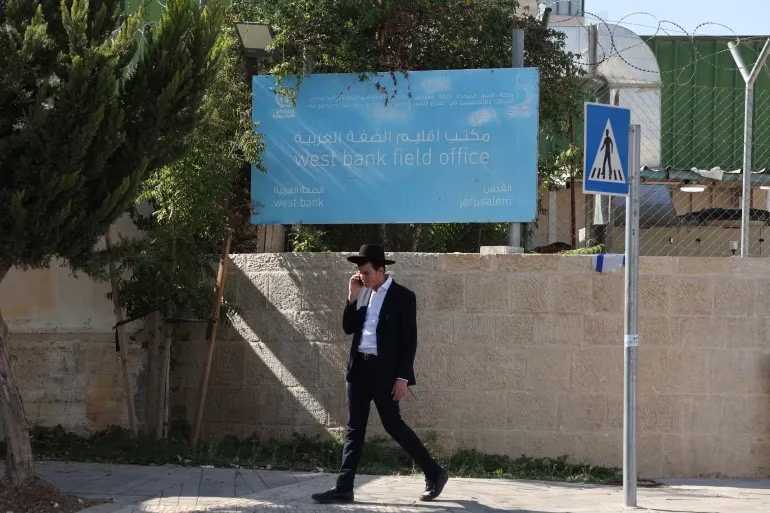







The cut-off of electricity and water to the buildings of the United Nations Relief and Works Agency for Palestine Refugees (UNRWA) in Jerusalem not only threatens the administrative workflow but also affects the rights of thousands of refugees whose daily lives depend on the agency's services. As part of practical steps to implement Knesset (Israeli Parliament) laws that banned the agency's work in "Israel," the latest of which was the final approval last Monday of a bill to cut off electricity and water to its offices, UNRWA was effectively notified of the cut-off of both services to its buildings in East Jerusalem.
This measure contradicts Israel's obligations as an occupying power under international humanitarian law, which guarantees the protection of humanitarian institutions and prevents obstruction of their work or the use of essential services as a tool of collective pressure. The notice delivered by the Israeli water and sewage company "Gihon" to the international agency stated that water service would be cut off within 15 days because the registered consumer name for the properties is UNRWA, while the Jerusalem District Electricity Company (Palestinian) notified the agency that it would refrain from providing electricity service to 10 of its facilities in Jerusalem, and that its name would be removed as a beneficiary or subscriber to this service.
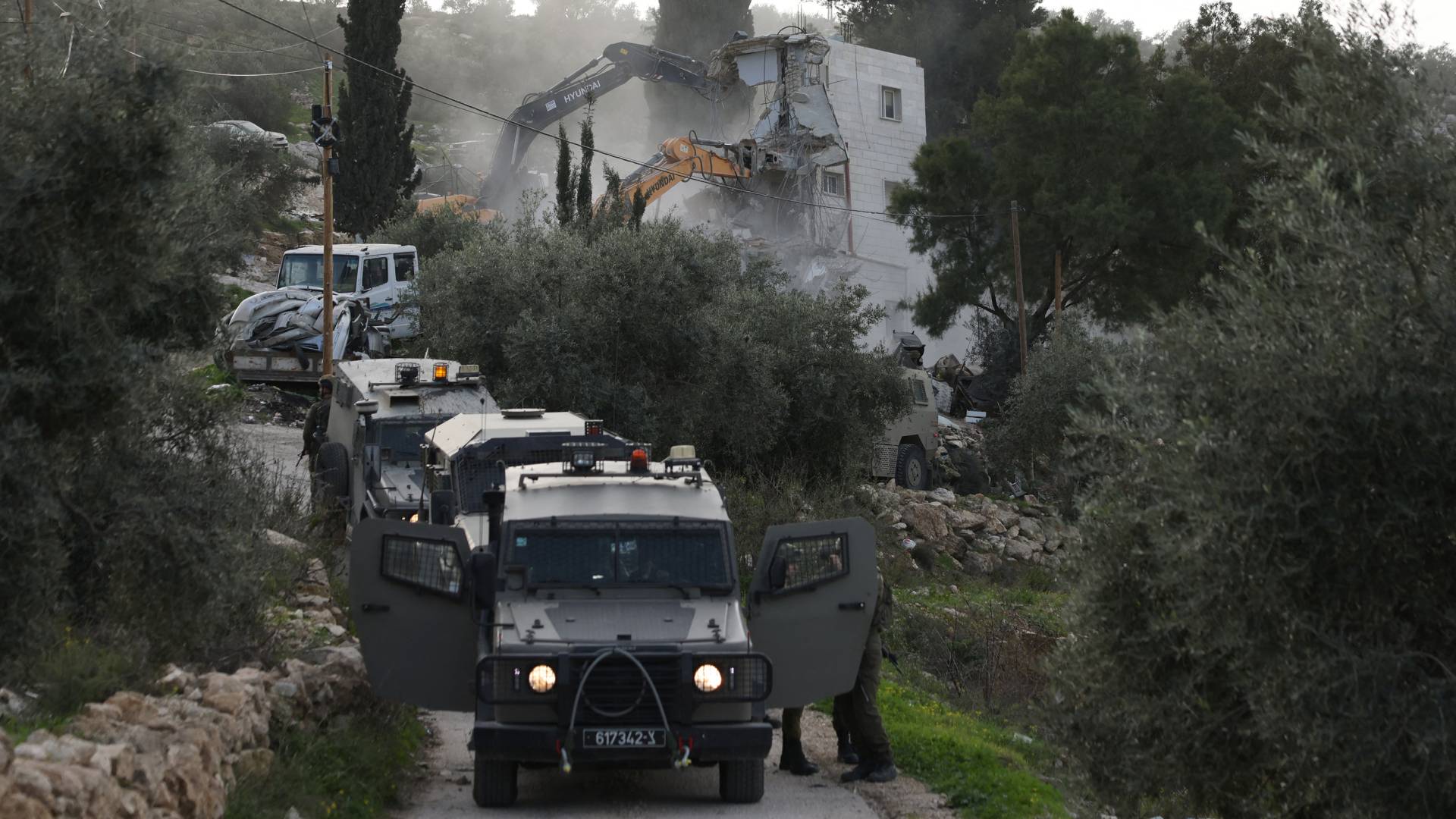
On Monday, occupation forces stormed UNRWA's health clinic in the Old City, known among Jerusalemites as "Al-Zawiya," and demanded the removal of UN signs. "This raid was followed by a temporary closure order against the health center for 30 days, and it may never reopen," according to Roland Frederick, UNRWA's Director of West Bank Affairs, in a tweet on the "X" platform.
Abeer Ismail, the agency's media office director, told sources that the measure of cutting off electricity and water services includes all UNRWA facilities and buildings in East Jerusalem, including the administrative headquarters in Shuafat refugee camp, in addition to 3 schools, the health clinic, and the waste compactor.
According to the spokesperson, outside the camp, it also includes the health clinic in the Old City of Jerusalem, and two schools belonging to the agency in Silwan and Sur Baher, in addition to the presidency headquarters in Sheikh Jarrah and the Qalandia Training Center.
In addition to all staff in these facilities being affected, especially health staff, as the agency is currently working to transfer them and their patients to the nearest health point belonging to it in Jerusalem governorate, 16,419 refugees registered with UNRWA in Shuafat camp, out of 80,000 living there, will be affected by the new measure, according to the media office director, as well as 120 to 150 patients who visit UNRWA clinics daily in both the Old City and Shuafat camp.
"We are also talking about 4,741 children registered in UNRWA records in Shuafat camp, about 1,000 of whom received their vaccinations at the camp clinic, and 600 received their education in its three schools. All of these were deprived of learning inside the camp this academic year after the schools were closed, and 800 elderly people will also be deprived of treatment at the camp clinic," added the agency's media office director.
The international agency serves 192,000 refugees in Jerusalem governorate, and Abeer Ismail confirms that none of its facilities can operate without electricity and water services, adding that staff are subjected to harassment, and many of them have been detained and interrogated during raids by Israeli security forces on the headquarters.
She concluded by saying, "We are trying to deliver services to refugees as much as possible, but it is very difficult."
Roland Frederick, UNRWA's Director of West Bank Affairs, described the raid as "disgraceful" in a post on the X platform, referring to a center that has received support from member states for decades and has been visited by many of them, adding that all of this portends a rapid shrinking of the UN's presence in occupied East Jerusalem.
He stressed that these disgraceful tactics are part of an ongoing campaign by the Israeli authorities to prevent UNRWA from fulfilling its mandate granted by the UN General Assembly in occupied East Jerusalem, which is not under Israeli sovereignty, noting that the application of Israeli law to it is illegal.
He mentioned that the International Court of Justice ruled in October 2025 that Israel is obligated to facilitate UNRWA's relief operations, yet the current measures are precisely the opposite, and if these amendments are implemented, they indicate the approaching end of UNRWA's operational presence in East Jerusalem, which has spanned decades.
These developments come yesterday following amendments introduced in December 2025 to anti-UNRWA Knesset laws.
The Knesset General Assembly voted in the second and third readings on October 28, 2024, on the first law, which stipulates preventing UNRWA from carrying out any activities within "areas under Israeli sovereignty," withdrawing privileges and facilities from it, and preventing any official Israeli contact with it.
The law obliges the international agency not to operate any representation, and not to provide any services or any activities directly or indirectly from within "Israel's sovereign areas."
The second law stipulates that privileges obtained by the agency under exchanged letters between it and Israel in 1967, which address the facilities approved by the Israeli government regarding UNRWA's functions, do not apply, and also stipulates that no Israeli authority shall make any contact with UNRWA or any party on its behalf.
This measure contradicts Israel's obligations as an occupying power under international humanitarian law, which guarantees the protection of humanitarian institutions.
شارك برأيك
Who is affected by the electricity and water cut-off to UNRWA institutions in Jerusalem?