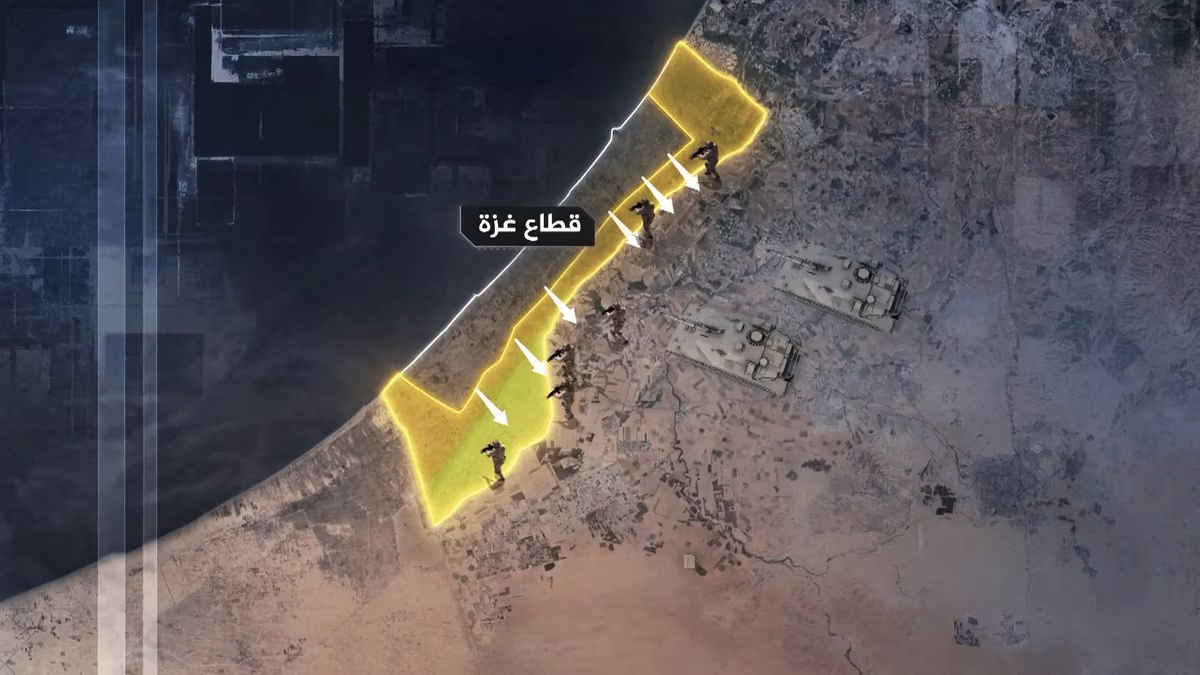







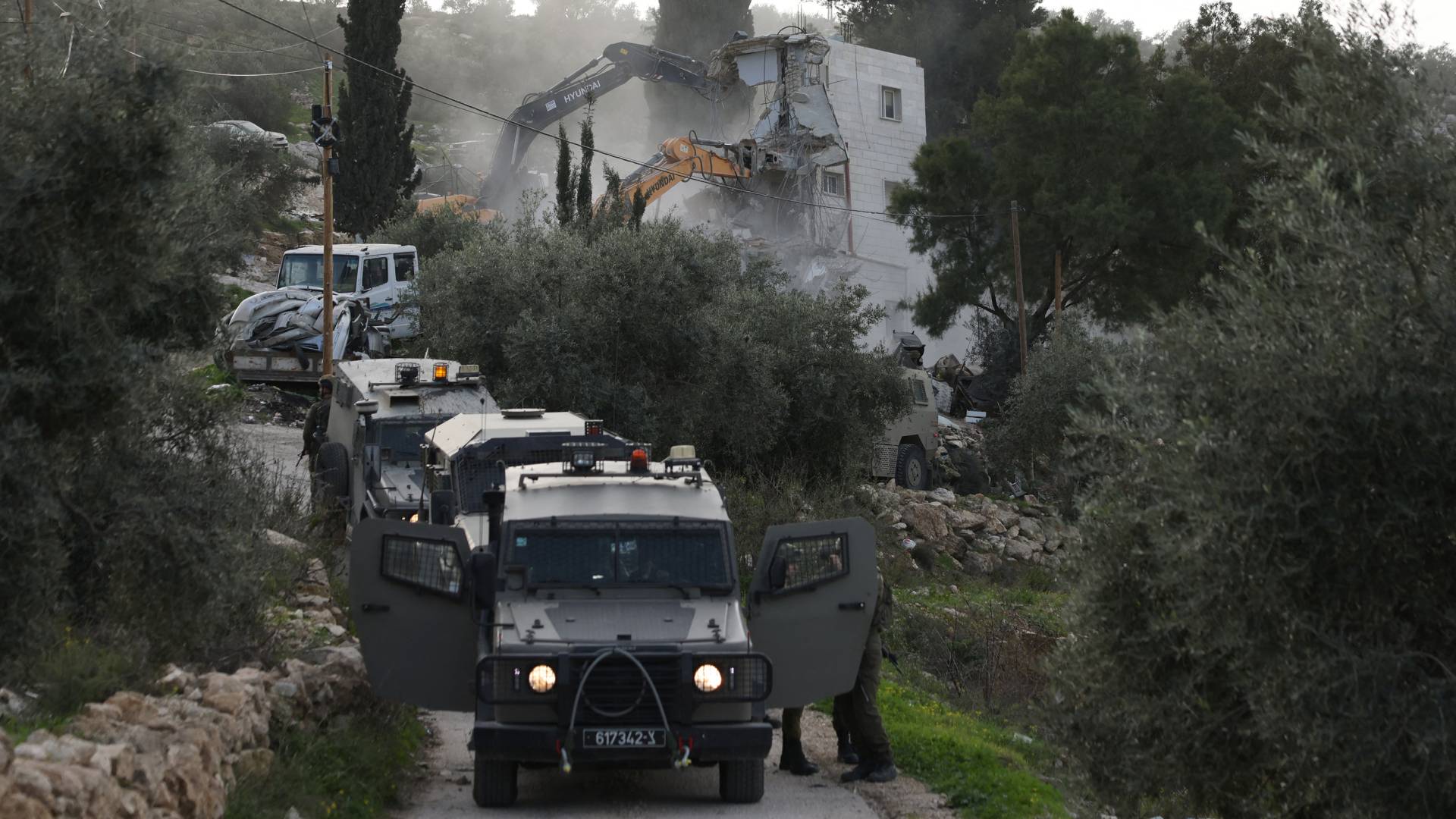
The announcement by the Israeli occupation army to end the 'mopping up' behind the 'yellow line' reflects a shift in its field presence pattern in the Gaza Strip, and opens the door to questions about the nature of the upcoming control over the land, and the extent to which this step is linked to the path of the second phase of the war cessation agreement.
The 'yellow line' separates the part of Gaza controlled by the Islamic Resistance Movement (Hamas) and the buffer zone controlled by the occupation army, which represents 53% of the Gaza Strip's area, and was marked on the ground using yellow concrete blocks.
Militarily, the term 'mopping up' is used to refer to an organized inspection operation of areas after gaining control over them. Its conclusion usually indicates a transition from a dense military presence to a less intense control pattern, based on monitoring and limited intervention, while keeping forces capable of moving when necessary.
The Israeli announcement may mean -according to observers- a possible transition from one military phase to another, without necessarily implying withdrawal from the areas it entered.
According to the International Institute for Strategic Studies, the end of the Israeli mopping up may entail 3 possible paths, as Israel may relatively reduce its ground forces and redeploy them on the outskirts.
Likewise, it may change the combat pattern by relying on qualitative operations, such as air raids and targeted strikes, instead of direct occupation, and the announcement may also pave the way for an Israeli vision based on establishing a 'security strip' inside the sector, while maintaining military movement freedom within it.
This shift reveals speculations related to the second phase of the agreement, as media reports indicate the possibility of reducing deployment points inside neighborhoods, in exchange for tightening control over vital axes, such as roads and areas that ensure surveillance. It is also expected that Israel will adopt a policy of raids instead of permanent stay.
This may reflect on the movement of civilians, which may expand formally but remain confined to limited areas.
These options may also limit the freedom of movement of aid trucks, by keeping them at specific points that prevent them from reaching all those in need, at a time when the continuation of raids or targeting means that the level of danger remains high.
From another angle, the idea of the 'security strip' proposed by Israel may fall within its efforts to 'raise its defensive readiness' for the towns located in the Gaza envelope.
Politically, observers see that the announcement to end mopping up, coinciding with the ongoing discussions in Miami in the United States, sends a signal to the mediators that may contribute to pushing forward the implementation of the second phase.
But this announcement may at the same time constitute a negotiating pressure tool, through which Israel shows its procedural support for the mediation path without conceding its conditions or its vision for the shape of its future presence in Gaza.
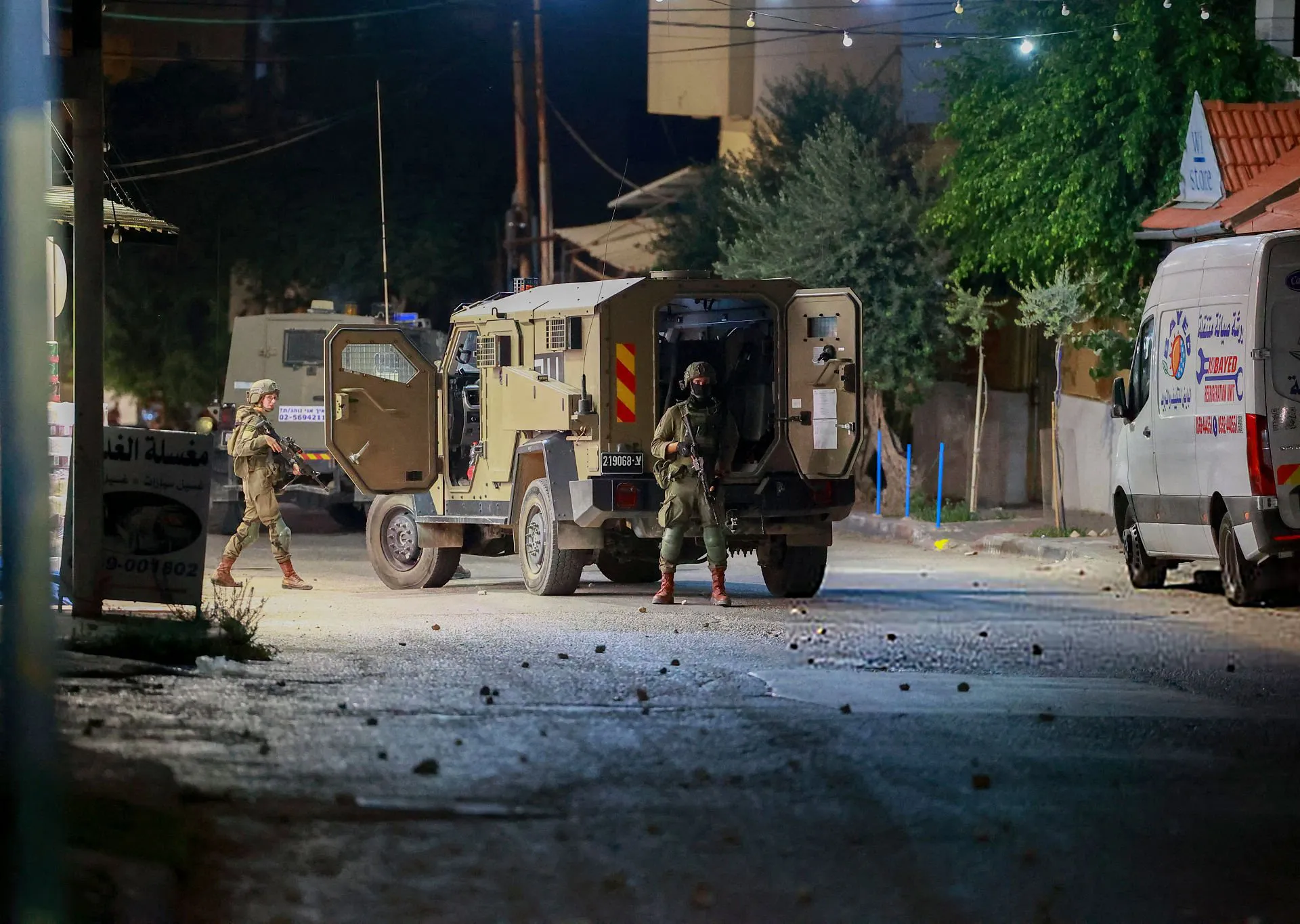
With the ceasefire agreement taking effect on October 10 last year, the occupation army partially withdrew to the 'yellow line', but it targets Palestinians around the line in violations that have left about 400 martyrs, according to official sources in the sector.
Militarily, the term 'mopping up' is used to refer to an organized inspection operation of areas after gaining control over them. Its conclusion usually indicates a transition from a dense military presence to a less intense control pattern.
شارك برأيك
Israeli Occupation Army Announces End of 'Mopping Up' Behind the 'Yellow Line'.. Shift in Field Presence Pattern