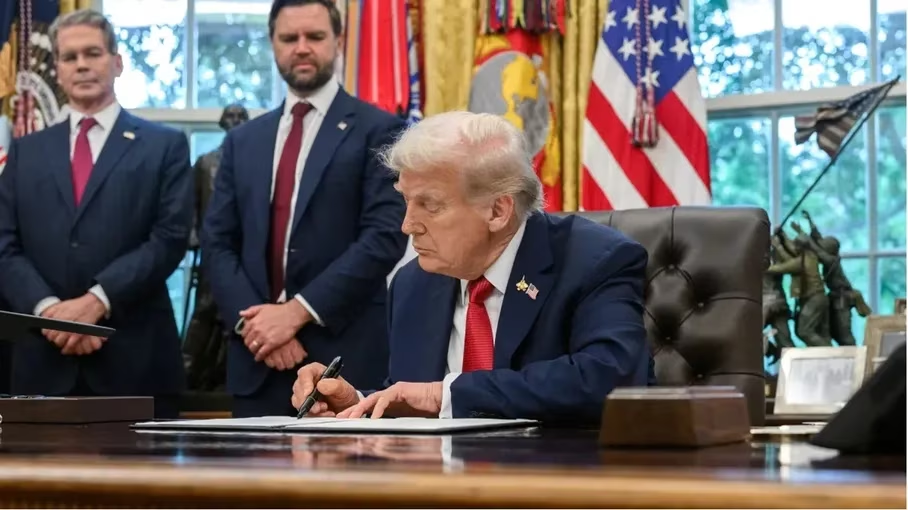







Political developments are accelerating regarding the formation of the Peace Council that will oversee the reconstruction of the Gaza Strip, but member states are facing difficulty in obtaining commitments for the international stabilization force. While Italy indicates its readiness to send police forces and soldiers to Gaza, it demands clarification on the mandate granted to this force. As for the occupying state, it links progress to the return of the body of its last killed in Gaza.
Yaqoub Majed for International Affairs mentioned that "the United States has informed its allies that it has obtained commitments from Egypt, Qatar, the United Arab Emirates, Britain, Italy, and Germany, whereby their leaders will join US President Donald Trump in the Peace Council, which will oversee the management of the Gaza Strip after the war, as reported by four sources familiar with the details. These countries' commitments, including major actors in the Middle East and Europe, provide vital international support for Trump's administration's efforts to advance the President's peace plan in Gaza, going beyond the first phase of the ceasefire."
Majed added that "the readiness of these countries to join the Peace Council does not necessarily guarantee further support from them. Nevertheless, the United States hopes that the broad and high-level membership in the Peace Council will enhance the international legitimacy of the initiative and increase the willingness of other countries to contribute funds, forces, or other forms of assistance. In this regard, the United States is working to add about six other leaders to the committee chaired by Trump, including Crown Prince Mohammed bin Salman and Turkish President Recep Tayyip Erdoğan."
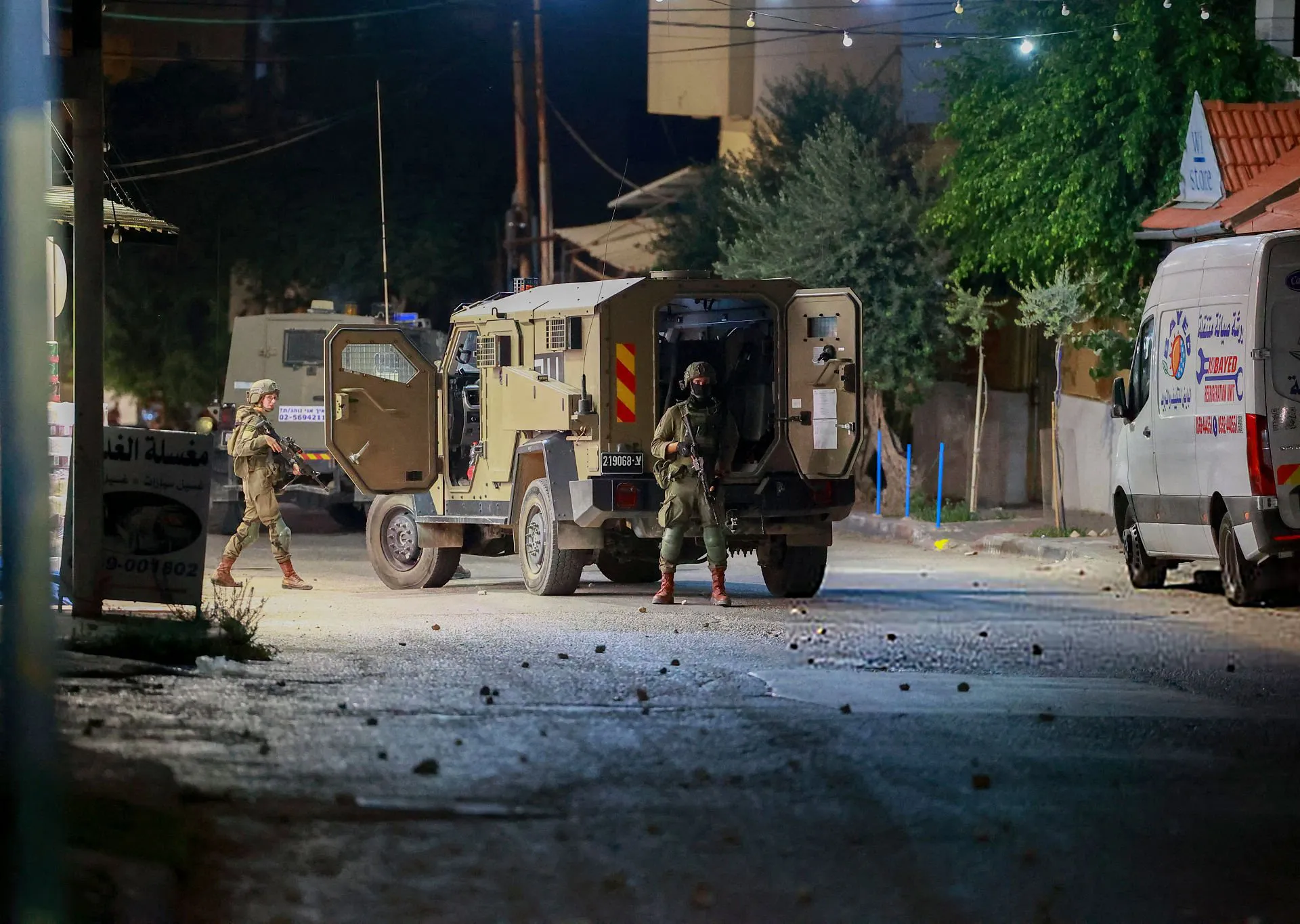
The correspondent confirmed that "attention is turning to Riyadh and Ankara, to the extent that Trump publicly stated during bin Salman's visit to Washington that he hopes the de facto ruler of Saudi Arabia will join him in the Peace Council. Riyadh has refrained from making a decision on this issue until the situation in Gaza becomes clearer, as Hamas insists on retaining its weapons, while Israeli forces launch attacks on Palestinians who cross the ceasefire line almost daily since the fragile ceasefire agreement was signed on October 9."
Majed explained that "bin Salman's joining the Peace Council is welcomed in Tel Aviv, which still opposes Ankara's involvement in managing the sector, especially the international stabilization force that is supposed to gradually replace the army in the sector. Pressure is expected to escalate in the coming weeks to convince Tel Aviv to back down from its strong opposition to Turkish intervention in Gaza after the war. The goal is to reach a compromise whereby Erdoğan becomes a member of the Peace Council, or Ankara participates in the command structure of the international stabilization force, even in the absence of Turkish forces on the ground."
He pointed out that "obtaining commitments from countries to send forces to the international stabilization force has proven to be a much more complex task than merely adding countries to the Peace Council. Countries are still demanding more clarity on the force's mandate, and there is widespread concern given the fighting conditions on the ground. Washington sought to dispel some of these fears in a conference hosted by the US Central Command (CENTCOM) in Doha, where it presented its vision for the international stabilization force to representatives from dozens of countries likely to contribute support. Five paths for participation in the international stabilization force were presented: sending forces, law enforcement elements, logistical support, training Palestinian police, or financing."
Majed explained that "the meeting provided more details on the size of the force, its composition, command structure, and some elements of its mandate. There are still more complex issues such as the disarmament of Hamas. The resolution promoted by the United States in the UN Security Council stipulates that the international stabilization force 'will ensure' the disarmament of Gaza, but it clarified that it does not expect the deployment of Israeli forces in the first phase in the western half of the Gaza Strip, the red zone, currently under Hamas's effective control."
He confirmed that "instead, the United States is interested in initially deploying Israeli forces along the 'yellow line', to which it withdrew at the start of the ceasefire in October, which will give it control over about 53% of the sector. Washington also clarified to potential donors that it does not expect Israeli forces to engage in direct conflict with Hamas to disarm it, but rather to agree to a framework for gradual disarmament, an arrangement that is still in its early stages."
These Israeli lines coincide with the circulation of talks about initial approvals from Italy, Azerbaijan, and Indonesia regarding the possibility of joining the international forces in Gaza, demanding more clarifications on their mandate before officially agreeing to join. Although the Peace Council is a symbolic body, it is expected that the actual responsibility for management and supervision will fall on a mid-level executive committee, which allows more time to wait for ongoing developments in the region to know their outcomes.
The United States has informed its allies that it has obtained commitments from Egypt, Qatar, the UAE, Britain, Italy, and Germany, whereby their leaders will join US President Donald Trump in the Peace Council.
شارك برأيك
Rapid developments regarding the formation of the Peace Council for Gaza reconstruction and the international stabilization force