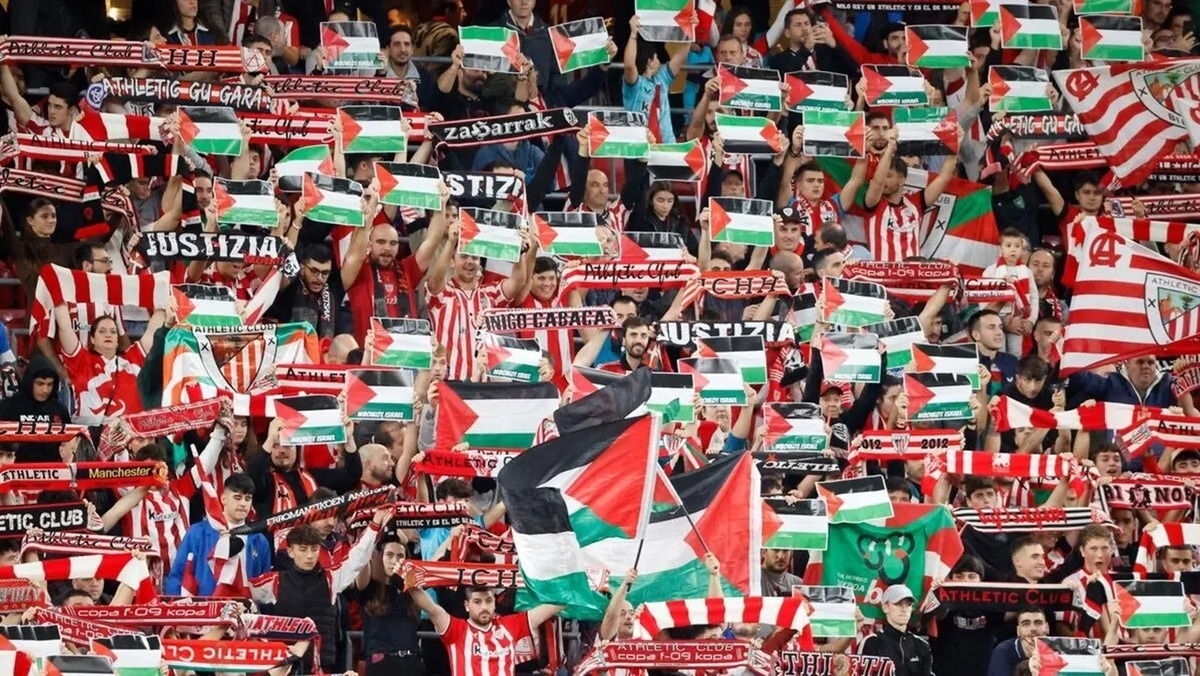







The European continent has witnessed positive qualitative transformations in recent months towards a degree of fairness for the Palestinian cause, as well as a denunciation of the genocidal massacres and ethnic cleansing perpetrated by the Israeli occupation state and its soldiers over the past two years without pause. More than a quarter of a million Palestinians from Gaza have fallen victim to these brutal crimes, including martyrs, injured, and missing, according to statistics from the local health ministry in Gaza.
The various political positions expressed by a significant European bloc in terms of numbers and impact have created unprecedented supportive atmospheres for Palestine, pushing the occupying state into degrees of retreat and even a degree of isolation that it did not anticipate over the past decades since its establishment and the Nakba of Palestine, during which strategic relationships and harmony with European Union countries prevailed.
Spain and Ireland stand out with their clear positions against the actions of the occupying state, representing a spearhead in the forefront of explicit stances aimed at stopping the aggression. Their deteriorating relations with the occupying state have reached the point of recalling ambassadors and taking punitive measures, preceded by the recognition of the State of Palestine and movements in all directions towards escalation.
One of the most prominent steps was the call by Irish President Michael Higgins to exclude Israel from the United Nations. Alongside this, Belgium and Slovenia have also recognized Palestine, followed by a wave of recognition last month (September) from several countries, led in a qualitative and historical manner by France and the United Kingdom.
In another direction, significant events occurred in the Netherlands, including the resignation of eight ministers from the Dutch government in July due to the government's stance on the Palestinian cause and support for the occupying state.
Prior to this, in May, the Netherlands changed its position by submitting a request to the European Union to reconsider the strategic partnership agreement and insisted on that, which created a real rift within the corridors of the European Union countries.
Many factors have contributed, to varying degrees, to the European countries leaning towards opposing the practices of the occupying state; these include political factors with local, continental, and international dimensions, as well as legal and humanitarian reasons.
The open media and the transmission of events and crimes committed in Gaza have made the massacres unprecedented in history in terms of their precise documentation and the speed of their details reaching the world (without embellishments), making them prominent in global media coverage.
The prolonged duration of the war has forced aggressive policies to assert themselves on all levels in Europe, whether political, popular, legal, or media-related, which has fueled popular demonstrations and reflected on politicians, influencing them and changing their positions.
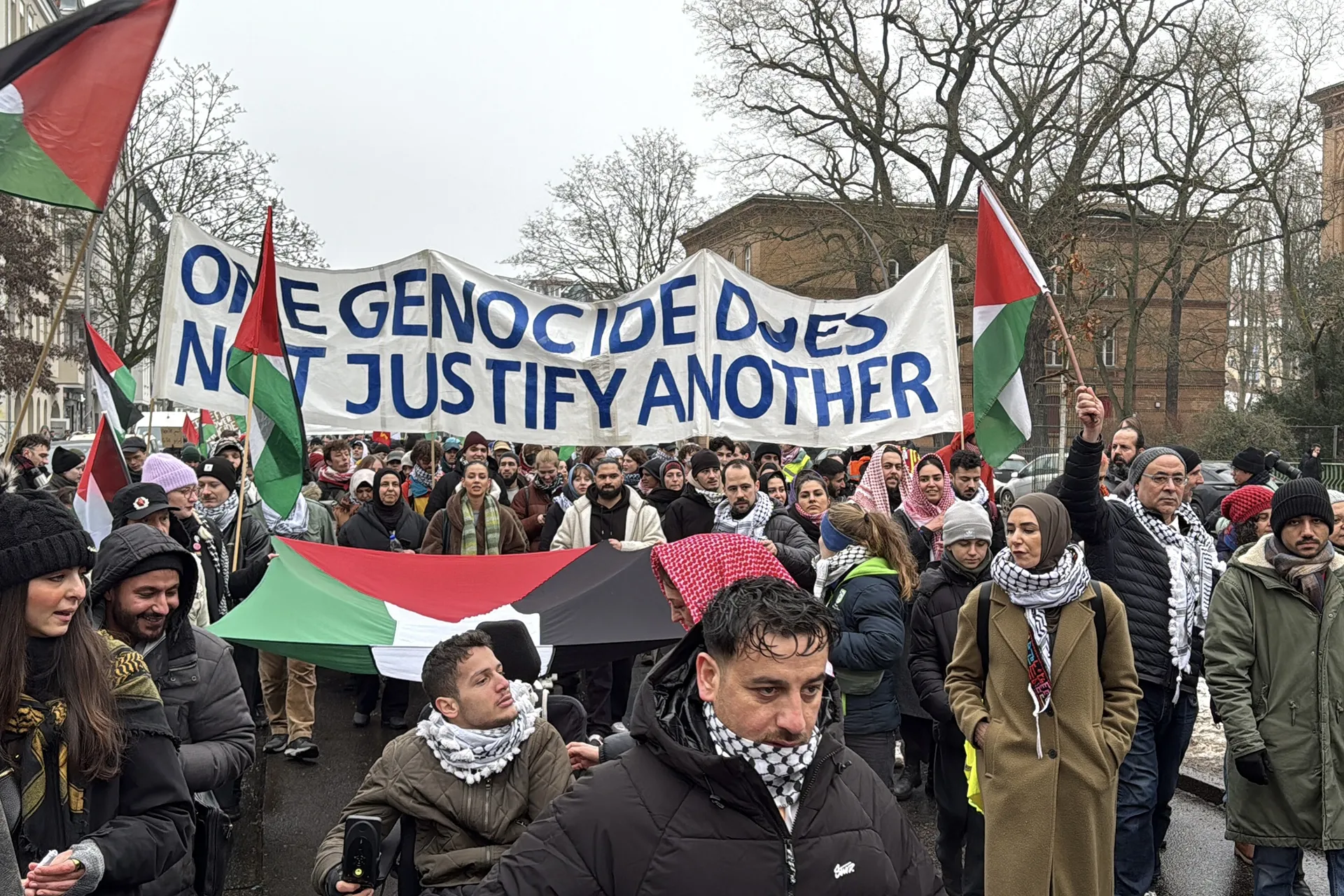
During the two years of aggression against Gaza, the European continent witnessed massive, ongoing, and diverse demonstrations, in terms of participants from various religious, political, and ethnic backgrounds, as well as different age groups and professional specializations.
Statistics released a few days ago by the European Palestinian Media Center indicate that the number of demonstrations and events has exceeded 45,000, taking place in nearly 800 cities across 25 Western European countries throughout the past two years of ethnic cleansing aggression.
A quick review of images of the roaring crowds that filled the streets of major Western capitals, such as Berlin on the 27th of last month, shows that they exceeded one hundred thousand participants, as was the case in Rome on the 4th of this month, with an estimated quarter of a million demonstrators.
On the same day in Madrid, organizers estimated half a million participants, and the following day in the Dutch capital during the red line march (the third of its kind), the numbers exceeded a quarter of a million.
This can create interactive numbers for European politicians supporting the occupying state, pushing for real shifts in political positions in response to these pressures, which have had an impact on electoral voices.
These were present and noticeable in the ballots and indeed reflected in the election results, albeit to varying degrees, as seen in the UK with the victory of the Labour Party and in France with the rise of the left, especially the France Insoumise party.
Also in Northern Europe (Denmark and Sweden), with the presence of Palestinian, Arab, and Muslim minorities and leftist coalitions that produced noticeable results in both the European and local parliaments in both countries.
What enhances the political permeability of the clear public solidarity with Palestine and against the aggression on Gaza are the local electoral calculations in many countries, most notably France, which saw its government fall a few days ago.
President Macron surpassed the winning coalition in the elections with the highest votes in the July elections of last year, which was the left, specifically the France Insoumise party, to appoint a government close to the president in contradiction to that.
شارك برأيك
Motivations of European political transformations towards the genocide in Gaza