






Dr. Hassan Ayoub: The plan is a lifeline for Netanyahu's government, which is isolated internationally and politically, and if implemented, the Gaza Strip will not be part of the Palestinian entity.
Aouni Al-Mashni: The Gaza Strip will face enormous challenges in the reconstruction phase, but that will not stop the process of revival, even if it requires strenuous effort and more time.
Dr. Aql Salah: The plan practically aims to impose international guardianship over Gaza, keeping it under direct supervision of Israel and allied international parties.
Dr. Mohammed Al-Tamawi: The future of the Gaza Strip cannot be determined by imposed plans but by an Arab will and vision that ensure the establishment of a Palestinian state.
Sari Samour: A unified stance must be formed that includes all factions and the authority to respond collectively to the plan, away from bickering and assigning responsibilities.
Dr. Wala Qadimat: The plan did not carry a timeline for returning the Gaza Strip to Palestinian management, making it closer to the recolonization of Gaza and imposing guardianship over it.
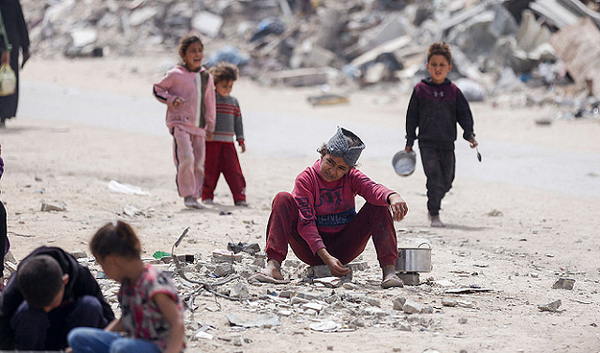
The plan announced by U.S. President Donald Trump represents a critical turning point for the future of the Gaza Strip, fraught with the risks of separating the framework of the unified Palestinian entity, turning it into a geographically and politically separate area from the West Bank, in line with the "Gaza Riviera" project previously announced by Trump, in addition to imposing international guardianship over the Strip.
The plan essentially reflects a recycling of the concepts of the previous Kushner–Tony Blair plan, with minor adjustments to give it an appearance of international and regional support, but in reality, it represents a lifeline for the Israeli government at a moment of political and international weakness, amid a global undermining of Israel's legitimacy due to the crimes committed in the Palestinian territories, especially in Gaza.
Writers, political analysts, specialists, and university professors confirm in separate conversations with "Y" that Trump's plan reveals the limited role of the Palestinians, both politically and administratively, while Israel retains a buffer zone that ensures its continued control over more land, turning Gaza into a smaller political and geographical space, isolated from the Palestinian Authority and the unified Palestinian entity, amid fears of voluntary migration, which could lead to a large exodus of the population under difficult humanitarian conditions and reconstruction challenges, in addition to details within the plan itself that make its implementation fraught with risks.
Writers, analysts, specialists, and university professors believe that the future of the Gaza Strip will not be determined solely by American-Israeli plans, but by a unified Arab will and a genuine Palestinian vision that ensures the preservation of geographical and political unity with the West Bank and Jerusalem, and protects Palestinian rights.
They agree that any plan imposed on Gaza without clear guarantees, and that entrenches division and guardianship, remains a complicated plan to implement, and that the real solution will only be achieved through the strength and will of the Palestinians, and a supportive Arab stance that ensures the achievement of a just and comprehensive peace, and opens the horizon for political dialogue away from piecemeal experiments or temporary humanitarian files, while preserving the unity of the land and the Palestinian national project.
Modification of the Kushner–Blair Plan Framework
Political science professor and American affairs specialist Dr. Hassan Ayoub considers that U.S. President Donald Trump's plan essentially represents a modification of the framework of the previous Kushner–Tony Blair plan, with slight adjustments that make it appear to have broad international and regional support, but in reality, it represents a lifeline for the Israeli government at a moment of political and international weakness, amid a global undermining of Israel's legitimacy due to the crimes it has committed in the Palestinian territories, especially in the Gaza Strip.
Ayoub clarifies that any international or regional consensus supporting this plan forces the international community to sit at the negotiating table with an entity accused of genocide, war crimes, and crimes against humanity, which represents a fundamental reversal of the historical and political contexts that have not served Israeli interests previously, but today reflect a clear turn in the opposite direction in favor of Tel Aviv.
Ayoub discusses the status of the Gaza Strip within the framework of the plan, pointing out that the basic content has not changed, as the Strip will not be part of the Palestinian entity upon the plan's implementation, which means a permanent and fundamental separation from the West Bank, in alignment with the "Gaza Riviera" project previously announced by Trump.
Ayoub asserts that the plan allows the residents of Gaza to remain, but it opens the door to voluntary migration that could expand to include large numbers under the current circumstances


شارك برأيك
The future of Gaza Strip after Trump's plan.. Challenges of international guardianship and separation from national identity.