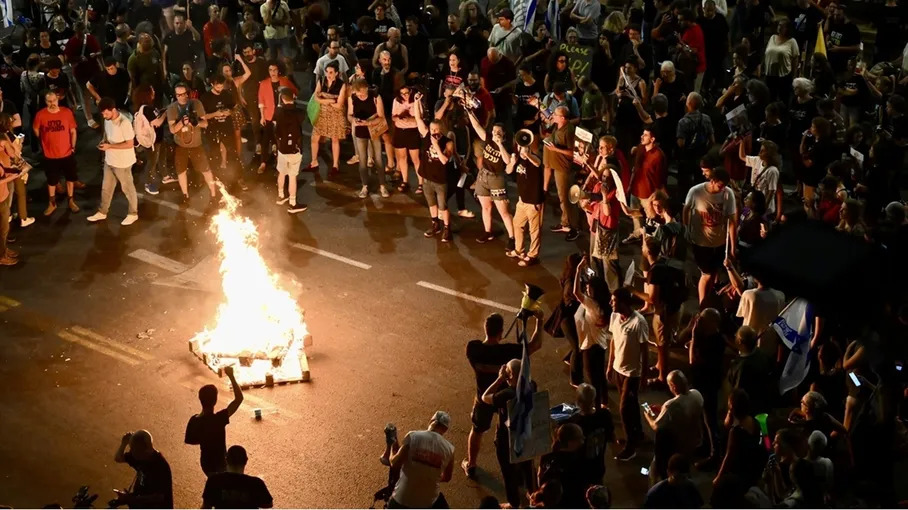







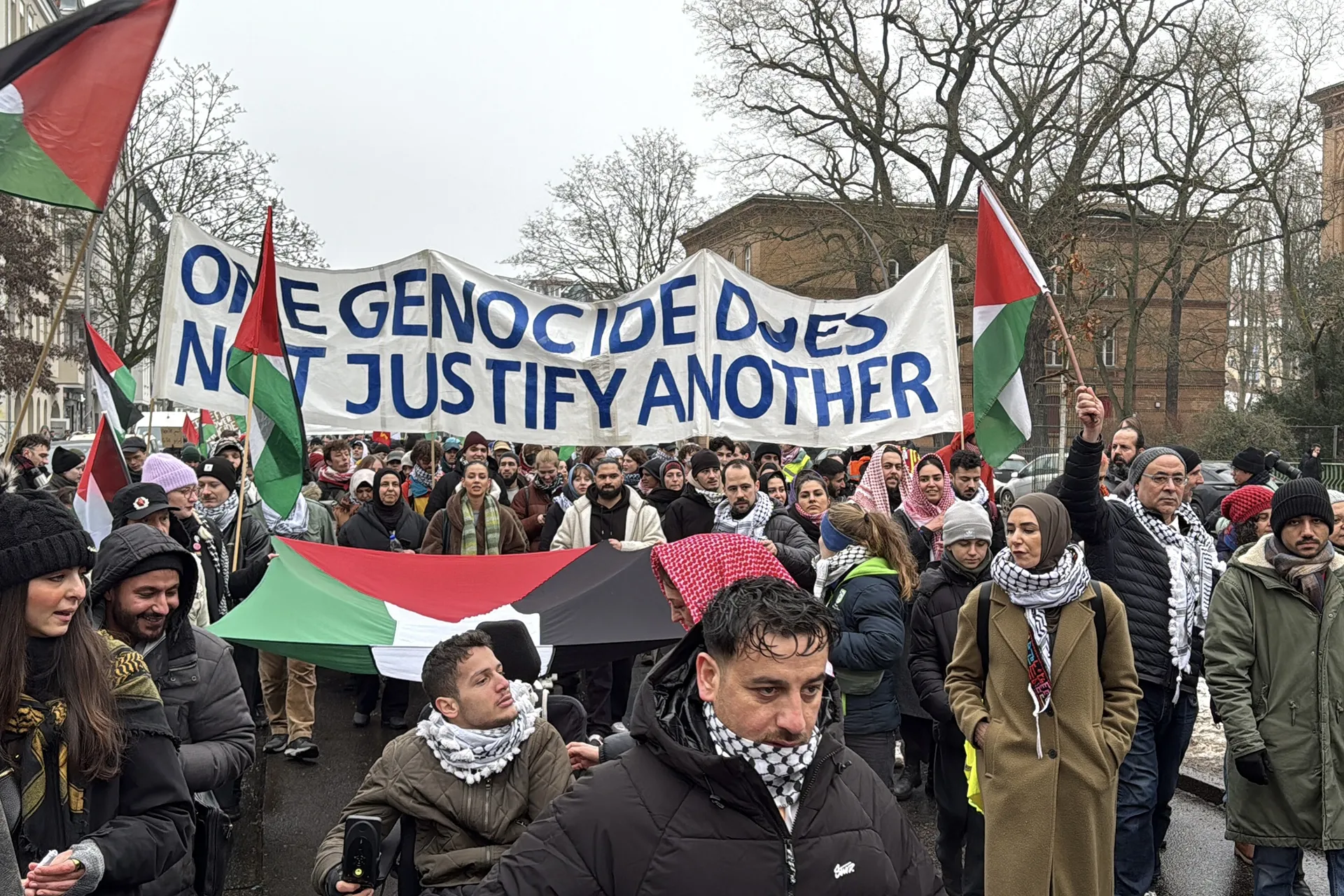
Writer Dalia Shindlin discusses in her article the consensus in Tel Aviv regarding the plan to occupy the Gaza Strip, noting that this consensus comes amid increasing global criticism of Israel due to the deteriorating humanitarian conditions in the region. She explains that Israeli leaders are facing global condemnations and threats of a partial arms embargo.
Shindlin points out that the Israeli government, led by Netanyahu, is under intense pressure from former military and intelligence leaders, as well as opposition leaders and intellectuals, due to the escalation of the war on Gaza. She emphasizes that the hostages, of whom about 20 are believed to still be alive, represent a major point of contention between the Israeli public and its government.
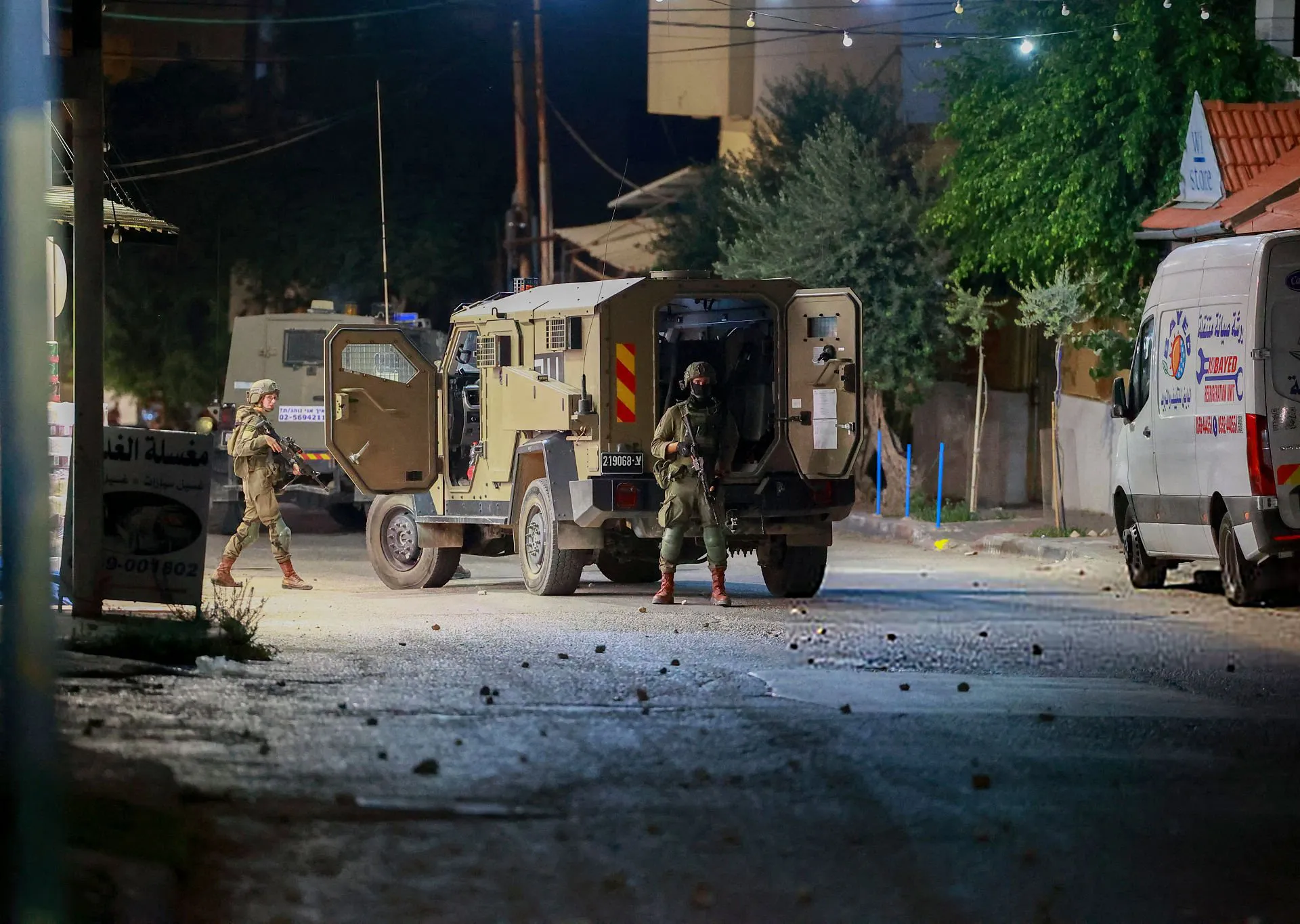
On August 8, the Israeli government decided to escalate military operations, leading to a complete occupation of Gaza. The government asserts that it will rescue the hostages by expanding operations, but polls indicate that only 28% of Israelis support this plan.
Polls show that there is a division in Israeli public opinion, with hostage families believing that this plan will lead to the death of their loved ones. This division reflects a general sentiment that the country has been hijacked by an extreme right minority, increasing overall discontent.
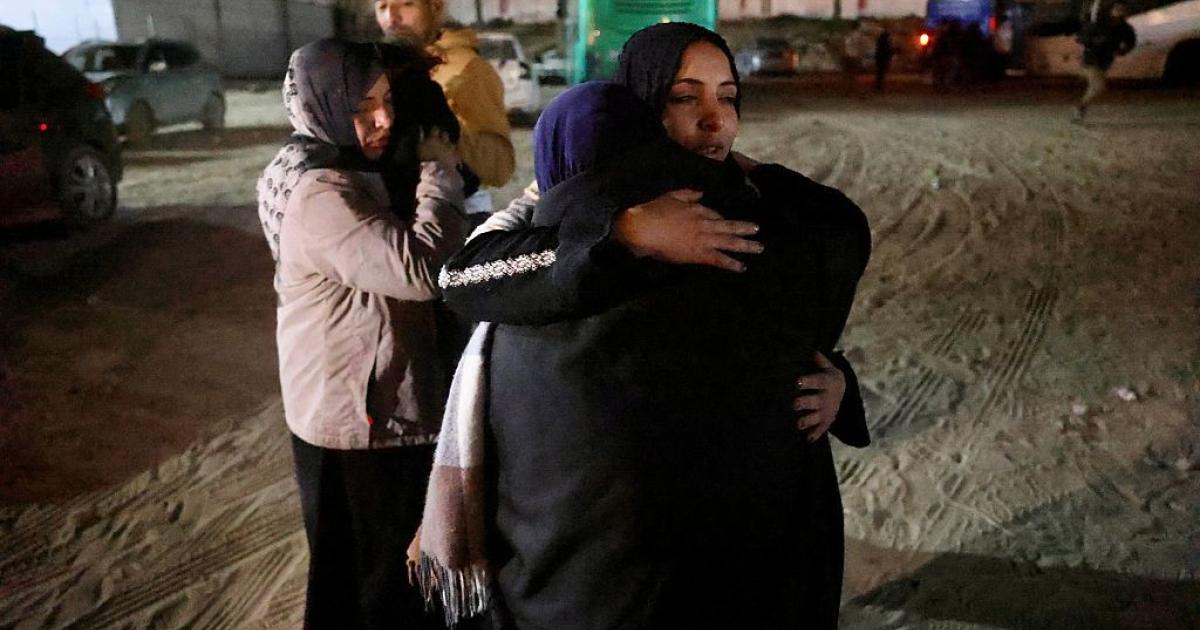
The writer also reviews that polls indicate the majority of Israelis do not empathize with the suffering of Palestinians in Gaza, considering that civilian casualties are a result of Hamas's actions. This points to a painful reality regarding how Israelis perceive the conflict.
Shindlin also addresses Netanyahu's political future, noting that there is a significant likelihood of him losing the upcoming elections. She clarifies that the current government faces severe criticism due to its policies, and there are increasing calls for new elections.
The writer asserts that opposition to Netanyahu does not necessarily mean a radical change in Israeli policies towards Palestinians, as many Israelis do not differ much from the current government on issues of occupation and Palestinian rights.
Shindlin indicates that centrist and leftist parties in Israel avoid discussing Palestinian statehood issues, reflecting a lack of a real alternative to the longstanding Israeli policies.
Shindlin concludes her article by emphasizing that the situation in Gaza will not change radically until the Israeli public and the world demand change, leaving the door open for the continuation of occupation and military escalation.
The military occupation of Gaza will exacerbate the humanitarian crisis and reflects the moral decay of Israeli leadership.
شارك برأيك
Israeli writer: Why is there a consensus in Tel Aviv on the occupation of Gaza?