PALESTINE

Mon 11 Sep 2023 11:10 am - Jerusalem Time

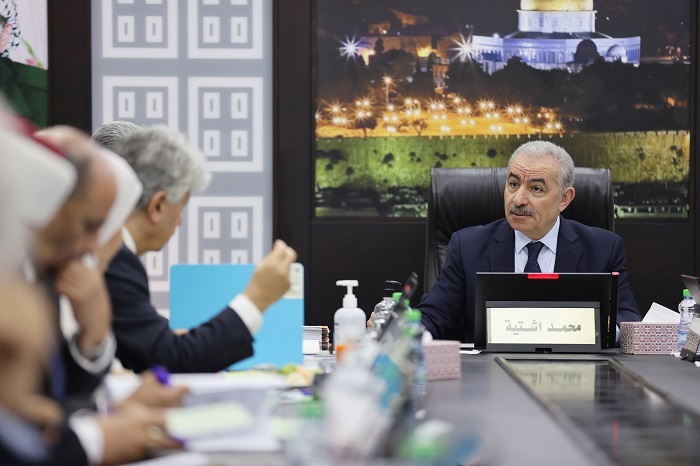
Shtayyeh: President participates in the meetings of the Group of 77 and China

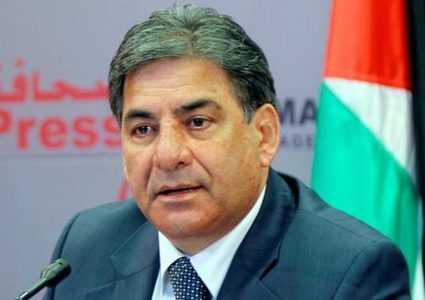
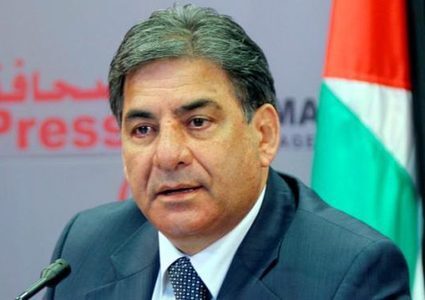
Prime Minister Muhammad Shtayyeh said on Monday, “President Mahmoud Abbas will participate next week in the meetings of the Group of 77 and China, held in Havana, Cuba, and will also deliver a speech before the United Nations General Assembly in New York.”


At the beginning of the government session in Ramallah, Shtayyeh confirmed that, during participation in the meeting of donor countries held in New York, they will present to the donors the amount of funds deducted by Israel, their financial needs, and the progress they have made in the reform plan adopted by the government last year, as well as the features of the Palestinian development plan for the years. The next five.


Shtayyeh indicated that they will participate in the international meeting on sustainable development goals and the progress the world has achieved in this field.


On the other hand, the Council of Ministers extended its deepest condolences and sympathy to the Kingdom of Morocco, for the lives and property they lost, and for the homes and infrastructure destroyed by the earthquake, as it submitted a message of solidarity to the Moroccan Prime Minister, Aziz Akhannouch, in which he informed him of Palestine’s readiness to assist in what they deem appropriate, indicating that A team from the Palestinian Civil Defense is now in Morocco to assist.


Shtayyeh indicated that the Council of Ministers will discuss today: the political, security and financial situations, new Israeli discounts, the situation of the Jerusalem Electricity Company, and the Digital Palestine Agenda 2030, in addition to new infrastructure projects.

PALESTINE

Mon 11 Sep 2023 11:02 am - Jerusalem Time

Prisoner Movement: Despite Freezing visits decision our struggle continues

The Prisoner Movement said, “Postponing or freezing the Israeli government’s discussion of the decision to reduce visits to the prisoners’ families to fit the occupation’s plans will not pass us or our people,” stressing that their struggle inside and outside of captivity will continue until they achieve their goals and push the occupation away from them and the holy sites.


The Prisoner Movement added in a brief statement on Monday, “The challenge is great and renewed, and requires unity of ranks and project unity in which we preserve our identity, dignity, land, and sanctities.”


The Prisoner Movement called on the masses of the Palestinian people to participate widely in supporting their prisoners in the face of the prison guard and the Israeli fascist minister Itamar Ben Gvir, by participating in mass vigils tomorrow, Tuesday 9/12/2023, at 09:00 pm, in city centers and villages in all governorates of the country under the title “ The unity of the free people - the title of victory.


PALESTINE

Mon 11 Sep 2023 10:13 am - Jerusalem Time

Painful details of arrest narrated by Palestinian woman Fatima Amarna

Today, Monday, the Commission for the Affairs of Prisoners and Ex-Prisoners published details of the painful arrest of prisoner Fatima Amarneh, after the Commission’s lawyer, Hanan Al-Khatib, visited her in Damoun Prison.


The Commission said, “On September 4, 2023, at approximately nine o’clock in the evening, Fatima Amarneh (41 years old) from the city of Jenin was leaving Al-Aqsa Mosque, and she was surprised when one of the occupation soldiers kicked her with his leg, claiming that she had tried to stab him, and then several of the soldiers attacked her.” They beat her severely until she lost consciousness, and she then found herself handcuffed inside a military jeep and surrounded by female soldiers.”


It added: "The prisoner was then transferred to the (Al-Qashla) investigation center, and the investigating officer continued the series of torture, where he beat her and tried to intimidate her and violate her privacy because she was a veiled girl, while the female soldiers then strip-searched her several times."


The Commission continued: “Then they put me in a bosom and beat it hard. Sometimes they walked quickly and then stopped suddenly. They moved me from one place to another and wrapped me around a lot with the aim of pressuring and disturbing me. The female soldiers tightly tied the handcuffs on my hands with the aim of hurting me, and some of them were pushing me, kicking me and hitting me. They tore my robe for me.” Then they transferred me to Ramla prison. I slept in Ramla without eating. They put me in a solitary confinement cell alone.


The conditions of the cell were difficult and harsh. A bed with a thin leather mattress, no pillow, a dirty blanket and a stinky smell. A toilet consisting of a hole in the floor that was disgusting and smelled bad. Then I was transferred to Damoon. There are still traces of bruises on my body from the severity of the beating I received at the time of arrest, and some of my clothes have traces of blood on them. I lost more than 2 kilos in 3 days... What happened to me was an unexpected nightmare.”

OPINIONS

Mon 11 Sep 2023 10:09 am - Jerusalem Time

Has the public Saudi-Israeli rapprochement begun?

Salah's mind

Salah's mind

Opinion Writer

Israel has been considered a hostile state by the Arab countries for many years, and the Arab countries rejected all forms of normalization with it, before reaching a comprehensive and just solution to the Palestinian issue. However, Egypt opened the path to normalization by signing two peace treaties with Israel in 1979, without requiring a just solution to the Palestinian issue. After that, the PLO signed the Oslo Accords in 1993 with Israel - the window for normalization - and the Kingdom of Jordan signed a peace agreement with Israel in 1994.


However, the aforementioned agreements with Israel did not contribute to resolving the Palestinian issue. Rather, Israel increased its extremism and intensity. Israel considered the Arab countries’ normalization of relations with it as approval of its Zionist, racist, and settlement policies.


The Arab countries determined their position on the issues raised to resolve the Palestinian issue through the Arab summit held in Beirut on March 27, 2002, to confront the Israeli military escalation of Ariel Sharon’s government against the Palestinian people. The main points of the Arab initiative included in the final statement of the summit stipulated the demand for Israel to withdraw from all occupied Arab territories, including the Syrian Golan and the territories still occupied in southern Lebanon, and its demand for a just solution to the Palestinian refugee problem in accordance with United Nations General Assembly Resolution No. 194, And its demand to accept the establishment of an independent, sovereign Palestinian state on the Palestinian territories, the West Bank and the Gaza Strip, and to ensure the rejection of all forms of settlement that contradict the laws adopted in the Arab countries, and finally to call on the international community to work towards implementing this initiative.


Accordingly, the Arab Summit pledged that if Israel accepted these conditions, the Arab-Israeli conflict would be considered over, in addition to establishing exchange relations with Israel and living together in peace.


However, American and Israeli policies succeeded in shifting the solution to the conflict from the Palestinian interior to the Arab exterior, as the pace of political and cultural normalization with Arab countries that had not yet entered into peace agreements with Israel increased. This would allow Israel to be accepted into its Arab environment before ending the Israeli-Palestinian conflict, which would mean weakening Palestinian demands.


In mid-September 2020, secret Arab normalization culminated in the official announcement of the signing of the so-called peace agreement between the United Arab Emirates and Bahrain with Israel at the White House under the auspices of US President Donald Trump, and on October 24, 2020, it was also signed with Sudan under Trump’s sponsorship. It is noteworthy that Morocco was the fourth Arab country to normalize its diplomatic relations with Israel under American auspices on December 10, 2020, and it is expected that many Arab and Gulf countries will sign the same treaties with Israel, and thus these countries will have abandoned the Arab initiative as a condition for normalization with the occupation, thus ending Its Arab commitment to the Palestinian issue, achieving its interests at the expense of the first and central Arab issue, turning the Palestinian issue into a marginal issue.


These agreements focus on the security interests of the signatory countries in the face of the so-called threat that Iran poses to the countries of the region, in addition to economic and strategic interests, in light of the neglect of the Palestinian issue. These agreements are far removed from the Egyptian and Jordanian peace treaties, which were based primarily on the principle of establishing peace. In exchange for the recovery of its occupied territories.


The Gulf states and Israel considered former US President Barack Obama’s efforts to conclude a nuclear agreement with Iran a matter of concern, and therefore the search for ways to confront the Obama administration’s plans constituted an opportunity for the Gulf states and Israel to work together, as this step formed the subsequent basis for working with the administration of former President Donald Trump. Indeed, this strategy turned out to be very successful, as the alliance of Israel and the Gulf states formed the core of US foreign policy in the Middle East. In doing so, the United States provided almost open support to both sides, withdrew from the nuclear agreement initiated by Obama and implemented a “maximum pressure” campaign on Iran.


On the other hand, the Gulf countries believed that normalization with Israel would help them strengthen their security ties with the United States, given the American role in maintaining Israel’s security. This analysis may be correct, as after Egypt signed a peace agreement with Israel, it became the second largest recipient of American aid, despite its authoritarian policies. From a Palestinian point of view, the Palestinians see the rush of some Arab countries to normalize relations with the Zionist entity as treason.


According to the Hebrew Walla website on October 21, 2021, the administration of US President Joe Biden discussed with Saudi Arabia the possibility of normalizing relations with Israel. Bin Salman did not explicitly reject the possibility of normalization with Israel, stressing that such a step would take time, but Saudi Arabia has announced More than once, it will not normalize relations with Israel until a solution to the Palestinian issue is found and the Israeli occupation is ended.


In this regard, it is noteworthy that the Israeli journalist in the New York Times revealed, at the end of July 2023, a “new deal for Biden” to normalize Saudi Arabia’s relations with Israel.


On August 13, 2023, the Saudi conditions for normalizing its relations with the Israeli state were revealed. The conditions are for Saudi Arabia to obtain security and political guarantees and to obtain many demands, most of which are from the United States of America, including the United States agreeing to sell the Kingdom of Saudi Arabia 50 F-35 aircraft, without a ban. For any of the types of advanced ammunition used by Israel, and agreeing to proceed with the completion of a sale deal and the establishment of 5 nuclear reactors designated for peaceful purposes, and the last condition is that Israel stop weakening the Palestinian National Authority and return to the negotiating table in order to achieve peace and stability in the region.


If these leaks and conditions are true, Saudi Arabia will have abandoned the initiative that it put forward at the Arab Summit in Beirut in 2002, and replaced the condition of the Arab Summit in Beirut with non-normalization before finding a just solution to the Palestinian issue and ending the occupation on the condition that the authority is strengthened or not weakened.


In this context, the Israeli occupation Foreign Minister, Eli Cohen, stated on August 7, 2023, that Israel and Saudi Arabia have a common interest in reaching a normalization agreement, and the Palestinian issue will not stand as an obstacle to normalization, adding that it is in everyone’s interest to improve life in the areas of the Palestinian Authority, As for Biden, he will achieve something before the elections, and this will strengthen the American economy.


In the same vein, a senior Israeli official stated on August 24, 2023, that there are no concrete demands from Israel, such as freezing settlement construction, and all demands focus on economic aid to the Palestinians, which will come from the Saudis and Americans.


Despite this, Israel rejects the Saudi conditions for normalization, and this was confirmed by the Minister of Strategic Affairs of the Israeli occupation, Ron Dermer, on August 20, 2023, that normalization is continuing and Israel will not allow any Arab country to possess a military nuclear program, and from his point of view the number of Arab countries will increase. The printing press is with Israel, adding that Israel will not necessarily oppose Saudi Arabia developing a civilian nuclear program, in exchange for normalization of relations. However, Netanyahu and opposition leader Yair Lapid rejected Saudi Arabia obtaining any nuclear program.


In response to the above, it is possible that Israel will agree to establish a Saudi civil nuclear program supported by America, in light of Israeli estimates that Saudi Arabia may obtain support for its nuclear project from China or France. However, US National Security Advisor Jake Sullivan stated on August 22, 2023, “It is not expected to announce progress in the normalization negotiations anytime soon between Israel and Saudi Arabia.


In this regard, it is noteworthy that Saudi Arabia has appointed Ambassador Nayef bin Bandar Al-Sudairi to the Palestinian Authority, and he is awaiting a permit from Israel allowing him to cross into the Authority’s areas. This appointment is considered a prelude to normalization between the two countries, which will be followed by the appointment of a Saudi ambassador to the Zionist entity.


The countries that officially announced their rejection of normalization with Israel are Kuwait, Algeria, Iraq, Tunisia, Yemen, and Lebanon so far. The risks of normalization with Israel will not be limited to harming the Palestinian cause and the Palestinian people, but rather its risks will be far-reaching and long-term for the Arab and Islamic nation.


OPINIONS

Mon 11 Sep 2023 10:07 am - Jerusalem Time

The relationship between the state and society

Dr. Naji Sadiq Sharab

Dr. Naji Sadiq Sharab

Opinion Writer

Perhaps one of the most important approaches that explain political developments and interactions in all their forms, the form of authority, the phenomenon of military coups, states of stability and political instability, and the spread of the phenomenon of political violence is the approach to the relationship between the state and society. This relationship is what explains to us the multiplicity and diversity of forms of government systems.


The greater the number of countries, the greater the number of these forms based on the hypothesis that the environment of political power differs in its variables and components from one country to another. The pillar of governance is the state, which is based on three elements: the territory, which is the boundaries of rule and authority, the people over whom authority is exercised, and sovereignty, which constitutes the supreme will, which is the basis of authority and from which it derives its existence.


Accordingly, governance is an interaction between society and the state, and the strength and cohesion of society depends on the extent to which it limits the incursion of power.


Society represents the anarchist side of power and governance, and the state represents the authoritarian side. In its broadest sense, power means the ability to influence others and oblige them to follow the decisions, laws, and policies decided by the authority. The state resorts to this because it possesses all the elements of hard power, including military, security, and economic power.


And its control over soft power, which is one of the most prominent features of society’s power. The relationship between them takes more than one form. The first form is the encroachment of society, as in Marxist-communist systems of government, and the state’s encroachment on society, as in many systems of government in third world countries, including the Arab model.


The third form is balance in the relationship, which is represented by democratic and rational systems of government. Here, many questions arise about the legitimacy of authority, its establishment, the imposition of obedience to it, and its impact on the form and effectiveness of society. In this context, the behavioral school emerges, that behavior is the basis of change and determines the relationship, and the structural and institutional school, that it determines the relationship and controls its paths. Change means the freedom of actors to exercise their rights, while supporters of the second school see commitment and submission to existing laws and orders.


There are those who believe that society precedes the state and is the one who imposes the form of government: a society with multiple ethnic, sectarian and minority backgrounds imposes a federal form of government, and on the contrary, a homogeneous society imposes the centralization of power on the basis that politics tells us who gets what, when, and how? The authority maintains its control through its control over the means of coercion and coercion.


Since the relationship between them is an organic and complementary relationship, and the basis of the relationship is limitation and restraint of authority. The form of balance remains the one that achieves stability and development, and its basis is single citizenship and the equal rights approach. The relationship depends on a set of determinants at the level of society and the state. On the basis of society, the factors of societal harmony, rights, level of education, poverty, unemployment, the strength of civil culture, civil society institutions, the strength of available soft power, and political pluralism emerge, and they are all factors and determinants that increase the effectiveness of society.


At the state level, the strength of political institutions, the system of laws, the relationship between the military and the authority, civilian rule, commitment to existing political legitimacy, and the nature of the relationship between the three institutions of authority in a way that achieves balance are highlighted. As we now see, the Israeli government is attempting to make judicial amendments with the aim of increasing the encroachment of the executive authority and the decline of the judicial authority.


This explains the popular protests and the exposure of the entire regime to the threat of survival. It also explains to us the phenomenon of military coups in Niger, the military conflict in Sudan, and the phenomenon of internal wars in many Arab countries, such as Libya, Iraq, and Syria, and its cause is the attempt of the state to dominate society without taking into account its determinants and developments.


On the other hand, we have rational and effective governance systems that achieve a balance between the state and society, as in the model presented by the Emirates, which is based on the basis of good governance and a rational society.


Perhaps the problem that needs us to understand and analyze is that the state is the one that activates and creates the factors of change in society in addition to the influence of the external factor, and the more the state responds to these changes the more it achieves balance, and this is through expanding the circle of political participation and political empowerment for all segments, including women, alternating power, and neutralizing the role of the army in life. Political. As much as the phenomenon of political institutionalism is rooted and the phenomenon of personal individualism in governance is reduced.


There remains a third factor whose influence cannot be ignored, which is the influence of the external environment, and here the strength of the relationship between the state and society is able to neutralize the negative effects of this factor, which explains to us many developments in our Arab world. Here is the importance of preserving the state due to its connection to the law, preserving society and its stability, and preserving the effectiveness of society. Which gives legitimacy and strength to the state.


This is the missing link in Arab politics, and it is the approach required to achieve good democratic governance and a single citizenship society.

OPINIONS

Mon 11 Sep 2023 10:04 am - Jerusalem Time

Oslo... after thirty years

Nabil Amr

Nabil Amr

Opinion Writer

Thirty years have passed since the Oslo Accords and Understandings, and what happened in the first years is completely different from what happened in recent years.


The Palestinians voted in a high percentage in the first general elections for the first legislative council, with Yasser Arafat as president, so the Palestinian political system moved from a revolutionary system to a power system that should have been transformed within five years into a state system.


The scale of regional and international adoption of Oslo and what it promises has created reassurance for the Palestinians that for the first time in their history, they will inevitably go to an independent state established on the borders of June 4, 1967, with the opening of negotiations on what were called permanent status issues such as borders, refugees, settlement, and Jerusalem.


The Palestinians, along with the supporters of the Oslo idea and the historic peace project, did not notice that a small stone, if removed from the building, would inevitably lead to its collapse. This stone was the one vote that passed Oslo in the Knesset, and if it moved to the opposition, then the whole project would enter a tunnel that would lead to new places. Other than those designed as his conclusions.

Will life return to agreement?


Thirty years after the Oslo Accords and understandings, what is the situation now? Is there a logical justification for bringing it back to life, even with exorbitant downloads?!!!

The situation is now summed up in a short sentence. Oslo, the first years of the era of the duo Rabin and Peres, became a pile of rubble from which no settlement could be drawn. As for Oslo during the time of Netanyahu, only crumbs of security coordination remained that embarrassed the Palestinians and did not satisfy the Israelis. This is with an authority that is on the verge of collapse, and its fate (survival or collapse) is in the hands of American intercession with Israel to pump some water into its dry canals. Instead of the origin of the story being the size and characteristics of the future Palestinian state, what could be presented to the authority in order for it to remain alive is not a bet on its ability to lead a people and an effective partnership with the opponent, but rather a fear of the vacuum that will result from its collapse, opening the doors wide to uncontrolled developments. on her.

Picture the situation now
1- There is a government in Israel that is more right-wing and more extreme than all the governments that preceded it, including the governments of Begin, Shamir, and Sharon.


2- There is a democratic administration in America that raises the slogan of a two-state solution, without making any effort to achieve it.


What is worse is that a coup in the formula sponsored by the American administration put the cart before the horse and gave priority to Arab normalization with Israel at the expense of the priority of resolving the Palestinian issue.


3- In Palestine, there are multiple options to the point of disagreement and even contradiction between an authority in Ramallah that did not despair of the possibility of extracting a political solution from the rubble of Oslo and an authority in Gaza that no one knows what it can do or not do to market itself in regional and international equations.

As for the factions, some of them fight directly wherever their rifle bullets reach, others fight through intermediaries, contenting themselves with blessing the operations without adopting them, and some of them actually merge into power while retaining their name. This is at the level of the divided political class. As for the community level, which constitutes more than eighty percent of the activities of the people and the cause, he chose to move forward in building his life without having to neglect the principles of his cause. The facilities you see in the country are of his own making and as a result of his initiatives.


Oslo's rosy promises have turned into a pile of rubble, but that does not mean at all the liquidation of a cause and the end of a people. Rather, the exact opposite is happening. The Palestinian, inside or outside the homeland, whether rich or poor, still feels the pain of losing dignity and freedom inside the homeland, and national identity outside it. Due to this feeling, his cause will remain alive, and he will continue to be a burden to Israel and to the entire world if he does not find a solution that he is satisfied with and in which he sees his salvation.

PALESTINE

Mon 11 Sep 2023 9:20 am - Jerusalem Time

Occupation authorities demolishes the village of Al-Araqib for the 221st time

On Monday morning, the Israeli occupation authorities demolished the tents of residents of the village of Al-Araqib, deprived of recognition and threatened with uprooting and displacement in the Negev region in the occupied interior, for the 221st time in a row.


The Israeli authorities demolished it for the first time on July 27, 2010, despite the hot weather conditions.

PALESTINE

Mon 11 Sep 2023 9:08 am - Jerusalem Time

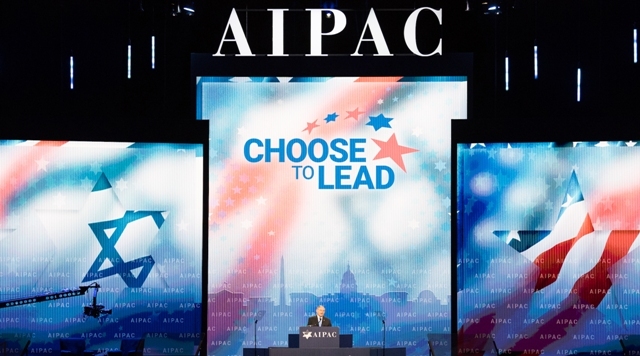
Washington: Pro Palestine Jewish campaign to boycott the pro-Israel group AIPAC

On Monday, Jewish organizations supporting the Palestinian cause launched a campaign in the United States of America to boycott the pro-Israel political pressure group AIPAC.


The campaign, which was launched in cooperation with a network of Palestinian-American institutions, called on the Jewish community to boycott the AIPAC lobby, considering that the financial and political support provided to the Israeli government makes it an accomplice in the crime of “apartheid” committed against the Palestinian people.


Samantha, a campaign volunteer from Chicago, said that AIPAC not only supports extremism against Palestinians, but also in the United States.


She noted that the campaign covers dozens of American cities, including Chicago, New York, Washington, New Jersey, San Francisco, Milwaukee, and Indianapolis.

PALESTINE

Mon 11 Sep 2023 8:19 am - Jerusalem Time

Occupation navy arrests fishermen off the coast of Gaza

On Monday, the Israeli Navy arrested two fishermen who were on board a boat off the coast west of the city of Rafah in the southern Gaza Strip.


According to the Union of Fishermen's Committees, the occupation boats opened fire with machine guns at the fishermen's boats, before Hasakah confiscated the paddles of two fishermen on board and took them to an unknown destination.

PALESTINE

Mon 11 Sep 2023 8:02 am - Jerusalem Time

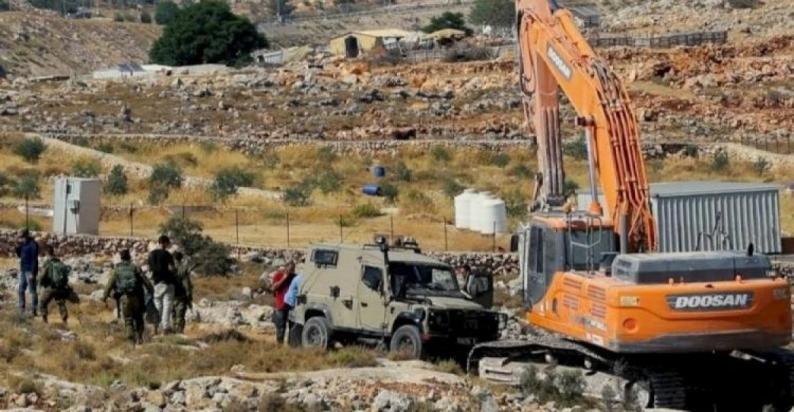
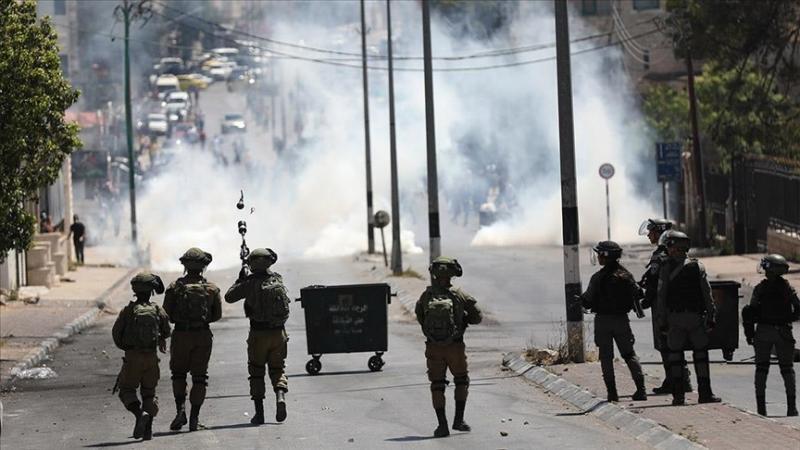
Occupation army continue massive arrest campaigns in the West Bank and Jerusalem

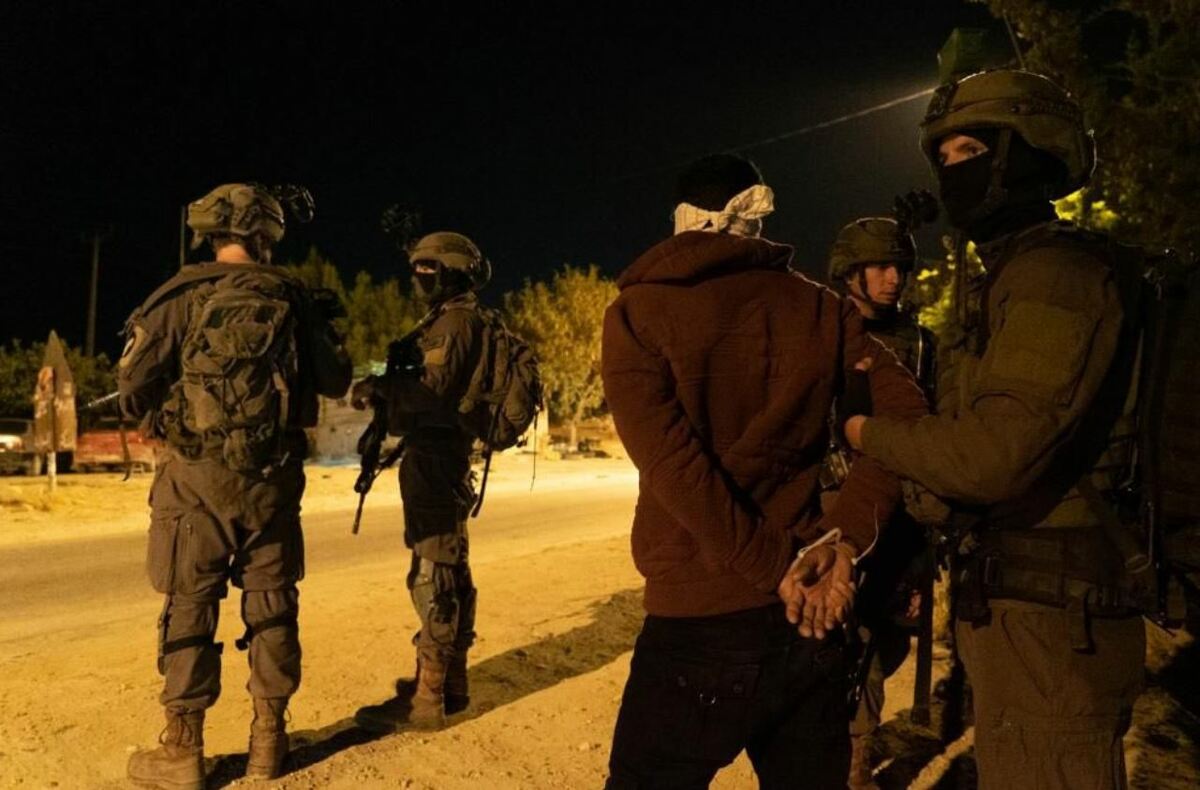
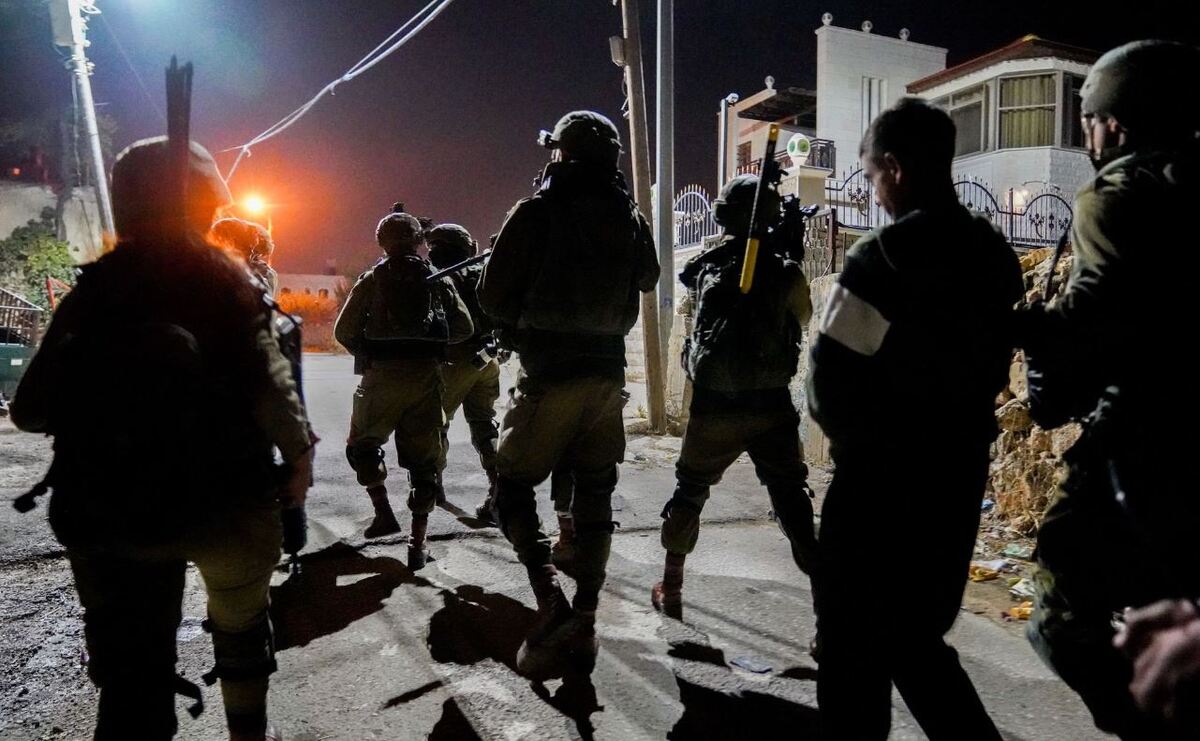
At dawn and Monday morning, the Israeli occupation forces launched a massive arrest campaign among citizens in various areas of the West Bank and occupied Jerusalem.


According to local sources, these forces carried out raids in several areas, raided many citizens’ homes, wreaked havoc on them, and subjected their residents to field investigation.

8 citizens were arrested from Hebron, namely the editor, Muthanna Al-Qawasmi, Anas Salhab, Adnan Maswadah, Basil Farrah, Muhammad Abu Halil, Muhammad Mutawwar, Ubaida Adi, and Diyaa Al-Zuhur.


While Badr al-Din Saleh was arrested from Al-Mazraa al-Gharbiyya, north of Ramallah.


Abdullah Zakarneh was arrested from his family home in the Al-Bayader neighborhood in Jenin.


Alaa Anaya and Majd Anaya were arrested from the town of Azzun, east of Qalqilya, which witnessed violent confrontations.


In occupied Jerusalem, Mahran Ahmadan and Mahmoud Mansour, both from the town of Biddu, were arrested.

PALESTINE

Sun 10 Sep 2023 10:47 pm - Jerusalem Time

Years of Efforts to Resolve the Israeli-Palestinian Conflict (Chronology)

The United States of America has always played the role of mediator in efforts to reach a settlement of the conflict between Israel and the Palestinians.


On Tuesday, the United States announced its new plan to resolve the conflict after talks stopped since 2014.


Below is a summary of previous initiatives put forward by the United States and others to resolve the issue:

The government of US President Ronald Reagan began a dialogue with the Palestine Liberation Organization in 1988, after its leader Yasser Arafat accepted US demands to recognize Israel's right to exist as a state.


The administration of US President George H. W. Bush, who succeeded Reagan, established channels of communication between Israel and the Arab countries.


In 1991, Washington and Moscow jointly organized an Israeli-Arab peace conference in Spain, and benefited from improved relations after the opponents stood together against Iraq in the First Gulf War.


The conference, which was organized in the wake of the first Palestinian Intifada, set a precedent, as it was the first time that the Israeli and Palestinian sides sat at the negotiating table. The Palestinians participated as part of a delegation from Jordan after Israel refused the direct participation of the Palestine Liberation Organization.

Israelis and Palestinians held more than a dozen secret meetings over the course of six months, in Oslo in 1993.


In an unprecedented breakthrough, Israel agreed to allow the Palestinians limited self-rule and recognize the Palestine Liberation Organization as the representative of the Palestinian people.


The two parties signed the Oslo Accords in Washington in September 1993 at a ceremony hosted by US President Bill Clinton.


In May 1994, the city of Jericho in the West Bank and Gaza Strip became the first self-governing Palestinian territory.


Two months later, Arafat returned to the Palestinian territories after 27 years in exile and formed the administration of the Palestinian Authority.


In September 1995, the Oslo II Accords were signed, giving the Palestinians greater autonomy in the occupied West Bank.


In November, Israeli Prime Minister Yitzhak Rabin was assassinated by an Orthodox Jew opposed to the peace process.


In October 1998, US President Bill Clinton hosted a meeting at Wye Plantation that resulted in an agreement requiring Israel to withdraw from 13 percent of the West Bank territory it had occupied.


But Israel froze the deal two months later after handing over only 2% of the territory.


In July 2000, the two sides held talks for several days at Camp David outside Washington, but the talks faltered due to the part related to Jerusalem, which both sides claim, and due to issues related to the Palestinian refugee issue.


The second Palestinian Intifada broke out two months later.


In March 2002, Arab countries led by Saudi Arabia proposed establishing diplomatic relations with Israel in exchange for its withdrawal from all territories occupied since 1967.


Nothing was achieved after the next day, Israeli Prime Minister Ariel Sharon launched a military attack against the Palestinians following a series of suicide attacks.


In April 2003, the international Quartet composed of the European Union, Russia, the United Nations, and the United States published a document called the “Road Map” for the establishment of a Palestinian state.


The document relied on stopping Palestinian attacks and Israel refraining from building new settlements on the occupied land.


The two sides committed to implementing it in June 2003, but it soon stopped amid continued settlement activity.


In November 2007, US President George W. Bush chaired a conference attended by representatives of Israel and the Palestinian Authority in Annapolis, near Washington, after years of stagnant relations.


New peace efforts have been frustrated by disagreement over Israel's continued settlement building and military checkpoints, violence in Gaza and Palestinian division.


The Palestinian Authority withdrew from the talks after Israel launched a war on Gaza in late 2008.


In July 2013, then US Secretary of State John Kerry announced the launch of new direct talks.


But Israel suspended these talks after the Fatah and Hamas movements announced a reconciliation agreement in April 2014.

PALESTINE

Sun 10 Sep 2023 9:56 pm - Jerusalem Time

Occupation renews administrative detention of Fatah Secretary in Jericho

Today, Sunday, the Israeli occupation court renewed the administrative detention of Nael Abu Al-Assal, secretary of the Fatah movement in Jericho and Al-Aghwar Governorate, for the seventh time in a row.


The renewal of Abu Al-Assal’s administrative detention comes in the context of the occupation’s policy that violates international and humanitarian laws and conventions, as his detention is renewed when his release date approaches.


Abu Al-Asal was arrested on 3/21/2022, and he had previously been arrested three times.

PALESTINE

Sun 10 Sep 2023 8:59 pm - Jerusalem Time

Occupation army arrests a Palestinian and his two sons in Jerusalem

On Sunday evening, the Israeli occupation forces arrested a citizen and his two sons in occupied Jerusalem.


According to local sources, these forces took the Jerusalemite Abdul Raouf Jawhar and his two sons, Khaled and Adam, from their home, after storming the town of Abu Dis.

ARAB AND WORLD

Sun 10 Sep 2023 7:58 pm - Jerusalem Time

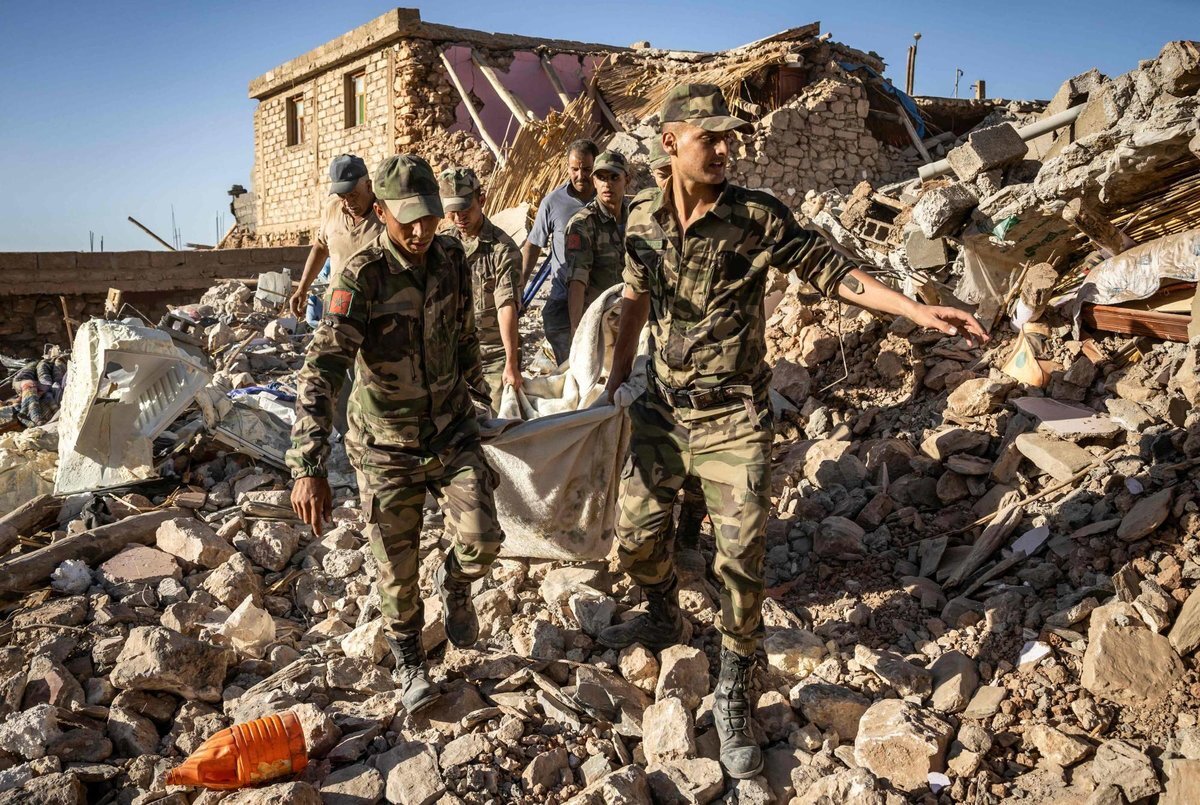
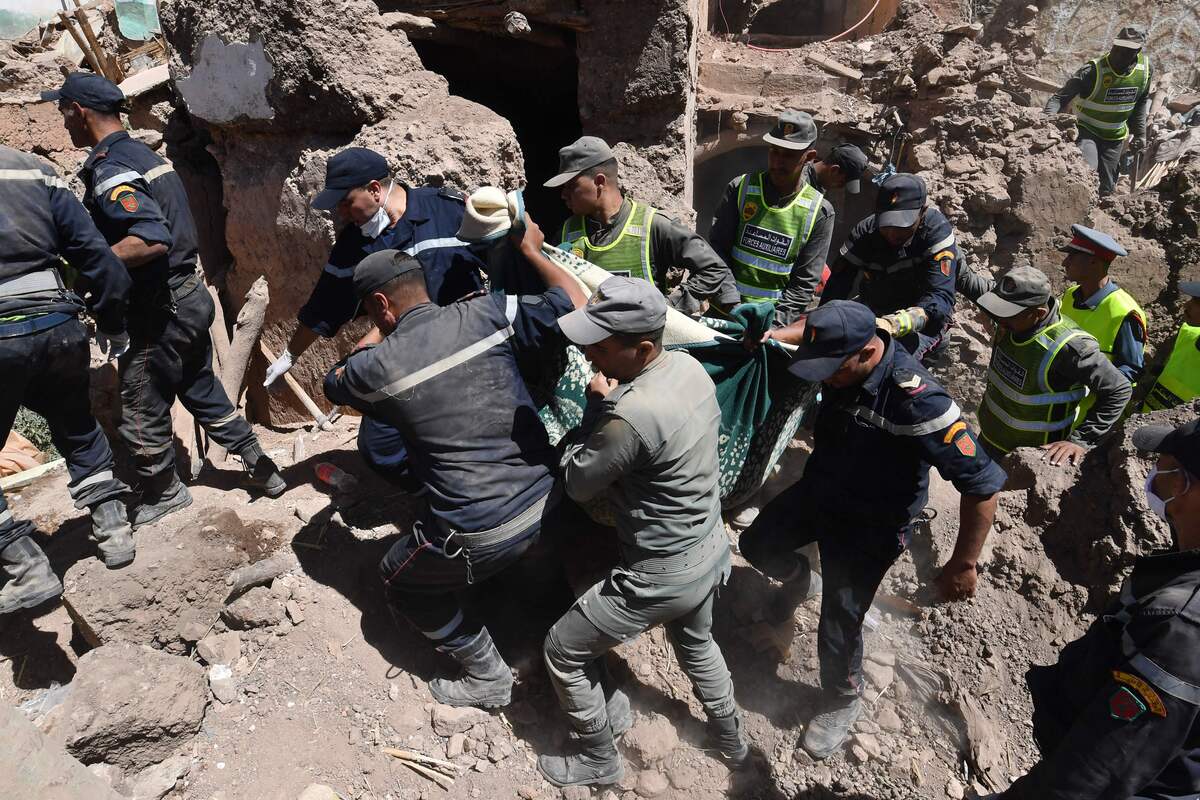
The death toll of earthquake in Morocco rose to 2,122 people

The temporary death toll from the devastating earthquake that struck vast areas south of Marrakesh, Morocco, on Friday night, has risen to at least 2,122 dead as of Sunday afternoon, according to what the Ministry of Interior announced, while rescue and relief operations for survivors continue.


The ministry said in a statement, "In a temporary toll, as of 4 p.m. (15:00 GMT), the number of deaths caused by the earthquake reached 2,122 people, and the number of injured was 2,421."


PALESTINE

Sun 10 Sep 2023 7:51 pm - Jerusalem Time

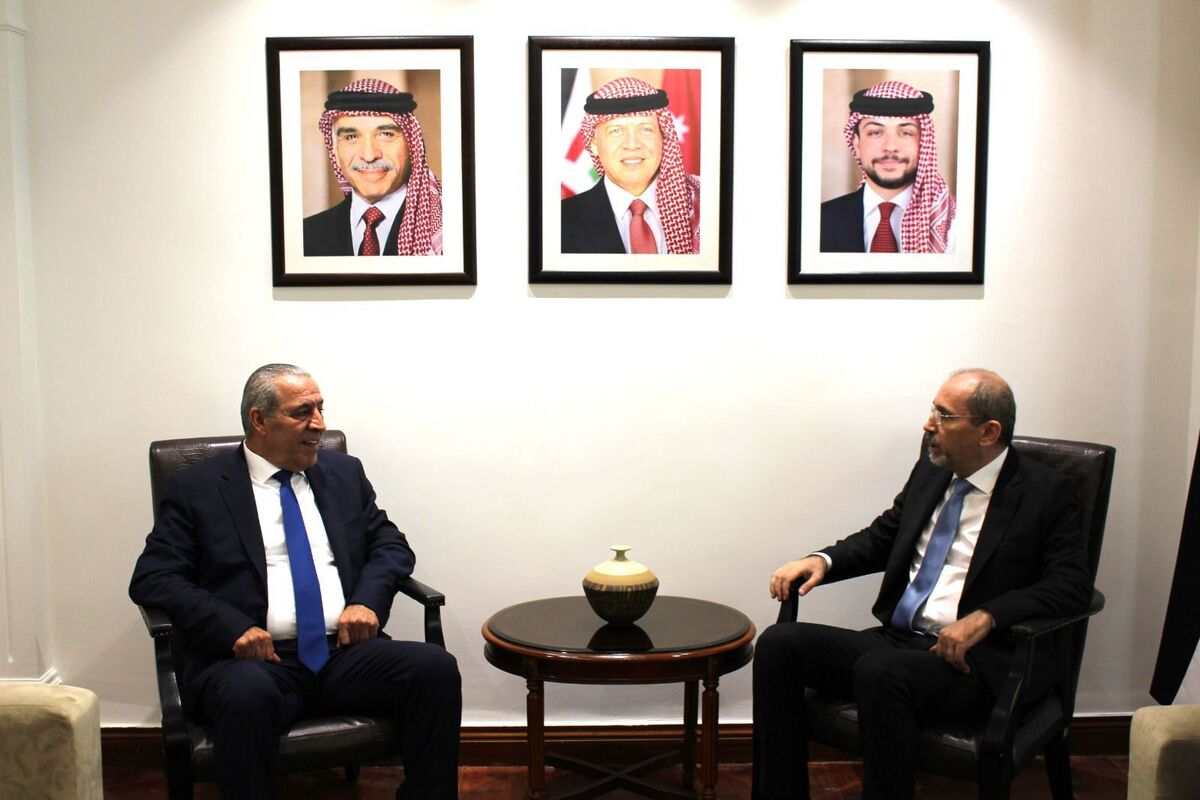
The Jordanian Foreign Minister meets with Hussein Al-Sheikh

Deputy Prime Minister and Minister of Foreign Affairs and Expatriate Affairs, Ayman Al-Safadi, met today, Sunday, with the Secretary of the Executive Committee, Hussein Al-Sheikh, as part of the ongoing coordination and consultation process between the Kingdom and the State of Palestine.


The two parties discussed the efforts made to stop the deterioration witnessed by the occupied Palestinian territories, and to find a real political horizon to relaunch serious and effective negotiations to achieve a just and comprehensive peace in accordance with the two-state solution, which embodies the independent and sovereign Palestinian state along the lines of June 4, 1967, with occupied Jerusalem as its capital.


The two parties stressed the need to stop the illegal Israeli measures that undermine the chances of achieving peace.


They also warned of the danger of the continued absence of real movement to resolve the conflict on the basis of the two-state solution.
PALESTINE

Sun 10 Sep 2023 7:03 pm - Jerusalem Time

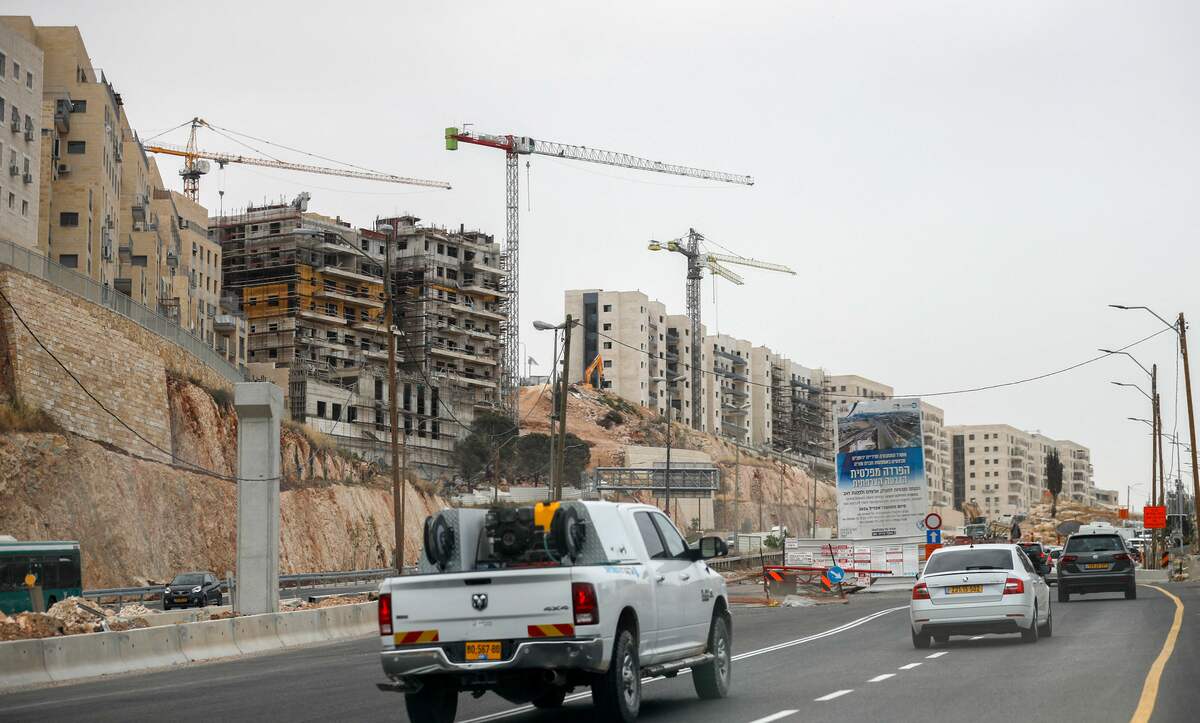
"Leon" pledges to build in the "Givat Hamatos" settlement neighborhood in Jerusalem

The mayor of Jerusalem, affiliated with the Israeli authorities, Moshe Lion, pledged on Tuesday evening to build thousands of housing units in the Givat Hamatos neighborhood, south of the Holy City.


Leon said at a ceremony for the heads of religious Zionist communities in Jerusalem, "We will soon begin building thousands of apartments in Givat Hamatos... No one can prevent us from building in Jerusalem."


He stressed that "the municipality under his leadership will be built in all parts of Jerusalem."


The United States strongly opposes any construction in that neighborhood, considering that it does not serve the two-state solution, and has succeeded since 2012 in thwarting construction plans there.

ARAB AND WORLD

Sun 10 Sep 2023 6:56 pm - Jerusalem Time

Morocco to “Israel”: We do not need your help

Morocco confirmed, on Sunday evening, that it does not need any Israeli assistance in dealing with the damage of the earthquake that struck the country and left more than 2,000 dead.


The Moroccan Foreign Ministry sent a message to its Israeli counterpart, confirming that it does not need Israeli assistance at the present time, as reported by Hebrew Channel 7.


The channel indicated that Morocco sent the message against another background sent by the Israeli Foreign Ministry, during which it offered to provide assistance and send a large delegation for that purpose.


Israeli Prime Minister Benjamin Netanyahu had instructed a team from various ministries to be prepared to head to Morocco.

PALESTINE

Sun 10 Sep 2023 6:37 pm - Jerusalem Time

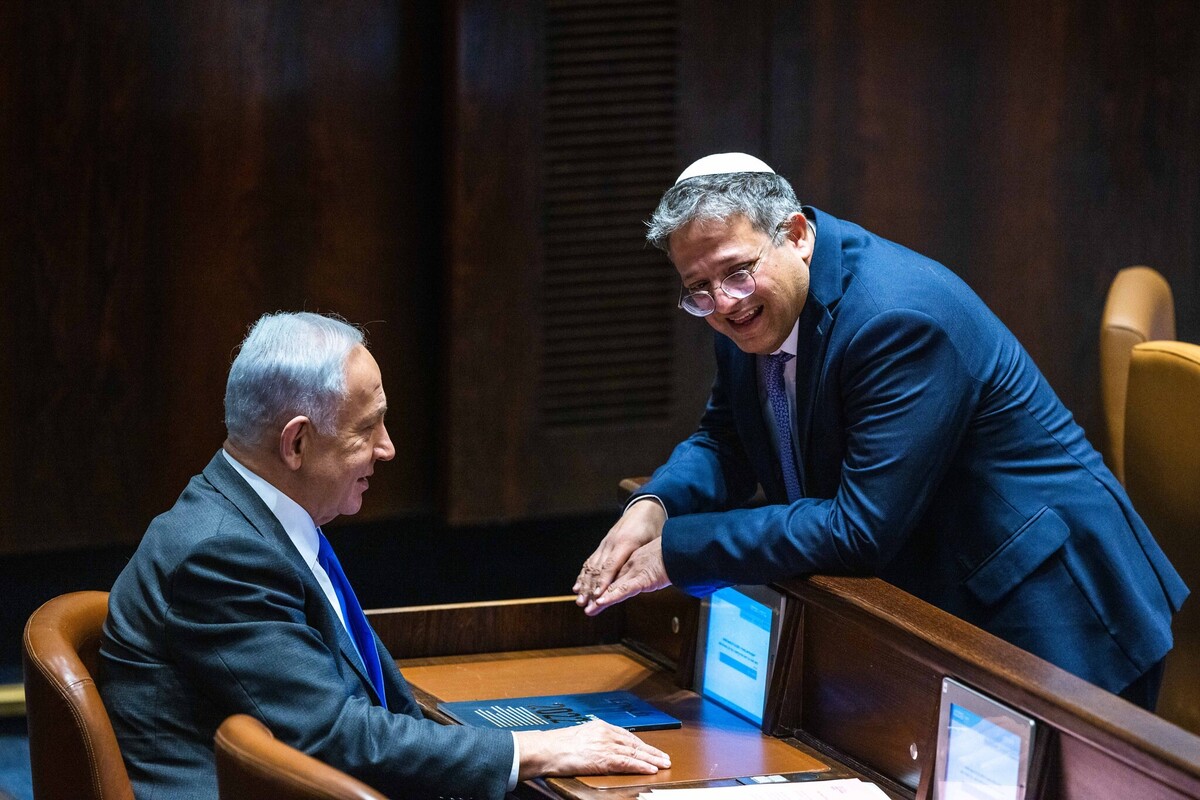
Netanyahu refused tightening conditions of Palestinian detainees

On Sunday evening, Israeli Prime Minister Benjamin Netanyahu renewed his position of rejecting tightening the conditions of detention of Palestinian prisoners, fearing any escalation inside and outside it.


According to the Hebrew Channel 7, Netanyahu informed the Minister of the so-called extremist National Security, Itamar Ben Gvir, of his position, during a meeting held between them to discuss the issue.


The meeting was held prior to an expanded meeting in the presence of Israeli Defense Minister Yoav Galant, and senior officers from the army, security, Shin Bet, and the Prison Service, to discuss the issue.


Netanyahu said in statements a few days ago that everything published in press reports about Ben Gvir’s decision to tighten measures against Palestinian prisoners was incorrect, which was denied by Ben Gvir, who entered into a public controversy in front of Netanyahu.

ARAB AND WORLD

Sun 10 Sep 2023 5:39 pm - Jerusalem Time

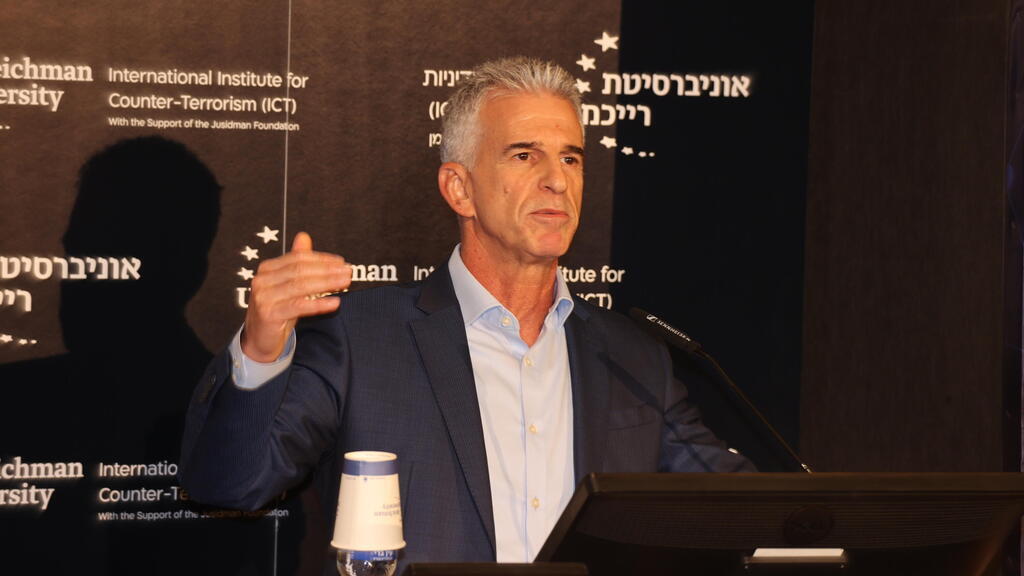
Mossad Head to Iran: Israel will take a price from the highest officials in the heart of Iran

On Sunday evening, the head of the Israeli Mossad, David Barnea, threatened Iran with paying the price for any attack that might be carried out against any Israelis or Jews, whether directly or through any of its agents.


Barneyabee said at the annual conference of the Reichmann Institute, that if any attack against any Jew or any Israeli target, Iran will pay a heavy price, and the response will be in the heart of Tehran and will affect the largest leader who instructed him to carry out such an attack. I mean this, the price will be brought with great precision, starting with Who carried out the process and reached the highest levels of decision-making.


He claimed that his forces thwarted 27 Iranian attacks during the current year alone, and many cells were arrested in different regions and countries.


He said: "There is a significant increase in attempts to harm Israelis and Jews around the world, and we are working to prevent that. All of these incidents were under Iranian direction, so the time has come to set the price for this in a different way than before."


He referred to some of the operations that were thwarted, including the arrest of an Iranian intelligence officer in Tanzania, the attempted attack on the Chabad house in Athens, the attempted assassination of an Israeli businessman in Georgia, and other events.


He added: "The Iranian regime no longer has room for denial, as it basically has no immunity, and our message is clear and firm, to all those cells and those behind them: We will reach you, and we have proven that in the past, and we have no other choice."


He pointed out that there is real concern in Israel about Russian-Iranian security cooperation, and the possibility of Tehran obtaining Russian weapons that may endanger Israeli security.

ARAB AND WORLD

Sun 10 Sep 2023 5:27 pm - Jerusalem Time

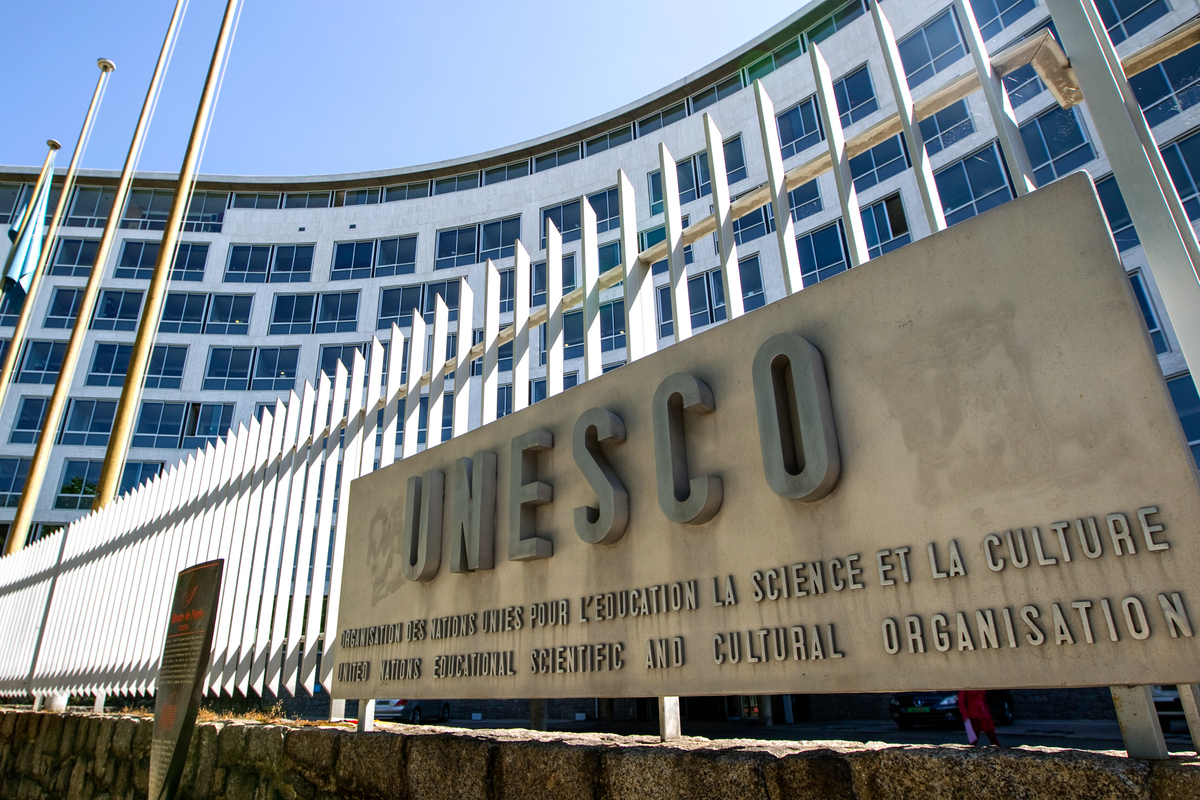
First ever Israeli delegation arrives in Saudi Arabia for UNESCO conference

On Sunday evening, Israeli Army Radio revealed the arrival of an official government delegation to the Kingdom of Saudi Arabia.


The first Israeli delegation of its kind will participate in a conference organized by UNESCO in the Kingdom of Saudi Arabia.


According to the same source, the delegation, consisting of representatives of the Israeli Ministry of Foreign Affairs, does not include any minister from Benjamin Netanyahu’s government, although it was supposed to be attended by Foreign Minister Eli Cohen and Education Minister Yoav Kisch.


It pointed out that Saudi Arabia refused to grant visas to the two Israeli ministers, who in turn apologized for attending at an American request to prevent sabotage of communications efforts with Saudi Arabia to normalize relations.

PALESTINE

Sun 10 Sep 2023 5:16 pm - Jerusalem Time

Bullet injuries during confrontations with Israeli army in Hebron

Today, Sunday, 5 young men were injured by live bullets during confrontations with Israeli occupation forces stationed at the entrance to Al-Arroub Camp, north of Hebron.


Sources from the Red Crescent reported that its crews provided first aid to two young men who were injured by live bullets in the lower extremities, while three young men who were also injured by live bullets in their lower extremities were transferred to a health center.


The confrontations broke out after the funeral of the martyr Milad Al-Rai (16 years old), who died yesterday evening from being hit by occupation bullets at the entrance to the camp.

PALESTINE

Sun 10 Sep 2023 4:44 pm - Jerusalem Time

Occupation forces seize water tank east of Ramallah

On Sunday evening, Israeli occupation forces seized a water tanker in the village of Burqa, east of Ramallah.


According to local sources, these forces stormed the village and seized a tank pumping waste water, belonging to the citizen Sanad Adnan Barakat, under the pretext of working in Area C.

PALESTINE

Sun 10 Sep 2023 4:38 pm - Jerusalem Time

Occupation forces seize two bulldozers south of Nablus

Today, Sunday, Israeli occupation forces seized two bulldozers that were working on constructing agricultural roads in Huwwara, south of Nablus.


According to local sources, these forces seized two bulldozers working on constructing agricultural roads in the northern side of the town, 1.5 km long, and prevented the continuation of work there, under the pretext that they are areas classified as “C.”


The sources indicated that the construction of roads came with the support of Agricultural Relief in the Hawara plains, in order to strengthen the steadfastness of citizens and facilitate their access to their lands, near which the occupation is constructing a bypass road.

ARAB AND WORLD

Sun 10 Sep 2023 3:31 pm - Jerusalem Time

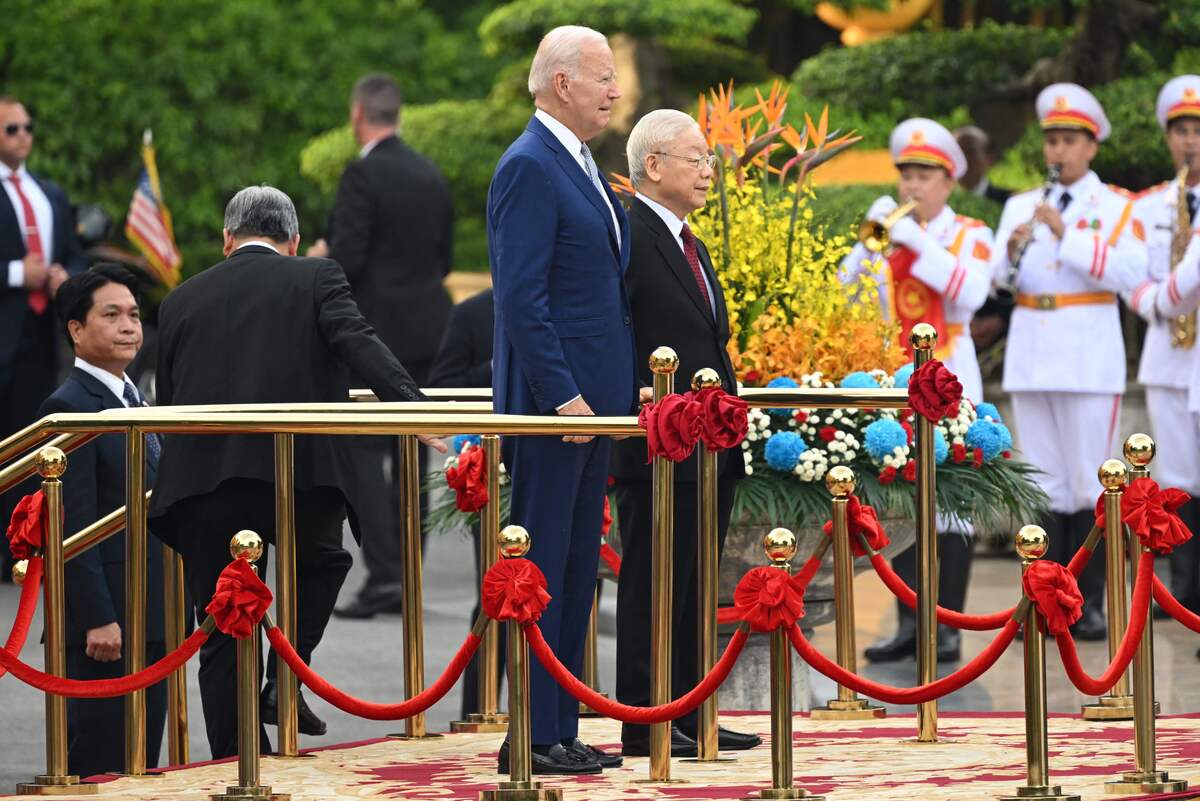
Bidens visit Vietnam, expectation of an “era of greater cooperation”

US President Joe Biden expected "the beginning of an era of greater cooperation" with Vietnam, which he reached on Sunday, seeking to reach a new threshold in relations between the two countries against the backdrop of growing competition with China.


The US President said at the beginning of his meeting with the leader of the ruling Communist Party, Nguyen Phu Trong, that "Vietnam and the United States are essential partners" at a "very important" stage for the world.


The Vietnamese official welcomed his guest, wishing that the visit would be "successful."


He praised the health of the 80-year-old US President, saying that he "has not aged a single day, but rather looks better than ever," in a comment that caused Biden to laugh.


The two sides are scheduled to sign a "broad strategic partnership." Until now, Vietnam has only concluded such a partnership, which represents the highest degree of diplomatic closeness it has established, with Russia, India, South Korea and China.


While Hanoi is careful not to side with Washington or Beijing, it shares the United States' concerns about Beijing's claims in the South China Sea, which constitutes an almost constant source of tension in the region.


On the eve of Biden's visit, the New York Times reported that Vietnam was secretly negotiating a new arms deal with Russia despite international sanctions.


The American newspaper quoted a document from the Vietnamese Ministry of Finance, stating that this agreement is likely to be financed through a joint oil project between Russia and Vietnam located in Siberia.


US Deputy National Security Advisor John Feiner spoke to reporters on Sunday about the decades-long military cooperation between Russia and Vietnam.


But, according to Viner, there is “growing concern among the Vietnamese” about this relationship, noting that Washington and its allies could help Hanoi “diversify its partners.”


The United States and Vietnam, an industrial hub, have increasingly close trade relations. Washington considers Hanoi an important partner and seeks to create global industrial channels that are less dependent on China.


Sunday's program includes a reception, speeches and a press conference by the US President, who on Tuesday awarded the highest military award to a helicopter pilot who saved four soldiers during the Vietnam War.


The next day, Biden will meet with the Prime Minister and President of Vietnam.


On the eve of the US President's arrival, the Hoan Kiem Lake neighborhood in central Hanoi, which is frequented by families, was decorated with American and Vietnamese flags.


In a historic neighborhood not far away, a souvenir shop sells T-shirts with Joe Biden's face printed on them.


"I think the United States is a good friend of Vietnam," said shop owner Truong Thanh Duc (61 years old).


The store owner predicted that "President Joe Biden's visit will bring more business contracts and jobs for the Vietnamese people."


However, the American leader will have to reconcile strategic interests with the defense of human rights, and Vietnam has a disastrous record in the latter area.


Opponents face intimidation, harassment, and imprisonment after unfair trials, and cases of torture to extract confessions have been reported, according to Human Rights Watch.


Biden, who often criticizes China's human rights record, has remained silent on Vietnam. Activists doubt that he will address this topic.


White House National Security Advisor Jake Sullivan confirmed Tuesday that the president will raise issues related to freedom of expression, religious freedoms and other basic human rights.
His visit comes shortly after a US government commission published a scathing report on religious freedom in which it condemned "ongoing and apparently worsening" violations in Vietnam.
On Saturday, Nguyen Bac Truyen, a legal expert and religious freedom advocate who was sentenced in 2018 to 11 years in prison for subversive conspiracy, announced on Facebook that he had been released and allowed to travel to Germany with his wife.
Vietnam often releases political prisoners before US presidents visit.
To visit Hanoi, Biden prematurely left the G20 summit, where leaders failed to agree to condemn the Russian attack in Ukraine or call for abandoning fossil fuels.
Since 1995, all US presidents have visited the Southeast Asian country.
Sullivan said Biden's visit to Hanoi is part of a decades-long effort "to overcome the painful shared legacy of the Vietnam War."
This legacy will be strongly present during this trip, which will include a visit on Monday to the memorial of US Republican Senator John McCain, who participated in the war and died in 2018.

PALESTINE

Sun 10 Sep 2023 1:37 pm - Jerusalem Time

Confrontations with occupation army in Al-Arroub camp, north of Hebron

Today, Sunday, confrontations broke out with the occupation following the funeral of the child martyr, Milad Al-Rai, in the Al-Arroub camp, north of Hebron.


According to local sources, the occupation forces fired sound and gas bombs at the young men at the entrance to the camp, and the occupation closed the entrance and prevented citizens from entering or leaving the main entrance gate.

PALESTINE

Sun 10 Sep 2023 1:00 pm - Jerusalem Time

Israel reopens the Kerem Shalom crossing to resume exports from Gaza

On Sunday, Israel reopened the Kerem Shalom commercial crossing to resume Palestinian exports from the Gaza Strip to the occupied West Bank and Israel, after closing it for about a week due to an attempt to smuggle “explosives.”


A Palestinian official at the crossing told Agence France-Presse, "This morning, exports from the Gaza Strip to the West Bank, the Israeli side and abroad were resumed."


The official, who requested to remain anonymous, added, "A number of trucks, one loaded with ready-made clothes and the other loaded with scrap iron, entered the crossing early this morning toward the Israeli side."


The Israeli authorities, which have imposed a siege on the Gaza Strip since 2007, announced on Monday that they had suspended all exports of goods from the Gaza Strip after thwarting an attempt to smuggle explosives.


The Israeli Ministry of Defense said in a statement that the army found at the Kerem Shalom crossing “several kilograms of high-quality explosives hidden in a shipment of clothes carried by three trucks.”


PALESTINE

Sun 10 Sep 2023 10:41 am - Jerusalem Time

Three detainees continue their open hunger strike

Three detainees in Israeli occupation prisons continue their open hunger strike, in light of the deterioration of their health condition.


The Prisoners' Club said that the health condition of the striking detainees, Sultan Khalouf, Kayed Al-Fasfous, and Maher Al-Akhras, has deteriorated over time, and despite this, the prison administration has not responded to any of their demands.


He added that the detainee Khalouf (42 years old) from the town of Burqin, west of Jenin, who has been on a hunger strike for 39 days in rejection of his administrative detention, faces a continuous deterioration in his health condition, as he is detained in a cell “in the Ramle prison clinic.”


He explained that the health condition of detainee Khalouf is difficult, as he suffers from vomiting, to the point of vomiting blood, poor vision, severe headaches, dizziness and difficulty standing, and he moves around using a wheelchair.


He stressed that great fears are increasing regarding his fate, as the occupation prison administration is exercising great pressure against him, including eating food in front of him, and trying to convey messages to him that he is alone, and his people will not stand with him.


It is noteworthy that the detainee, Khalouf, began the strike from the moment of his arrest on August 3, 2023, and an administrative detention order was issued against him for a period of four months, noting that he is a former prisoner who spent years in the occupation prisons, and he had gone on a hunger strike in 2019, which lasted for (67 years). ) one day, in refusal of his administrative detention.


The prisoner, Al-Fafsous, from Dura in Hebron (34 years old), has been on strike for 39 days and has been detained since May 2. He is a former prisoner who spent about 7 years in the occupation prisons. He went on a hunger strike at the end of May and the beginning of last June for 9 days. He is married and the father of a daughter. He also went on strike in 2021 against his administrative detention, which lasted for 131 days in 2019, and he is detained in the cells of the Negev.


The mute prisoner (52 years old) from the town of Silat al-Dhahr in Jenin has been on strike for 19 days. He is a former prisoner who spent five years in the occupation prisons, the last of which was in 2020, during which he embarked on an open hunger strike in rejection of his administrative detention that lasted for 103 days. He is married and a father. He has six children, noting that he is detained in the cells of “Al-Jalama” detention center.

PALESTINE

Sun 10 Sep 2023 10:31 am - Jerusalem Time

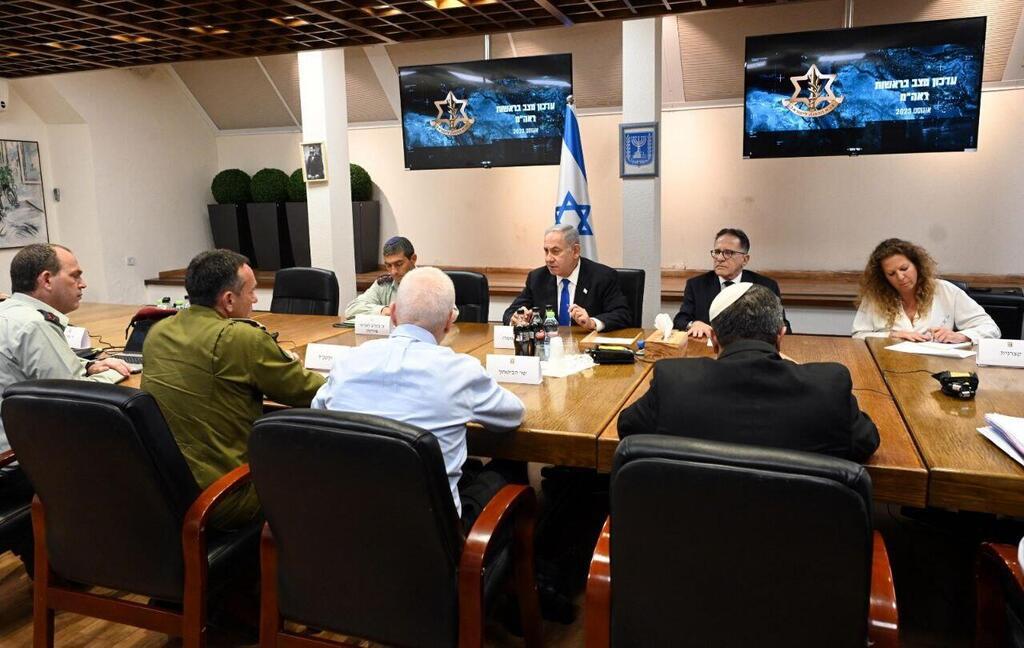
Netanyahu will hold security discussion on situation in the West Bank and in prisons

Today, Sunday, Israeli Prime Minister Benjamin Netanyahu will hold a security discussion against the backdrop of increasing warnings of the possibility of carrying out attacks before and during the Jewish holidays that begin this weekend.


The meeting comes in preparation for the discussion that the mini-cabinet will hold next Tuesday, during which the focus will be on the decision of Minister of National Security Itamar Ben Gvir to limit visits to Palestinian prisoners.


According to the Hebrew website Ynet, Israeli Defense Minister Yoav Galant, Ben Gvir, Army Chief of Staff Herzi Halevy, Shin Bet head Ronen Bar, and others will participate in the security discussion.


The Israeli security services oppose taking any measures against the Palestinian prisoners to prevent the situation from escalating.


OPINIONS

Sun 10 Sep 2023 10:07 am - Jerusalem Time

Israel is racing against time to Judaize what remains of Jerusalem

Al-Quds op-ed

Al-Quds op-ed

Opinion Writer

The occupying state does not sleep for a single minute in order to definitively Judaize the city of East Jerusalem, after annexing it following the occupation of 1967, as well as following former US President Trump’s recognition that Jerusalem is the capital of Israel, disregarding all international laws and norms that confirm that the city is occupied and that all Israeli measures... The city is illegal and against international resolutions.


In order to complete the procedures for full Judaization, it was announced yesterday that the Israeli Planning and Construction Committee will discuss tomorrow, Monday, the establishment of two new settlements in East Jerusalem, one of which is located in the southern part of the city next to the “Givat Hamatos” settlement and includes residential complexes (3,500 units) and hotels (1,300). ) Chamber and commercial and labor areas.


As for the second settlement, it will be established in the Ras al-Amoud neighborhood in Silwan, the Chiyah area, and it includes 384 settlement housing units and is called “Kedmat Zion.” The goal is to accelerate the procedures for Judaizing the entire city.


The acceleration process came under the current Israeli government, which is considered the most right-wing, extremist, and racist in the history of successive Israeli governments, but it is also the most revealing of the reality of the occupying state that aims to annex, expand, and increase the number of settlements and settlers, not only in East Jerusalem, but in all parts of the West Bank, considering According to their claims, the West Bank is Jewish land, and the Jews have the right to build settlements and increase the number of settlers there.


In addition to this, there is the Israelization of education and the replacement of the Palestinian curriculum in the city with the Israeli curriculum, which distorts the Palestinian, Arab, Islamic and Christian facts and history in Jerusalem.


The occupying state threatened schools that would continue to teach the Palestinian curriculum that they would be closed and their permits would not be renewed, in addition to confiscating Palestinian curriculum books and distributing the Israeli curriculum to schools in a new precedent and in a struggle against time to Judaize the city.


In addition, there are demolition operations in full swing, especially in Silwan, Anata, Sur Baher, Al-Mukaber, and all areas of Jerusalem, to force the people to emigrate out of the city or out of the country, in the context of a process of ethnic cleansing that has been disclosed by more than one minister and Israeli official, that the goal of each The occupation measures in Jerusalem are to transform it into what is happening in Jaffa, meaning to keep the number of Jerusalemites not exceeding 20% of the population and 80% of the Jews.


There are also attacks on citizens, which include killing, arrest, injury, and disability, in addition to the taxes imposed on merchants to force them to close their stores as a prelude to seizing them. Houses have also been seized in the Old City and outside it under various allegations, and the Sheikh Jarrah neighborhood is the best evidence and witness to that.


In light of these measures and plans in full swing, what are we doing to confront this? What are the measures taken at the level of the leadership and all the factions? Issuing statements of denunciation and denunciation have become worthless, and the occupying state does not pay any attention to them. However, instead of uniting ranks to defend Jerusalem, we see the division still existing, and even deepening to the point where it may reach, if not He had not reached the point of separation.


Jerusalem is not for the Jerusalemites alone to defend, but rather for all Arabs, Muslims and Christians in all parts of the world, so where is everyone to protect the city and to Judaize and Israelize it?!!

OPINIONS

Sun 10 Sep 2023 10:02 am - Jerusalem Time

Sebastia and the occupation's attempts to steal Palestinian land and its history

Nihad Abu Ghosh

Nihad Abu Ghosh

Opinion Writer

Dozens of small and large daily battles are taking place across the Palestinian territories without much fanfare. These battles ostensibly aim to carry out small and limited robberies, within the framework of continuing to annex and Judaize the Palestinian lands. However, in their entirety, they represent the implementation of a program to resolve the conflict with security policies and unilateral decisions and without any Negotiation. Sometimes the occupation army and official state institutions, such as the Environmental Authority or the Antiquities Authority, take the initiative, and at other times the settlers take the initiative, protected by the army and Israeli law, to carry out plundering and robbery of Palestinian lands and property. This method has revived in recent years with the emergence of what is called pastoral settlement. But there is a thread that brings all these operations together, and if we link them to what the army, security services, the Israeli government and its various agencies are doing, then we are facing a single, comprehensive operation, whose links are integrated to deprive the Palestinian people of the material and moral components that enable them to build their independent state, by depriving them of land and all symbols and factors. Historical matters that created their national identity, their way of life, and their culture, such as religious sanctities, antiquities, and natural resources. After that, the most that remains for our people will be some facilities and improvements that are, in essence, retreats from artificial restrictions.

Among the main elements that the occupation seeks to strip us of are natural reserves, most notably the Umm al-Rihan Forest in Jenin Governorate, the forests and areas of Wadi Qana between the governorates of Salfit and Qalqilya, Wadi al-Qaf north of Hebron, and Umm Safa and Zarqa northwest of Ramallah, in addition to the areas classified (D) as reserves. Natural, such as the wilderness of Bethlehem and Hebron in the south of the West Bank.

The Religious Zionism Program, headed by extremist Minister Bezalel Smotrich, stipulates that all of Palestine’s lands, natural resources, and antiquities are the exclusive property of the “Jewish people” with a pure gift from God, and thus calls for complete control over the forests, forests, valleys, springs, caves, and antiquities. The rest of the Israeli forces refrain from declaring this for fear of international criticism, but they implement it in practice, as did successive governments, including the Labor, Kadima, and Likud governments. Rather, the Oslo Accords planted the seeds of this control by dividing the occupied territories into classifications (A), (B), (C), and (D), with official Palestinian approval of this division.

The Israeli settlement program aims to control the largest possible areas of the Palestinian territories and what is on them, and to cram the Palestinians into the towns and cities in which they reside within their currently limited areas by turning them into ghettos (Bantustans) devoid of all elements of future planning, growth and development. Confrontation with this plan is almost limited to the families affected by these policies, and some statements and reports issued by specialized civil society organizations and bodies linked to the authority. The matter is not devoid of heroic movements and struggles undertaken by the people, as in Masafer Yatta, the Jordan Valley, Sebastia, and the villages northeast of Ramallah and south of Nablus, but these struggles often remain scattered and seasonal, and lack coherence with each other and with the effort required of the official and civil Palestinian institutions, so that in their unity they form a context of struggle. Influential and effective against Israeli policies. On the other hand, the practices of the occupation army are integrated with the state’s various judicial, political and administrative institutions and the settlers’ aggressive actions, including the activities carried out by the Regavim Foundation, which specializes in monitoring, reporting and following up on Palestinian “violations” in lands classified as (C) legally, even if the matter is merely a matter of Digging wells to collect rainwater.

The town of Sebastia, northwest of Nablus, represents a unique example of the people’s struggle against the occupation’s plans to control the land and steal Palestinian history and antiquities. This town had a distinctive role in the history of the East during the Roman, Hellenistic, and Byzantine eras, and its antiquities bear witness to its greatness and the richness of Palestinian history. In the town there is a shrine that is said to be the body of the Prophet Yahya (John the Baptist). The Gospels and narratives say that the Ghanaian Salome asked for the head of John from her uncle, King Herod, because the Prophet rejected the king’s marriage to her mother, Herodias, his brother’s wife, so he complied with her. The town was and still is at the heart of Israeli ambitions and threats, which prohibit even attempts to care for and protect the antiquities. What is strange is that the zoning line between classifications (B) and (C) deliberately separates the antiquities from the town and keeps them within Area C, which is under full Israeli administrative and security control.

Despite the scarcity of capabilities and the unfairness of the agreements, the people developed effective mechanisms to preserve the town’s archaeological treasures, including the cathedral, the Roman amphitheater, and the Street of Columns. Among the modern monuments is Al-Kayed Palace, which was transformed into an active center for youth service and social activities. This was done at the initiative of the well-known feminist activist, the late Inaya Al-Kayed.

The town's institutions and bodies have been constantly educating their young men and women about the history of the town and the national and humanitarian importance of its antiquities. The writer touched on this during a tour with a group of activists in the comprehensive scientific and historical explanation led by the young doctor Fares Nizar Al-Kayed, who revealed to us the frantic attempts to fabricate a Jewish history of the town and its antiquities to justify Looting it and stealing its lands and antiquities. These are attempts that began with the exploratory missions that preceded the Zionist invasion, especially the missions of Harvard University in the middle of the 19th century. However, they did not find any tangible evidence of their anti-scientific attempts to link history with the narratives of the Torah, so they replaced that by stealing the most important archaeological finds and depositing them in American museums. .

The efforts of the people have succeeded in improving the tourist facilities that have begun to attract family tourist trips from Nablus Governorate, but this needs to be developed to encourage national tourism, especially school tourism. The most important thing is to launch a comprehensive national campaign to defend the town and its impact and to seek the assistance of UNESCO and other cultural, tourism and human rights bodies in the world. It is unthinkable. The task of defending Sabbat and its antiquities should be the responsibility of the people of the town alone, and it cannot be assumed that defending Jerusalem and its sanctities is an exclusive matter for the citizens of Jerusalem.