PALESTINE

Tue 03 Oct 2023 1:05 pm - Jerusalem Time

killer of the Palestinian Maatan... spitting on Christians is an old Jewish custom

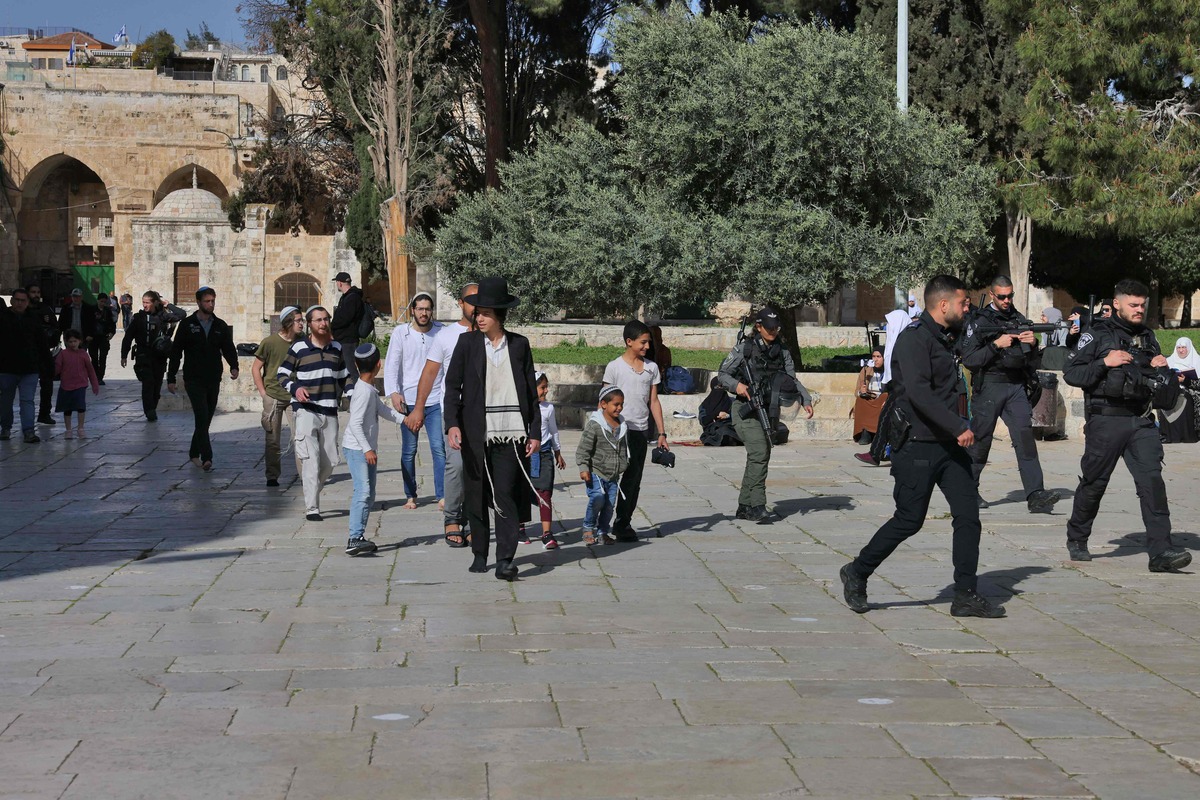
A video clip published yesterday of settlers spitting on Christian clerics in the Old City of occupied Jerusalem sparked controversy about the increase in this phenomenon, especially at the time of Jewish holidays.


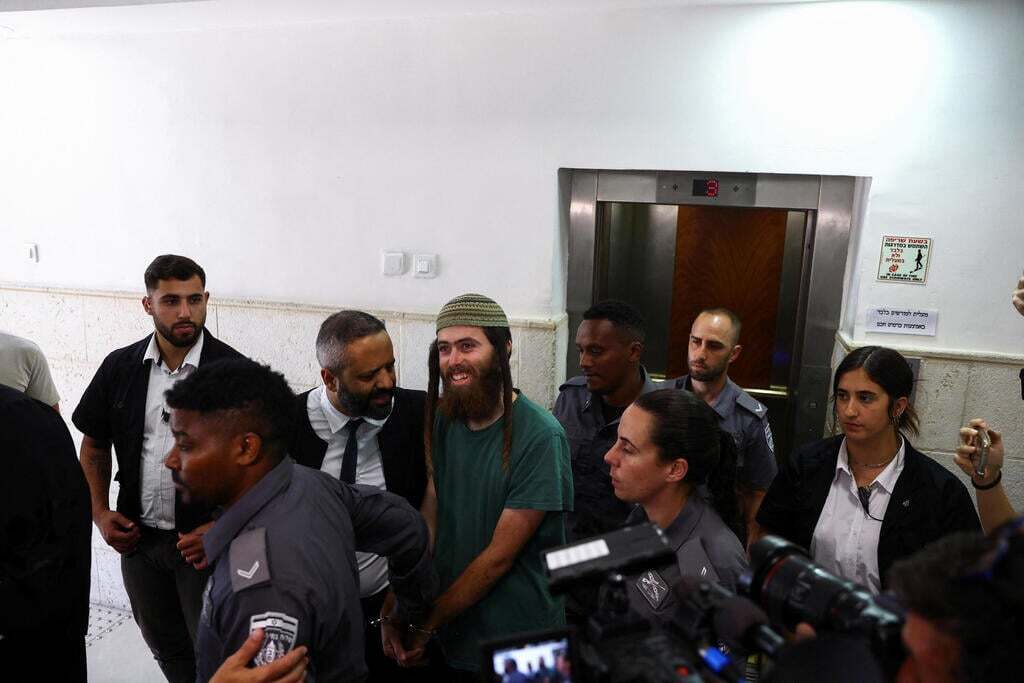
This uproar increased after Elisha (Elisha) Yared, the settler accused of participating in the killing of the young man Qusay Ma’tan from the village of Burqa near Ramallah, tweeted in recent months, who said in his tweet on the “X” platform, “It is an appropriate time to remember that the habit of spitting “Near priests or churches, it is an ancient and long-standing custom, and a very ancient Jewish custom.”


Wiard previously served as spokesman for MK Limon Son Har-Melech of the Jewish Power party led by extremist Itamar Ben Gvir.


Yared considered what the settlers were doing to be “a special blessing that grants a long life to those who pray, and that its aim is to glorify the Almighty God, who blames the bad actions of foreigners and does not punish them.” like he said.


He added: "Maybe under the influence of Western culture a little, we have forgotten what Christianity is, but I think the millions of Jews who went to the Crusades in exile, suffered the Inquisition, torture, blood plots and mass pogroms, so we will never forget that."


PALESTINE

Tue 03 Oct 2023 12:59 pm - Jerusalem Time

Since October 2015, Israel has arrested 53,000 Palestinians

The Prisoners' Club said, with the passage of eight years since the "popular uprising", "The occupation has arrested more than (53) thousand Palestinians, since October 2015, the date of the outbreak of the (popular uprising) until the beginning of October of this year, and it was Among them are about (9,200) children, and (1,261) women and girls, while the number of administrative detention orders reached more than 13,000.


The club confirmed in a statement, today, Tuesday, that the occupation, since 2015, has remarkably escalated the number of arrests, crimes and systematic violations that have increased significantly over the past year and the current year, and the occupation has continued with all its systematic and consistent policies of abuse.


The issue of administrative detention, along with the escalation in the level of crimes, constituted the most prominent change in the data regarding the reality of arrest operations and the numbers of administrative detainees, specifically since last year, as the occupation continues to issue hundreds of administrative detention orders, and the highest percentage among the ranks of administrative detainees was recorded in more than 20 years. During this year, their number reached more than 1,300 administrative detainees.


The issue of prisoners has witnessed important and pivotal milestones since 2015, especially since a new generation was thrown into prisons, and the occupation system worked, with all the tools at its disposal, to consolidate its crimes, by inventing racist (legislation), laws, and military orders, to target detainees, prisoners, and their families, in An attempt by the occupation to undermine any escalating state of struggle in which the Palestinian seeks self-determination.


Over the course of these years, the prisoners in the occupation prisons continued their struggle against the measures of the fascist occupation regime, with all the tools and forms of struggle that they possessed, and the most prominent of these tools was the hunger strike, whether through individual strikes that imposed themselves since late 2011 and continued, alongside them, the collective confrontation. .


The number of prisoners today in the occupation prisons is more than (5,250) female prisoners, including (39) female prisoners, (170) children, and (1,913) administrative detainees.


PALESTINE

Tue 03 Oct 2023 12:51 pm - Jerusalem Time

Israeli forces expel a Druze delegation from Al-Aqsa Mosque


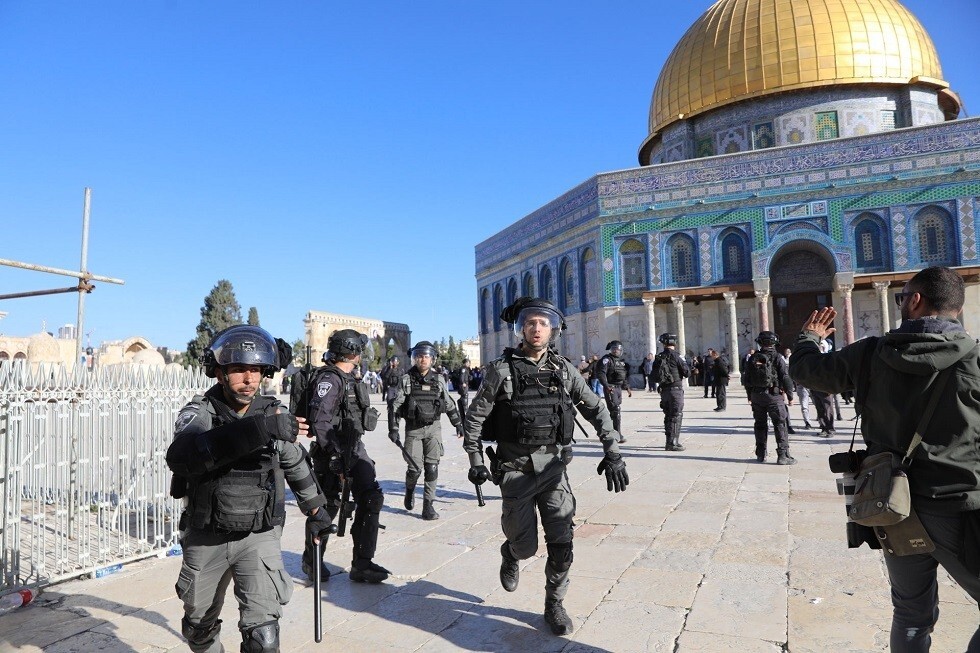
On Tuesday afternoon, the Israeli occupation forces forcefully expelled a Druze delegation from the blessed Al-Aqsa Mosque, which came on a pre-arranged visit with the Islamic Endowments to visit the mosque.


The Islamic Endowments said in a brief statement issued by it, “The occupation police expelled a delegation of Druze who were on a special visit to the Islamic Endowments Department.”


The delegation included Sheikh Ghassan Badr, Sheikh Wadih Azzam, and Sheikh Al-Qasim, all of whom are from the village of Julis.

PALESTINE

Tue 03 Oct 2023 12:40 pm - Jerusalem Time

Re-election of Palestine as Vice-President of General Assembly of Islamic Organization for Food Security

The State of Palestine, and the Republics of Bangladesh, Gambia and Tunisia were re-elected as Vice-Presidents of the General Assembly of the Islamic Organization for Food Security.


This came during the participation of the Palestinian International Cooperation Agency, represented by its Director General, Ambassador Imad Al-Zuhairi, in the work of the Sixth General Assembly of the Islamic Organization for Food Security, which was held in the Qatari capital, Doha, and organized by the Islamic Organization for Food Security and the government of the State of Qatar.


Al-Zuhairi stated that the conference, in which a number of governments, international organizations, specialized bodies and agencies participated, aims to strengthen food security policy in the member states of the Organization of Islamic Cooperation, and it is an important opportunity to exchange proposals and recommendations aimed at raising the level of cooperation to achieve the desired goals, and to involve the civil sector in procedures. Enhancing food security and finding desired solutions for member states.


He added that the Assembly adopted a number of important decisions, including the election of the new office of the General Assembly of the Islamic Organization for Food Security, headed by the State of Qatar, as President of the General Assembly.


Al-Zuhairi pointed out that the conference was an occasion to hold bilateral meetings aimed at strengthening cooperation between the Palestinian Agency and other participating international parties, leading to achieving common goals, especially since the State of Palestine was one of the first countries to ratify the agreement establishing the Islamic Organization for Food Security.

ARAB AND WORLD

Tue 03 Oct 2023 11:00 am - Jerusalem Time

Hezbollah considers demarcation of land border with “Israel” “the responsibility of the Lebanese state”

Hezbollah Secretary-General Hassan Nasrallah said on Monday that demarcating the disputed land border with Israel is the “responsibility” of the Lebanese state, expressing his readiness to cooperate in any step that would “liberate” the land.


This position comes after American envoy Amos Hockstein announced from Beirut at the end of last month that the time has come to demarcate the land borders between Lebanon and Israel after he supervised the demarcation of a maritime agreement between the two countries, which are still officially in a state of war.


The party welcomes "any step that helps liberate the land."


In a speech he delivered via screen during a celebration organized by the party in the southern suburb of Beirut, on the occasion of the anniversary of the Prophet’s birthday, Nasrallah said: “It is said that within days there may be new mediation on” the land border. He added: “For us, this issue is the responsibility of the Lebanese state. If the state accepts mediation and negotiation, then that is its business, and we are not interested in saying we accept this mediation or reject it, and we consider that we are outside this matter.”


But Nasrallah stressed at the same time that “any step that helps liberate the land will also receive solidarity and cooperation between the resistance and the state in the next stage, God willing,” similar to the demarcation of maritime borders. Stressing that "we take our right to water in full, and we take our right to land in full, and we do not bargain over it in any other files or titles."


The ceasefire line, known as the Blue Line, which was drawn by the United Nations in 2000 after the Israeli withdrawal from Lebanon, includes 13 disputed points. From time to time, tensions arise on both sides of the border.


Last October, after long mediation led by Hockstein, Lebanon and Israel signed an agreement described as “historic” that stipulated the demarcation of maritime borders and the lifting of obstacles to exploration for oil and gas in the sea.


Hockstein, US President Joe Biden's senior advisor on energy affairs, said at the conclusion of a visit to Beirut at the end of September: “The time has come to review the framework (..) that allowed reaching a result on the land border level and also working on land peace.”


Under the maritime border demarcation agreement, a consortium of companies including France's Total Energies, Italy's Eni, and Qatar Energy began drilling in Block No. 9 on August 24.


“Indicators are positive in Block 9”


In this context, Nasrallah said: “Our preliminary information indicates that all indicators are positive in Block 9,” considering that the Ministry of Energy and Water’s announcement on Monday that the consortium of the three oil companies submitted two applications to participate in the second licensing round to bid on Blocks 8 and 10 in the Lebanese offshore waters from “Evidence of positive indicators.”


On the other hand, Nasrallah denounced the efforts of countries in the region to conclude normalization agreements with Israel without naming them, and said: “Whoever is the country that is heading towards normalization, when it signs a normalization agreement, it must be condemned and its work must be denounced.”


He believed that the matter was "very dangerous because it is an insult to the Palestinian people (...) and abandons Palestine and strengthens the enemy."


Nasrallah's position came the day after Iranian President Ebrahim Raisi announced that the approach to be adopted towards Israel is "resistance" instead of "normalization and surrender." In September, Raisi considered that normalizing relations between Saudi Arabia and the Hebrew state would be a “stab in the back” for the Palestinians.


Washington is holding discussions with Riyadh and Tel Aviv with the aim of normalizing relations between them.


Saudi Crown Prince Mohammed bin Salman recently said that the Kingdom is “close” to concluding an agreement in this regard.

PALESTINE

Tue 03 Oct 2023 10:59 am - Jerusalem Time

Hamas: Israel escalates religious war against Palestinian Islamic holy sites

Hamas spokesman Hazem Qassem considered, on Tuesday, the Israeli occupation’s prevention of worshipers from reaching the blessed Al-Aqsa Mosque and the Ibrahimi Mosque in Hebron, a new and dangerous escalation of the religious war on our sanctities everywhere.


Qassem said in a press statement, “This aggressive behavior by the occupation is a blatant violation of all human laws and norms, and a disregard for the feelings of all Arabs and Muslims.”


He pointed out that the Palestinian people stationed in all arenas will continue their struggle against the Judaization policy, and will not allow the occupation’s plans to pass, calling on the resistant youth to escalate their strikes in response to the occupation’s aggression against our sanctities and our people in Jerusalem. like he said.

PALESTINE

Tue 03 Oct 2023 10:36 am - Jerusalem Time

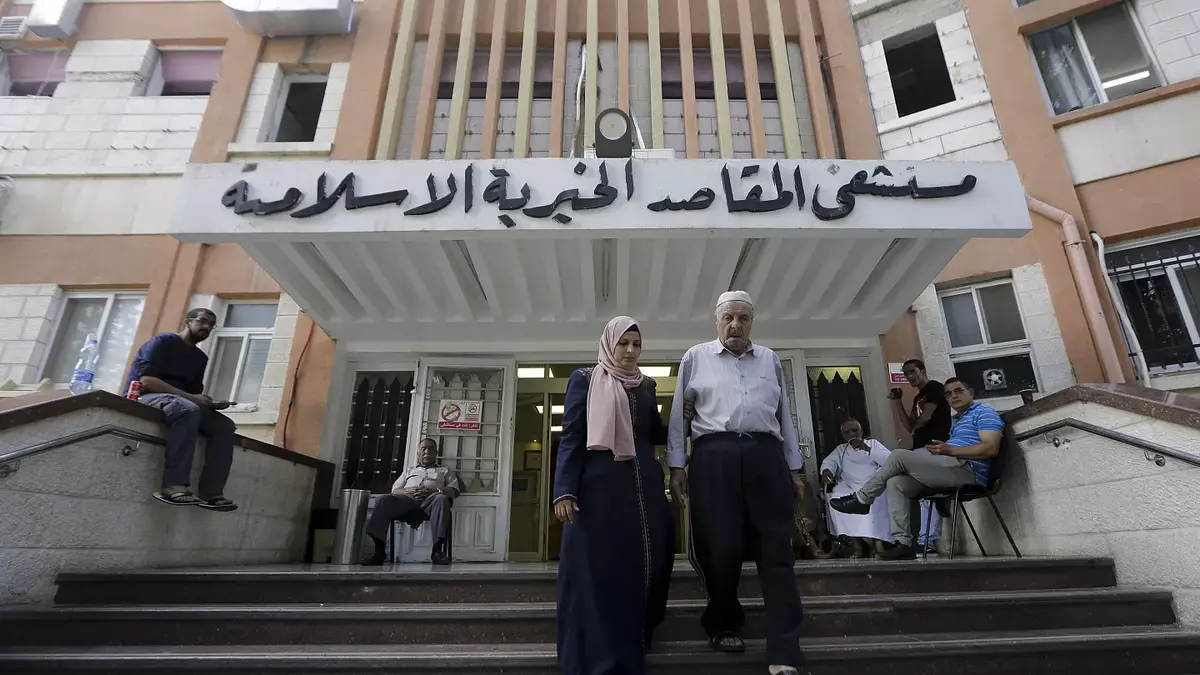
US provides $47 million to hospitals in East Jerusalem

The United States Agency for International Development (USAID) announced on Tuesday morning that it has provided an additional $47 million to the hospital network in occupied East Jerusalem.


The American agency indicated that this payment comes in addition to a previous payment of $14.5 million in July 2022, and all of it is part of the commitment made by US President Joe Biden, which he made during his visit to the region last year, to provide $100 million to hospitals.


The agency said this funding will ensure continued access to critical care by providing $25.5 million for direct debt relief, and another $21.5 million to enhance the long-term sustainability of member hospitals through rehabilitation and renovation of health care facilities, capital investments, and equipment purchases. , capacity building, and technical support.


The statement added: This support for hospitals aims to diversify sources of income and improve the provision of services to patients from the West Bank, Gaza Strip, and East Jerusalem. Through this assistance, USAID supports continuous and uninterrupted advanced health care services for Palestinians that are not available through other institutions.


He continued: These services include highly specialized medical services, such as pediatric heart surgery, nephrology, ophthalmology, neurosurgery, and cancer treatment.


The statement indicated that this assistance comes within the framework of the historic support provided by the United States Agency for International Development to hospital networks in East Jerusalem, which amounted to more than $156.5 million since 2014.

PALESTINE

Tue 03 Oct 2023 10:27 am - Jerusalem Time

Report: 923 attacks by Israeli army and settlers last month

A report by the Wall and Settlement Resistance Commission stated on Tuesday that the occupation authorities and settlers carried out 923 attacks during last September, ranging from direct assaults on citizens, sabotaging and bulldozing lands, storming villages, uprooting trees, and seizing property.


The Commission stated in its report that the violations monitored by the Commission in September were concentrated in the Jerusalem Governorate with 181 attacks, followed by the Nablus Governorate with 144 attacks, then the Hebron and Salfit Governorates with 101 attacks.


It indicated that the number of attacks carried out by settlers reached 123, including organized and dangerous attacks in Masafer Yatta in the Hebron Governorate, Jerusalem, Ramallah, and Jericho. The attacks this month were concentrated in the Nablus Governorate, with 40 attacks, and Hebron, with 22 attacks.


The head of the Wall and Settlement Resistance Commission, Moayad Shaaban, said that the occupation government once again definitively demonstrated its sponsorship of the settler militias by allocating sums of money to the pastoral outposts, which are considered a launching pad for the terrorist Hill Youth groups to carry out attacks against citizens, stressing the danger of this functional exchange of roles. Between the official levels represented by the government and the army, and the informal levels represented by the settler militias that now receive their orders directly from within the corridors of the occupation government.


The report indicates a serious jump in demolition notices submitted to citizens, reaching a record number, as the occupation authorities issued 168 notices to demolish, stop construction, and evacuate facilities, which portends the implementation of many demolition operations in the next phase, most of them in the Jericho and Salfit governorates, with 83 notices, and Nablus, with 28 notices. And Jericho with 27 notifications.


Shaaban pointed out that the occupying state has been focusing campaigns to distribute notices in the recent period in Salfit Governorate, in an attempt to empty the strip that extends from the 48 lands, up to the Ariel settlement, in favor of establishing geographical settlement continuity that isolates Palestinian villages and towns, and strengthens the settlement presence in this region in particular.


While the demolition operations carried out by the Israeli occupation forces during September amounted to a total of 28 demolition operations of homes, commercial facilities, and sources of livelihood, causing the demolition of a total of 74 facilities and sources of livelihood, and were concentrated in the Jenin and Jerusalem governorates.


Shaaban explained that a total of 728 trees were cut down and uprooted. Most of these operations were concentrated in Salfit Governorate, with 335 trees uprooted, followed by Hebron Governorate, with 153 trees uprooted.


The report noted that the occupation authorities studied 16 structural plans for the purposes of expanding settlements, aiming to build 816 settlement units on an area of ​​4,414 dunums, and approved 5 structural plans aiming to build 684 settlement units on an area of ​​204 dunums of citizens’ land, while 11 plans were submitted for subsequent approval. Structurally, it aims to allocate 4,000 dunums of seized land for settlement purposes, in order to build 132 settlement units on an area of ​​170 dunums.


The report pointed out that the occupation authorities renewed an order to seize for security and military purposes 350 dunums of citizens’ lands in the villages of Qatna, Al-Qubayba, and Beit Anan, north of Jerusalem, and Beit Liqya, west of Ramallah, which were seized in 2004 for the purposes of erecting sections of the separation wall on the lands of the villages of the two Jerusalem governorates. And Ramallah, in one of the grave violations of the most basic rules of international law and international resolutions that criminalized settlement and criminalized control over the lands of citizens under the control of the occupation.

-

ARAB AND WORLD

Tue 03 Oct 2023 10:20 am - Jerusalem Time

Moscow accuses Kiev of using cluster bombs in a Russian village

The governor of the Russian Bryansk region, Alexander Bogomaz, announced that Ukraine fired cluster munitions at a Russian village near the Ukrainian border on Tuesday, causing damage to several homes.


Bogomaz added via the Telegram application that preliminary information indicates that there were no casualties as a result of the bombing that targeted the village of Klimovo.


Ukraine received cluster munitions from the United States, but pledged to use them only to expel concentrations of enemy soldiers.


Russian officials in Bryansk and other regions bordering Ukraine have often said that the Ukrainian armed forces are bombing these areas indiscriminately.


Reuters was unable to independently verify what was reported by the governor of the Russian Bryansk region, who did not provide any visual evidence. There has been no comment from Ukraine yet.


More than 100 countries ban the use of cluster munitions. Cluster munitions usually release a large number of small bombs to randomly kill people over a large area. Small bombs that do not explode pose a danger that lasts for years.

PALESTINE

Tue 03 Oct 2023 10:11 am - Jerusalem Time

In numbers: Israel's war on Palestinian posts on social media

Today, Tuesday, the so-called Israeli Ministry of National Security, headed by extremist Itamar Ben Gvir, revealed the details of the war it is leading against Palestinian publications on social media under the pretext of “incitement.”


According to the statement, within 7 months of the formation of the special team concerned with “fighting incitement” via social networks, 759 posts were removed, and an investigation was opened in 40 other cases on charges of “incitement to terrorism,” and more than 100 files are still under investigation or being prepared. position on it.


The statement noted that 25 suspects of incitement were arrested, and 9 indictments were filed in this regard.


The team, which was formed at the end of February of this year, consists of the Israeli police, the Shin Bet, the army, and public prosecutors, and works to monitor “inflammatory content,” examine publications, remove any content, and open investigations into any serious cases.


The Israeli Ministry of National Security claims that the aim of this team’s formation and work is to combat “unbridled and absolute incitement to terrorism through social media networks, which has increased the series of attacks in the last two years.”


Ben Ghafir continued, saying: “For years, senior security officials have been warning that social media networks serve as fertile ground for terrorist organizations to exploit to call for murder, and therefore any dealing with publications that incite terrorism is aimed at preventing any other attack, and what the team has done so far.” He is proving himself and this is only the beginning, and we will continue to cooperate with all parties in order to deal with this phenomenon.” like he said.


He pointed to the arrest of many Palestinians and the filing of indictments against them after publications published on social media carried an “inflammatory” approach, and they also prevented other attacks.


He pointed out that at the present time there is still a state of high alert for fear of attacks, and therefore the team continues to work to address "the phenomenon of incitement to terrorism and prevent brainwashing operations carried out by terrorist elements." According to what he said and described.

PALESTINE

Tue 03 Oct 2023 9:26 am - Jerusalem Time

Launching Radio Basma.. “The Voice of My Country”

Yesterday, I announced the launch of Radio Basma, “Voice of My Country,” with a diverse content that contains a mixture of artistic, cultural, and societal topics in a manner that enhances positive and humanitarian concepts and respect for others, and contributes to spreading awareness and the role of the law in protecting and stabilizing society, complementing and coherent with the role that the Palestinian media plays in Strengthening their role as tools concerned with citizen affairs.


The radio will simulate all segments of Palestinian society, as it will reach all areas of the West Bank and Gaza Strip through its waves, in addition to areas where Palestinians are concentrated inside and in Jordan.


In this context, the Chairman of the Board of Directors of Basma Radio, Moataz Bseiso, said: “We have worked to attract a professional crew of media and artistic names in Palestine and the diaspora to contribute to employing their distinguished expertise in establishing and developing a radio that, in turn, will direct itself to all sectors of Palestinian society, and to care for and embrace the nation’s youth, preparing for them a platform.” It helps them raise their issues and enhance their role in building the future and achieving their ambitions.”


He added, "We invested during the past two years to equip Radio Basma with the latest technologies that help the crew create, produce and present distinguished programs through an advanced and widespread broadcast network to reach every citizen."

In turn, Director of Basma Radio, Mustafa Kablawi, said: “The radio team has worked hard to develop programs that cover most age and societal segments in terms of their content and the content they provide, and we will remain in contact with listeners to ensure the continuous development of radio programs.”


He pointed out that the radio was built by Palestinian hands in accordance with the latest technological standards and digital practices used in radio stations around the world, to enable the listener to interact with what Radio Basma offers in various places on the road, at work, or at home.


Radio Basma broadcasts its programs around the clock, with the main programs starting on weekdays at five in the morning through the program “With Your Enthusiasm,” which is dedicated to hundreds of thousands of Palestinian workers to interact with them, make their voices heard and raise their issues, and to accompany them on their daily journey to their workplaces, and then followed by “Basma.” “Sobh” is a diverse daily program that accompanies employees on their morning commute with entertainment segments, news, and road conditions and checkpoints, and “Zamameer,” which will accompany listeners in the afternoon as they return home, in addition to many specialized segments that include entertainment, music, cars, fashion, social networks, sports, health, and leadership programs. Highlighting Palestinian innovators around the world, a program specializing in the latest developments in technology, and various dialogue programs, especially with young people.


It is possible to listen to Radio Basma through the website basma.ps or over the air via the automatically mobile FM frequencies: Jerusalem (105.4 or 93.4), Gaza (89.8), Hebron (89.8), Nablus (91.2), Ramallah and Al-Bireh (105.4). or 91.2), Bethlehem (93.4), Tulkarm (95.3), Jenin (91.9), Qalqilya (95.3), Jericho (100.7), Rawabi (101.2), Triangle (95.3), Jaffa (89.8 or 105.4), North (95.3). ).

OPINIONS

Tue 03 Oct 2023 9:23 am - Jerusalem Time

Israel and paying entitlement to peace

op-ed "AlQuds" dot com

op-ed "AlQuds" dot com

Opinion Writer

The most important person is those who believe that peace in the region can be achieved without the Palestinian people restoring their full and inalienable national rights to return, self-determination, the establishment of an independent Palestinian state with Holy Jerusalem as its capital, and the departure of the occupation from the Palestinian territories occupied in 1967.


The occasion for this statement is that the occupying state announced and continues to announce through its ministers, including Prime Minister Benjamin Netanyahu, who claimed in various statements that peace can be achieved with the Arab countries without establishing an independent Palestinian state in accordance with the two-state solution for two peoples that was approved by the international vision years ago and the occupying state refuses to implement it. .


The American mediation to establish normalized relations between Saudi Arabia and Israel came to confirm, through Saudi conditions, that the establishment of a Palestinian state and the resumption of Palestinian-Israeli peace talks to achieve this goal are necessary and important among the Saudi conditions for the success of the American mediation.


Hence, the occupying state, which welcomed the establishment of normalized relations with Saudi Arabia, must respond to that and work to resume negotiations on the basis of the international vision for a two-state solution, because without that there will be no normalization with Saudi Arabia and no peace in the region, as long as the occupying state denies Palestinian rights.


If the occupying state is serious about achieving peace in accordance with the international vision, then the first step it must take in this aspect is to stop the cancerous settlement, remove the settlement outposts spread throughout the West Bank, and stop the increase in the number of settlers and their attacks, in addition to stopping the Judaization of Jerusalem and attacks on the sanctities, most notably the mosque. Al-Aqsa Mosque and other practical steps that confirm the seriousness of the occupying state.


As for the occupying state providing some facilities to the Palestinians and disbursing the Palestinian Authority’s dues from the clearance it collects for the Authority and deducting from it what it pleases under various pretenses and claims, as well as increasing the number of workers working inside Israel, whether from the West Bank or the Gaza Strip, then such The steps are a rubbish in the eyes, because the Palestinian Authority has the right to obtain all the clearing funds, and the occupying authority, in accordance with international law, must find work fields for citizens whose lands are occupied.


It seems that the United States of America has informed the occupying state of this, because normalization with Saudi Arabia is different from any other normalization, given Saudi Arabia’s position in the Arab and Islamic world, and therefore it will reject any measures that do not lead to the resumption of negotiations between the Palestinians and the occupying state on the basis of the two-state solution, which must be achieved within a period of time. specific time.


Therefore, the ball is now in the Israeli court, which will be responsible for either achieving peace and providing its benefits, or continuing its obstinacy and continued instability in the region.

OPINIONS

Tue 03 Oct 2023 9:21 am - Jerusalem Time

Efforts to revitalize the peace process in the Middle East

Khalid bin Ali Al-Matrafi

Khalid bin Ali Al-Matrafi

Opinion Writer

The Arab Peace Initiative is an initiative launched by King Abdullah bin Abdulaziz - may God have mercy on him - for peace in the Middle East between Israel and the Palestinians. Its goal is the establishment of an internationally recognized Palestinian state on the 1967 borders, the return of refugees, and withdrawal from the occupied Golan Heights, in exchange for recognition and normalization of relations between Arab countries with Israel. .

Over the past three months, many press and research reports and opinion articles have been published by American, Western and Israeli elites, in addition to seminars, television interviews, etc., regarding the imminent normalization of relations between the Kingdom of Saudi Arabia and Israel. I claim to have monitored and seen a large number of them, but it is important to This momentum continued to provide a reading of the Saudi vision regarding promoting peace at the regional level, which stems from the Arab Peace Initiative.

Just as a reminder, the Arab Peace Initiative is an initiative launched by King Abdullah bin Abdulaziz - may God have mercy on him - for peace in the Middle East between Israel and the Palestinians. Its goal is the establishment of an internationally recognized Palestinian state on the 1967 borders, the return of refugees, and withdrawal from the occupied Golan Heights, in exchange for recognition and normalization of relations between Arab countries with Israel. It was in 2002, and the initiative was announced at the Arab Summit in Beirut. It gained Arab and international support.

Why talk about the topic today? While I was in New York, and on the sidelines of the work of the United Nations General Assembly in its 78th session, there was an important ministerial meeting to discuss efforts to revitalize the peace process in the Middle East, headed by Prince Faisal bin Farhan, the Saudi Foreign Minister, along with the Secretary-General. The League of Arab States Ahmed Aboul Gheit, Deputy Prime Minister and Minister of Foreign Affairs and Expatriate Affairs of Jordan Ayman Safadi, Minister of Foreign Affairs of Egypt Sameh Shoukry, and High Representative of the European Union for Foreign Affairs and Security Policy Josep Borrell.

The meeting witnessed the presence of representatives of about 70 countries and international organizations, and about 50 speakers from various countries of the world, where mechanisms for contributing to the coordination of joint efforts to advance the peace process in the Middle East were discussed, and the formation of political, economic, and humanitarian work teams to discuss practical steps and incentives that encourage the revival of the peace process. Arabic peace.

When mentioning the Arab peace process in the Middle East, I am always surrounded by a number of questions from friends, such as: Will there be normalization between the Kingdom of Saudi Arabia, Saudi Arabia, and Israel at the expense of the Palestinians? What if Saudi Arabia yields to the American side that is enthusiastic about normalization between Saudi Arabia and Israel with the approaching US presidential elections of 2024, more than normalization between the Palestinians and Israelis? And what is the region’s view for peace in the next stage? Asking such questions is positive in terms of exploring the Saudi political logic for dealing with... This is a complex file.

Aside from the exaggerations of the American and Israeli press regarding the issue of normalization between the Kingdom and Israel, we must first know that the peace process between the Palestinian and Israeli sides has been stalled since April 2014. As a result of Israel's refusal to stop settlement activity and release former prisoners, in addition to its disavowal of the principle of a two-state solution (Palestinian and Israeli). In fact, our Saudi Foreign Minister was clear in this meeting that its organization aimed to re-talk about the two-state solution, in light of the Israeli escalation in the Palestinian territories. Rather, he was clearer when he said: “People are beginning to lose hope in the two-state solution, and we want to Efforts are being made to bring the peace process back to the forefront, as there is no way to resolve the conflict except by ensuring the establishment of an independent Palestinian state.”

If we understand the context of the comments of our Foreign Minister, Prince Faisal bin Farhan, we will reach Riyadh’s vision of peace with Israel, as normalization is never free with it. Saudi Arabia is able to achieve a breakthrough in the peace process through Washington, and begin the first step in implementing the provisions of the Arab Peace Initiative, and giving... Palestinians have their legitimate rights.

I take your memories back to the sixth of last August, in the joint press conference of the Saudi Foreign Ministers and his American counterpart, and what concerns us as Saudis and Arabs are the statements of Prince Faisal bin Farhan, who said, “Without peace with the Palestinians, any normalization with Israel will have limited benefit, and we must also focus on "We want to reach a path that provides peace, justice, and dignity for the Palestinians, and I believe that the United States has the same direction, and it is crucial that we continue these efforts."

PALESTINE

Tue 03 Oct 2023 9:20 am - Jerusalem Time

Israeli police warn: Protests against Netanyahu's government have become a target for Palestinian attacks

Israeli Police Commissioner Kobi Shabtai warned the leaders of the protests against the government of Benjamin Netanyahu that the marches they are organizing have become a target for armed cells as well as for what he described as “terrorists” who are trying to carry out individual attacks.


According to the Hebrew newspaper Haaretz, this warning came during a meeting held between Shabtai and some protest leaders, a few days after the attack on Nahalat Binyamin Street in Tel Aviv, which was thwarted after a force from the city’s municipal security discovered a Palestinian gunman and confronted him, leading to the death of one of them. , before it is filtered. (The martyr Kamel Abu Bakr from Jenin).


According to the newspaper, Shabtai confirmed that assessments indicated that the attacker was seeking to reach the demonstration area on Kaplan Street at the time.


Shabtawi and the police commanders who participated in the meeting told the protest leaders that there were intelligence warnings about Palestinian intentions to carry out attacks against the demonstrators, and that this now represents a real threat.


According to sources who participated in the meeting, Israeli police commanders asked the protest leaders to ensure the necessity of prior coordination with the police to secure the marches in light of the increasing security risks.


It is expected that the demonstrations will expand next month with the return of the Knesset to deliberations on judicial legislation.

OPINIONS

Tue 03 Oct 2023 9:19 am - Jerusalem Time

Saudi-Israeli negotiation

Abdul Rahman Al-Rashed

Abdul Rahman Al-Rashed

Opinion Writer

Peace projects with Israel are divided into collective and bilateral. Collectivism failed, the Madrid Conference, the Fez Summit initiative presented by King Fahd and then withdrawn after its rejection, the Beirut Summit initiative from King Abdullah, which was rejected by Israel, and the economic peace project, called the “Deal of the Century” and its godfather was Jared Kushner, and it was not achieved.

As for the bilateral agreements, almost all of them succeeded in their declared goals, and the signatories maintained their commitments, and they continue to this day. They began four decades ago when the Camp David Accords ended the state of war and returned the Sinai and the Suez Canal to Egypt, and provided a billion and a half billion dollars in annual American support.

Jordan obtained its demands in the 1994 peace agreement, which included restoring lands equivalent to the size of Gaza, increasing the share of water, and debt exemptions.

Morocco recognized Israel in exchange for its recognition of the Sahara as Moroccan territory. Sudan established a relationship with Israel that included benefits and security and military cooperation.

Lebanon signed an agreement demarcating its water borders with Israel in exchange for recognition of its petroleum rights. The United Arab Emirates and Bahrain in the Abrahamic Agreement, which included multiple economic projects and understandings. In addition to agreements at lower levels with Israel, which included Qatar, the Sultanate of Oman, and Tunisia.

The 1993 Oslo Accord is an exception in both its success and its failure. Accordingly, a Palestinian authority was born with international legitimacy, and a civil government for the West Bank and Gaza, and it moved from Tunisia, along with about 120,000 exiled Palestinians, members of the Fatah movement and their families, to Palestine. It obtained a commitment to annual European and American support, which was halted during Trump’s presidency, then resumed with Biden. But this agreement failed to fulfill the rest of its promises.

What are the goals of the Saudi-Israeli negotiation, if it actually goes ahead?

All Arab-Israeli agreements were based on a bilateral exchange of interests, from Camp David to the last with Bahrain. It is likely that Saudi efforts will follow the same approach. This time, the American proposal was met with multiple Saudi demands that serve its interests. Defense cooperation, which is important for Saudi security, armaments, the nuclear project, and more, while reviving negotiations on a two-state solution. Crown Prince Mohammed bin Salman spoke to the American media about his desire to enable the Palestinian side to negotiate within Saudi efforts. The bilateral negotiations, Saudi-Israeli, will be decided by the two countries. As for the peace negotiations, based on the formula of a Palestinian state and resolving the outstanding issues, the refugees, settlements, the capital, and others, their decisions will be in the hands of the Palestinians alone in their separate course of negotiations. Rapid Palestinian diplomatic action was noted this time, which suggests a desire to benefit from the new movement. The Palestinian Authority was supposed to benefit from other previous Arab bilateral negotiations with Israel, to support its positions, but it did not do so in the negotiations with Lebanon, the UAE, Morocco, and others. Perhaps these paths will empower the Palestinians economically, enhance their entry into Arab markets, work to save the deteriorating living situation and push towards a two-state solution.

The Saudi path may not achieve a Palestinian state, but it will create the political climate supportive of that. Over the decades since the first negotiations, the Arab world and the region in general have changed, which requires understanding these variables, both negatively and positively. This is not the time to blame the Palestinian Authority for missed opportunities, nor to rebuke the Arabs for their failure to support the Palestinian people, but rather to look for opportunities to fix the deteriorating conditions, restore the political situation, and stop Palestinian divisions.

OPINIONS

Tue 03 Oct 2023 9:16 am - Jerusalem Time

Our responsibility is to keep the Palestinian issue a cornerstone of Arab politics

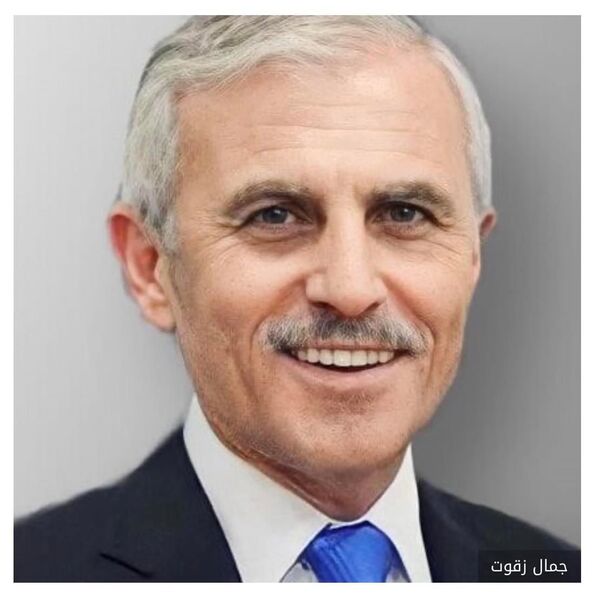
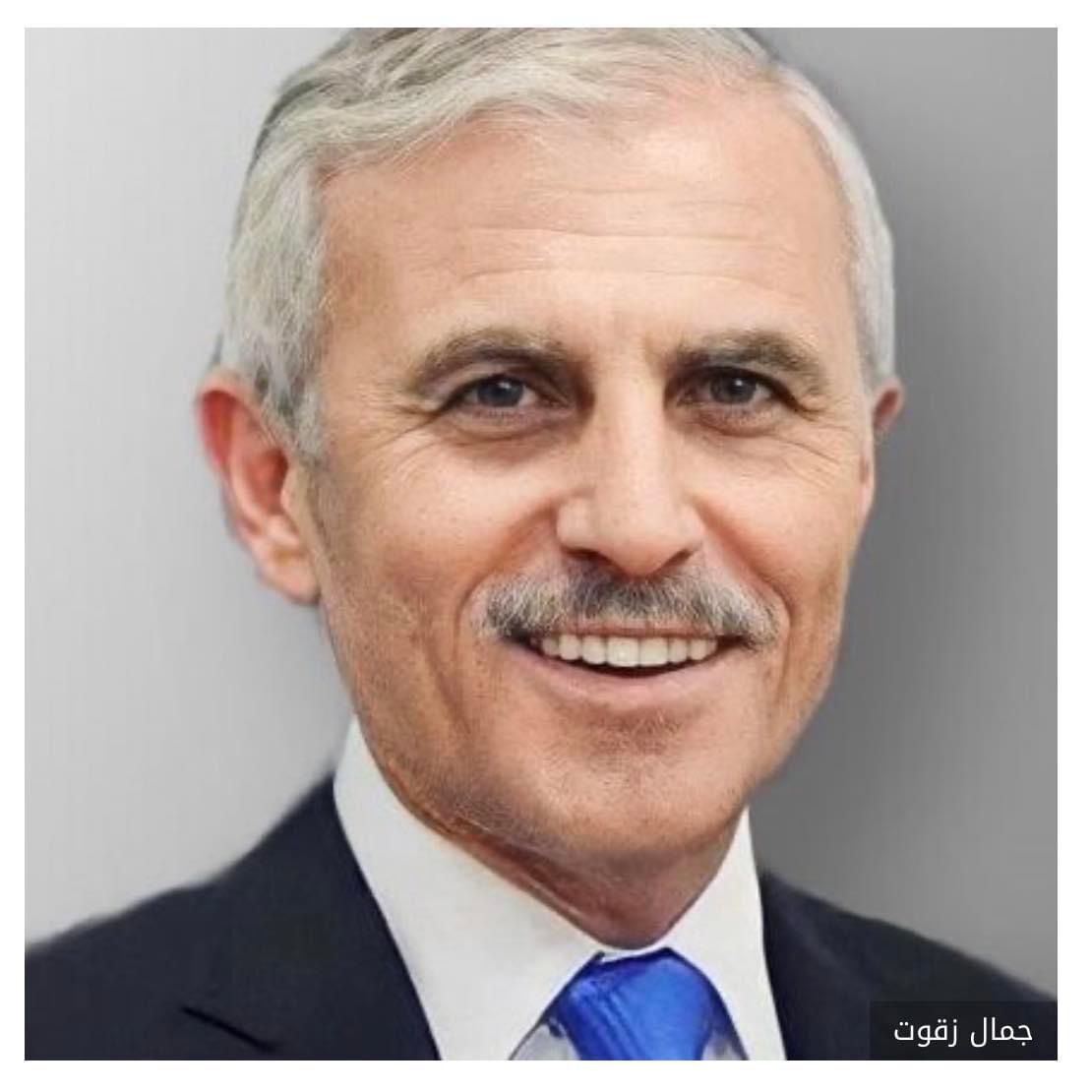
Jamal Zaqout

Jamal Zaqout

Opinion Writer

The main issue at the forefront of the situation in the Middle East has become centered on the American efforts made towards the possibilities of normalizing relations between the Kingdom of Saudi Arabia and Israel, and this comes within the framework of the Biden administration’s need for an achievement that might keep him in the White House. In the context of these efforts, there is talk about the status of the Palestinian issue in Saudi policy regarding its regional role and its conditions regarding the requirements of normalization that have become declared.

The Financial Time newspaper revealed that Saudi Arabia is seeking concessions from the United States, including security guarantees, support for a civilian nuclear program, and obtaining weapons, in exchange for normalizing relations with “Israel.” The American newspaper also quoted Saudi officials that the Kingdom will also need a major positive step from Israel towards the Palestinians, although they did not clarify what this would entail. According to what the BBC reported from the Financial Times.

Thomas Friedman, a columnist for The New York Times, wrote after his meeting with Biden, “Saudi demands from Israel could include a halt to settlement expansion and a pledge not to annex the occupied West Bank.”

Saudi Crown Prince Mohammed bin Salman, in his famous interview with Fox News, confirmed that negotiations on this matter are progressing daily, and the question is what progress is being made regarding Saudi Arabia’s demands from the United States to achieve normalization. Israel, which sees this normalization as its most important historical achievement after the establishment of Israel and the Palestinian Nakba in 1948, announced through its National Security Advisor Tzachi Hanegbi, in response to a question about possible Israeli concessions, Hanegbi said, “Israel will not accept anything that undermines its security.”


But he said: "His country will not worry about the possibility of Saudi Arabia developing civilian nuclear capabilities." This is a clear indication that Israel is not only proceeding with the plan of resolution and annexation, which Netanyahu confirmed in his speech before the United Nations General Assembly by highlighting the map of Palestine as the complete map of Israel since 1948, but also that Hanegbi’s speech carries within it Israeli reservations about providing Saudi Arabia has advanced weapons, including F35 aircraft, which Saudi Arabia seeks to acquire from the United States.

The Kingdom of Saudi Arabia is the owner of the Arab Peace Initiative, and the question is to what extent can the Saudi leadership remain committed to this initiative? Which was reaffirmed by its Foreign Minister before the United Nations General Assembly, as well as the Saudi Ambassador when presenting his credentials to the Palestinian President in Ramallah, and how can the Palestinian leadership be of assistance to it in this? Can Saudi diplomacy achieve any breakthrough at this level, especially under the racist, fascist government led by the “Netanyahu - Smotrich - Ben Gvir” trio?

The Biden administration, which is leading the normalization negotiations, announces at every opportunity its rejection of settlements and the annexation plan, but until this moment it has not been able to force Israel to stop them. Rather, they are expanding daily. It is true that the United States is the only country capable of putting an end to the policy of settlement expansion, which indicates that it has not yet used its weight to achieve this, or that it is also no longer able to oblige Israel to do so.

The most important question remains: How will the Palestinian leadership behave in this rolling process? It is clear that the position of the Palestinian leadership at the Arab and international levels, as well as at the internal level, where the popular division and isolation it suffers from, is too weak to be an influential player in the trends of the ongoing negotiations, despite the Saudi leadership showing keenness to coordinate its position regarding the Palestinian component in the normalization negotiations. led by the United States. The Palestinian leadership’s admission that it does not expect the possibility of obtaining Israeli recognition of a Palestinian state in light of the current conditions constitutes a dangerous indicator that exempts the racist annexation government from the essence of dealing with the Arab Peace Initiative, which has become a component of international legitimacy resolutions, and is based on the equation of recognition and normalization in exchange for complete withdrawal from... The occupied Palestinian and Arab territories, enabling the Palestinians to establish their independent, sovereign state on the 1967 borders with East Jerusalem as its capital, and reaching a just solution to the refugee issue in accordance with Resolution 194.

It is true that the Palestinian leadership is not in a position to conflict with Saudi interests, and this is not required, at least in light of the results of its behavior from previous normalization agreements, but certainly the justification for the survival of the Palestinian leadership is the claim that it is the sole legitimate representative of the Palestinian people and their just cause, which requires it not to compromise in its relations. With various countries of the world about the supreme national interests of the Palestinian people and their legitimate rights as defined by international legitimacy, foremost of which is their right to end the occupation and exercise their right to self-determination, and I believe that the Kingdom of Saudi Arabia will respect this position out of its concern for the Palestinian issue and its Arab and Islamic status.


It is self-evident that the ability of the Palestinian leadership to adhere to this position imposes on it entitlements that have become known to everyone far and wide, foremost of which is restoring unity and mobilizing the ability of the Palestinian people to reject and confront Israel’s plans to liquidate their cause and their inalienable rights. Any delay in achieving this puts the Palestinian leadership in a position of historical responsibility for the possibility of Israel succeeding in achieving its plans, and opening its appetite for progress towards trying to liquidate Palestinian rights. This is on the strategic level, but on the tactical level and to reveal Israel’s true intentions, dozens of Palestinian demands can be highlighted in addition to strict adherence to a comprehensive cessation of settlement and the Judaization of Jerusalem, including, among other issues, obligating Israel to have the right of Jerusalemites to participate in the elections, as happened three previous times, and returning Opening the Orient House and the rest of the Palestinian institutions in Jerusalem, and opening the safe passage between the West Bank and the Gaza Strip, in confirmation of adherence to the unity of the Palestinian entity and the establishment of a Palestinian state with occupied Jerusalem as its capital on the 1967 borders, and stopping the invasions of Palestinian cities and towns and committing murders at the hands of the army and settlers, and releasing prisoners and abolishing restrictions. The Israeli government must pay the National Authority their dues, that is, remove Israel’s attempts to brand their struggle as terrorism, stop pirating clearing funds under this pretext or another, restore the Palestinian police on the Palestinian side of the King Hussein Bridge crossing, and reconsider the unfair Paris Agreement, in a way that responds to the needs of building and developing the economy. The Palestinian national, and before that, the acceptance of Israel and the United States to hold an international peace conference on the basis of commitment to the resolutions of international legitimacy related to the Palestinian issue with the aim of implementing them, and not simply returning to absurd negotiations about whether we have national rights or not or linking that to Israeli approval or not, as happened during the past three decades.

The Palestinian issue still resides in the hearts of the Arab peoples, but the unity and mobilization of the energies of the Palestinian people to confront the aggressive Israeli plans is what makes this issue among the Arab brothers more than just static feelings.

PALESTINE

Tue 03 Oct 2023 9:15 am - Jerusalem Time

Number of infected with Corona virus increases in “Israel”

The number of people infected with the Coronavirus in Israel has risen to 350, after the spread of the new variant.


According to the Seventh Hebrew Channel, there are 70 cases among the injured, described as “serious.”


Israeli hospitals are preparing to receive more infected people in the coming period.


OPINIONS

Tue 03 Oct 2023 9:15 am - Jerusalem Time

The Palestinian-Saudi agreement: “From A to z”

Hani Al-Masry

Hani Al-Masry

Opinion Writer

I am writing this article that presents the story of the Saudi-Palestinian agreement from “A to Z” and I hope that the information contained in it, although it is based on several informed media and political sources, is incorrect, or lacks accuracy. Because if it is true, it means that Saudi normalization is coming. It has begun and could reach its final stop quickly, or after a while, and that there is more than one Palestinian cover for it, even though it does not include ending the occupation or a Palestinian state.


Many months ago, Palestinian-Saudi discussions began in which President Mahmoud Abbas participated in his visit to Saudi Arabia last April, in which Saudi Crown Prince Mohammed bin Salman asked the authority to present a vision for preserving the “two-state solution” and “preserving the chances for peace.” By opening a political horizon, in addition to other discussions in which a Palestinian delegation headed by Hussein Al-Sheikh participated, who met with Nayef Al-Sudairi, the Saudi ambassador to Jordan, several times, before and after his appointment as ambassador to Palestine and a non-resident consul in Jerusalem.


The whole matter was crowned with meetings held by a Palestinian delegation that visited Saudi Arabia in early last September, to outline the points of agreement that the discussions concluded. This was done and it was agreed to consider the Palestinian paper as a reference for both parties.


High expectations and huge disappointment


The Palestinian leadership has begun discussions with the Saudi leadership on a high note. I believed that normalizing an Arab country with the status and importance of Saudi Arabia must provide a great opportunity for the deal being discussed to include an important Palestinian component, especially since the ruler of Riyadh chose to have the Palestinians participate in what he intends to do, and he wants their support. Given the importance of this in marketing the Saudi-American deal, which is being discussed under American sponsorship.


Based on high expectations, the Palestinian side put forward the need for the Arab Peace Initiative to be the basis for dealing with the Palestinian issue. But the surprise was that the Saudi side was looking out for its interests, focusing on its demands for the advanced nuclear reactor, the joint defense treaty, and advanced weapons, and did not put the Palestinian issue among its priorities, as evidenced by the fact that it agreed to let the initiative be the basis of the ongoing process, but with a “simple” amendment. “Turn the situation upside down; He considered that the Arab initiative should not be the starting point, but rather the final goal that work is being done to achieve. As Abdul Rahman Al-Rashed said in his recent article “The Saudi-Israeli Negotiation” published in Asharq Al-Awsat newspaper: “The Saudi path may not achieve a Palestinian state, because like all bilateral agreements, it will be based on bilateral interests as they were.” Likewise, a famous analyst supporting the Saudi position said. That the Arab initiative can be achieved within 5, 10 or 15 years.


The Saudis based their previous position on a Palestinian assessment previously mentioned in the Palestinian paper submitted to them about the difficulty of reaching a final solution, especially on the issues of the state, Jerusalem, and refugees, stressing the need to exploit the current opportunity, by improving resources and living conditions. This is because the current Israeli government cannot agree to the Arab initiative nor the two-state solution.


Yes, it's not realistic to start from here; But this cannot be justified, even though if it happened, it would destroy the discussions from the first meeting due to the Israeli government’s refusal. Is the ceiling what the Kahanist government accepts? The official leadership’s position is also very weak because it deals with the recent Israeli governments within a low ceiling, which is economic peace, without a political dimension, to the point that an official in it said that the authority is ready to stop its unilateral steps (which are intended to internationalize, resort to international courts, and adopt peaceful resistance) if Israel stopped its unilateral steps!!


Transitional settlement - Oslo 2


Therefore, the miserable way out, according to informed sources, which was agreed upon by the Palestinian and Saudi sides was to agree to present “acceptable, realistic demands” that are achievable, and to demand a new three-year transitional settlement (Oslo 2), during which the positive atmosphere necessary to implement the Arab initiative would be created. Focusing on implementing 14 Israeli commitments in the Oslo Accords that were not implemented, such as (the third pulse: stopping settlement, not building new settlement outposts, not legitimizing existing outposts, and many points in the Paris Economic Protocol that were not implemented, and respecting the prestige of the authority, especially by not storming designated cities) A), It is assumed that it is completely under its control, and the prisoners detained before Oslo, etc. are released.


It is noteworthy that the Saudi side also called on the authority, according to the sources, to make new concessions, by submitting specific proposals clarifying what is meant by stopping settlement, and what can be converted from Areas (C) to Areas (A), and saw that the appropriate mechanism to implement what was agreed upon between Riyadh and Ram God is building on the Sharm El-Sheikh and Aqaba agreements to agree on security arrangements and the new transitional phase with the presence of international guarantors, and this requires holding new meetings. Lowering the ceiling from the beginning pushes the Netanyahu government to more extremism.


Failed American-Palestinian talks


In order to complete the picture, in addition to the Saudi-Palestinian discussions, American-Palestinian discussions took place in Ramallah, Amman, and Saudi Arabia itself, in which (information needs to be confirmed) the Palestinian delegation and Barbara Leaf participated in the meetings in Amman and Cairo, and President Joe Biden’s senior advisor, Brett McGurk, in Saudi Arabia. The American position stated the necessity of presenting “realistic” Palestinian demands to the Saudis and Americans in order to contribute to reaching a Saudi-Israeli agreement.


For example, there were Palestinian requests not to use the veto in the Security Council to prevent the state from obtaining full membership, to open the PLO office in Washington, to remove it from the terrorist list, and to open the American consulate in Jerusalem, which means the American beginning to recognize the Palestinian state and provide aid. Directly to the Authority, and pressuring Israel to stop financial sanctions on the Authority, and others.


The American response to these requests was completely negative. Recognition of the state - according to the Americans - is a step that must be agreed upon through negotiation, and it is not a starting point, but rather an ending point. As for the issue of aid, opening the organization’s office, and removing it from the terrorist list, it requires changing American laws, and this takes time. When the Biden administration committed to urging donor countries to continue to support the Palestinian Authority, and to resume support from those countries that stopped it, such as Saudi Arabia; The Saudi response was that we are not a charity, and we will not provide blank aid, and any aid that will come will be huge, but in the context of a political process that begins after normalization.


Perhaps the news of Saudi support for the authority in the amount of 170 million dollars (less than the amount given to the Ronaldo player), including 70 million for security and 100 million for the authority’s budget, is the first relief, and a reward for the positive position of the authority regarding the efforts made for Saudi normalization. What is required of them is not only non-rejection, but rather support and even participation.


As for the other points, they will come later or be implemented. For example, the Palestinian office currently located in the US Embassy is separate from it and reports directly to the US State Department.


Conclusion: The ruler of Riyadh clarified his position in his interview with Fox News, that the Palestinian issue is important, but he limited the matter to talking about improving the conditions of the Palestinians, and did not mention the peace initiative, the Palestinian state, or anything else, and when the Saudi Foreign Minister and Ambassador Al-Sudairi mentioned the initiative And the state, this is within the understanding that we presented above.


Riyadh agreed to Trump's deal


If we go back a few years, we remember that Riyadh agreed to the Trump deal and became angry with the Palestinian President because he opposed it, and stopped the aid it provided to the Authority. This is a very bad deal that was not approved by the Israeli government, and it is less bad than what is proposed now, as it is a state in which Palestinian and borders, even in form, while what is proposed is an attempt to revive Oslo through a transitional settlement, ignoring that the old transitional settlement has lasted until now for more than thirty years, and the data and conditions were better than they are now and did not lead to a state. Rather, the possibility of achieving it has become further and more difficult, if not over. .


Also, the Abrahamic Accords cannot be signed without a Saudi green light, and the gradual Saudi normalization that is taking place clearly indicates where things are going, such as: opening the airspace, and the visit of the Ministers of Tourism and Communications.


Saudi Arabia’s approval of the economic corridor is no less important than normalization, and it indicates Saudi bias in a project that could negatively affect the Chinese “Belt and Road” project, and in Egypt, Lebanon, Syria, Turkey, Iran, and Russia.


The above does not mean that the path to normalization is clear. Rather, the Saudi demands, especially with regard to full-cycle uranium enrichment, have several forms under discussion, to ensure that a Saudi nuclear bomb is not produced, and there are also several formulas for the defense treaty, ranging from the NATO formula to the Bahrain treaty, and so on. Between them are the Korea-Japan treaties, and one of the proposed solutions that Netanyahu referred to is for Saudi normalization to take place in a gradual manner. First, a framework agreement (declaration of principles) will be agreed upon until the American, Saudi and Israeli situation matures to conclude a peace treaty and exchange ambassadors. This is confirmed by the statement of John Kirby, spokesman for the US National Security Council, that the discussions aimed at normalizing relations between Israel and Saudi Arabia have reached a political framework. for a future agreement; The two parties have established a basic structure for what can be moved towards, and everyone must make concessions. Because the agreement is complicated, and this is what Reuters indicated, which showed the progress in the discussions, and confirmed that the discussions are now dependent on the defense agreement.


The hypocrisy of many writers and analysts


I know that criticizing Saudi Arabia is not an easy matter, and it has a price, so we see some commentators who were famous for their harsh criticism of Riyadh’s policy are now being objective, and are talking about two possibilities in explaining the Saudi position: The first is that Saudi Arabia’s flexibility is nothing but a maneuver, and it cannot make a deal. The possibility of it playing a leadership role in the region and the world is weakening, and the other is that Saudi Arabia has made up its mind, and research is underway about the price, timing, and details, and that what it has done in playing on the eastern and western camps is nothing but a tactic to achieve the best possible deal that consolidates the historical alignment.


The decline in the Palestinian and Saudi positions has occurred, and Riyadh’s urging of the Palestinians to seize the opportunity of Biden’s term has great significance, whether the deal is completed or not, and what was presented in the discussions will be the starting point for any future discussions.


I finish what I started and hope that Saudi Arabia will not pursue normalization at the expense of its expected role, and at the expense of the Palestinian cause by claiming that a Palestinian state will come later. That is, do not conclude the deal at such a low price, especially since Israel is in its weakest state, and Netanyahu in particular is in the weakest moments of his life, and America is no longer the sole master of the land. Even talk about stopping issuing new decisions to expand settlement, even if Netanyahu agrees to it, has no meaning. His government has approved the construction of 50,000 settlement units in Jerusalem and the West Bank, and there is no need to issue new settlement decisions. Likewise, there is no meaning in requesting the transfer of part of Areas (C) to (A) or from (B) to (A). Because there is no longer any difference between these areas permitted by the occupation forces since Operation Defensive Shield until now.


Whoever wants the peace initiative, despite the recognition of the settler colonial entity over 88% of Palestine and the two-state solution, must unite and strengthen the Palestinian position, by giving priority to ending the division and restoring unity, and adopting a realistic program, but not surrendering to reality, but rather seeking to Change it, establish good governance that combats corruption, approve elections at all levels on a regular and regular basis, collect Palestinian, Arab and international power and pressure, and employ them to create new facts on the ground and change the balance of power; Where Palestinian rights impose themselves on the occupying state, whether through negotiations or without them.


What is surprising is the writings of writers, intellectuals, and journalists who criticize the Palestinian leadership, praise or avoid any criticism of the Saudi position, and some of them justify this by saying that all rights belong to the Palestinian leadership, and it actually bears responsibility, but it would not have reached what it has achieved had it not been for the fact that the Arab regime had collapsed and continued. And his authoritarian countries are pushed to this path; Until he blames her and shirks his responsibilities, and what she could lead to.


A new Palestinian leadership abandons the political solution


Now, what is required is a new Palestinian leadership or the current leadership being more and more subjugated so that it does not propose a political solution or say a word about national rights, but rather deals only with humanitarian and livelihood issues, such as work permits, unification, economic projects...etc. This same thing was proposed by Netanyahu and called it “economic peace,” and other Israelis call it “peace for peace.” This is the Israeli solution that does not lead to a single democratic state, nor to achieving civil rights, but rather to burying the Palestinian option and paving the way for the next step, which is displacement. More Palestinians to Jordan, Sinai and new countries of asylum.


PALESTINE

Tue 03 Oct 2023 8:10 am - Jerusalem Time

Israel: A conciliatory meeting between Netanyahu and Ben Gvir

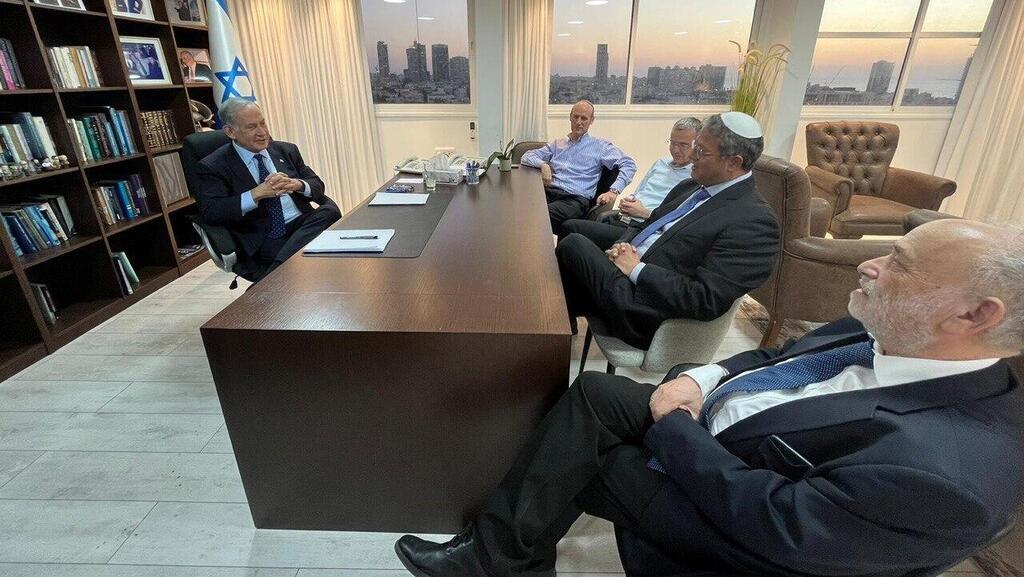
On Tuesday, Yedioth Ahronoth newspaper revealed a reconciliation meeting held between Israeli Prime Minister Benjamin Netanyahu and the Minister of So-Called National Security in his government, Itamar Ben Gvir.


According to the newspaper, Ben Gvir was invited to a personal, private meeting with Netanyahu, at a hotel in the city of Caesarea, near Netanyahu’s home.


According to the newspaper, a senior figure in Likud worked to appease Ben Gvir, and told him that without him, Netanyahu would not have a government.


The meeting between the two sides continued for several hours, with the aim of ending the crisis between them, especially against the backdrop of Ben Gvir's repeated demands regarding tightening the conditions of Palestinian prisoners, and his exclusion more than once from security discussions.


Recently, officials in the Israeli government coalition criticized Ben Gvir, accusing him of trying to impose his positions on the coalition, and that he had become a burden on it.


It is not known whether Netanyahu reached understandings with Ben Gvir on controversial issues, especially regarding security and the Palestinians.

PALESTINE

Tue 03 Oct 2023 8:08 am - Jerusalem Time

For the third day... massive incursions by Israeli settlers into Al-Aqsa Mosque

On Tuesday morning, settlers stormed Al-Aqsa Mosque in successive groups, amid calls to intensify the storming to commemorate the so-called “Throne Day.”


A group of settlers were seen performing “epic prostration” inside the courtyards of Al-Aqsa, dressed as priests.


Previously, large forces of the occupation police stormed the courtyards of the mosque to secure the settlers’ incursions, as some members of those forces were seen removing some of the stationed people from inside it.


The occupation forces deployed heavily inside the Old City since the early hours of dawn in preparation for securing the settlers’ incursions, as they obstructed worshipers’ access to the mosque.

PALESTINE

Tue 03 Oct 2023 7:57 am - Jerusalem Time

Attacks by Israeli extremist settlers south of Nablus

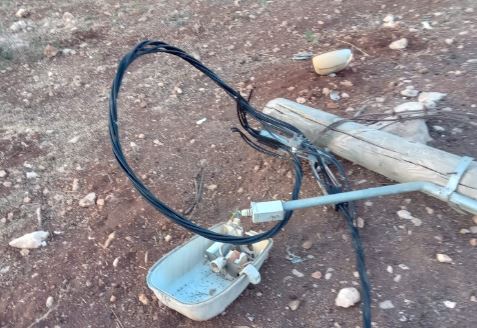
On Tuesday, settlers cut off the electricity network connecting the towns of Qusra and Jalud in Nablus.


According to local sources, a group of settlers infiltrated the area, destroyed the network, and barbarically and brutally attacked citizens’ property and vandalized agricultural lands.


Yesterday evening, the town of Qasra witnessed confrontations between young men and settlers who stormed the outskirts of the town under the protection of the occupation army, which led to injuries among citizens.

ARAB AND WORLD

Tue 03 Oct 2023 7:54 am - Jerusalem Time

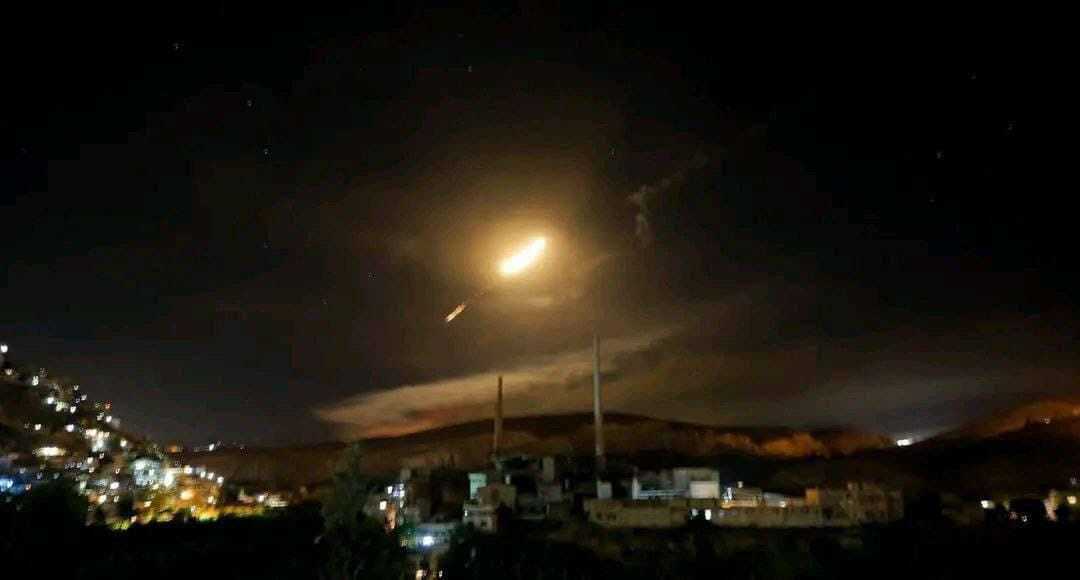
Two Syrian soldiers were injured in an Israeli bombing of Deir ez-Zor

Two Syrian soldiers were injured last night in an air strike targeting Syrian army positions around the city of Deir ez-Zor.


An official Syrian military source said that the bombing targeted several Syrian armed forces sites around the city, wounding two soldiers and causing some losses.


Syrian sources said that the bombing targeted Iranian facilities and sites of Syrian forces.


PALESTINE

Tue 03 Oct 2023 7:46 am - Jerusalem Time

Palestinian Injuries and arrests during raids in the West Bank and Jerusalem

On Tuesday, the Israeli occupation forces launched a campaign of arrests among citizens in various areas of the West Bank and occupied Jerusalem.


According to local sources, these forces wounded a young man at Al-Fawwar checkpoint, south of Hebron, before arresting him, without knowing his identity.


In Ramallah, citizen Basil Al-Zubaidi was arrested from Al-Jalazoun camp, while Jihad Judeh was arrested from Al-Bireh.


While Nour Raddad was arrested from Sidon, north of Tulkarm, and the young man Amjad Al-Ali was kidnapped from his home after besieging him in the Rafidia area in Nablus.


In occupied Jerusalem, the young man Ayman Al-Shami was arrested.


The occupation forces stormed the town of Beita, south of Nablus, and raided many homes, searched them, and interrogated their residents, amid violent confrontations that led to a number of young men being injured by rubber bullets and suffocation.


Other forces also stormed the town of Al-Samou and other areas in Hebron, amid raids on citizens’ homes.

ARAB AND WORLD

Mon 02 Oct 2023 9:15 pm - Jerusalem Time

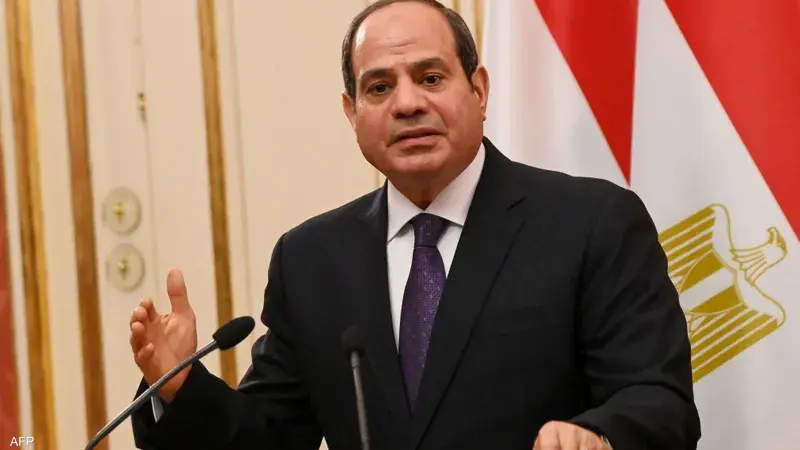
Al-Sisi announces his candidacy for the upcoming Egyptian presidential elections

President Abdel Fattah El-Sisi, during his speech at the “Story of a Homeland” conference, which concluded its activities on Monday in the New Administrative Capital, announced his candidacy in the upcoming presidential elections in response to the call of the Egyptian people.


Al-Sisi said, "I promise you that the coming period will be an extension of our common quest for Egypt and its people, and I call on all Egyptians to actively participate in the presidential elections."


The Egyptian President announced that he followed the national dialogue with great interest, and directed the government and state agencies to study the package of outcomes produced by the dialogue.


Al-Sisi added, "I intend to continue this state of dialogue and develop political and party life, so that the state can achieve paths, alternatives, and visions on a permanent basis."


He said, "After this conference, and the numbers and facts about the Egyptian state, how it was and how it has become... I confirm that we are renewing the covenant, and there is no fear for a nation whose crescent is intertwined with its cross. Our nation is neither afraid nor broken, but rather creates pyramids for glory and a history for civilization."


He said, "When I answered the call and assumed responsibility, I did not possess the treasures of the earth or the collections of rosy promises. I only had faith in God, then in Egypt, and working with impartiality and sincerity, carrying with me the honor of the Egyptian military, and it was enough for me to have a medal on my chest."


He directed his speech to the Egyptians: “I faced with you and with you all the challenges and crises, and together we crossed the bridges of safety, and we are on the verge of an election that will assume responsibility for the administration of the Egyptian state, and for ten years I have only taken the initiative to summon the Egyptians, whom I call on to make these elections the real beginning of a vibrant political life that witnesses pluralism, diversity, and difference.” Without overstepping or insulting.”


The National Elections Authority has set days (1, 2, and 3) of next December as the date for holding presidential elections outside Egypt, with the electoral process being held inside Egypt on days (10, 11, and 12) of the same month.

ARAB AND WORLD

Mon 02 Oct 2023 8:16 pm - Jerusalem Time

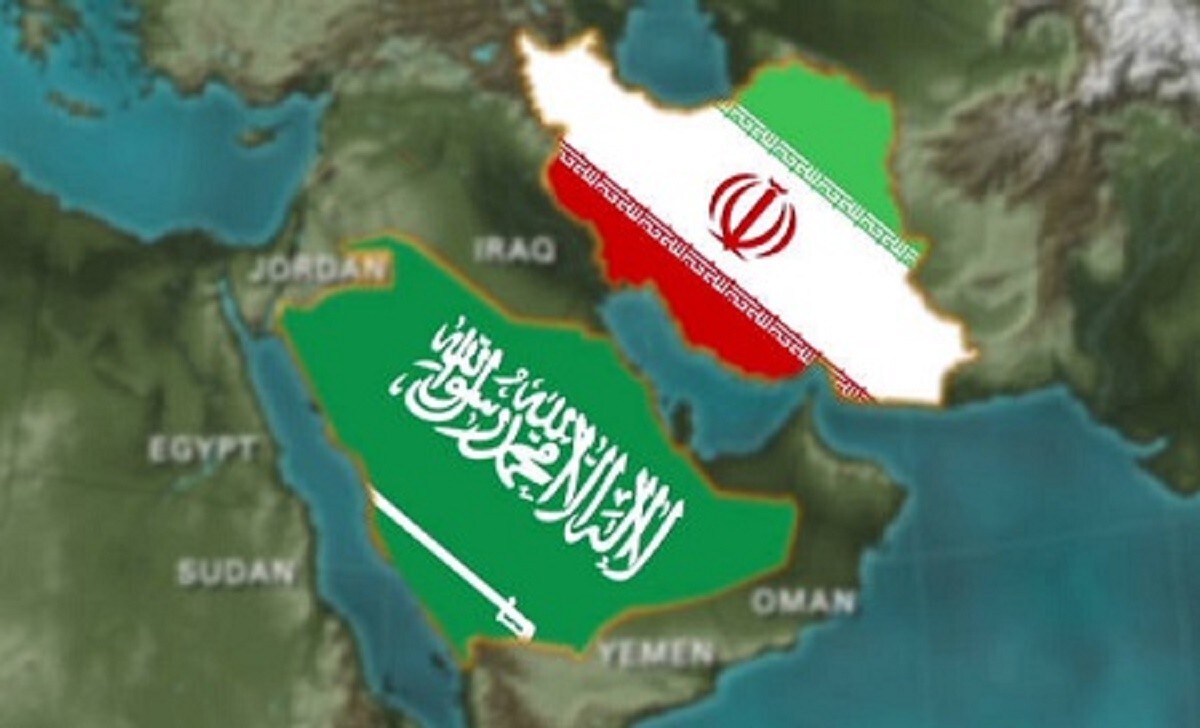
Iran is considering canceling visa requirements for Saudi Arabia

Iranian Foreign Ministry spokesman Nasser Kanaani said today (Monday) that his country is studying the possibility of canceling visa requirements with a number of countries, including Saudi Arabia.


Kanaani stated this during a weekly press conference in the Iranian capital, Tehran.


He said that the issue is being studied by the Iranian Ministry of Foreign Affairs, adding that there are a set of plans and ideas in this field and meetings have been held with relevant institutions.


He added that after studying all political and security aspects, the result will be presented to the Council of Ministers.

PALESTINE

Mon 02 Oct 2023 7:28 pm - Jerusalem Time

Israeli forces arrest an elderly Palestinian and a young man in occupied Jerusalem

On Monday evening, the Israeli occupation forces arrested an elderly citizen and a young man in occupied Jerusalem.


According to local sources, the occupation forces arrested the elderly Ali Darwish (80 years old) from the town of Al-Issawiya, northeast of Jerusalem, after they raided and searched his house.


The young man, Qusay Adnan Ghaith, was arrested from the town of Silwan, south of Jerusalem, and was transferred to a detention center, after the occupation forces assaulted and beat him.


It is noteworthy that the detained Ghaith is the son of the Governor of Jerusalem, Adnan Ghaith.

PALESTINE

Mon 02 Oct 2023 7:16 pm - Jerusalem Time

Several Palestinian Injuries in confrontation with Israeli violent settlers attackers south of Nablus

A number of Palestinian citizens suffered from suffocation and bruises, today, Monday, as the people of Qasra, south of Nablus, confronted a settler attack.


According to local sources, settlers from the Yesh Kodesh settlement attacked homes on the eastern side of the town, under the protection of the occupation army.


The sources added that the residents confronted the settlers, which led to the outbreak of confrontations, during which the occupation soldiers fired bullets and tear gas bombs. They also beat the residents and attacked several homes in the area.

PALESTINE

Mon 02 Oct 2023 7:07 pm - Jerusalem Time

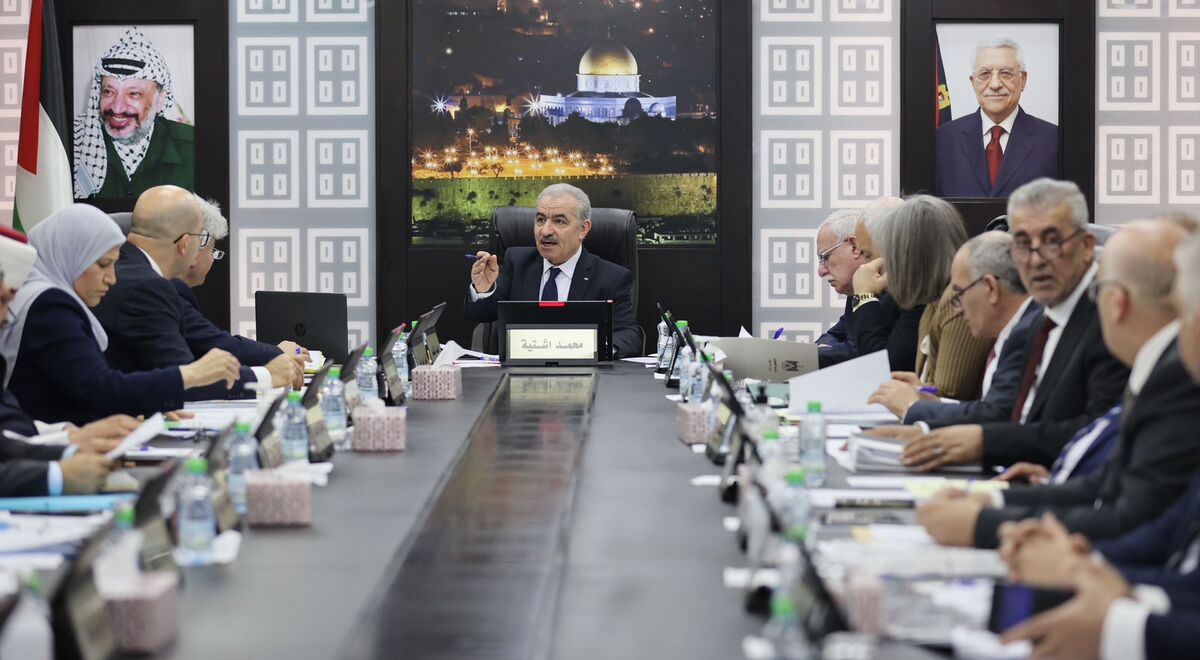
Palestine Council of Ministers allocates 100 million INS to Jerusalem Hospitals

Today, Monday, the Council of Ministers decided to allocate a sum of 100 million shekels to hospitals in occupied Jerusalem through funding from international partners.


The Council of Ministers also decided, in its weekly session held in the city of Ramallah, headed by Prime Minister Muhammad Shtayyeh, to form a committee to follow up on investment in government lands, with the aim of facilitating the procedures for establishing projects in all Palestinian territories by Palestinians, especially expatriates among them.


He approved the Ministry of Local Government's plan (Sovereignty and Resilience Programme) to support the steadfastness of citizens in the Palestinian governorates, especially areas designated (C), and provide the necessary financing methods and direct investment to these areas.


The Council of Ministers also approved the Ministry of National Economy’s plan to improve the business and investment environment, and a license to provide water and sanitation services for the West Jenin Water Facility.


It approved two projects in the field of energy in Gaza and Ramallah, and ratified the recommendations of the ministerial committee to supervise the project to prepare the national spatial plan.


The Council of Ministers also ratified, in its weekly session, the cooperation agreement in the field of higher education and scientific research between the governments of the Republic of Tunisia and the State of Palestine, and agreed to start operating the Ain al-Bayda Emergency Center in the northern Jordan Valley 24 hours a day.


The Council of Ministers devoted a wide area of discussion to developing a government program targeting lands classified as (C) by establishing infrastructure that includes building roads, land reclamation, and extending electricity lines, water networks, and communications, in order to enhance the steadfastness of citizens in those areas, embody sovereignty over them, and ensure Urban expansion and services therein, to confront the processes of settlement expansion and land seizure through which the occupation authorities are trying to restrict the residents of those areas, by demolishing homes, destroying property, and seizing land.


The Council decided to form a ministerial steering committee to supervise the implementation of the program, headed by the Minister of Local Government and membership of the ministries of Agriculture, Finance, Economy, Transport and Communications, Civil Affairs, the Wall and Settlement Resistance Authority, and the Land Authority, Water, and Energy.


The Cabinet heard from the Minister of Foreign Affairs and Expatriates, Riyad Al-Maliki, an explanation about the diplomatic efforts made during the past weeks in all state and Arab forums to enhance the presence of the State of Palestine in international and Arab organizations and bodies, the most recent of which was to raise the name of Palestine in the General Conference of the International Atomic Energy Agency in its seventh session. The sixtieth century, which was held in Vienna, reached the level of the “State of Palestine”, as well as the advanced position achieved by the State of Palestine in the vote that took place today in the League of Arab States on the Arab Charter on Human Rights.


The Council also heard a report from the Minister of Health, Mai Al-Kaila, on the conditions of hospitals, supplying them with medical personnel, and opening clinics in remote areas, where it approved the installation of a number of medical and health personnel who had previously worked during the “Corona” pandemic, and the allocation of an amount of 100 million shekels for the benefit of hospitals in the occupied city of Jerusalem. And operating the Ain Al-Bayda Emergency Center 24 hours a day to provide services to citizens in the area.


The Council of Ministers listened to a presentation of the latest draft of the Civil Service Law, to be a modern and advanced law, and addresses some of the failures and some loopholes in the previous law, to be submitted to the President for approval and issuance.


He also heard from the Minister of Local Government, Majdi Al-Saleh, an explanation about the project of the spatial plan for the lands of the State of Palestine, and the recommendations of the ministerial committee related to the project, which has been working on for three years, while he heard from the Minister of National Economy, Khaled Asseily, about the ministry’s plans to expand trade horizons with brotherly Jordan via Karama crossing, and related recommendations for discussion with Jordanian officials.


In his speech at the beginning of the session, Shtayyeh called on the United Nations to implement what was stated in the report of the independent investigation committee of the international body, in which it called on all countries to take action to put an end to Israeli violations and illegal practices in the occupied territories.


He added, "The continuing crimes committed by the occupation soldiers and settlers against our people, the most recent of which was the execution of the young man Muhammad Rummana from Al-Am'ari camp, the detention of his body, and the arrest of the wounded friend, require imposing sanctions on the occupying state, and not allowing the perpetrators to escape punishment." He expressed his condolences to the family of the martyr and to all the families of the martyrs, wishing recovery for the wounded.


The Prime Minister thanked the 92 countries that voted at the General Conference of the International Atomic Energy Agency in favor of raising the name of Palestine in the agency to “State of Palestine,” which would enhance recognition of the Palestinian state and grant it more privileges.


The Prime Minister said: “Area C is an integral part of the entire territory of the State of Palestine, and that there is an attempt by the current Israeli government and its predecessors to annex those areas. Since the beginning of our work, we have given these areas a major priority in various fields, and today we are renewing the launch of programs related to those areas.” The regions and all ministries are working to make the program a success, each according to its specialty.”


PALESTINE

Mon 02 Oct 2023 6:11 pm - Jerusalem Time

Israel army arrests an elderly man and seizes his tractor in Deir Istiya

Today, Monday, the Israeli occupation forces arrested an elderly man and seized his agricultural tractor, in the town of Deir Istiya in Salfit Governorate.


According to local sources, the occupation forces stormed the “Al-Qaada” area, north of the town of Deir Istiya, and detained a number of farmers for several hours, before arresting the elderly citizen, Nael Mahareq, “67 years old,” and seizing his agricultural tractor.


PALESTINE

Mon 02 Oct 2023 5:54 pm - Jerusalem Time

Israeli army closes western entrance to Bethlehem countryside

On Monday evening, the Israeli occupation forces closed the western entrance to the villages of the western countryside in Bethlehem Governorate.


According to local sources, the occupation forces closed the “Aqbat Hasna” area, the main entrance to the towns of Nahalin and Battir, and the villages of Wadi Fukin and Husan, which led to a traffic crisis.